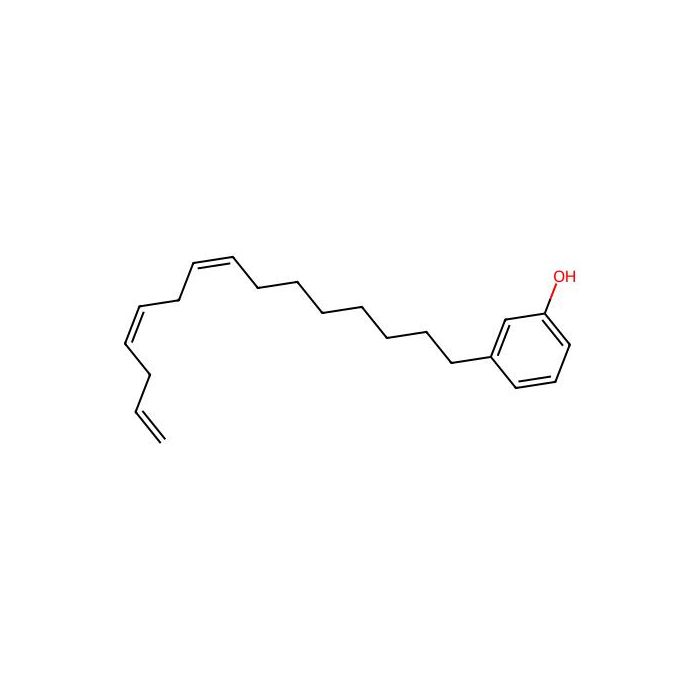
This compound belongs to the class of organic compounds known as 1-hydroxy-4-unsubstituted benzenoids. These are phenols that are unsubstituted at the 4-position.
External Descriptors
Not available
1. Djoumbou Feunang Y, Eisner R, Knox C, Chepelev L, Hastings J, Owen G, Fahy E, Steinbeck C, Subramanian S, Bolton E, Greiner R, and Wishart DS. ClassyFire: Automated Chemical Classification With A Comprehensive, Computable Taxonomy. Journal of Cheminformatics, 2016, 8:61.
Determine the necessary mass, volume, or concentration for preparing a solution.
Dilution Calculator
Determine the dilution needed to prepare a stock solution.
Reconstitution Calculator
Reviews
Customer Reviews
Application Protocols
No application protocols (e.g., WB, IHC, IF, FC) are applicable to this small-molecule reagent. For synthetic or materials applications, refer to the Reaction Conditions and Synthetic Utility sections for practical guidance. For any method-specific protocol in your lab (e.g., resin curing schedules, epoxidation procedures), adapt the general conditions provided to your scale and equipment.
Biological Roles
This section summarizes general biochemical context for cardanol-like phenolic lipids; it is not specific to this catalog item and should not be interpreted as medical/clinical guidance.
Origin and natural context (literature):
Cardanol is derived from cashew nutshell liquid (Anacardium occidentale), where it occurs alongside cardol and anacardic acids. In the plant, these phenolic lipids likely function in defense and structural integrity of the shell material.
Physicochemical behavior in biological settings (general):
The long hydrophobic C15 side chain confers strong membrane affinity, while the phenolic OH can engage in hydrogen bonding and redox chemistry.
Phenolic moieties can act as radical scavengers and UV absorbers; however, activity depends strongly on substitution and environment.
Biocatalysis relevance:
Enzymatic transformations (lipases, peroxidases) have been explored to functionalize cardanol’s side chain or phenolic OH under mild conditions, highlighting its compatibility with biocatalytic routes to bio-based materials.
Environmental fate (general):
As a hydrophobic phenolic, cardanol is expected to adsorb strongly to organic matter; unsaturated chains may undergo slow oxidative degradation. Definitive fate depends on derivatization and matrix.
No clinical or therapeutic roles are claimed or implied. For laboratory work involving biological systems, evaluate cytotoxicity/compatibility empirically for the specific derivative and formulation used.
Buffer Applications
Cardanol is a hydrophobic phenolic mixture and is not used as a pH buffer or buffering component.
Not typically applicable: For aqueous buffer preparation, choose conventional buffering agents (e.g., phosphate, Tris, HEPES).
If cardanol-containing formulations must contact aqueous media, emulsifiers/surfactants and co-solvents may be required to achieve dispersion; pH control should be handled independently by a suitable buffer system.
Green Alternatives
Context: Cardanol itself is a bio-based, renewable phenolic feedstock derived from cashew nutshell liquid (CNSL), and is widely used as a greener alternative to petrochemical alkylphenols.
Green credentials (general; not item-specific):
Renewable origin: obtained from agricultural by-product (cashew industry).
High biobased content: carbon largely from non-fossil source; supports biobased content claims in materials.
Intrinsic functionality: phenolic core reduces need for additional aromatic feedstocks; unsaturation enables lower-energy functionalizations.
Comparison to common alternatives:
Versus nonylphenol/alkylphenols (petro-derived): cardanol reduces fossil input and can offer lower toxicity profiles in certain derivatives; however, variability in unsaturation may require tighter QC.
Versus bisphenol A (BPA) systems: cardanol-based resins can deliver lower volatility and improved hydrophobicity; thermal/rigidity profiles differ (often lower Tg without hard segments).
Versus long-chain petro-alkylbenzenes: cardanol offers a built-in polar handle (phenol) facilitating curing/derivatization without halogenation/sulfonation steps.
Trade-offs and mitigations:
Batch variability: manage with GC profiling, iodine value, and standardized hydrogenation/functionalization steps.
Oxidative darkening: mitigate by nitrogen blanketing and antioxidant packages.
End-of-life: while bio-based, derivatives may still be persistent; design for recyclability or degradability where feasible.
Process considerations:
Select safer solvents (e.g., 2-MeTHF, CPME, ethyl acetate) for derivatizations where compatible.
Employ catalytic transformations (e.g., enzymatic esterifications, metathesis) to reduce waste.
Pharmaceutical Uses
No pharmacopeial grade or excipient designation is specified for this item; consult the CoA/Spec Sheet for any available compliance statements.
General formulation context (literature; not item-specific):
Cardanol and its derivatives are primarily used in industrial materials (epoxy curing agents, resins, plasticizers). They are not common pharmaceutical excipients.
Phenolic derivatives from cardanol can be converted to surfactants or amphiphiles that, in principle, might serve roles in non-clinical formulations or device coatings; suitability must be established case by case with full toxicological assessment.
Manufacturing considerations:
Residual monomers/impurities, color, and odor can influence acceptability in device/packaging applications; refining and hydrogenation may reduce sensory impact.
Oxidative stability and extractables/leachables should be characterized for any contact-material use.
No therapeutic or clinical claims are made. This product is for research use only.
Physical Properties
Item-specific properties from Product Data:
Appearance: Not specified for this item; refer to CoA/Spec Sheet.
Molecular formula: Not specified for this item; refer to CoA/Spec Sheet.
Molecular weight: Not specified for this item; refer to CoA/Spec Sheet.
Literature/typical values for cardanol mixtures (not item-specific; may vary by source and composition):
Physical state: viscous liquid or low-melting soft solid at ambient temperature (mixture-dependent).
Color: typically pale yellow to brown (depends on refining/oxidation).
Boiling range (literature, reduced pressure): high-boiling; often distilled > 300 °C at atmospheric pressure; vacuum distillation commonly used (e.g., 180–260 °C at 1–5 mbar; literature ranges).
Density (literature, 20–25 °C): typically around 0.92–0.97 g/mL.
Refractive index (literature, n20 D): often ~1.51–1.53.
Solubility: insoluble in water; soluble in common organic solvents (toluene, xylene, ethers, alcohols, chlorinated solvents).
LogP (estimated for C21 phenolic alkyl chain): high (strongly lipophilic).
Acidic character: weakly acidic phenol (pKa of phenolic OH typically ~10; mixture-dependent).
Practical notes:
Viscosity increases at low temperature; gentle warming (ambient to ~40 °C) can aid handling.
Unsaturated homologs can undergo slow autoxidation or polymerization on air/light exposure; handling under inert atmosphere helps maintain consistency.
All property values above, unless explicitly stated from Product Data, are literature/typical and not specifications for this item.
Quality and Grades
Item-specific quality information (from Product Data):
Grade/Purity: Not specified for this item; refer to CoA/Spec Sheet.
Interpreting grades for cardanol (general guidance; not item-specific):
Cardanol is often supplied as a defined cut of cashew nutshell liquid, sometimes specified by unsaturation profile (percent of mono-/di-/tri-ene and saturated components), acid value, hydroxyl value, and color index.
“Technical” or “industrial” grades may prioritize performance parameters (e.g., viscosity, hydroxyl value) over chromatographic purity, whereas “research” grades typically include GC/GC–MS profiles and tighter limits on volatiles or residual CNSL components (e.g., cardol traces).
Low-color grades are processed to limit oxidative darkening and polymeric residues; they can be advantageous in coatings/epoxy applications.
Stabilizers/antioxidants (general note):
Some lots of unsaturated phenolic lipids are shipped with trace antioxidants or under nitrogen to limit oxidation. Presence/absence and identity of any stabilizer must be confirmed on the lot’s CoA.
What to check on receipt (best practice):
Verify GC profile for side-chain unsaturation distribution, acid/hydroxyl value, water content (e.g., Karl Fischer), and color.
For polymer/resin work, record viscosity vs. temperature profile; for synthesis, confirm phenolic OH assay and residual cardol/cardanol dimers.
For any specification not listed here, consult the item’s CoA/Spec Sheet.
Reaction and Applications
Cardanol’s dual functionality—an activated phenolic ring/OH and a modifiable C15 side chain—enables broad synthetic and materials applications.
Representative reaction families (literature; not item-specific):
Phenolic derivatization:
O-acylation to form esters (acyl chlorides/anhydrides, base or pyridine catalysis).
Mannich reactions at the ortho/para positions to give aminomethylated resins.
Novolac/resol-type phenolic resin formation with formaldehyde (acid/base catalyzed).
Side-chain transformations:
Selective hydrogenation to saturate double bonds (Pd/C, Ni).
Epoxidation of C=C (m-CPBA, peracetic acid), enabling further ring-opening to diols/polyols.
Hydroboration–oxidation to form alcohols, ozonolysis/oxidative cleavage to carbonyl fragments.
Thiol–ene additions for grafting functionality; olefin metathesis to redistribute chain length or introduce handles.
Application domains:
Epoxy systems: cardanol-derived amine curing agents and adducts offer improved flexibility, hydrophobicity, and chemical resistance.
Polyurethanes/polyols: via epoxidation and ring-opening or via carbonate chemistry from the phenolic OH.
Surfactants and amphiphiles: sulfonates, ethoxylates, and quaternary ammonium derivatives.
Antioxidant and UV-absorbing additives: phenolic core provides radical-scavenging; long chain improves compatibility in hydrophobic matrices.
Green materials: bio-based alternative to petro-alkylphenols in coatings, friction materials, and composites.
Practical tips:
Remove inhibitors/antioxidants only when necessary and process under inert atmosphere.
For electrophilic substitution on the ring, control orientation/overreaction with protecting groups or directing strategies.
Side-chain unsaturation can lead to crosslinking; monitor via iodine value/GC before critical syntheses.
Reaction Conditions
The following are literature-style, non-item-specific conditions commonly applied to cardanol chemistry. Optimize for your substrate and lot composition.
O-acylation (ester formation):
Typical: cardanol, acyl chloride (1.05–1.2 equiv), pyridine or Et3N (2–3 equiv), DCM or toluene, 0 °C → rt, 2–16 h.
Williamson: NaH (1.1–1.5 equiv) in dry THF/DMF, 0 °C → rt, add alkyl halide (1.2–1.5 equiv), 2–6 h; quench carefully.
Mitsunobu: DEAD/DIAD, PPh3, ROH nucleophile, THF, 0 °C → rt, 4–12 h.
Mannich reaction (aminomethylation):
Cardanol, formaldehyde (aqueous or paraformaldehyde), secondary amine, AcOH or HCl catalyst, toluene/EtOH, 60–90 °C, 4–12 h; yields resinous products suitable for epoxy curing.
Epoxidation of side-chain C=C:
m-CPBA (1.1–1.5 equiv per C=C), DCM, 0–5 °C to rt, 1–6 h; buffer with NaHCO3 to manage acidity.
Peracetic acid or in situ generated performic acid in toluene/CH2Cl2, 0–25 °C.
Hydrogenation:
H2 (5–50 bar), Pd/C (5–10 wt%), toluene/EtOH, 25–80 °C, 2–24 h; monitor iodine value to target saturation level.
Olefin metathesis:
Grubbs II (1–5 mol%), toluene or DCM, 25–60 °C, 2–8 h; remove ethylene under slight vacuum/N2 sweep.
Notes:
Use inert atmosphere to suppress autoxidation.
Reaction times and yields vary with unsaturation profile; analyze by GC/NMR for each lot.
Safety and Handling
Item-specific hazard information (from Product Data):
Signal word: Not specified for this item; refer to SDS.
H-statements: Not specified for this item; refer to SDS.
GHS classification/pictograms: Not specified for this item; refer to SDS.
General safety guidance for cardanol and related alkylphenols (literature; not item-specific):
Irritation/sensitization: Phenolic lipids may be skin/eye irritants; prolonged contact can cause defatting. Avoid inhalation of mists/vapors when heated.
PPE: Use gloves compatible with organic solvents (e.g., nitrile), lab coat, and splash-resistant eye protection. Employ local exhaust ventilation or fume hood.
First aid overview: In case of skin contact, wash with soap/water. For eye exposure, rinse cautiously with water for several minutes; seek medical attention if irritation persists. If inhaled, move to fresh air. If ingested, rinse mouth—do not induce vomiting—seek medical attention. Always follow your institutional SOPs.
Incompatibilities: Strong oxidizers (unsaturated chains are oxidizable); strong bases/alkali metals (phenolic deprotonation with heat generation); strong electrophiles/acylating agents without appropriate controls.
Thermal/oxidative stability: Unsaturated components can autoxidize; store under inert gas and minimize heat/light exposure.
Spill response: Absorb with inert material (vermiculite/diatomite), collect for disposal as organic waste.
Fire safety: Combustible organic liquid; use CO2, dry chemical, or foam. Phenolic compounds can produce irritating fumes on combustion.
Always consult the item-specific SDS for authoritative hazard classification, exposure limits, and emergency procedures.
Solvent Selection
Cardanol is a strongly lipophilic, weakly polar phenolic compound. It behaves more like a long-chain alkylbenzene with a single phenolic OH.
Polarity/miscibility (literature, not item-specific):
Alcohols: soluble in short-chain alcohols (MeOH, EtOH, i-PrOH), especially upon warming.
Oils: miscible with many hydrocarbon oils and plasticizers.
Practical solvent choices by use-case:
Phenolic derivatizations (acylation/etherification): dry THF, MeCN, or DMF with a non-nucleophilic base (NaH, K2CO3).
Adhesives/coatings/resins: aromatic solvents (xylene/toluene) or esters/ketones to balance solvency and evaporation profile.
Oxidations/epoxidations on side chain: DCM, EtOAc, or toluene, chosen to match oxidant and temperature control.
Comparison snapshot (general):
Aromatic solvents (toluene/xylene): maximize solubility and film formation; slower evaporation.
Ketones/esters (MEK/EtOAc): faster dry times; good compatibility; may increase hydrogen bonding with the phenolic OH.
Chlorinated (DCM): excellent solvency and heat removal; environmental/health trade-offs.
For solvent-sensitive transformations, consider azeotropic drying and degassing to minimize oxidative side reactions of the unsaturated side chain.
Storage and Reconstitution
Item-specific storage (from Product Data):
Storage conditions: Store at −20 °C.
Shipping: Ice chest + ice pads.
Practical handling guidance (general; not item-specific):
Upon receipt, allow the container to reach room temperature before opening to prevent condensation. If viscous/partially solidified, warm gently (e.g., 25–40 °C) to homogenize.
Minimize headspace and, where possible, blanket with inert gas (nitrogen/argon) to limit oxidative darkening/polymerization due to side-chain unsaturation.
Protect from light and heat. Store in tightly sealed amber glass.
Do not freeze-thaw repeatedly at subambient temperatures if crystallization/phase separation is observed; instead, maintain at a consistent controlled temperature and aliquot if frequent access is needed.
Stability checks:
Periodically verify color, viscosity, and GC profile/iodine value for long-term projects.
If solids or skinning form on prolonged storage, filter through inert media under nitrogen after gentle warming.
No reconstitution is typically required; cardanol is supplied neat. For any unspecified parameter (e.g., stabilizer presence, water content), consult the lot-specific CoA/Spec Sheet.
Structure and Identity
Brief overview: Cardanol is the phenolic lipid fraction obtained from cashew nutshell liquid (CNSL), consisting predominantly of meta-alkenyl phenols bearing a C15 side chain with varying degrees of unsaturation.
Item-specific identifiers (from Product Data):
Product Name: Cardanol (SKU: C1349964)
CAS: 79353-39-2
PubChem CID: 11266523
InChIKey (as provided): 165884
Storage condition: Store at −20 °C
Shipped in: Ice chest + ice pads
Research use: For research use only
Item-specific molecular data:
Molecular formula: Not specified for this item; refer to CoA/Spec Sheet.
Molecular weight: Not specified for this item; refer to CoA/Spec Sheet.
SMILES: Not specified for this item; refer to CoA/Spec Sheet.
Cardanol is typically a mixture of 3-(pentadecenyl)phenols: saturated (3-pentadecylphenol) and mono-, di-, and tri-ene homologs in the C15 side chain.
Common positional unsaturations occur along the aliphatic chain (often at Δ8, Δ11, Δ14), while the phenolic OH resides para to none; the side chain is usually meta to the hydroxyl group.
Stereochemistry: side-chain double bonds are typically internal (E/Z mixture) in natural cardanol mixtures.
2D structural features in words: a benzene ring bearing a phenolic OH and a single long C15 aliphatic substituent at the meta position; the side chain may contain 0–3 C=C bonds.
Synthetic Utility
Cardanol is a versatile, renewable building block combining a phenolic handle with a long, modifiable aliphatic chain.
Mannich condensation to produce aminomethyl phenols (precursors to epoxy curing agents).
Mitsunobu etherification for installing hindered alkyl ethers on the phenolic OH.
Olefin metathesis (Grubbs/Hoveyda) for side-chain remodeling or functional handle introduction.
Novolac/resol resin formation under acid/base catalysis with formaldehyde.
Retrosynthetic value:
Serves as a bio-based surrogate for petro-alkylphenols, imparting hydrophobicity and flexibility to polymers while retaining phenolic reactivity.
Side-chain unsaturation allows late-stage diversification without re-derivatizing the aromatic core.
Process notes:
Control oxygen exposure during transformations to avoid uncontrolled crosslinking.
For selective ring functionalization, consider transient protection of the phenolic OH to direct substitution and suppress O-alkylation.
Track reaction progress by GC–MS/1H NMR focusing on olefinic and phenolic resonances.
Target Specificity
Not applicable. Cardanol is a small-molecule phenolic mixture, not a biological macromolecule or affinity reagent. No antigen/epitope or species reactivity applies for this item.
Frequently Asked Questions
How should this product be stored?
Store at ?20 °C. Freezer storage is required to maintain the specified shelf life.
How is this product shipped?
This product ships in an insulated container with ice pads. Unpack on arrival and transfer it to the storage condition stated above.
What are the CAS number, molecular formula and molecular weight?
The CAS Number is 79353-39-2. InChIKey JOLVYUIAMRUBRK-UTOQUPLUSA-N.
We use cookies to ensure the website functions properly and, where permitted, to improve your experience. You can manage your preferences at any time in Settings. Learn more in our Cookie Policy.
Shall we send you a message when we have discounts available?
Remind me later
Thank you! Please check your email inbox to confirm.
Products are supplied to verified businesses, institutions, and qualified professionals for research and development use only. Not for use in humans, animals, diagnosis, or therapy.