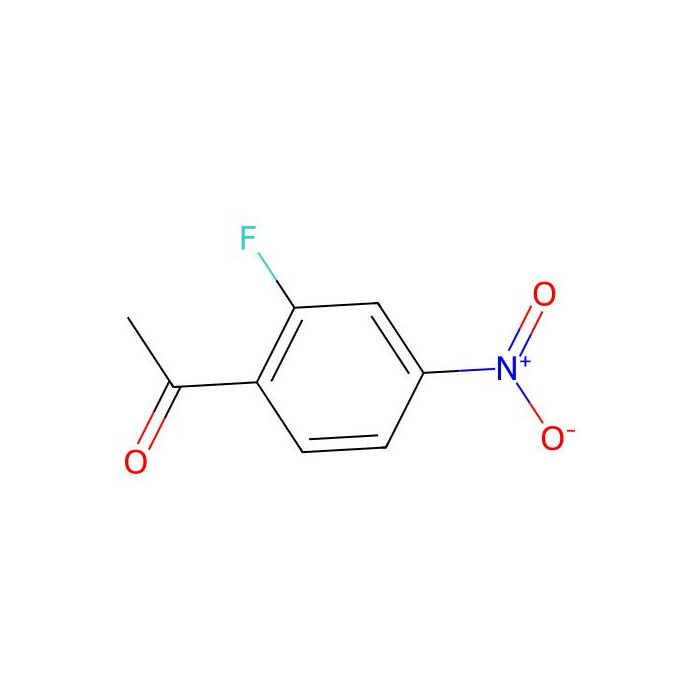
This compound belongs to the class of organic compounds known as alkyl-phenylketones. These are aromatic compounds containing a ketone substituted by one alkyl group, and a phenyl group.
External Descriptors
Not available
1. Djoumbou Feunang Y, Eisner R, Knox C, Chepelev L, Hastings J, Owen G, Fahy E, Steinbeck C, Subramanian S, Bolton E, Greiner R, and Wishart DS. ClassyFire: Automated Chemical Classification With A Comprehensive, Computable Taxonomy. Journal of Cheminformatics, 2016, 8:61.
Certificats (CoA, COO, BSE/TSE et tableau d'analyse)
C of A & Other Certificates(BSE/TSE, COO):
Analytical Chart:
Propriétés chimiques et physiques
Poids moléculaire
183.140 g/mol
XLogP3
1.500
Hydrogen Bond Donor Count
0
Hydrogen Bond Acceptor Count
4
Rotatable Bond Count
1
Exact Mass
183.033 Da
Monoisotopic Mass
183.033 Da
Topological Polar Surface Area
62.900 Ų
Heavy Atom Count
13
Formal Charge
0
Complexity
226.000
Isotope Atom Count
0
Defined Atom Stereocenter Count
0
Undefined Atom Stereocenter Count
0
Defined Bond Stereocenter Count
0
Undefined Bond Stereocenter Count
0
The total count of all stereochemical bonds
0
Covalently-Bonded Unit Count
1
Calculateurs de solution
Molarity Calculator
Determine the necessary mass, volume, or concentration for preparing a solution.
Dilution Calculator
Determine the dilution needed to prepare a stock solution.
Reconstitution Calculator
Avis
Avis des clients
Application Protocols
Not applicable. No biology assay protocols (e.g., WB, IHC, IF, FC) are associated with this small-molecule building block. For synthetic chemistry, see Reaction Conditions and Application notes for general laboratory procedures.
Biological Roles
This compound is a synthetic nitroaryl ketone building block and is not a native metabolite or biochemical cofactor.
General (literature; not application-specific)
Nitroaromatic rings can serve as electron-deficient motifs and may participate in redox processes in vitro, but 1-(2-fluoro-4-nitrophenyl)ethanone has no established physiological role.
Any biological testing or profiling should be conducted under appropriate research approvals. No medical or clinical use is implied.
Given its primary role as a chemical intermediate, users should refer to Reaction & Applications and Synthetic Utility for relevant laboratory contexts.
Buffer Applications
Not typically applicable. 1-(2-Fluoro-4-nitrophenyl)ethanone is not a buffering agent and is poorly water-soluble. For experimental work requiring aqueous media, use a suitable buffer system for your biological/analytical assay and dissolve this compound in a compatible organic co-solvent (e.g., DMSO or MeCN) as needed.
Green Alternatives
Because this product is a solid building block rather than a process solvent, “green alternatives” primarily concern solvent and reagent choices in its transformations.
Greener solvent choices (literature guidance)
Consider replacing DMF/NMP with MeCN, 2-MeTHF, CPME, or propylene carbonate where feasible. DMSO, while high-boiling, is relatively benign and effective for SNAr.
For reductions, use ethanol or isopropanol as hydrogenation media rather than chlorinated solvents.
Bases and reagents
Prefer inorganic carbonates (K2CO3/Cs2CO3) over strong alkoxides where possible to minimize hazards and overreactions.
Catalytic hydrogenation (H2/Pd-C) often produces cleaner waste streams versus stoichiometric tin/iron reductions; if metals are used, implement robust metal capture and recycling.
Workup and purification
Shift from large-volume silica chromatography to crystallization or minimal-flash approaches where solubility permits, reducing solvent consumption.
Comparison snapshot (qualitative)
DMF (petro, reproductive hazard) vs MeCN (more volatile, easier removal): MeCN can cut energy use in solvent recovery but may reduce SNAr rates; DMSO offers high rate but energy-intensive removal.
DCM vs EtOAc: EtOAc provides comparable dissolving power for many steps with a better environmental profile.
Tradeoffs should be evaluated by LCA and process safety; pilot small-scale solvent screens to balance performance and sustainability.
Pharmaceutical Uses
No pharmacopeial excipient role is known for this compound. In medicinal chemistry research (non-clinical), nitroaryl acetophenones may serve as intermediates for SAR exploration via SNAr diversification and carbonyl modifications.
Compliance note: This product is for research use only and is not intended for human or veterinary use, diagnostics, or clinical applications.
If the compound is used in route scouting or process development, ensure residual nitroaromatic content is controlled per project specifications and that appropriate genotoxic impurity assessments are performed at later development stages (general industry practice; not specific to this item).
Physical Properties
Item-specific (Product Data)
Appearance: Not specified for this item; refer to CoA/Spec Sheet.
Molecular weight: Not specified for this item; refer to CoA/Spec Sheet.
Literature/computed (general reference values; not item-specific specs)
Formula: C8H6FNO3; formula weight ≈ 183.13 g/mol (calculated from formula)
Physical state/ color: Nitroaryl ketones of this class are typically pale yellow crystalline solids (literature, general observation), but verify actual appearance on the CoA.
Solubility profile (qualitative, literature):
Sparingly soluble in water; soluble in common organic solvents such as DMSO, DMF, acetone, ethyl acetate, dichloromethane, acetonitrile, and alcohols.
Polarity/partitioning (qualitative): Moderately polar aromatic ketone; nitro and carbonyl groups increase polarity relative to acetophenone; fluoro contributes to lipophilicity modestly.
UV absorbance (qualitative): Conjugated aryl–CO– and nitro chromophores give strong UV absorption in the near-UV; specific λmax/UV cutoff: Not specified for this item; refer to CoA/Spec Sheet.
Melting point, boiling point, density, refractive index, logP, pKa: Not specified for this item; consult primary literature or the SDS/CoA for measured values.
Practical notes (general)
The nitro group and aryl ketone typically afford a distinct UV signature useful for TLC/UPLC monitoring.
Expect higher solubility in polar aprotic media (DMSO/DMF/MeCN) than in nonpolar hydrocarbons.
Quality and Grades
Item-specific (Product Data)
Grade/Purity: Not specified for this item; refer to CoA/Spec Sheet for assay, impurity profile, and any stabilizers.
How to interpret grade for this compound type (general guidance)
For building-block aromatics such as 1-(2-fluoro-4-nitrophenyl)ethanone, relevant quality indicators include:
Assay (HPLC/GC/qNMR), residual solvents, and identity confirmation (1H/13C NMR, HRMS).
Inorganic residue/metals (particularly if used in metal-catalyzed steps downstream).
Moisture content (Karl Fischer) because hydration can affect SNAr and carbonyl reactivity.
Specific contaminants: regioisomers (other F/NO2 orientations), starting anisomers (fluoronitrobenzene), and over-reduced/over-oxidized byproducts.
HPLC or LC–MS suitability: If chromatography is anticipated, low UV background and well-defined main peak are preferred; “HPLC-grade” labels, when present, usually address solvent reagents rather than solids—verify applicability on the CoA.
Practical notes
If purity is not specified, perform incoming QC: quick 1H NMR, LC–MS, and KF moisture to ensure suitability for SNAr or condensation chemistry.
Stabilizers: None are typically required for this class; if any stabilizer is present it should be declared on the CoA. Not specified for this item; refer to CoA/Spec Sheet.
Reaction and Applications
Aromatic substitution via SNAr (literature)
The ortho-fluoro substituent adjacent to a para-nitro group is highly activated toward SNAr. Nucleophiles (amines, thiolates, alkoxides) can displace F to furnish 2-substituted 4-nitroacetophenone derivatives.
Practical tips: Use polar aprotic solvents (DMSO, DMF, MeCN); employ bases such as K2CO3, Cs2CO3, NaH, or t-BuOK depending on nucleophile. Water traces impede some reactions—dry solvents and bases increase reproducibility.
Carbonyl derivatization (literature)
Oxime/hydrazone formation with hydroxylamine or hydrazines in EtOH or MeOH with mild acid/base catalysis provides handles for further transformations (e.g., Beckmann rearrangement from oximes).
α-Functionalization: Base-mediated α-halogenation (NBS/NCS/Br2) and enolate formation enable C–C bond construction (aldol, Claisen–Schmidt with aromatic aldehydes to give nitrochalcones).
Nitro group transformations (literature)
Reduction to anilines (H2/Pd-C, Fe/AcOH, SnCl2/HCl) affords 4-amino-2-substituted acetophenones (post-SNAr), unlocking diazotization, coupling, and intramolecular cyclizations.
N–O bond chemistry: Nitro-to-azaheterocycle cyclizations are accessible after reduction (e.g., formation of indazoles/quinazolines from appropriately substituted derivatives).
Synthesis/building-block context (general)
The dual handle strategy (activated Ar–F plus methyl ketone) makes this substrate valuable in diversity-oriented synthesis and late-stage installation of polar substituents via SNAr followed by carbonyl elaboration.
Analytical/monitoring notes
Strong UV response aids TLC/HPLC monitoring. LC–MS typically shows [M+H]+ at m/z ≈ 184 (literature) for the parent framework; confirm with your instrument.
Reaction Conditions
All conditions below are general literature guidance for nitro-activated fluoroarenes and aryl methyl ketones; optimize for your system.
SNAr at C2 (displacement of F)
Amination: 1.0–1.5 equiv amine, 1.5–2.5 equiv K2CO3 or Cs2CO3, solvent DMSO or DMF (0.1–0.5 M), 60–110 °C, 2–16 h. Electron-poor amines may require higher temperature or stronger base (NaH, t-BuOK) in MeCN/DMF.
Alkoxylation/thiolation: Corresponding alkoxide/thiolate (1.2–1.5 equiv) generated in situ from ROH/RSH and base (NaH, K2CO3). DMSO/DMF, 40–100 °C, 2–12 h. Thiolates often proceed at lower temps.
Oxime formation (from ketone)
Hydroxylamine·HCl (1.2–1.5 equiv), NaOAc or pyridine base (1.5–2.0 equiv), EtOH or MeOH, 20–60 °C, 1–6 h. Monitor by TLC/UPLC; isolate by filtration/crystallization.
Aldol/Claisen–Schmidt condensations
With benzaldehydes: NaOH or KOH (10–20 mol% base relative to aldehyde), EtOH/H2O, 20–40 °C, 2–24 h. For E-selective chalcones, use weaker base and lower temperature.
Nitro reduction to aniline (post-SNAr optional)
H2 (1–3 bar), Pd/C (5–10 wt% of substrate), EtOH or EtOAc, rt–50 °C, 2–8 h. Alternatively, Fe/AcOH or SnCl2/HCl under reflux; ensure thorough workup to remove metals.
α-Halogenation
NBS (1.05–1.2 equiv), catalytic acid (e.g., AcOH) or radical initiator (AIBN) as appropriate, CHCl3/MeCN, 0–25 °C, 0.5–3 h.
Expected yields in literature vary widely (50–90%) depending on nucleophile/electronics. Always confirm identity by NMR/HRMS and check for regioisomers.
Safety and Handling
Item-specific (Product Data)
GHS classification, H-statements, pictograms, signal word: Not specified for this item; consult the SDS for definitive hazard information.
Storage conditions: Store at 2–8 °C, desiccated.
Shipped in: Wet ice.
Research use note: For research use only.
General safety considerations for nitroaryl ketones (literature/experience; not a substitute for SDS)
Hazards: Nitroaromatic compounds and aromatic ketones may cause skin/eye irritation and may be harmful if inhaled or swallowed. Avoid dust formation. Some nitroaromatics are environmentally hazardous—manage waste accordingly.
PPE: Lab coat, safety glasses or splash goggles, and appropriate chemical-resistant gloves (e.g., nitrile). Handle in a fume hood to avoid inhalation of dust or solvent vapors during dissolution.
Incompatibilities: Strong bases (may induce undesired condensations/α-deprotonation), strong reducing agents (can reduce the nitro group), and strong oxidizers (general caution). Avoid prolonged exposure to light/heat and moisture.
First aid (overview):
Inhalation: Move to fresh air; seek medical attention if symptoms persist.
Skin/eye contact: Rinse with plenty of water for at least 15 minutes; remove contaminated clothing; obtain medical advice if irritation develops.
Ingestion: Rinse mouth; do not induce vomiting; seek medical attention.
Fire safety: Use CO2, dry chemical, or foam. Combustion may produce hazardous fumes (NOx, COx); firefighters should wear self-contained breathing apparatus.
Always defer to the product-specific SDS and institutional protocols for authoritative guidance.
Solvent Selection
This compound is a moderately polar nitroaryl methyl ketone and is typically handled and reacted in polar organic media.
Limited: Toluene, hexanes (may require heating or co-solvents)
Aqueous: Poorly water-soluble; use co-solvents or emulsions for aqueous-phase processes.
Polarity and dielectric context (literature)
Polar aprotic solvents (DMF, DMSO, MeCN) enhance SNAr reactivity at the ortho-fluoro position by stabilizing anionic intermediates.
Protic solvents (MeOH, EtOH) are useful for carbonyl derivatizations (e.g., oxime formation) but may slow SNAr with weak nucleophiles.
When to choose specific solvents (general guidance)
SNAr (amines/thiolates/alkoxides): DMSO, DMF, or MeCN; base such as K2CO3/Cs2CO3/NaH; 40–110 °C depending on nucleophile strength.
Reduction of the nitro group: EtOH or iPrOH under hydrogenation; or EtOAc/THF with transfer hydrogenation; ensure substrate solubility.
Aldol/Claisen–Schmidt condensations: EtOH, MeOH, or mixed MeOH–water under base; or toluene under basic alumina with water removal.
Purification: Crystallization from EtOAc/hexanes or EtOH/water mixtures is often effective for nitroaryl ketones; adjust based on solubility screening.
Small comparison (literature; qualitative)
DMSO vs DMF: DMSO often affords higher SNAr rates; DMF may simplify workup. MeCN offers easier removal but sometimes lower rates.
Storage and Reconstitution
Item-specific (Product Data)
Storage conditions: Store at 2–8 °C, desiccated.
Shipped in: Wet ice.
General handling and reconstitution (guidance)
Upon receipt, allow container to equilibrate to room temperature before opening to avoid moisture condensation. Reseal promptly under dry air or nitrogen with desiccant present.
Solid handling: Minimize exposure to ambient humidity. Weigh quickly; if clumping occurs, gently break up under dry conditions.
Preparation of stock solutions: Dissolve in dry DMSO, DMF, acetonitrile, ethyl acetate, dichloromethane, or alcohols as compatible with your application. Typical research stocks are 10–100 mM in dry DMSO or MeCN; filter (0.2 µm PTFE) if needed.
Stability in solution: Nitroaryl ketones are generally stable in anhydrous, oxygen-free organic solvents at room temperature for days; for prolonged storage, keep solutions in amber vials at ≤4 °C under inert gas. Specific solution stability for this item is not specified; verify by LC–MS before critical experiments.
Disposal: Treat waste as halogenated/non-halogenated organic waste per local regulations; nitroaromatic residues may require special handling—consult your EHS team.
Structure and Identity
Brief: 1-(2-Fluoro-4-nitrophenyl)ethanone is a nitro-activated, ortho-fluoro acetophenone derivative useful for nucleophilic aromatic substitution (SNAr) and carbonyl chemistry.
Item-specific (Product Data)
SKU: E736396
Product name: 1-(2-Fluoro-4-nitrophenyl)ethanone (also describable as 2-fluoro-4-nitroacetophenone)
CAS: 866579-96-6
PubChem CID: 11644034
InChIKey: 194964 (as provided; note: not in the standard 27-character hashed format)
SMILES: Not specified for this item; refer to CoA/Spec Sheet.
Literature/computed (general reference values; not item-specific specs)
Molecular formula (derived from structure): C8H6FNO3
Exact mass (monoisotopic, calc.): ~183.033 g/mol; formula weight ≈ 183.13 g/mol (literature)
Preferred IUPAC name (descriptive): 1-(2-fluoro-4-nitrophenyl)ethan-1-one
2D structural description: A benzene ring bearing three substituents: (i) an acetyl group (–COCH3) at C1, (ii) a fluorine atom at C2 (ortho to the carbonyl), and (iii) a nitro group (–NO2) at C4 (para to the carbonyl). Planar aromatic core; no stereocenters.
Structural features of interest (general)
Strongly electron-withdrawing para-NO2 and ortho-F activate the ring toward SNAr at C2 (F as leaving group), with the adjacent NO2 stabilizing the Meisenheimer intermediate.
Activated aryl fluoride (ortho to NO2) for efficient SNAr, enabling rapid installation of amines, alkoxides, and thiolates at C2.
Methyl ketone for enolate chemistry, oxime/hydrazone formation, and downstream rearrangements (e.g., Beckmann from oximes).
Diversification pathways (literature)
SNAr → reduction of NO2 → heterocycle assembly (e.g., quinazolinones, indazoles) from o-aminobenzoyl motifs created downstream.
Aldol/Claisen–Schmidt with aryl/heteroaryl aldehydes → nitrochalcones → Michael additions or cyclizations to flavanones/heterocycles.
α-Halogenation (NBS/Br2) → cross-coupling or nucleophilic substitution at the α-position following halide installation.
Retrosynthetic value
Serves as a convergent node: the electron-deficient aryl core accepts a broad nucleophile set via SNAr, while the carbonyl handles C–C bond construction, facilitating parallel library synthesis.
Practical considerations
The nitro group strongly directs reactivity; SNAr typically outcompetes Pd-catalyzed cross-coupling at Ar–F. If cross-coupling is required, consider pre-conversion of F to a better handle (e.g., Ar–Br) or use specialized catalysts for Ar–F.
Maintain anhydrous conditions for base-sensitive steps; residual water can quench enolates and slow SNAr with weaker nucleophiles.
Target Specificity
Not applicable. This product is a small-molecule chemical building block and is not an antibody, enzyme, or biological targeting reagent. No antigen/epitope specificity, clone, isotype, or species reactivity is associated with this item.
We use cookies to ensure the website functions properly and, where permitted, to improve your experience. You can manage your preferences at any time in Settings. Learn more in our Cookie Policy.
Shall we send you a message when we have discounts available?
Remind me later
Thank you! Please check your email inbox to confirm.
Products are supplied to verified businesses, institutions, and qualified professionals for research and development use only. Not for use in humans, animals, diagnosis, or therapy.