GRADE & PURITYMoligand™?Moligand™ — Aladdin's line of ligands and bioactive small molecules. Use for receptor, pathway, and binding studies needing defined small-molecule tools.10 mM in DMSO
Certificats (CoA, COO, BSE/TSE et tableau d'analyse)
C of A & Other Certificates(BSE/TSE, COO):
Analytical Chart:
Calculateurs de solution
Molarity Calculator
Determine the necessary mass, volume, or concentration for preparing a solution.
Dilution Calculator
Determine the dilution needed to prepare a stock solution.
Reconstitution Calculator
Avis
Avis des clients
Application Protocols
No tested application protocols are provided for this item.
Not specified for this item; refer to CoA/Spec Sheet and relevant literature for protocol details specific to TG 100713.
Follow your institution’s SOPs for handling, dissolution, dosing, and disposal of small-molecule research compounds.
Biological Roles
Item-specific biological targets and mechanisms are not provided in this listing. Users commonly deploy Moligand-series compounds as chemical probes or tool compounds in pathway-centric research.
General considerations for small-molecule research probes
Mechanistic interrogation: Chemical probes can acutely modulate enzyme or receptor functions to complement genetic perturbations (e.g., siRNA/CRISPR), enabling temporal control and reversibility.
Selectivity profiling: Employ panel assays or chemoproteomics to evaluate on-/off-target engagement and to deconvolute phenotypic outcomes.
ADME liabilities in vitro: Consider solubility ceilings, plasma protein binding, and efflux/uptake transporters when interpreting cellular potency vs. biochemical potency.
Stability: Assess oxidative and photolytic stability given the “protect from light” storage guidance; light-sensitive motifs may degrade in ambient lab lighting.
Recommended practices
Report exact lot, CAS (925705-73-3), and solvent conditions in publications to facilitate reproducibility.
Pair dose–response data with target engagement metrics (e.g., CETSA, NanoBRET) when possible.
Note: For definitive biological role(s) of TG 100713, consult primary literature or databases (e.g., PubChem CID 17751063) and verify findings against the lot-specific CoA before use in critical studies.
Buffer Applications
This product is not a buffering reagent and is not typically used to prepare pH-stabilizing buffer systems.
If employed in buffered biological assays, select a buffer compatible with organic cosolvents (e.g., phosphate, HEPES, or Tris) and validate compound stability across the intended pH range.
Ensure final DMSO (or other cosolvent) content is controlled and matched in vehicle controls to avoid confounding effects.
Item-specific buffer recipes or pKa data are not provided for this product.
Green Alternatives
Green chemistry considerations for this product primarily concern the choice of dissolution and processing solvents in assay setup rather than replacement of the compound itself.
Prefer greener dissolving media when feasible:
DMSO is widely used and relatively low volatility; manage disposal appropriately.
Ethanol can assist as a minor cosolvent but may affect biological systems at modest percentages.
Avoid chlorinated solvents for routine assay preparation; reserve only for analytical/characterization tasks where required.
Comparison of common solvents (general guidance)
DMSO: High solvency for heteroaromatics; low vapor pressure; moderate EHS profile; broadly accepted in biology.
Ethanol: Renewable feedstocks; higher volatility; limited solvency for very hydrophobic analytes.
2-MeTHF: Greener alternative to THF for synthetic steps but seldom used in biological dosing; not water-miscible enough for direct assay dilution.
PEG-400: Low volatility, good solvency aiding aqueous transfer; viscosity may complicate pipetting; evaluate biological compatibility.
Practical tips to reduce environmental impact
Use minimal volumes of strong solvents; prepare higher concentration stocks to reduce waste.
Aliquot to extend shelf-life and prevent batch discards from freeze–thaw degradation.
Implement microscale assay formats (e.g., 384/1536-well) to reduce solvent consumption.
Note: No item-specific green certifications or solvent restrictions are specified for this product.
Pharmaceutical Uses
No excipient role, compendial monograph, or formulation specification is provided for this item. TG 100713 is offered strictly for research use only.
Research/formulation context (general)
In preclinical discovery, small molecules may be formulated in simple vehicles for in vitro or ex vivo studies (e.g., DMSO stocks diluted into assay media). For advanced studies, vehicles can include aqueous buffers with cosolvents/surfactants (e.g., DMSO/PEG-400/Tween mixtures), but any such use requires independent validation.
Adsorption and solubility: Hydrophobic tool compounds may adsorb to plastics and filters; pre-condition plastics with vehicle and verify recovery by LC–MS.
Compliance note
This product is not intended for human or veterinary use, diagnostic procedures, or as an Active Pharmaceutical Ingredient (API). No therapeutic claims are made or implied.
Physical Properties
Item-specific physicochemical data have not been provided in this listing.
Appearance: Not specified for this item; refer to CoA/Spec Sheet.
Melting point: Not specified for this item; refer to CoA/Spec Sheet.
Boiling point: Not applicable/unknown for a likely nonvolatile solid; specific value not specified for this item.
Density: Not specified for this item; refer to CoA/Spec Sheet.
Solubility: Not specified for this item; refer to CoA/Spec Sheet.
LogP, pKa, refractive index: Not specified for this item; refer to CoA/Spec Sheet.
General guidance (literature/practice, not item spec)
Many bioactive heteroaromatic small molecules exhibit low aqueous solubility and dissolve well in high-dipole aprotic solvents such as DMSO or DMF. Cosolvent systems (e.g., DMSO→aqueous buffer) or inclusion of surfactants (0.01–0.1% Tween 80) are commonly used for biological assays.
If a crystalline solid, a broad melting range may indicate solvate content or polymorphism; confirm by DSC/TGA when method development demands.
For stock solutions, prepare a small test dissolution in dry, anhydrous DMSO, then dilute into the working medium with vigorous mixing to minimize precipitation. Always verify concentration by UV-Vis or quantitative NMR when critical.
Note: Treat all numerical property needs as method-development variables until confirmed on the lot-specific CoA.
Quality and Grades
Grade: Moligand™ (Aladdin). This designation is used for bioactive small molecules suitable for discovery biology, screening, and mechanism-of-action studies.
What Moligand typically implies (general guidance, not item-specific specifications)
Identity verification by orthogonal methods such as NMR and/or high-resolution MS.
Purity verified by HPLC/UPLC with UV/ELSD detection appropriate for small-molecule libraries.
Packaging and handling practices that mitigate degradation (light protection, low-temperature storage, minimal freeze–thaw exposure).
What is specific to this item
No numeric purity, residual solvent, water content, or stabilizer information is disclosed in this listing. Not specified for this item; refer to CoA/Spec Sheet for lot-specific assays and acceptance criteria.
Implications for users
For quantitative biology, confirm purity and identity on receipt if your application is sensitive (e.g., KD determinations, chemoproteomics).
If you require a particular counterion, polymorph, or salt form, verify on the CoA before use.
For analytical method development (LC–MS/UPLC), request the most recent CoA to obtain retention behavior and chromatographic conditions used in QC.
Reaction and Applications
This product is part of a small-molecule/compound library and is intended primarily as a biochemical/biological research tool rather than as a synthetic reagent.
Research applications (general; literature/practice)
Target/pathway interrogation: Small molecules in the TG-series are commonly employed to modulate signaling pathways in cells or lysates for mechanism-of-action studies.
Enzymology and binding studies: Useful in enzyme inhibition kinetics, thermal shift assays (DSF) or CETSA for target engagement, and surface-based binding methods (SPR/BLI) when immobilization is feasible.
Phenotypic assays: Dose–response profiling in cell-based models to benchmark potency, pathway selectivity, and functional outcomes, followed by chemoproteomic deconvolution if the target is exploratory.
Analytical use: Internal or external positive control in assay development where literature characterizes activity; cross-validate with orthogonal readouts (e.g., reporter gene vs. biochemical inhibition).
Practical considerations
Prepare concentrated DMSO stocks (e.g., 10–50 mM) to minimize solvent in assay wells; confirm absence of precipitation after dilution.
Light sensitivity is noted by the storage instruction; minimize exposure during weighing and dosing.
For time-course studies, confirm compound stability in the assay matrix (buffer or media) across the experiment window using LC–MS.
Note: Item-specific bioactivity targets or potencies are not provided here; consult peer-reviewed literature by CAS (925705-73-3) or request technical documentation.
Reaction Conditions
As a tool compound, TG 100713 is not intended for use as a reagent in chemical reactions. However, practical conditions for preparing and using stock solutions in research assays are provided as general guidance (not item-specific specifications):
Stock preparation: Dissolve in anhydrous DMSO to 10–50 mM. Vortex and, if necessary, briefly sonicate. Inspect for clarity and absence of particulates.
Working solution: Dilute stock into assay buffer or culture medium under vigorous mixing to achieve the desired final concentration with DMSO typically ≤0.1–0.5% v/v, as tolerated by the system.
Temperature: Prepare and handle at ambient temperature, minimizing time out of cold storage to limit degradation of light/temperature-sensitive motifs.
Light protection: Use amber vials and subdued lighting, consistent with the storage instruction to protect from light.
Stability checks: For longer incubations, verify concentration over time in the assay matrix by LC–MS or HPLC to confirm chemical stability and to monitor potential adsorption to plastics.
Filtration: If sterile filtration is required, confirm that the compound is not retained by the membrane by measuring pre-/post-filter concentration.
Note: No item-specific kinetic data, solubility limits, or degradation rates are provided. Refer to the CoA/SDS and primary literature for detailed parameters.
Safety and Handling
GHS/SDS information specific to this item is not provided in the listing. Handle prudently as a research-use-only bioactive small molecule.
Intended use: For research use only.
GHS classification, signal word, pictograms, H-statements: Not specified for this item; consult the SDS for authoritative safety information.
Storage conditions (item-specific): Store at −80°C, protected from light. Shipments are supplied on dry ice packs + cold packs to maintain integrity.
General hazards (good laboratory practice): Small organic molecules of this class may cause irritation upon contact or inhalation. Avoid dust/solutions contact; prevent aerosol formation.
PPE: Laboratory coat, safety glasses, and suitable chemical-resistant gloves. Use a fume hood when weighing, dissolving, or aliquoting.
Incompatibilities (general): Strong oxidizers and strong acids/bases can react with many organic compounds; segregate accordingly. Avoid prolonged exposure to light and elevated temperatures.
First-aid overview: In case of skin contact, wash with soap and water. If in eyes, rinse cautiously with water for several minutes and remove contact lenses if present. If inhaled, move to fresh air. If ingested, rinse mouth; do not induce vomiting; seek medical attention. Always follow your institution’s SOPs and the product SDS.
Spill/cleanup: Absorb small spills with inert material and dispose of as hazardous waste. Decontaminate surfaces with appropriate solvent, observing flammability and compatibility.
Solvent Selection
While item-specific solubility data are not provided, the following solvent selection guidance reflects common practice for bioactive small molecules used in biochemical and cellular assays.
Primary stock solvent (typical): DMSO (anhydrous) due to strong solvency for heteroaromatic scaffolds and compatibility at low v/v% in biological systems.
Alternative strong solvents: DMF or NMP for pre-dissolution when DMSO alone is insufficient; subsequently back-dilute into DMSO or aqueous media. Note compatibility and toxicity considerations.
Aqueous work media: Dilute concentrated DMSO stock slowly into warm (room-temperature) buffer/culture medium under vortexing, targeting final DMSO ≤0.1–0.5% v/v for cell-based assays, as permissible by your system.
Cosolvent systems: DMSO + ethanol (minor), or DMSO + PEG-400, can improve aqueous transfer and reduce precipitation. Filter through 0.22 µm if compatible.
Surfactants: 0.01–0.1% polysorbate 80 or Pluronic F-127 may reduce aggregation for hydrophobic analytes (assess biological impact).
Compatibility tips:
Pre-wet pipette tips with solvent to reduce adsorption losses.
Avoid repeated freeze–thaw of DMSO stocks; aliquot single-use vials.
Verify solubility empirically at working concentration by visual inspection and, if critical, by dynamic light scattering or nephelometry.
Note: Item-specific solubility values are not specified for this product; consult CoA/Spec Sheet or determine experimentally.
Storage and Reconstitution
Item-specific instructions
Storage conditions: Store at −80°C.
Light sensitivity: Protect from light.
Shipping: Shipped on dry ice packs + cold packs to maintain low temperature during transit.
Reconstitution
Not specified for this item; refer to CoA/Spec Sheet.
General notes
Keep container tightly closed. Minimize freeze–thaw cycles by aliquoting upon first thaw if reconstitution information indicates solution storage is acceptable. Use amber vials or foil wrapping to maintain light protection as indicated in the storage conditions.
Structure and Identity
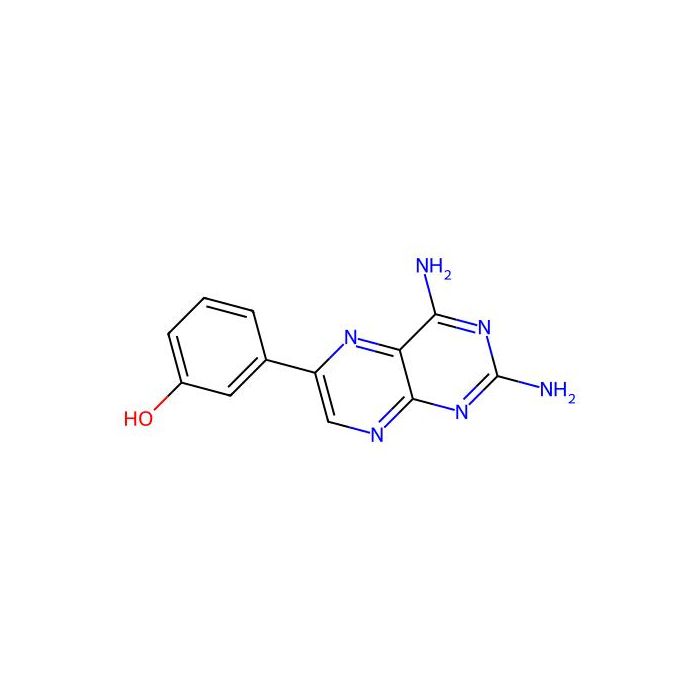
Brief overview: TG 100713 (CAS 925705-73-3) is listed in our Moligand collection of bioactive small molecules. Item-specific structural identifiers are limited in this listing.
Product name: TG 100713
CAS: 925705-73-3
PubChem CID: 17751063 (literature identifier)
InChIKey: Not specified for this item; refer to CoA/Spec Sheet.
SMILES: Not specified for this item; refer to CoA/Spec Sheet.
Molecular formula: Not specified for this item; refer to CoA/Spec Sheet.
Molecular weight: Not specified for this item; refer to CoA/Spec Sheet.
Structural features
Item-specific ring systems, functional groups, and stereochemistry: Not specified for this item.
General note (literature context): Compounds in the TG-series are typically heteroaromatic, kinase-pathway-focused small molecules used as research tools. Precise functional groups for TG 100713 should be verified against the primary literature or supplier CoA.
2D structure (verbal description)
Not provided in this listing. If you require a structural rendering, consult PubChem CID 17751063 or request the structure file from our technical support along with the CoA.
Synthetic Utility
TG 100713 is supplied as a bioactive small molecule for screening and mechanistic studies and is not generally used as a synthetic reagent or building block in routine organic synthesis.
Functional-group reactivity, protecting-group strategies, and cross-coupling behavior are not defined for this item in our documentation.
If derivatization is of interest (e.g., probe development, biotinylation, or photoaffinity analogs), consult the primary structure (CoA or literature) to identify functional handles and assess feasibility of late-stage diversification.
Purification and analytics: For any custom modifications, plan for reversed-phase preparative chromatography and comprehensive characterization (1H/13C NMR, HRMS, and purity by UPLC) to ensure probe-grade quality.
Item-specific synthetic transformations or named-reaction relevance: Not specified for this item.
Target Specificity
Item-specific biological target(s), binding constants, and selectivity data are not provided in this listing.
Not specified for this item; refer to CoA/Spec Sheet and peer-reviewed literature (search by CAS 925705-73-3 or PubChem CID 17751063) for any available target/assay data.
If used as a probe, independently confirm target engagement in your system using orthogonal methods (e.g., CETSA, NanoBRET, chemoproteomics) before drawing mechanistic conclusions.
Foire aux questions
What is Moligand??
Moligand? is one of Aladdin Scientific's premium product lines, formulated for high-purity applications across multiple workflows. Compared to standard grades in the same workflow, Moligand? products typically offer tighter specifications, more rigorous QC, and stronger lot-to-lot consistency.
How should this product be stored?
Store at ?80 °C, protected from light. The material is light-sensitive — keep it in its original opaque or amber container.
How is this product shipped?
This product ships frozen with dry ice and cold packs. Unpack on arrival and transfer it to the storage condition stated above; handle dry ice with insulated gloves in a ventilated area.
What are the CAS number, molecular formula and molecular weight?
The CAS Number is 925705-73-3, the molecular formula is C12H10N6, and the molecular weight is 254.25 g/mol.
What documentation is provided?
Available product documentation, including Certificates of Analysis (COA), Safety Data Sheets (SDS), and specification sheets, is shown in the product document area. Document availability and access follow the current site policy.
Need help choosing the grade?
Our grade selection guide covers purity, stabilizer status, and application suitability for all variants in our catalog.
Nous utilisons des cookies pour garantir le bon fonctionnement du site et, lorsque cela est autorisé, pour améliorer votre expérience. Vous pouvez gérer vos préférences à tout moment dans les Paramètres. Pour en savoir plus, consultez notre Politique relative aux cookies.
Souhaitez-vous que nous vous envoyions un message lorsque des réductions seront disponibles?
Me rappeler plus tard
Merci ! Veuillez vérifier votre boîte de réception e-mail pour confirmer.
Products are supplied to verified businesses, institutions, and qualified professionals for research and development use only. Not for use in humans, animals, diagnosis, or therapy.