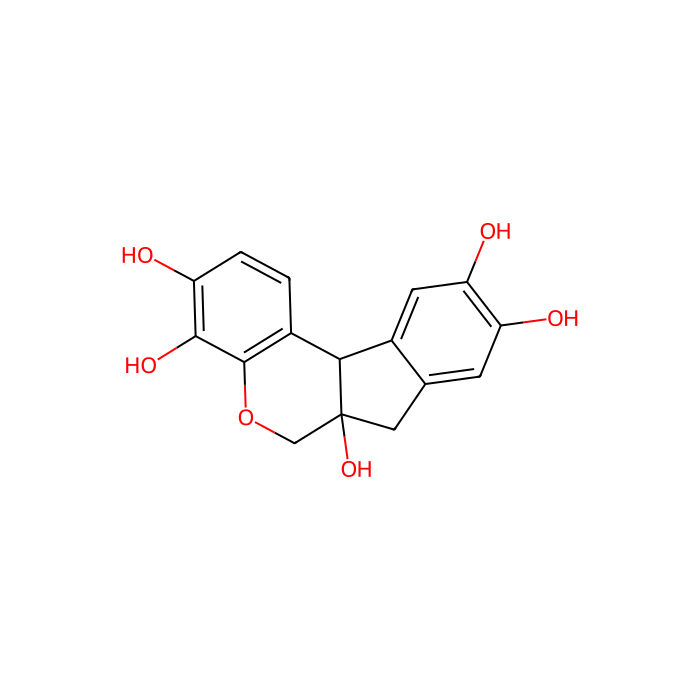
Hematoxylin - ≥98% , CAS No.517-28-2

CAS: 517-28-2 Cat. No.: H432819 Formula: C16H14O6·xH2O Molecular Weight: 302.28(as Anhydrous) Beilstein Registry Number: 17(2)273 EC Number: 208-237-3
AVAILABLE TO ORDER
GRADE & PURITY ≥98%
Synonyms
Hematoxylin, for microscopy (Hist.), indicator (pH 5.0-6.0) | NSC 270085 | NCGC00160144-01 | Q1146112 | NCI-C55889 | HSDB 4174 | Natural Black 1 | CHEBI:38384 | Hydroxybrasilin | LMPK12100063 | DTXSID8020678 | WZUVPPKBWHMQCE-XJKSGUPXSA-N | (Z)-2-dodecened
Storage
Protected from light,Room temperature
Shipped In
Normal
★
Size
Germany (EU)
USA*
Price
Qty
25g
H432819-25g
—
4 In stock
€182.14
100g
H432819-100g
—
1 In stock
€581.30
Enter a quantity for the sizes you want to add.
🧪
Why this grade

≥98% for sensitive chromatographic and analytical workflows requiring minimal baseline interference.

🌡

Storage & shipping

Protected from light,Room temperature Ships Normal Check lot-specific COA for exact specifications.

📋

Quality documents

SDS, COA, datasheet, and spec sheet available for download. Lot-specific COA accessible via lot number lookup.

📚

Literature proof

Cited in 43 peer-reviewed publications across chromatography, organic synthesis, and cross-coupling reactions.

Overview

Gene Information

rat ... Adora1(29290), Adora2a(25369)


Application

Hematoxylin has been used for staining gastric cancer tissues, myocardial tissue, heart sections and ovarian nuclei.

Specifications

Synonyms
Hematoxylin, for microscopy (Hist.), indicator (pH 5.0-6.0) | NSC 270085 | NCGC00160144-01 | Q1146112 | NCI-C55889 | HSDB 4174 | Natural Black 1 | CHEBI:38384 | Hydroxybrasilin | LMPK12100063 | DTXSID8020678 | WZUVPPKBWHMQCE-XJKSGUPXSA-N | (Z)-2-dodecened
Specifications & Purity
≥98%
Biochemical and Physiological Mechanisms
Hematoxylin is an organic stain which chelates with metal ions and binds to DNA and RNA. It is used for staining nucleus of the cells. Hematoxylin along with eosin stain is used in the diagnosis of invasion stage in tumors.
Storage
Protected from light,Room temperature
Shipped In
Normal
Purity
≥98%
Names and Identifiers
Pubchem Sid
Pubchem Sid Url
https://pubchem.ncbi.nlm.nih.gov/substance/488189793
Canonical Smiles
C1C2=CC(=C(C=C2C3C1(COC4=C3C=CC(=C4O)O)O)O)O
IUPAC Name
(6aS,11bR)-7,11b-dihydro-6H-indeno[2,1-c]chromene-3,4,6a,9,10-pentol
InChIKey
WZUVPPKBWHMQCE-XJKSGUPXSA-N
INCHI
1S/C16H14O6/c17-10-2-1-8-13-9-4-12(19)11(18)3-7(9)5-16(13,21)6-22-15(8)14(10)20/h1-4,13,17-21H,5-6H2/t13-,16+/m0/s1
Isomeric SMILES
C1C2=CC(=C(C=C2[C@H]3[C@@]1(COC4=C3C=CC(=C4O)O)O)O)O
WGK Germany
3
RTECS
MH7875000
Molecular Weight
302.28(as Anhydrous)
Beilstein
17(2)273
Reaxy-Rn
91399
Reaxys-RN_link_address
https://www.reaxys.com/reaxys/secured/hopinto.do?context=S&query=IDE.XRN=91399&ln=

Documentation

📋 Safety Data Sheet (SDS)

Comprehensive hazard, handling, storage, and regulatory compliance document.

Download SDS →

✅ Certificate of Analysis (COA)

Lot-specific quality data. Enter your lot number to retrieve the exact COA.

Look up COA →

📊 Datasheet

Quick-reference summary of product specifications and applications.

View datasheet →

🔬 Specification Sheet

Full quality attributes and acceptance criteria for this grade.

View spec sheet →

Advanced Data

Taxonomic Classification

Taxonomy Tree

KingdomOrganic compounds
SuperclassOrganoheterocyclic compounds
ClassBenzopyrans
Subclass1-benzopyrans
Intermediate Tree Nodes Not available
Direct Parent1-benzopyrans
Alternative Parents Indanes  Alkyl aryl ethers  1-hydroxy-4-unsubstituted benzenoids  1-hydroxy-2-unsubstituted benzenoids  Tertiary alcohols  Polyols  Oxacyclic compounds  Hydrocarbon derivatives  
Molecular FrameworkAromatic heteropolycyclic compounds
Substituents 1-benzopyran - Indane - 1-hydroxy-4-unsubstituted benzenoid - 1-hydroxy-2-unsubstituted benzenoid - Alkyl aryl ether - Benzenoid - Tertiary alcohol - Oxacycle - Polyol - Ether - Organic oxygen compound - Hydrocarbon derivative - Organooxygen compound - Alcohol - Aromatic heteropolycyclic compound
DescriptionThis compound belongs to the class of organic compounds known as 1-benzopyrans. These are organic aromatic compounds that 1-benzopyran, a bicyclic compound made up of a benzene ring fused to a pyran, so that the oxygen atom is at the 1-position.
External Descriptors Neoflavonoids
3D Structure
Interactive Chemical Structure Model


Associated Targets(Human)
EGFR Tclin Epidermal growth factor receptor erbB1 (33727 Activities)
Activity TypeRelationActivity valueUnitsAction TypeJournalPubMed IddoiAssay Aladdin ID
VDR Tclin Vitamin D receptor (26531 Activities)
Activity TypeRelationActivity valueUnitsAction TypeJournalPubMed IddoiAssay Aladdin ID
ERBB2 Tclin Receptor protein-tyrosine kinase erbB-2 (7851 Activities)
Activity TypeRelationActivity valueUnitsAction TypeJournalPubMed IddoiAssay Aladdin ID
KIT Tclin Stem cell growth factor receptor (10667 Activities)
Activity TypeRelationActivity valueUnitsAction TypeJournalPubMed IddoiAssay Aladdin ID
FGFR2 Tclin Fibroblast growth factor receptor 2 (3405 Activities)
Activity TypeRelationActivity valueUnitsAction TypeJournalPubMed IddoiAssay Aladdin ID
FGFR1 Tclin Fibroblast growth factor receptor 1 (9149 Activities)
Activity TypeRelationActivity valueUnitsAction TypeJournalPubMed IddoiAssay Aladdin ID
SRC Tclin Tyrosine-protein kinase SRC (10310 Activities)
Activity TypeRelationActivity valueUnitsAction TypeJournalPubMed IddoiAssay Aladdin ID
FLT1 Tclin Vascular endothelial growth factor receptor 1 (6262 Activities)
Activity TypeRelationActivity valueUnitsAction TypeJournalPubMed IddoiAssay Aladdin ID
KDR Tclin Vascular endothelial growth factor receptor 2 (20924 Activities)
Activity TypeRelationActivity valueUnitsAction TypeJournalPubMed IddoiAssay Aladdin ID
MET Tclin Hepatocyte growth factor receptor (10718 Activities)
Activity TypeRelationActivity valueUnitsAction TypeJournalPubMed IddoiAssay Aladdin ID
EPHB2 Tchem Ephrin type-B receptor 2 (1899 Activities)
Activity TypeRelationActivity valueUnitsAction TypeJournalPubMed IddoiAssay Aladdin ID
MOLT-4 (49676 Activities)
Activity TypeRelationActivity valueUnitsAction TypeJournalPubMed IddoiAssay Aladdin ID
APEX1 Tchem DNA-(apurinic or apyrimidinic site) lyase (38016 Activities)
Activity TypeRelationActivity valueUnitsAction TypeJournalPubMed IddoiAssay Aladdin ID
TDP1 Tchem Tyrosyl-DNA phosphodiesterase 1 (345557 Activities)
Activity TypeRelationActivity valueUnitsAction TypeJournalPubMed IddoiAssay Aladdin ID
KDM4E Tchem Lysine-specific demethylase 4D-like (40243 Activities)
Activity TypeRelationActivity valueUnitsAction TypeJournalPubMed IddoiAssay Aladdin ID
RECQL Tbio ATP-dependent DNA helicase Q1 (5575 Activities)
Activity TypeRelationActivity valueUnitsAction TypeJournalPubMed IddoiAssay Aladdin ID
HPGD Tchem 15-hydroxyprostaglandin dehydrogenase [NAD+] (24926 Activities)
Activity TypeRelationActivity valueUnitsAction TypeJournalPubMed IddoiAssay Aladdin ID
SLCO1B1 Tchem Solute carrier organic anion transporter family member 1B1 (2672 Activities)
Activity TypeRelationActivity valueUnitsAction TypeJournalPubMed IddoiAssay Aladdin ID
SLCO1B3 Tchem Solute carrier organic anion transporter family member 1B3 (2517 Activities)
Activity TypeRelationActivity valueUnitsAction TypeJournalPubMed IddoiAssay Aladdin ID
RUNX1 Tbio Runt-related transcription factor 1/Core-binding factor subunit beta (7867 Activities)
Activity TypeRelationActivity valueUnitsAction TypeJournalPubMed IddoiAssay Aladdin ID
Associated Targets(non-human)
Mapk1 MAP kinase ERK2 (650 Activities)
Activity TypeRelationActivity valueUnitsAction TypeJournalPubMed IddoiAssay Aladdin ID
Hdac6 Histone deacetylase 6 (222 Activities)
Activity TypeRelationActivity valueUnitsAction TypeJournalPubMed IddoiAssay Aladdin ID
Pkm Pyruvate kinase isozymes M1/M2 (66 Activities)
Activity TypeRelationActivity valueUnitsAction TypeJournalPubMed IddoiAssay Aladdin ID
Human immunodeficiency virus 1 (70413 Activities)
Activity TypeRelationActivity valueUnitsAction TypeJournalPubMed IddoiAssay Aladdin ID
Pxn Paxillin (2 Activities)
Activity TypeRelationActivity valueUnitsAction TypeJournalPubMed IddoiAssay Aladdin ID
rep Replicase polyprotein 1ab (378 Activities)
Activity TypeRelationActivity valueUnitsAction TypeJournalPubMed IddoiAssay Aladdin ID
Mapt Microtubule-associated protein tau (6 Activities)
Activity TypeRelationActivity valueUnitsAction TypeJournalPubMed IddoiAssay Aladdin ID
fba Putative fructose-1,6-bisphosphate aldolase (15559 Activities)
Activity TypeRelationActivity valueUnitsAction TypeJournalPubMed IddoiAssay Aladdin ID
ffp 4'-phosphopantetheinyl transferase ffp (24982 Activities)
Activity TypeRelationActivity valueUnitsAction TypeJournalPubMed IddoiAssay Aladdin ID
SARS-CoV-2 (38078 Activities)
Activity TypeRelationActivity valueUnitsAction TypeJournalPubMed IddoiAssay Aladdin ID
Mechanisms of Action
Certificates(CoA,COO,BSE/TSE and Analysis Chart)
C of A & Other Certificates(BSE/TSE, COO):
Analytical Chart:

Find and download the COA for your product by matching the lot number on the packaging.

6 results found

Lot NumberCertificate TypeDateItem
A2402107Certificate of AnalysisSep 22, 2026 H432819
A2402108Certificate of AnalysisSep 22, 2026 H432819
D2326688Certificate of AnalysisApr 12, 2023 H432819
D2326692Certificate of AnalysisApr 12, 2023 H432819
D2326698Certificate of AnalysisApr 12, 2023 H432819
D2326703Certificate of AnalysisApr 12, 2023 H432819
Chemical and Physical Properties
Solubility95% ; ethanol: 1mg/mL
SensitivityLight sensitive
x_melt_point_char200°C
Molecular Weight302.280 g/mol
XLogP31.200
Hydrogen Bond Donor Count5
Hydrogen Bond Acceptor Count6
Rotatable Bond Count0
Exact Mass302.079 Da
Monoisotopic Mass302.079 Da
Topological Polar Surface Area110.000 Ų
Heavy Atom Count22
Formal Charge0
Complexity444.000
Isotope Atom Count0
Defined Atom Stereocenter Count2
Undefined Atom Stereocenter Count0
Defined Bond Stereocenter Count0
Undefined Bond Stereocenter Count0
The total count of all stereochemical bonds0
Covalently-Bonded Unit Count1
FAQs and Articles
Oil Red O Staining Protocol
Hematoxylin–Eosin (H&E) Staining Standard Operating Procedure (SOP)
PAS Staining (Periodic Acid–Schiff, PAS) Standard Operating Procedure (SOP)
Masson’s Trichrome Stain (Masson’s Trichrome) Standard Operating Procedure (SOP)
Physicochemical Properties, Staining Mechanisms, and Practical Application Specifications of Hematoxylin
Methodological essentials for mineralization visualization: Alizarin Red S staining vs. Von Kossa silver staining
Applications and Comparison of Histological Counterstaining, Collagen Evaluation, and Protein Staining Methods
Staining-Based Differentiation of Collagen Fibers, Muscle Fibers, and Fibrin in Tissue Sections
Functional Distinction among Orange G-6, EA36, and EA50 in the Papanicolaou Staining System
Types, Binding Mechanisms, and Experimental Selection of Nuclear Dyes
Neuropathological Mechanisms of Cerebral Infarction
Establishment and Evaluation Methods of Diabetic Animal Models
Elastic Fiber Staining Methods: Comparison of Orcein, Verhoeff, Weigert, and Victoria Blue Methods
Histological Staining Methods for Identifying Hepatitis B Virus: Comparison of HE, Orcein, Aldehyde Fuchsin, Victoria Blue, Immunohistochemistry, and In Situ Hybridization
Analysis of Classical Histological Special Staining Systems: Application Selection of PTAH, Masson, VG, Elastic Fiber Staining, and Reticular Fiber Staining
Citations of This Product
Solution Calculators
Reviews

Customer Reviews

Application Protocols

The following are generalized research protocols for hematoxylin-based staining. They are literature-based and not product-specific. Always optimize for your specimens.

  • Progressive Mayer’s hematoxylin (outline)

    1. Dewax/hydrate sections through xylene and graded ethanols to water.
    2. Stain in Mayer’s hematoxylin (oxidized with NaIO3; alum mordant) for 5–10 min.
    3. Rinse in running tap water; blue in alkaline solution (e.g., Scott’s) for 30–60 s; rinse.
    4. Counterstain with eosin; dehydrate, clear, mount.
  • Regressive Harris-type (alcoholic) hematoxylin

    1. Stain 3–5 min in Harris hematoxylin.
    2. Rinse; differentiate in 0.5–1% acid alcohol until background clears.
    3. Rinse; blue in alkaline solution; proceed to eosin and mounting.
  • Iron hematoxylin (Weigert’s) for robust nuclear staining

    1. Mordant with Fe3+ solution; stain with iron–hematoxylin mixture.
    2. Differentiate as needed; blue and continue with counterstain.

Notes

  • Filter solutions before use; track bath age.
  • Times vary with tissue, fixation, and solution strength; verify with control slides.
  • For cryosections, shorten stain times to avoid overexposure.
Biological Roles

Hematoxylin itself is not a native metabolite in mammalian systems. It is a natural product obtained from logwood (Haematoxylum campechianum) and is used in research histology following oxidation to hematein.

  • Biological interactions (general)

    • After oxidation to hematein, it forms coordination complexes with metal ions (e.g., Al3+, Fe3+). These complexes bind strongly to nucleic acids and nuclear components in fixed tissues, providing selective nuclear coloration in research staining protocols.
    • Binding is influenced by pH, ionic strength, and the presence of mordants; specificity arises from tissue chemistry rather than a defined biomolecular receptor.
  • Metabolism/toxicity

    • No established role in human metabolism. Toxicology is limited; handle as a laboratory dye with standard precautions.
  • Environmental note

    • Being a phenolic dye precursor, it can contribute to colored effluent; treat dye-containing waste appropriately to avoid environmental discharge.

This section is provided for biochemical context only; it does not imply therapeutic or diagnostic use.

Buffer Applications

Hematoxylin is not a buffering agent. However, buffer systems are critical in its research staining performance after oxidation to hematein.

  • Typical buffered systems (literature)

    • Mayer’s hematoxylin: alum (Al2(SO4)3), sodium iodate (controlled oxidant), and citrate or phosphate buffering to mildly acidic pH; yields progressive nuclear staining.
    • Harris hematoxylin: alum mordant, oxidized; often used in regressive staining with acid alcohol differentiation.
    • Bluing solutions: mildly alkaline solutions (e.g., ammonia water, Scott’s tap water substitute, sodium bicarbonate) shift dye–mordant complex to the blue form.
  • Practical buffer considerations

    • Maintain consistent ionic strength and pH to control rate and selectivity of nuclear staining.
    • Filter working solutions to remove precipitates; monitor bath age and oxidation state.

Note: Hematoxylin itself does not set buffer pH; select buffer components based on your chosen staining method.

Green Alternatives

Greener practice with hematoxylin focuses on solvent choice, oxidants, and mordant/toxicant avoidance rather than substituting the chromophore itself.

  • Solvent choices

    • Prefer aqueous or aqueous–glycol systems over high-percentage ethanol or xylene where feasible.
    • Use ethylene glycol–stabilized formulations (e.g., Gill-type) to reduce volatile organic content and extend bath life.
  • Oxidants and additives

    • Favor sodium iodate (NaIO3) as a controlled oxidant over historically used mercuric oxide (HgO) or sodium periodate where waste impact is higher.
    • Avoid chromium- or mercury-containing additives.
  • Clearing and counterstains

    • Replace xylene with less hazardous aliphatic hydrocarbon mixtures or citrus terpenes where instrumentation/protocols permit.

Comparison (general guidance)

  • Conventional alcoholic Harris-type vs Aqueous Mayer-type
    • VOCs: higher vs lower
    • Hazard profile: flammable vs largely nonflammable
    • Control: rapid staining vs gentler, more controlled staining

Trade-offs: Aqueous systems may need tighter pH/oxidant control and have different shelf-lives; alcoholic systems offer faster penetration but increase VOC exposure.

Pharmaceutical Uses

Hematoxylin is not typically used as a pharmaceutical excipient or in drug formulations.

  • Role in regulated contexts (general)

    • Primarily a research-grade histological stain component. Some pharmacopeial monographs reference hematein or alum-hematoxylin solutions for staining tests, but these are analytical/research uses rather than formulation excipients.
  • Manufacturing relevance

    • Limited to analytical/histological quality control stains in research or non-clinical settings.

No therapeutic, diagnostic, or clinical claims are made for this product.

Physical Properties

Item-specific specifications are not provided. Where useful, literature values are given for context only (not product specifications).

  • Melting point: ~131–135 °C (literature; may darken/oxidize near melt)
  • Boiling point: not applicable (decomposes before boiling; literature)
  • Appearance: Not specified for this item; refer to CoA/Spec Sheet.
  • Molecular weight: ~302.28 g/mol (literature)
  • Solubility (qualitative, literature)
    • Sparingly soluble in water; increased solubility in hot water
    • Soluble in ethanol, methanol; limited solubility in nonpolar solvents
    • Forms soluble complexes in presence of metal salts (post-oxidation to hematein)
  • pKa: multiple phenolic pKa values typically in the ~7–10 range (literature; exact values depend on oxidation state and medium)
  • Partition behavior: polyphenolic, expected low logP in neutral water and pH-dependent ionization (literature)
  • Stability considerations (literature)
    • Air-oxidizes to hematein; rate increases with light, heat, and alkaline pH
    • Sensitive to strong oxidizers and prolonged exposure to light (color change)

For definitive product-specific values (e.g., exact solubility, water content, UV cutoff, refractive index), consult the CoA/Spec Sheet.

Quality and Grades
  • Item-specific grade/purity: Not specified for this item; refer to CoA/Spec Sheet.

  • Interpreting common grades for hematoxylin (general guidance)

    • Biological stain grade: indicates suitability for histological research staining; often controlled for contaminant dyes and oxidation state.
    • Certified dye (e.g., CI 75290/CI name for hematein complexes): may indicate compliance with recognized staining performance tests.
    • HPLC/low-UV grade is typically not relevant for this dye precursor; UV background is inherent.
  • Stabilizers/oxidation state

    • Some suppliers offer stabilized hematoxylin or premixed formulations (e.g., with sodium iodate as controlled oxidant). If stabilizers are present, they influence shelf-life and staining kinetics. Not specified for this item; refer to CoA/Spec Sheet.
  • Batch-to-batch considerations (general)

    • Color strength depends on oxidation level (hematoxylin vs hematein) and trace metal content.
    • For reproducible staining, many labs standardize against a reference slide and adjust ripening/oxidant levels accordingly.

Always verify the exact grade, assay, and additives for this catalog number on the CoA before critical applications.

Reaction and Applications

Primary laboratory use is as a research histological stain component; hematoxylin is oxidized to hematein, which forms colored complexes with metal mordants.

  • Research staining applications (general; expand on catalog use)

    • Hematoxylin-eosin (H&E) staining: nuclear basophilia visualized by hematein–Al3+ complexes; eosin counterstains cytoplasm.
    • Specialized variants: Mayer’s (alum, sodium iodate), Harris (alum, oxidant), Gill’s (ethylene glycol stabilized), Weigert’s (iron mordant for regressive methods).
  • Chemical transformations (literature)

    • Oxidation: hematoxylin → hematein via air, sodium iodate, or other oxidants; controls dye activity and shade.
    • Metal complexation: hematein complexes with Al3+, Fe3+, etc., producing color-fast lakes used in stains.
    • Phenolic reactivity: can undergo etherification/esterification or oxidative coupling under strong conditions, though this is uncommon in routine lab use.
  • Practical notes

    • Control oxidation stoichiometry to manage background and contrast.
    • Filter solutions to remove precipitates; track bath age and replenish oxidant as needed.
    • "Bluing" in mildly alkaline solution converts the dye–mordant complex to its blue form and stabilizes nuclear contrast.

All uses are for research and laboratory staining; no clinical or diagnostic claims are made for this product.

Reaction Conditions

General, literature-based guidance for the main transformations relevant to hematoxylin use. Not product specifications.

  • Oxidation to hematein

    • Mild oxidants: sodium iodate (typical) or atmospheric oxygen (“ripening”); historical oxidants include mercuric oxide (avoid for safety/environment).
    • Conditions: aqueous or alcoholic solution, ambient temperature to ~40 °C; monitor color shift (reddish-brown → purple) and test staining on control sections.
    • Stoichiometry: sub-stoichiometric NaIO3 provides controlled, partial oxidation; exact amounts vary by formulation.
  • Formation of alum-hematoxylin (Al3+ complex)

    • Dissolve Al2(SO4)3 in water, add oxidized dye, adjust to mildly acidic pH; allow complex to mature; filter before use.
  • Iron hematoxylin (Fe3+ complex)

    • Use FeCl3 or Fe(NH4)(SO4)2 as mordant; typically for regressive staining where strong nuclear contrast is needed.
  • Bluing step

    • Short immersion (seconds to minutes) in mildly alkaline solutions (e.g., 0.1–0.2% ammonia water or Scott’s tap water substitute) to convert to the blue chromophore.

Yields are not generally expressed; endpoint is functional staining performance on control tissues.

Safety and Handling

Item-specific GHS classification and hazard statements are not provided in the Product Data. Always review the product SDS for authoritative safety information.

  • GHS and pictograms: Not specified for this item; refer to SDS.
  • General hazards (literature/good practice)
    • Low-volatility polyphenolic solid/dye precursor; may cause skin/eye irritation and staining.
    • Oxidation to hematein can be catalyzed by light/air; solutions may slowly change composition over time.
  • Personal protective equipment (standard laboratory practice)
    • Lab coat, safety glasses or goggles, appropriate chemical-resistant gloves (e.g., nitrile)
    • Use in a well-ventilated area; avoid inhalation of dust and contact with skin/eyes
  • Handling tips
    • Minimize light exposure to limit premature oxidation.
    • Prepare solutions fresh when possible; label date and oxidation state if relevant to your protocol.
  • Incompatibilities (general)
    • Strong oxidizers (uncontrolled oxidation); strong bases (accelerated oxidation/discoloration); strong acids (possible hydrolysis of formulations)
    • Metal salts will form complexes after oxidation; this is desired in mordanting but may be undesired in other contexts.
  • First aid (overview; defer to SDS)
    • Eye/skin contact: rinse with water for several minutes; remove contaminated clothing; seek medical evaluation if irritation persists
    • Inhalation: move to fresh air
    • Ingestion: rinse mouth; seek medical attention

Waste disposal: Dispose of dye-containing solutions and metal-mordanted mixtures per institutional and local regulations.

Solvent Selection

Hematoxylin is a polyphenolic dye precursor with modest aqueous solubility and good solubility in polar protic organic solvents.

  • Polarity and miscibility (literature)

    • Preferred solvents: ethanol, methanol, warm water; limited solubility in nonpolar solvents
    • Aqueous systems: often used with buffers and salts after oxidation to hematein for mordant complex formation
  • Choosing solvent systems (research histology)

    • Alcoholic stock solutions allow high concentration, long-term stability (protected from light) and easy dosing into aqueous staining baths.
    • Aqueous formulations (e.g., Mayer’s, Harris-type) offer greener profiles and are ready-to-use for nuclear staining after controlled oxidation.
  • Comparison (general)

    • Alcoholic solutions: faster wetting on hydrophobic tissue sections; may extract lipids.
    • Aqueous buffered solutions: gentler on tissue morphology; reduced solvent hazards; require careful pH and oxidant control.
  • Practical tips

    • Warm gently to aid dissolution; avoid strong base.
    • If preparing mordant dyes, dissolve mordant (Al3+, Fe3+) in water first, then add oxidized dye to ensure complexation.
Storage and Reconstitution
  • Storage (Product Data)

    • Conditions: Protected from light, Room temperature
    • Shipped in: Normal
  • Stability notes (general)

    • Limit light and air exposure to reduce premature oxidation to hematein.
    • Tightly cap containers; consider using amber glass for solutions.
  • Reconstitution and solution preparation (general guidance; not item-specific)

    • Solvents: dissolve in ethanol, methanol, or warm water depending on intended use.
    • Typical stock approach: prepare a concentrated alcoholic stock, then dilute into aqueous mordant/buffer immediately before use.
    • Oxidation: add a controlled amount of sodium iodate to ripen to hematein as required by your staining protocol.
    • Filtration: filter through medium porosity paper to remove particulates/precipitates.
  • Shelf life

    • Working solutions have finite life due to ongoing oxidation and precipitation; monitor performance with control slides and refresh as needed.

For any item-specific reconstitution concentration, stabilizers, or shelf-life, refer to the CoA/Spec Sheet. All uses are for research only.

Structure and Identity

Hematoxylin is a natural phenolic dihydroxyxanthenoid dye precursor widely used in histology after oxidation to hematein.

  • Item identifiers (Product Data)

    • CAS: 517-28-2
    • SKU: H432819
    • InChIKey: Not specified for this item; refer to CoA/Spec Sheet.
    • SMILES: Not specified for this item; refer to CoA/Spec Sheet.
  • Literature structural identifiers and formula (for reference; not item-specific)

    • Molecular formula: C16H14O6 (literature)
    • Molecular weight: ~302.28 g/mol (literature)
    • Common synonym: Natural black dye constituent from Haematoxylum campechianum; precursor of hematein (oxidized form)
  • Structural features (general chemistry)

    • Polyphenolic framework with multiple phenolic –OH groups capable of hydrogen bonding and metal coordination after oxidation to hematein.
    • Fused ring system giving a rigid, planar aromatic scaffold; capable of forming lake pigments with Al3+ or Fe3+ (mordants).
    • Oxidation-sensitive: hematoxylin (reduced) → hematein (oxidized), which is the active chromophore in most staining formulations.
    • 2D description: two hydroxylated aromatic rings connected through a central cyclic scaffold; dense phenolic substitution on both rings.

Note: Exact stereochemical descriptors and canonical line notations for this specific lot are not provided in the Product Data.

Synthetic Utility

While hematoxylin is predominantly a staining reagent precursor, its chemical features afford some synthetic possibilities.

  • Functional group landscape (general chemistry)

    • Multiple phenolic hydroxyl groups enable etherification, esterification, and metal-chelation post-oxidation.
    • The aromatic, polyphenolic scaffold can undergo electrophilic substitution under carefully controlled conditions.
  • Transformations (literature)

    • Controlled oxidation to hematein (active chromophore) using air or mild oxidants (e.g., NaIO3) is the most relevant transformation.
    • Complexation with Al3+ or Fe3+ yields lake pigments central to histological staining.
  • Retrosynthetic value

    • Limited as a building block in mainstream organic synthesis due to its dense functionality and oxidation sensitivity; more commonly leveraged for coordination chemistry and colorant science studies.
  • Practical tip

    • Protect phenolic groups if derivatization is intended; strictly control pH and oxygen exposure to avoid unintended oxidation during multistep chemistry.
Target Specificity

Not applicable. Hematoxylin is a chemical stain precursor, not a biological targeting reagent. It binds nucleic acids indirectly via metal–dye complexes (e.g., Al3+, Fe3+) under controlled pH but does not possess antigen or receptor specificity.

Frequently Asked Questions

How is this product shipped?
This product ships under standard ambient conditions. No temperature-controlled packaging is required.
What is the purity of this product?
This product is supplied at ≥98% purity (chemical assay). Lot-specific values are stated on the Certificate of Analysis.
How should this product be stored?
Store at room temperature, protected from light. The material is light-sensitive — keep it in its original opaque or amber container.
What are the CAS number, molecular formula and molecular weight?
The CAS Number is 517-28-2, the molecular formula is C16H14O6·xH2O, and the molecular weight is 302.28(as Anhydrous) g/mol. InChIKey WZUVPPKBWHMQCE-XJKSGUPXSA-N.
What documentation is provided?
Available product documentation, including Certificates of Analysis (COA), Safety Data Sheets (SDS), and specification sheets, is shown in the product document area. Document availability and access follow the current site policy.

Shall we send you a message when we have discounts available?

Remind me later

Thank you! Please check your email inbox to confirm.

Oops! Notifications are disabled.