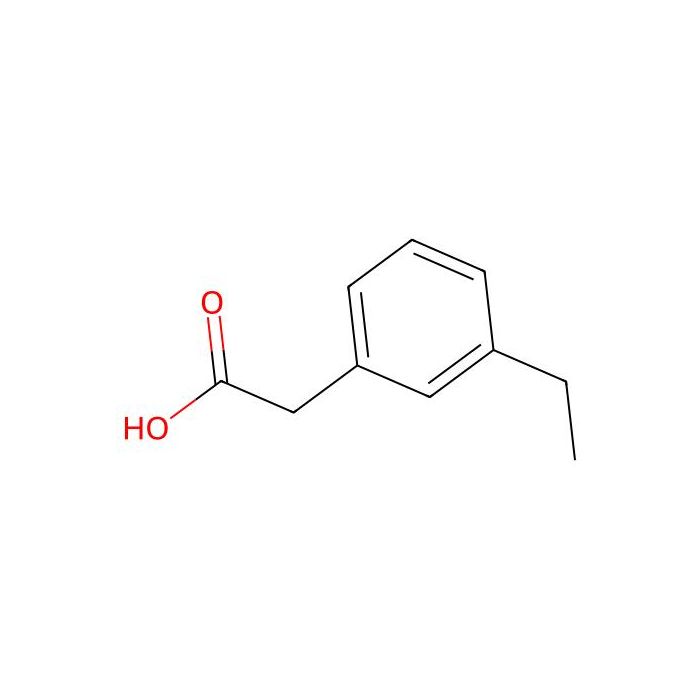
This compound belongs to the class of organic compounds known as benzene and substituted derivatives. These are aromatic compounds containing one monocyclic ring system consisting of benzene.
External Descriptors
Not available
1. Djoumbou Feunang Y, Eisner R, Knox C, Chepelev L, Hastings J, Owen G, Fahy E, Steinbeck C, Subramanian S, Bolton E, Greiner R, and Wishart DS. ClassyFire: Automated Chemical Classification With A Comprehensive, Computable Taxonomy. Journal of Cheminformatics, 2016, 8:61.
Certificati (CoA, COO, BSE/TSE e tabella di analisi)
C of A & Other Certificates(BSE/TSE, COO):
Analytical Chart:
Proprietà chimiche e fisiche
Peso molecolare
164.200 g/mol
XLogP3
2.400
Hydrogen Bond Donor Count
1
Hydrogen Bond Acceptor Count
2
Rotatable Bond Count
3
Exact Mass
164.084 Da
Monoisotopic Mass
164.084 Da
Topological Polar Surface Area
37.300 Ų
Heavy Atom Count
12
Formal Charge
0
Complexity
154.000
Isotope Atom Count
0
Defined Atom Stereocenter Count
0
Undefined Atom Stereocenter Count
0
Defined Bond Stereocenter Count
0
Undefined Bond Stereocenter Count
0
The total count of all stereochemical bonds
0
Covalently-Bonded Unit Count
1
Calcolatori di soluzioni
Molarity Calculator
Determine the necessary mass, volume, or concentration for preparing a solution.
Dilution Calculator
Determine the dilution needed to prepare a stock solution.
Reconstitution Calculator
Recensioni
Recensioni dei clienti
Application Protocols
No standardized bioassay or immunoassay protocols apply to this small-molecule reagent.
Synthetic use examples (general, not item-specific specifications)
Amide library synthesis: Dissolve acid and amine (1.1 eq) in 2-MeTHF; add DMTMM (1.1–1.5 eq) at rt; stir until completion by LC–MS; quench with water; extract and purify by flash chromatography.
Ester formation for protection: Combine acid, alcohol (1.5 eq), DCC (1.2 eq), and catalytic DMAP in DCM at 0 °C → rt; filter DCU and concentrate; purify by silica.
RAE preparation and photoredox coupling: Activate with EDC/NHS in DCM; isolate the NHS ester; couple under blue LEDs with Ni catalyst and coupling partner in MeCN.
For any application requiring precise parameters or compatibility, perform a small-scale screen and consult the primary literature. Refer to the product’s CoA/SDS for handling and safety guidance.
Biological Roles
Item-specific
None provided; For research use only.
Literature/general context (informational; not clinical)
2-(3-Ethylphenyl)acetic acid is a synthetic arylacetic acid. While the phenylacetic acid core can be encountered in metabolism (e.g., phenylalanine/phenylacetate pathways in certain microbes and mammals), this specific 3-ethyl-substituted derivative is not known as a natural metabolite and has no established endogenous biological role.
In chemical biology and medicinal chemistry, arylacetic acids often serve as scaffolds or acidic handles for conjugation to amines (amide linkages) or alcohols (ester linkages), enabling probe or pro-moiety installation for in vitro studies.
Physicochemical implications: the carboxylate can mediate salt-bridge interactions in protein-binding studies, whereas the aromatic/ethyl substituent modulates hydrophobic contacts. Such effects are context-dependent and require empirical validation.
Metabolic expectations (general): esters and amides derived from arylacetic acids can undergo hydrolysis (esterases, amidases) and the benzylic position may be susceptible to oxidative metabolism in biological systems; specifics for this compound have not been established.
No medical, diagnostic, or therapeutic use is implied; any biological testing should be performed under appropriate institutional approvals and safety reviews.
Buffer Applications
This compound is a monofunctional carboxylic acid, not a dedicated buffer component. It is not typically used to formulate laboratory buffer systems.
Practical note: The conjugate base (carboxylate) does exhibit acid–base behavior near its pKa, but due to limited water solubility of the neutral acid and lack of defined buffering range/composition standards, conventional buffer systems (e.g., acetate, phosphate, Tris, HEPES) are preferred.
If handling in aqueous media is required, dissolve as the sodium or potassium salt formed in situ with NaHCO3/NaOH; this is for solubilization, not buffering.
Green Alternatives
Greener choices by operation (general literature guidance)
| Operation | Conventional choice | Greener/safer alternative | Trade-offs |
|---|---|---|---|
| Esterification (Steglich) | DCM, DCC | 2-MeTHF or EtOAc; DMTMM or CDI | DMTMM/CDI reduce urea waste; may alter rates/solubility. |
| Amide coupling | DMF, HATU/HOBt | 2-MeTHF/EtOAc; DMTMM or T3P in EtOAc | Lower hazard solvents; coupling efficiency depends on substrate. |
| Acid chloride formation | SOCl2, DCM | CDI activation in MeTHF; mixed anhydrides | CDI safer than SOCl2 but may be less reactive. |
| Workup/extraction | DCM | EtOAc/MTBE | Comparable partitioning; DCM offers higher density for phase split. |
| Reduction to alcohol | LAH in THF | BH3·THF (still hazardous) or catalytic hydrogenation of esters | Hydrogenation requires pressure equipment. |
General recommendations
Favor ethyl acetate or 2-MeTHF over chlorinated solvents where feasible.
Use water-tolerant coupling systems (DMTMM, T3P) to minimize hazardous byproducts and simplify purification.
Employ solvent recycling and in-process salt switching to reduce solvent volumes.
For photoredox decarboxylations, organic photocatalysts (e.g., 4CzIPN) in MeCN/MeOH mixtures can avoid precious metals.
Pharmaceutical Uses
Item-specific
No pharmacopeial grade or excipient status provided. Grade/Purity: Not specified for this item; refer to CoA/Spec Sheet.
General formulation/manufacturing context (no therapeutic claims)
Arylacetic acids are common synthetic intermediates in the preparation of candidate drug molecules, where the acid serves as a functional handle for amide or ester formation. 2-(3-Ethylphenyl)acetic acid can be used to introduce the 3-ethylbenzyl motif with an acidic terminus into screening libraries.
Salt and ester derivatives may be leveraged transiently to modulate solubility, crystallinity, or processability during API intermediate handling (e.g., convert to methyl/ethyl esters for distillation or crystallization, then hydrolyze back to the acid).
Process chemistry notes: Avoid uncontrolled use of hazardous coupling additives (e.g., HOBt) at scale; consider DMTMM, T3P, or CDI for safer operations. Employ solvent swaps to greener media where feasible.
Regulatory: There is no indication this product complies with USP/EP/JP monographs. For any cGMP or clinical manufacturing use, a dedicated quality assessment and qualification would be required; this catalog item is for research use only.
Physical Properties
Item-specific (from Product Data)
Appearance: Not specified for this item; refer to CoA/Spec Sheet.
Grade/Purity: Not specified for this item; refer to CoA/Spec Sheet.
Literature/general expectations for arylacetic acids of this structure (informational; not item specifications)
Phase at ambient conditions: typically a low-melting solid or viscous oil for substituted phenylacetic acids; exact MP/BP not confirmed for this item.
Acidity: carboxylic acids of the phenylacetic series have pKa around 4.2–4.5 (literature, compound-dependent). 2-(3-Ethylphenyl)acetic acid is expected to be in this range.
Solubility profile: sparingly soluble in water as the neutral acid; readily soluble in common organic solvents (e.g., dichloromethane, ethyl acetate, methanol, ethanol, acetone). Forms water-soluble salts with alkali/alkaline-earth bases (e.g., NaHCO3, Na2CO3, NaOH).
Polarity/partitioning: aromatic ring plus short alkyl substituent confer moderate hydrophobicity; carboxyl group provides ionizable functionality for pH-dependent partitioning.
Odor: many arylacetic acids have weak aromatic odors; specific sensory properties not established here.
Density, refractive index, UV cutoff, metals, residual solvents: Not specified for this item; refer to CoA/Spec Sheet.
Practical notes
The benzylic methylene can hydrogen-bond intramolecularly to the acid; solid-state packing and melting behavior may vary with exact substitution pattern.
Solubility in aqueous media increases markedly above pH ~6 as the carboxylate salt forms.
Quality and Grades
Item-specific (from Product Data)
Grade/Purity: Not specified for this item; refer to CoA/Spec Sheet.
Stabilizers/Inhibitors: Not specified for this item; refer to CoA/Spec Sheet.
How to interpret grades (general guidance)
Research grade: Suitable for most synthetic applications; impurity profile typically controlled for organic synthesis. If chromatographic or spectroscopic sensitivity is critical, consider HPLC or LC–MS grade reagents where available.
Low-UV/HPLC grade solvents vs reagents: For this solid reagent, UV-absorbing impurities are less relevant than for solvents; however, trace metals, residual solvents, and water content can influence coupling, enolate, or photoredox steps.
Practical QC considerations for arylacetic acids (general; not item specifications)
Identity confirmation: 1H/13C NMR should show benzylic –CH2– (singlet near 3.5–3.7 ppm, solvent-dependent), aromatic multiplets, ethyl –CH2–/–CH3, and broad –CO2H proton (often exchangeable). HRMS consistent with C10H12O2.
Purity assessment: HPLC or GC (after derivatization to methyl ester) are common. Water content (Karl Fischer), residual solvents, and inorganic salts may be relevant for moisture-sensitive couplings.
Acid number/titration: Useful to assess neutralization equivalents for stoichiometric processes.
Documentation
For definitive release criteria (purity %, residual solvents, metals, water, etc.), consult the product’s CoA/Spec Sheet. Where project-specific specs are required, request a tailored CoA or additional QC testing.
Reaction and Applications
Typical roles (literature; not item-specific claims)
Versatile arylacetic acid building block for preparing benzyl-derived esters, amides, and alcohols. The meta-ethyl group subtly modulates electronics and lipophilicity relative to phenylacetic acid.
Representative transformations
Esterification: Fischer (acid-catalyzed in ROH) or Steglich (DCC/DMAP) to give 2-(3-ethylphenyl)acetates; useful for protecting the acid or tuning lipophilicity.
Amide formation: EDCI/HOBt, HATU, T3P, or DMTMM-mediated coupling to primary/secondary amines affords corresponding amides—common motifs in medicinal chemistry SAR libraries.
Acid chloride/anhydride: SOCl2 or (COCl)2 to generate the acid chloride; subsequent acylations.
Reduction: BH3·THF or LiAlH4 to primary alcohol (3-ethylbenzyl alcohol) via ester/acid reduction; further halogenation (PBr3) gives 3-ethylbenzyl bromide, a useful electrophile.
Decarboxylative functionalization: via NHPI (N-hydroxyphthalimide) redox-active esters under photoredox/Ni catalysis to forge C(sp3)–C, –N, –O bonds at the benzylic position.
α-Functionalization: After conversion to suitable auxiliaries/derivatives (e.g., Weinreb amide or via mixed anhydrides), enolate chemistry enables α-alkylation/acylation.
Practical tips
For extractions, switch acid/base: extract the acid into aqueous bicarbonate, wash organic impurities, then re-acidify to pH ~2 to recover the free acid.
During amide couplings, minimize epimerization risks of coupling partners by using mild bases (DIPEA) and fast-acting reagents (HATU, DMTMM).
For photoredox decarboxylations, preform the NHPI ester (DCC/DMAP) and use Ir(ppy)3 or organic dyes with Ni cocatalysts as appropriate (literature precedent).
Reaction Conditions
All conditions below are literature-style general guidance for arylacetic acids and should be optimized per substrate; they are not specifications for this item.
Esterification
Fischer: ROH (3–10 eq), catalytic H2SO4 or p-TsOH, reflux; use Dean–Stark in toluene for water removal. Work up by bicarbonate wash to remove residual acid.
Steglich: Alcohol (1.1–1.5 eq), DCC (1.1 eq), DMAP (0.1 eq), DCM or 2-MeTHF, 0 °C to rt. Filter urea byproduct, then purify.
Amide coupling
HATU/DIPEA in DMF or 2-MeTHF; or DMTMM in MeCN/EtOAc. Typical room to mild heat. Minimize base equivalents to reduce side reactions.
T3P (50% in EtOAc) with amine and base (DIPEA) in EtOAc or 2-MeTHF affords clean profiles and easy removal of byproducts.
Acid chloride formation
SOCl2 (2–4 eq) with catalytic DMF in DCM or toluene; 0 °C to reflux until gas evolution ceases. Distill/remove volatiles; use immediately for acylations.
Reduction to alcohol
BH3·THF (1–2 eq) at 0 °C to rt; quench carefully with MeOH/H2O. Alternatively, reduce the methyl/ethyl ester under hydrogenation (Pd/C, H2) to the alcohol via intermediate.
Decarboxylative couplings (via NHPI ester)
Form RAE with DCC/DMAP or EDC/NHS; then photoredox (blue LEDs) with Ni catalyst in MeCN/DMF or greener alternatives (MeCN/EtOAc). Introduce coupling partners (alkenes, aryl halides, amines) as required.
Safety and Handling
Item-specific (from Product Data)
GHS Classification, Signal Word, H-Statements, Pictograms: Not specified for this item; refer to SDS.
Storage Conditions: Room temperature.
General safety guidance for arylacetic carboxylic acids (informational; defer to SDS for this product)
Hazard overview: Carboxylic acids of this class are typically irritants to skin, eyes, and respiratory tract. Avoid inhalation of dust/particulates and contact with eyes/skin.
Recommended PPE: lab coat, safety glasses or chemical splash goggles, and appropriate chemically resistant gloves (e.g., nitrile). Handle in a fume hood if dust or vapors may be generated.
First aid (general):
Inhalation: Move to fresh air; seek medical attention if symptoms persist.
Skin contact: Wash with soap and water; remove contaminated clothing.
Eye contact: Rinse cautiously with water for several minutes; remove contact lenses if present and easy to do; seek medical advice if irritation continues.
Ingestion: Rinse mouth; do not induce vomiting; seek medical attention if unwell.
Incompatibilities: Strong oxidizers; strong bases (will form salts and may evolve heat upon neutralization); strong acids for esterification conditions (may be reactive with alcohols in acidic media). Avoid reactive acid chlorides/anhydrides unless intentionally derivatizing.
Reactivity/combustibility: Organic acid; combustible solid. No known propensity for peroxide formation.
Spill/cleanup: Avoid raising dust; collect mechanically and place in suitable container. Wash area with mild alkaline detergent if appropriate.
Waste: Dispose according to local regulations; neutralization to water-soluble carboxylate may facilitate aqueous work-up prior to disposal (subject to site rules).
Solvent Selection
Polarity class and miscibility (general guidance)
The neutral acid is nonpolar-to-moderately polar; it dissolves well in chlorinated solvents (DCM, chloroform), ethyl acetate, acetone, and alcohols (MeOH, EtOH). Solubility in hexanes is limited but can improve upon esterification.
The deprotonated carboxylate is water-soluble; aqueous bicarbonate/carbonate layers efficiently extract it from organic phases during workups.
Choosing solvents by task
Esterification (Fischer/Steglich): DCM, toluene, or acetonitrile for Steglich (DCC/DMAP); toluene or cyclohexane for azeotropic water removal in Fischer.
Amide coupling (EDC/HATU/DMTMM): DMF, DCM, MeCN, or 2-MeTHF depending on base/solubility; alcohol cosolvents help with poorly soluble amines.
Activation to acid chloride (SOCl2, oxalyl chloride): DCM or toluene as solvent; catalytic DMF often used to initiate.
Enolate chemistry (α-functionalization of the benzyl position after suitable activation): THF, DME, or CPME under strong base.
Comparison notes (general)
If low toxicity is prioritized, ethyl acetate and 2-MeTHF are greener alternatives to DCM/DMF for many transformations.
For chromatographic purification, EtOAc/hexanes or toluene/EtOAc systems typically provide good separation; the acid’s polarity can be moderated via in situ salt formation or ester protection.
Storage and Reconstitution
Item-specific (from Product Data)
Storage Conditions: Room temperature.
Shipped In: Not specified for this item; refer to CoA/Spec Sheet.
General storage guidance for arylacetic acids (informational)
Store tightly capped in a dry, well-ventilated area away from strong oxidizers and bases. Protect from prolonged exposure to moisture to avoid gradual salt formation or hydrolysis of derivatives.
If frequent weighing is anticipated, consider transferring to a desiccator or adding a small desiccant pack in the outer container to limit moisture ingress.
Light sensitivity is typically low for this class, but amber containers help minimize any photodegradation of sensitive derivatives.
Reconstitution and solution handling
Solubility: Readily dissolves in DCM, EtOAc, MeOH, or DMF; sparingly soluble in water unless neutralized to the carboxylate salt.
Preparing stock solutions: Use dry solvent; record concentration and solvent on the label. For long-term solution storage, prefer freezer-stable solvents (e.g., MeCN, DMF) and store at low temperature under inert gas to minimize oxidation/hydrolysis. Precipitation may occur upon cooling; warm gently and sonicate to redissolve.
Freeze–thaw: Not applicable to the neat solid; avoid repeated freeze–thaw of solutions by aliquoting.
Always consult the product’s CoA and SDS for definitive storage, stability, and compatibility information.
Structure and Identity
Brief description: 2-(3-Ethylphenyl)acetic acid is an arylacetic acid bearing a meta-ethyl substituent on the benzene ring and a benzylic –CH2–CO2H side chain.
Item-specific (from Product Data)
Product Name: 2-(3-Ethylphenyl)acetic acid
CAS: 89723-25-1
CID: 21649183
Storage Conditions: Room temperature
Research Use Note: For research use only
InChIKey: Not specified for this item; refer to CoA/Spec Sheet.
SMILES: Not specified for this item; refer to CoA/Spec Sheet.
Literature/computed (general identity; not item-specific specifications)
Typical molecular formula for this structure: C10H12O2 (computed from name)
Typical molecular weight: ~164.20 g/mol (computed from formula)
Structural features: one benzene ring; one carboxylic acid (–CO2H); one benzylic methylene (Ar–CH2–CO2H); one ethyl substituent at the ring meta position relative to the benzylic substituent.
2D description: a benzene ring bearing two substituents: (a) an acetic acid side chain (–CH2–CO2H) that imparts acidity and enables derivatization to esters/amides, and (b) an ethyl group at the meta (3-) position, increasing hydrophobicity and slightly affecting ring electronics via weak hyperconjugation.
General stereochemistry: None (achiral as named).
Synthetic Utility
Functional group reactivity (general)
Carboxylic acid: acylation chemistry via activation (acid chloride, mixed anhydride, CDI-imidazolide), esterification, and amidation.
Benzylic methylene: platform for decarboxylative functionalizations (via RAEs), and for reduction to benzyl alcohol followed by further derivatization (halides, ethers, carbonates).
Aromatic ring (meta-ethyl): provides lipophilicity and steric modulation; ring electrophilic substitutions occur primarily before installation of the acetic acid side chain in most routes, but directed metalation strategies can be applied with appropriate protecting groups.
Retrosynthetic value
Accessible from 3-ethylbenzyl halides via cyanide/formylation and oxidation or via malonate-type benzylation followed by hydrolysis/decarboxylation.
Alternatively, from 3-ethylbenzaldehyde via cyanohydrin/oxidation or Willgerodt–Kindler variants; oxidative side-chain elaboration is also common.
Steglich esterification (DCC/DMAP), Yamaguchi/Tosyl chloride-mediated mixed anhydrides, HATU/DMTMM amide couplings, and Barton/photoredox decarboxylative couplings using NHPI esters.
Practical synthesis enablers
In solid-phase or parallel synthesis, pre-activate with T3P or DMTMM for rapid amide library generation.
For protecting strategies, convert to tert-butyl ester (Boc anhydride/DMAP or tBuOH/HCl(g) then silver-mediated neutralization) to enable acid-stable manipulations, then cleave with TFA.
Target Specificity
This product is a small-molecule building block, not a biological macromolecule or antibody. No target specificity, epitope, clone, isotype, or species reactivity applies.
We use cookies to ensure the website functions properly and, where permitted, to improve your experience. You can manage your preferences at any time in Settings. Learn more in our Cookie Policy.
Shall we send you a message when we have discounts available?
Remind me later
Thank you! Please check your email inbox to confirm.
Products are supplied to verified businesses, institutions, and qualified professionals for research and development use only. Not for use in humans, animals, diagnosis, or therapy.