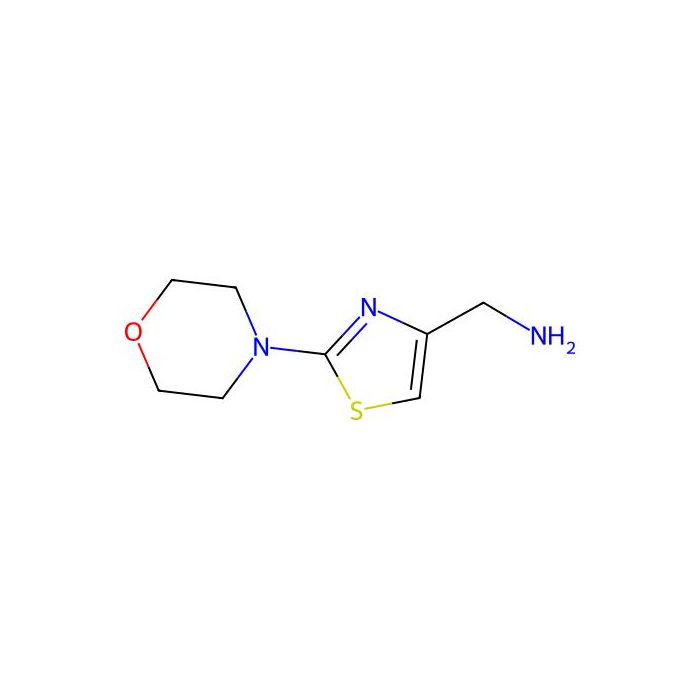
This compound belongs to the class of organic compounds known as dialkylarylamines. These are aliphatic aromatic amines in which the amino group is linked to two aliphatic chains and one aromatic group.
External Descriptors
Not available
1. Djoumbou Feunang Y, Eisner R, Knox C, Chepelev L, Hastings J, Owen G, Fahy E, Steinbeck C, Subramanian S, Bolton E, Greiner R, and Wishart DS. ClassyFire: Automated Chemical Classification With A Comprehensive, Computable Taxonomy. Journal of Cheminformatics, 2016, 8:61.
Certificati (CoA, COO, BSE/TSE e tabella di analisi)
C of A & Other Certificates(BSE/TSE, COO):
Analytical Chart:
Proprietà chimiche e fisiche
Peso molecolare
199.280 g/mol
XLogP3
-0.100
Hydrogen Bond Donor Count
1
Hydrogen Bond Acceptor Count
5
Rotatable Bond Count
2
Exact Mass
199.078 Da
Monoisotopic Mass
199.078 Da
Topological Polar Surface Area
79.600 Ų
Heavy Atom Count
13
Formal Charge
0
Complexity
163.000
Isotope Atom Count
0
Defined Atom Stereocenter Count
0
Undefined Atom Stereocenter Count
0
Defined Bond Stereocenter Count
0
Undefined Bond Stereocenter Count
0
The total count of all stereochemical bonds
0
Covalently-Bonded Unit Count
1
Calcolatori di soluzioni
Molarity Calculator
Determine the necessary mass, volume, or concentration for preparing a solution.
Dilution Calculator
Determine the dilution needed to prepare a stock solution.
Reconstitution Calculator
Recensioni
Recensioni dei clienti
Application Protocols
Not applicable. No validated bioassay, immunoassay, or imaging protocols are provided for this small-molecule building block. For synthetic use, refer to the Reaction Conditions and Synthetic Utility sections for general guidance.
Biological Roles
This product is supplied strictly for research use. No biological activity data are provided in the Product Data.
General context (literature/general)
Thiazole motifs appear in numerous natural products and enzyme cofactors (e.g., thiamine contains a thiazolium core), and morpholine is a common solubilizing group in medicinal chemistry. However, the presence of these moieties does not imply any specific biological activity for this exact compound.
Primary amines readily form salts and conjugates and are frequently used to append molecules to biomacromolecules or surfaces via amide/urea links (e.g., to carboxylates or activated esters), enabling probe and affinity reagent construction in research workflows.
Caution
Do not infer target engagement or biological function from structural class alone. Any use in cells/biological systems should be preceded by appropriate cytotoxicity and stability profiling (research use only).
Buffer Applications
This compound is not a conventional buffering agent. It lacks a well-defined, narrow pH buffering range at a single pKa and is not typically used to prepare biological or chromatographic buffers.
Practical note
If aqueous dissolution is desired for handling, prepare an acid addition salt (e.g., HCl salt) or dissolve the free base in water with minimal acid (e.g., 0.1–1% acetic acid). Use dedicated buffer systems (e.g., phosphate, HEPES, MOPS) for pH control.
Green Alternatives
Although the substance itself is a building block (not a solvent), greener choices can be made in how it is handled and transformed.
Greener solvent choices (general guidance)
Prefer EtOAc, 2-MeTHF, MeOH/EtOH, or water where feasible over DMF/NMP/DCM.
For amide couplings: consider propylene carbonate or 2-MeTHF as the reaction solvent; use water/EtOAc biphasic systems for workup to minimize chlorinated waste.
Greener reagents for key transformations
Amide formation: T3P (in EtOAc) or EDC/Oxyma in aqueous-organic media as alternatives to HATU/HBTU.
Reductive amination: catalytic hydrogenation (H2/Pd/C) or transfer hydrogenation (HCO2NH4/Pd-C) in EtOH instead of NaBH3CN in MeOH/AcOH.
Sulfonylation/carbamoylation: use organic carbonates (dimethyl/diethyl carbonate) for carbamates where applicable.
Energy and waste
Employ microwave or flow conditions to reduce reaction times/energy footprint.
Implement solid-supported scavengers to simplify workups and reduce solvent usage.
Comparison snapshot (general)
DMF vs 2-MeTHF: 2-MeTHF is biorenewable and easier to remove; however, polar substrates (like this amine) may dissolve better in DMF. Balance solubility with environmental impact case-by-case.
Pharmaceutical Uses
No pharmacopeial status, excipient role, or formulation use is provided in the Product Data for this item.
General, non-clinical context
As a heteroaromatic primary amine with a solubilizing morpholine, the scaffold is consistent with components used in medicinal chemistry libraries for SAR exploration and lead optimization workflows (research use only).
Possible process considerations (general): salt selection (e.g., HCl, mesylate) to optimize crystallinity and stability; assessment of polymorphism for solid-formed salts; control of residual solvents and inorganic counter-ions.
Compliance note
This product is for research use only and is not intended for diagnostic, therapeutic, or GMP-manufacturing applications.
Physical Properties
Item-specific physical specifications are not provided for this catalog entry. The following are general/literature-style expectations for a compound of this structure; verify against the CoA/SDS for this item.
Item-specific data
Appearance: Not specified for this item; refer to CoA/Spec Sheet.
Molecular Formula: Not specified for this item; refer to CoA/Spec Sheet.
Molecular Weight: Not specified for this item; refer to CoA/Spec Sheet.
Acid–base behavior: contains a primary aliphatic amine (basic; conjugate acid pKa typically ~9–10, literature for similar aminomethyl heteroarenes) and a tertiary morpholine (pKaH typically ~6–7, literature). Overall polybasic character; salts (e.g., HCl) expected to be water-soluble.
Solubility profile (typical): good in polar aprotic solvents (DMSO, DMF, NMP); moderate in alcohols; water solubility enhanced under acidic conditions due to amine protonation.
Partitioning: expected moderate polarity due to morpholine oxygen and two nitrogens; logP likely low-to-moderate (literature analogs ~0–1).
Thermal behavior: primary amines and thiazoles often melt/decompose before boiling at 1 atm; many analogs are low-melting solids. Specific MP/BP for this item: Not specified for this item; refer to CoA/Spec Sheet.
Hygroscopicity: protonated salts can be hygroscopic; free base typically less so. Item-specific hygroscopicity: Not specified for this item; refer to CoA/Spec Sheet.
Quality and Grades
Item-specific grade/purity: Not specified for this item; refer to CoA/Spec Sheet.
How to interpret typical grades (general guidance)
Research grade: suitable for most synthetic and screening work; may not include low-UV or LC-MS certifications.
HPLC/LC-MS grade (if offered): tight control of non-volatile/UV-active impurities for analytical use; not implied for this item unless specified.
Salt forms: free base vs. hydrochloride/other acid salts can affect assay purity reporting and handling (free base often reported as assay on anhydrous basis; salts as assay on dry basis). Verify form on the CoA.
Practical advice for this heteroaryl amine
If using in medicinal chemistry or SAR, request impurity profiles (residual solvents, elemental analysis, counter-ion content for salts) and analytical data (1H/13C NMR, LC/MS, HPLC purity) from the CoA.
UV cutoff/peroxide/metal specs: Not specified for this item; refer to CoA/Spec Sheet.
Stabilizers: none indicated. If long-term storage planned, consider keeping as a crystalline salt (e.g., HCl) to improve stability and weighability.
Reaction and Applications
As a thiazole-bearing, primary-amine building block with an embedded morpholine, this molecule is versatile in small-molecule synthesis and fragment elaboration.
Transformations via the primary amine (–CH2NH2)
Amide formation with acid chlorides/activated esters/coupling reagents (HATU/EDC/T3P). Useful for linking to carboxylic acid fragments, peptides, or polymers.
Urea/carbamate/sulfonamide synthesis using isocyanates, chloroformates, and sulfonyl chlorides, respectively.
Reductive amination onto aldehydes/ketones to introduce additional diversity at the benzylic-like CH2 position (use NaBH3CN, picoline–borane, or catalytic hydrogenation).
Alkylation to secondary/tertiary amines (careful to avoid over-alkylation; employ controlled stoichiometry, protected amine if needed).
Transformations on the heteroaromatic core
Electrophilic substitution at thiazole C5 (lithiation–electrophile trapping under directed metalation conditions; literature) to introduce further substituents without disturbing the morpholine or side-chain amine (protect if necessary).
Oxidation of thiazole sulfur (to S-oxide/S-dioxide) to modulate electronics and polarity (specialized conditions).
Role of the morpholine
Enhances aqueous solubility and can act as a built-in solubilizing group for bioactive library compounds.
As a tertiary amine, it is generally inert to acylation but can be protonated to adjust solubility during workup/purification.
Use cases
Rapid SAR exploration: thiazole is a frequent pharmacophore; aminomethyl handle enables convergent coupling.
Conjugation to resins/tags via amide or urea linkages for affinity materials and probes (research use only).
Reaction Conditions
General, literature-style reaction guidance for functionalizing the primary amine and thiazole core. Optimize per substrate; values below are typical ranges, not specifications for this item.
Amide coupling (to carboxylic acids)
Solvent: DMF, DCM, or 2-MeTHF. Base: DIPEA (2–3 eq). Coupling agents: HATU or EDC/Oxyma. Temperature: 0–25°C. Time: 1–4 h (HATU), 4–16 h (EDC). Typical yields: 70–95% (literature, substrate-dependent).
Sulfonamide formation
Reagents: sulfonyl chloride (1.1–1.5 eq), base (Et3N/DIPEA, 2–3 eq). Solvent: DCM/MeCN. Temperature: 0–25°C. Time: 0.5–4 h. Monitor to avoid overreaction.
Reductive amination
Condense with aldehyde/ketone in MeOH/THF with AcOH (0.5–1 eq), then reduce with NaBH3CN or picoline–borane at 0–25°C for 2–12 h; or use H2 (1–3 bar) with Pd/C in EtOH for 2–6 h. Typical yields: 60–90%.
Boc protection/deprotection
Protection: Boc2O (1.1–1.5 eq), base (NaHCO3 or DIPEA), solvent: DCM/MeCN, 0–25°C, 1–3 h. Deprotection: TFA/DCM (1:1 to neat TFA), 0–25°C, 0.5–2 h.
Base: sBuLi or LDA at −78 to −40°C in THF. Electrophile: DMF (formyl), I2/Br2 (halogen), alkyl halides. Quench and warm carefully. Protect the primary amine (e.g., Boc) to avoid side reactions.
Note: The morpholine tertiary amine generally remains intact under these conditions; adjust solvent polarity to ensure adequate solubility (DMSO/DMF often helpful).
Safety and Handling
Safety classifications are not provided in the Product Data for this item; consult the SDS for authoritative guidance.
Item-specific hazard fields
Signal Word: Not specified for this item; refer to SDS.
H-Statements: Not specified for this item; refer to SDS.
GHS Classification/Pictograms: Not specified for this item; refer to SDS.
General safety considerations for heteroaryl primary amines (literature/good practice)
Likely hazards: skin/eye irritation, respiratory irritation; harmful if swallowed; primary amines can cause sensitization in rare cases. Thiazoles may be irritating to eyes/skin.
PPE: lab coat, nitrile gloves, splash goggles; handle powders in a fume hood to avoid inhalation.
Incompatibilities: strong oxidizers; acid chlorides/anhydrides/isocyanates (violent acylation); carbonyl-activating reagents; nitrosating agents (risk of N-nitrosamine formation under nitrosating conditions—avoid nitrites in strong acid).
Handling tips: keep containers tightly closed; minimize exposure to air/humidity if using as free base; consider working as a salt to improve handling where appropriate.
First aid (overview; defer to SDS): rinse skin/eyes with water for 15 minutes upon contact; move to fresh air if inhaled; seek medical attention if symptoms persist; if ingested, rinse mouth, do not induce vomiting unless directed by medical personnel.
Waste: collect amine-containing waste in labeled, compatible containers; segregate from oxidizers and halogenated oxidants; dispose per institutional and local regulations.
Solvent Selection
This compound is a polar, polyfunctional heterocycle with two basic centers (primary aliphatic amine; tertiary morpholine) and one ether oxygen.
Practical solvent choices (general guidance)
High solubility: DMSO, DMF, NMP—ideal for stock solutions, amide couplings, and screening assays.
Moderate solubility: methanol, ethanol, isopropanol; acetonitrile often acceptable at moderate concentrations.
Aqueous media: protonation under mildly acidic conditions (e.g., 0.1–1% AcOH) enhances water miscibility; prepare as hydrochloride salt when high aqueous solubility is required.
Poor solubility expected: nonpolar hydrocarbons (hexanes, toluene) unless converted to less polar derivatives.
Selection tips
For nucleophilic reactions (acylations, sulfonylations): use dry aprotic solvents (DCM, THF, DMF) and a base such as DIPEA.
For SNAr on electron-deficient partners: polar aprotic solvents (DMSO/DMF) with inorganic base.
For chromatographic purification: start with polar eluents (EtOAc/hexanes, MeOH/DCM). Add 0.1–1% Et3N or NH3 in eluent to suppress amine tailing.
Small comparison (general)
DMSO vs DMF: DMSO higher solvating power but harder to remove; DMF balances solubility and workup; MeOH/EtOH greener but may form salts/ion pairs affecting reactivity.
Storage and Reconstitution
Item-specific storage and shipping
Storage Conditions: Room temperature (per Product Data). Avoid excessive heat and moisture. For extended storage, a desiccated environment and light protection are prudent.
Shipped In: Not specified for this item; refer to CoA/Spec Sheet.
General handling
Keep container tightly closed. If supplied as a free base, consider preparing a small amount of acid addition salt (e.g., HCl) when high aqueous solubility or enhanced stability is required in workflow; document salt formation separately from the catalog item.
For stock solutions: prepare in dry DMSO, DMF, or MeOH at convenient concentrations (e.g., 10–100 mM). Filter (0.2 μm PTFE) if particulate is present. Record solvent and concentration on the vial.
Freeze–thaw: for organic solutions, aliquot to minimize freeze–thaw cycles. For aqueous acidic solutions of the amine salt, store refrigerated if used over weeks; check for microbial growth and degradation periodically.
Stability note
Amines can absorb CO2 and form salts on standing; purge headspace with inert gas after opening if long storage is anticipated. Always verify purity by LC/MS or NMR before critical applications.
Structure and Identity
A bifunctional heteroaromatic building block combining a thiazole core with a morpholine ring and a primary aminomethyl handle.
Item-specific identifiers (from Product Data)
SKU: M1052842
CAS: 28948819 (as provided)
PubChem CID: 28948819 (as provided)
InChIKey: 367480 (as provided)
SMILES: Not specified for this item; refer to CoA/Spec Sheet.
Computed/interpretive (from the name; literature/computed, not item specifications)
Preferred name interpretation: (2-Morpholinothiazol-4-yl)methanamine (thiazole substituted by morpholin-4-yl at C2 and –CH2NH2 at C4)
A five-membered thiazole ring bearing: (i) at the 2-position, an N-linked morpholine ring [O-(CH2CH2)2-N–], and (ii) at the 4-position, a methanamine substituent (–CH2–NH2). The morpholine nitrogen is tertiary due to substitution at N, while the benzylic-like aminomethyl on C4 is primary and nucleophilic.
Synthetic Utility
Key reactive elements and how they can be leveraged:
Primary aminomethyl handle (–CH2NH2)
Convergent coupling to acids (amide), isocyanates (urea), carbonates (carbamate), and sulfonyl chlorides (sulfonamide).
Reductive amination with aldehydes/ketones to access secondary/tertiary amines adjacent to the thiazole (with potential to tune basicity and lipophilicity).
Protection strategies: Boc, Cbz, Fmoc to orthogonalize reactivity while manipulating the thiazole or other sites.
Thiazole core
Directed metalation at C5 (LDA/sBuLi with appropriate conditions and protection) followed by quench with electrophiles (formylation, halogenation, alkylation) to diversify the ring.
Oxidation state modulation at sulfur (thiazole S-oxide/S-dioxide) to adjust electronics and binding characteristics.
Morpholine ring (tertiary amine)
Typically inert to acylation; can be protonated to modulate solubility and purification profile. Optionally quaternized to give morpholinium salts if desired.
Conjugation/immobilization
Attachment to carboxylated resins, dyes, or linkers via amide/urea bonds enables probe or material conjugates. Add 0.1–1% base in silica chromatography to suppress tailing of amines.
Target Specificity
Not applicable. This product is a small-molecule building block, not a biological macromolecule or affinity reagent. No antigen/epitope, species reactivity, clone, or isotype information applies.
We use cookies to ensure the website functions properly and, where permitted, to improve your experience. You can manage your preferences at any time in Settings. Learn more in our Cookie Policy.
Shall we send you a message when we have discounts available?
Remind me later
Thank you! Please check your email inbox to confirm.
Products are supplied to verified businesses, institutions, and qualified professionals for research and development use only. Not for use in humans, animals, diagnosis, or therapy.