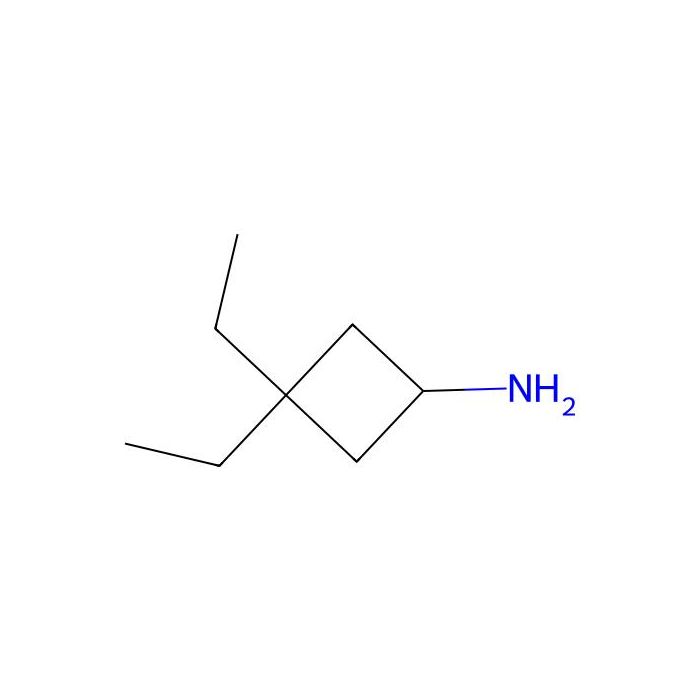
This compound belongs to the class of organic compounds known as monoalkylamines. These are organic compounds containing an primary aliphatic amine group.
External Descriptors
Not available
1. Djoumbou Feunang Y, Eisner R, Knox C, Chepelev L, Hastings J, Owen G, Fahy E, Steinbeck C, Subramanian S, Bolton E, Greiner R, and Wishart DS. ClassyFire: Automated Chemical Classification With A Comprehensive, Computable Taxonomy. Journal of Cheminformatics, 2016, 8:61.
Certificati (CoA, COO, BSE/TSE e tabella di analisi)
C of A & Other Certificates(BSE/TSE, COO):
Analytical Chart:
Proprietà chimiche e fisiche
Peso molecolare
127.230 g/mol
XLogP3
2.100
Hydrogen Bond Donor Count
1
Hydrogen Bond Acceptor Count
1
Rotatable Bond Count
2
Exact Mass
127.136 Da
Monoisotopic Mass
127.136 Da
Topological Polar Surface Area
26.000 Ų
Heavy Atom Count
9
Formal Charge
0
Complexity
86.700
Isotope Atom Count
0
Defined Atom Stereocenter Count
0
Undefined Atom Stereocenter Count
0
Defined Bond Stereocenter Count
0
Undefined Bond Stereocenter Count
0
The total count of all stereochemical bonds
0
Covalently-Bonded Unit Count
1
Calcolatori di soluzioni
Molarity Calculator
Determine the necessary mass, volume, or concentration for preparing a solution.
Dilution Calculator
Determine the dilution needed to prepare a stock solution.
Reconstitution Calculator
Recensioni
Recensioni dei clienti
Application Protocols
No biological assay or immunoassay protocols are specified for this item. For synthetic applications, see the Reaction & Applications and Reaction Conditions sections for general laboratory procedures appropriate to primary aliphatic amines. Always tailor stoichiometry, solvent, temperature, and workup to your specific substrates and scale.
Biological Roles
This product is a synthetic aliphatic primary amine and is not known as a natural metabolite.
General biochemical context for primary amines (literature; not item-specific):
Protonation state: Primary aliphatic amines are predominantly protonated (R–NH3+) near physiological pH (pKaH typically ~10–11), affecting membrane permeability and ion-pair interactions.
Interactions: Serve as hydrogen-bond donors/acceptors and can engage in salt bridges with acids (e.g., carboxylates, phosphates). These features are often leveraged when such amines are incorporated into bioactive ligands or materials, but this product is offered strictly for research/chemical synthesis.
Biotransformation: In biological systems, primary amines can undergo oxidative deamination or N-acetylation; however, pathways for this specific, sterically hindered amine are not characterized.
No biological activity or function is claimed for this catalog item. It is intended solely as a research/building-block reagent.
Buffer Applications
Not typically applicable. 3,3-Diethylcyclobutan-1-amine is a hydrophobic primary amine used as a synthetic building block rather than a buffering agent. If aqueous handling is required, temporary formation of a water-soluble ammonium salt (e.g., HCl salt) can facilitate pH-controlled extraction or formulation, but dedicated buffer systems (phosphate, HEPES, Tris, etc.) should be used for pH control.
Green Alternatives
Sustainability considerations for using a primary aliphatic amine building block:
Process intensification: Favor catalytic C–N bond formation from alcohols (borrowing hydrogen) or nitro reductions to minimize stoichiometric activating agents (e.g., replace acid chlorides with direct amidation under catalytic conditions: Ru/Ir/Mn complexes, or metal-free thermal amidations where feasible).
Reagent choices: For urea formation, prefer CDI or DSC (disuccinimidyl carbonate) over phosgene-derived reagents. For amide couplings, T3P or catalytic HOAt/HOBt with green solvents (2-MeTHF, CPME, EtOAc) can reduce waste.
Solvent selection (illustrative comparison):
THF vs 2-MeTHF: 2-MeTHF offers bio-based origin, higher boiling point (easier recovery), and improved phase splits; comparable solubility for aliphatic amines (tradeoff: peroxide control still required).
DMF/DMAc vs Cyrene/PC/MeCN: When polarity is needed, consider carbonate esters (dimethyl/diethyl carbonate) or propylene carbonate; for amide couplings, EtOAc or 2-MeTHF often substitutes DMF.
DCM/CHCl3 vs EtOAc/MTBE/2-MeTHF: Prefer non-halogenated solvents for extractions and reactions when possible.
Workup/waste: Capture amine vapors with acid scrubbers; neutralize and separate ammonium salt aqueous waste streams efficiently to reduce solvent usage in extractions.
Tradeoffs:
Greener solvents may alter rates/solubilities; small-scale scouting is advised. Highly hindered substrates can require higher temperatures or stronger bases, impacting energy and E-factor. Balance reduced hazard with performance.
Pharmaceutical Uses
No pharmacopeial grade or excipient designation is specified for this item; refer to CoA/Spec Sheet.
General roles of primary aliphatic amines in pharmaceutical process chemistry (literature; not item-specific):
Intermediates/building blocks: Useful for constructing amide, sulfonamide, urea, and carbamate motifs common in APIs and advanced intermediates. The gem‑diethyl, cycloalkyl framework can modulate lipophilicity and conformational bias.
Salt formation: Readily forms stable crystalline salts (e.g., hydrochloride, besylate), aiding purification, isolation, and control of solid-state properties during process development.
Chiral derivatization: Although this compound itself is achiral, it can be used to derivatize chiral acids or to form diastereomeric adducts in analytical workflows.
Compliance note: This product is supplied for research and laboratory use only. No claims are made regarding suitability for therapeutic use, clinical applications, or inclusion in regulated drug products without appropriate qualification and regulatory assessment.
Physical Properties
Item-specific specifications: Not specified for this item; refer to CoA/Spec Sheet.
Literature/computed context (non-item-specific):
Molecular formula (derived from name): C8H17N
Molecular weight (calculated): ~127.23 g/mol
Physical state/appearance: Primary aliphatic C8 amines are typically colorless liquids with amine odor (general trend; item-specific appearance not provided).
Basicity: Primary aliphatic amines typically have pKaH ~10–11 (literature); cycloalkyl amines often toward the higher end due to inductive effects. Gem‑diethyl substitution near the ring carbon adjacent to the amine can modestly influence basicity via inductive and steric effects.
Solubility (trend): Long‑chain aliphatic amines have low water solubility at neutral pH but form water‑soluble ammonium salts under acidic conditions. Miscible with many organic solvents (alcohols, ethers, chlorinated solvents). Specific solubility data for this item are not provided.
Volatility: Comparable C8 primary amines typically boil in the ~160–190 °C range (literature), but exact bp for this structure is not provided for this item.
Density/refractive index: Not specified for this item; refer to CoA/Spec Sheet.
Note: For method development and safety calculations, obtain the exact physical constants from the product’s CoA/SDS.
Quality and Grades
Grade/Purity: Not specified for this item; refer to CoA/Spec Sheet.
Guidance for this compound class:
Primary amines used as building blocks are commonly offered as neat liquids or as salts (e.g., hydrochloride) to enhance stability and ease of handling. If supplied neat and unstabilized, maintain dry conditions to limit formation of ammonium carbamates with CO2 and to avoid moisture uptake.
If an assay/purity grade (e.g., ≥98%) is listed on the CoA, this generally reflects GC/HPLC area% with identity confirmed by NMR/MS. For chromatographic uses, low UV background and absence of nonvolatile residues are often controlled parameters.
Stabilizers/inhibitors: Not specified for this item. If present, they will be listed on the CoA; stabilizers can influence downstream reactions (e.g., base-sensitive steps).
Recommendations:
Verify assay method (GC vs HPLC), residual solvent profile, and water content on the CoA when reaction stoichiometry or moisture sensitivity is critical.
If a salt form is preferred (for weighing accuracy or crystallinity), inquire about availability or prepare in-house (e.g., amine·HCl) and liberate free base immediately prior to use.
Reaction and Applications
As a sterically encumbered primary aliphatic amine, 3,3-diethylcyclobutan-1-amine is a versatile nucleophilic building block. Typical uses (literature/general):
Amide formation: Coupling with carboxylic acids via EDCI/HOBt, HATU, T3P, or CDI. Steric bulk can attenuate overacylation and may improve selectivity in mixed anhydride protocols. Pre-forming the acid chloride (e.g., oxalyl chloride) is also effective; include non-nucleophilic base (DIPEA, Et3N).
Ureas/carbamates: Reaction with isocyanates or carbonates; CDI enables urea formation under mild conditions. Chloroformates yield carbamates (for protecting group or pro-moiety synthesis).
Sulfonamides: Clean formation with sulfonyl chlorides (Et3N or pyridine base) to furnish hindered sulfonamides with distinct physicochemical properties.
Reductive amination: Condense with aldehydes/ketones (Ti(OiPr)4 or molecular sieves as water scavengers) followed by NaBH3CN, NaBH(OAc)3, or catalytic hydrogenation. The primary amine’s sterics can reduce dialkylation.
C–N cross-coupling: Buchwald–Hartwig amination with aryl (pseudo)halides using Pd/BrettPhos or RuPhos class ligands; or Cu-catalyzed Ullmann-type couplings with suitable bidentate ligands. The substrate’s bulk may require stronger bases (NaOtBu) and elevated temperatures.
Imine/enamine chemistry: Useful for preparing imines that resist polymerization due to steric shielding, aiding isolation or further transformations (e.g., aza‑Michael, cycloadditions).
Salt formation/ion pairing: Readily forms crystalline salts (HCl, HBr, TsOH), often advantageous for purification and handling.
Practical tips:
Dry the amine over K2CO3 or CaH2 and distill under reduced pressure if necessary (general practice). Exclude CO2/H2O to minimize ammonium carbamate formation.
For acylations, add the amine last at 0–5 °C to control exotherm; monitor by TLC/GC.
In cross-coupling, consider excess amine (1.2–2.0 equiv) to improve rates and suppress dehalogenation.
Reaction Conditions
General literature guidance for primary amines of similar structure (not item-specific; optimize per substrate):
Amide coupling:
Solvent: DMF, DCM, THF, 2-MeTHF, or EtOAc.
Reagents: HATU or EDCI (1.1–1.5 equiv) with HOAt/HOBt; DIPEA/Et3N (2–3 equiv).
Temperature/time: 0–25 °C, 1–16 h. Typical isolated yields: 70–95% depending on sterics.
Reductive amination:
Solvent: MeOH, EtOH, THF, or toluene with 3Å MS.
Conditions: Carbonyl (1.0 equiv), amine (1.1–1.5 equiv), NaBH(OAc)3 (1.5–2.0 equiv) in AcOH-buffered medium; rt to 40 °C, 2–18 h. Alternatively, H2 (1–5 bar) over Pd/C in alcohols.
Sulfonamide formation:
Solvent: DCM or MeCN; base: Et3N or pyridine (2–3 equiv).
Temperature: 0 °C to rt, 1–4 h; often >80% yield with clean profiles.
Carbamate/urea synthesis:
Reagents: CDI (1.2–2.0 equiv) or chloroformates/isocyanates (1.0–1.2 equiv).
Solvent: THF, DCM, or 2-MeTHF; rt to 50 °C.
Buchwald–Hartwig amination:
Catalyst/ligand: Pd2(dba)3 (1–2 mol%) with BrettPhos or XPhos (2–4 mol%).
Temperature: 80–110 °C, 6–24 h. Steric bulk may require higher temperatures or stronger bases.
Workup tips:
Acid–base extraction: Protonate with dilute HCl to transfer to aqueous; basify and extract to recover the free base.
Drying: K2CO3 or Na2SO4 for organic layers; avoid acidic desiccants which can form salts.
Note: These are general conditions typical for aliphatic primary amines and should be adapted via small-scale optimization.
Safety and Handling
Item-specific hazard data:
Signal Word: Not specified for this item; refer to SDS.
H-Statements: Not specified for this item; refer to SDS.
GHS Classification/Pictograms: Not specified for this item; refer to SDS.
General safety guidance for aliphatic primary amines (literature; not item-specific):
Hazards: May be flammable/combustible; vapors can be irritating to skin, eyes, and respiratory tract. Amines can cause sensitization in some individuals and are often corrosive to some metals/coatings. Strong odor typical.
PPE: Safety glasses or face shield, lab coat, and appropriate chemical-resistant gloves (e.g., nitrile). Use in a fume hood to control vapors and odor.
Incompatibilities: Strong oxidizers, acid chlorides/anhydrides (violent acylation), isocyanates (urea formation), and CO2/strong acids (salt formation). Avoid copper alloys and reactive halides without controls.
First aid (overview; defer to SDS): Eye/skin contact—immediately flush with water for ≥15 min; remove contaminated clothing. Inhalation—move to fresh air. Ingestion—rinse mouth; do not induce vomiting; seek medical attention.
Fire fighting: Use CO2, dry chemical, or alcohol-resistant foam. Amines can form dense, irritating smoke.
Always consult the product SDS for authoritative hazard information and exposure controls specific to this catalog item.
Solvent Selection
Compound class considerations (primary aliphatic amine; general guidance):
Polarity/basicity: Strongly basic, hydrogen-bond donor/acceptor. Neutral form is moderately nonpolar (C8 backbone) and typically has limited water solubility; protonated ammonium salts are water soluble.
Miscibility profile (literature trends): Good solubility in ethers (THF, MTBE), alcohols (MeOH, EtOH, i-PrOH), chlorinated solvents (DCM, CHCl3), and many hydrocarbons when warmed. In water, expect low solubility at neutral pH; solubility increases in acidic aqueous media via salt formation.
When to choose protic vs aprotic media:
Protic solvents (MeOH/EtOH) facilitate imine/reductive amination equilibria and dissolve both amines and carbonyls; can compete in acylations.
Aprotic polar solvents (THF/DMF/MeCN) are preferred for amide couplings and metal-catalyzed C–N coupling, balancing solubility and base strength.
Acidic aqueous workups generally move the amine into the aqueous layer as its ammonium salt; free base can be regenerated with base and extracted into organics (DCM/EtOAc/MTBE).
Comparison (general):
vs smaller amines (e.g., cyclobutylamine): this gem‑diethyl analog is less polar and less water-soluble; choose more polar organics (THF, MeOH) for homogeneous conditions.
vs more hindered amines (tert-alkylamines): retains primary amine reactivity but with increased steric bulk—beneficial for selectivity in acylations or reducing overalkylation.
Note: No item-specific solvent parameters are provided; adjust based on your reaction system and confirm with small-scale trials.
Storage and Reconstitution
Item-specific storage:
Storage Conditions: Room temperature (from Product Data).
Shipped In: Not specified for this item; refer to CoA/Spec Sheet.
General handling guidance for primary amines (not item-specific):
Container: Store in a tightly sealed amber glass bottle to limit light and air exposure. If practical, blanket headspace with inert gas (N2/Ar) to minimize reaction with atmospheric CO2 and moisture.
Environment: Dry conditions preferred; include desiccant in secondary containment. Avoid prolonged exposure to air to prevent ammonium carbamate formation and odor permeation.
Stability: Primary aliphatic amines are generally stable at ambient temperature; avoid strong oxidizers and acids in storage areas.
Reconstitution: Supplied as a neat liquid unless otherwise noted. If a salt form is prepared for handling (e.g., HCl salt), dissolve in appropriate solvent (MeOH, EtOH, water) and, if required, liberate the free base by basification and extraction immediately before use.
Always consult the product CoA/SDS for definitive storage and handling instructions specific to this catalog item.
Structure and Identity
Brief description: 3,3-Diethylcyclobutan-1-amine is a sterically hindered, aliphatic primary amine bearing a cyclobutane ring substituted with two ethyl groups at C-3 and an amino group at C-1. The compact, strained four-membered ring and gem‑diethyl substitution impart notable steric bulk around the amino functionality.
Item-specific (from Product Data):
CAS: 1490975-29-5
SKU: D930802
Product Name: 3,3-Diethylcyclobutan-1-amine
Storage Conditions: Room temperature
Research Use: For research use only
InChIKey: Not specified for this item; refer to CoA/Spec Sheet.
SMILES: Not specified for this item; refer to CoA/Spec Sheet.
Computed/literature (not item-specific; for context):
Expected molecular formula (derived from name): C8H17N
Calculated molecular weight: ~127.23 g/mol
Structural features: primary aliphatic amine (–NH2) on a cyclobutane ring; gem‑diethyl substitution at C-3 increases steric hindrance; no heteroatoms besides nitrogen; no stereocenters introduced by the geminal diethyl group; potential ring conformational preferences due to strain.
2D structure in words (general description):
A four‑membered cyclobutane ring. At carbon 1, an –NH2 substituent (primary amine). At carbon 3, two ethyl groups (–CH2CH3 and –CH2CH3) attached to the same carbon (geminal). No additional functionalization. Labels and identifiers beyond the above are not specified for this catalog item.
Synthetic Utility
Functional group profile:
Nucleophilic primary amine (–NH2) attached to a strained cyclobutane bearing a gem‑diethyl group. The sterics near the ring can influence selectivity, reactivity, and physical properties of derived products.
Key transformations (literature/general):
Acylations to amides (acid chlorides, anhydrides, activated esters) and to carbamates (chloroformates, CDI-activated carbonates).
Urea/thiourea formation via isocyanates/isothiocyanates or CDI/PS-ICN.
Reductive amination with aldehydes/ketones (NaBH3CN/NaBH(OAc)3; or hydrogenation over Pd/C, Raney Ni).
N‑Alkylation under strong base (NaH/K2CO3) with alkyl halides; control for overalkylation to tertiary amines as needed.
Formation of crystalline salts (HCl/TsOH) for purification, solid storage, or isolation.
Retrosynthetic value:
Introduces a compact, lipophilicity-enhancing cyclobutyl fragment with gem‑diethyl substituents—useful for conformational tuning and steric shielding in lead optimization or materials design.
Practical notes:
The primary amine enables rapid salt-switching workups. Drying over K2CO3 and handling under inert atmosphere can improve reproducibility in moisture-sensitive couplings.
The hindered environment can reduce side reactions such as N,N‑diacylation or polymerization of imines, aiding isolation.
Target Specificity
Not applicable. This product is a small-molecule amine building block and is not an antibody, enzyme, or affinity reagent. No target binding specificity is provided or implied for this item.
We use cookies to ensure the website functions properly and, where permitted, to improve your experience. You can manage your preferences at any time in Settings. Learn more in our Cookie Policy.
Shall we send you a message when we have discounts available?
Remind me later
Thank you! Please check your email inbox to confirm.
Products are supplied to verified businesses, institutions, and qualified professionals for research and development use only. Not for use in humans, animals, diagnosis, or therapy.