Lipase from Pseudomonas fluorescens, CAS No.9001-62-1

CAS: 9001-62-1 Cat. No.: L299014 Numero EC: 232-619-9 PubChem CID: 135534490
Disponibile su ordine
QUALITÀ & PUREZZA EnzymoPure™ ? EnzymoPure™ — Aladdin's line of high-quality enzymatic solutions. Use when enzyme purity and defined activity drive assay or process performance. ≥20,000 U/g
★
Dimensione
Germania (EU)
USA*
Prezzo
Qtà
10g
L299014-10g
—
Disponibile ≥10
104,04€
50g
L299014-50g
—
1 Disponibile
268,04€
Enter a quantity for the sizes you want to add.

Panoramica

Product Application:

Lipase from Pseudomonas fluorescens can be used as a biocatalyst in the hydrolysis and transesterification of parabens (para-hydroxybenzoic acid esters),enzymatic kinetic resolution of chlorohydrins,regio-selective acylation of andrographolide with different acylating agents to synthesize andrographolide derivatives. Lipase can also immobilized on silk fibroin spheres to prepare optically active epoxides by enzymatic kinetic resolution of halohydrins.Usually used industrially for the resolution of chiral compounds and the transesterification production of biodiesel.

Specifiche

Product Name
Lipase from Pseudomonas fluorescens, CAS No.9001-62-1
Sinonimi
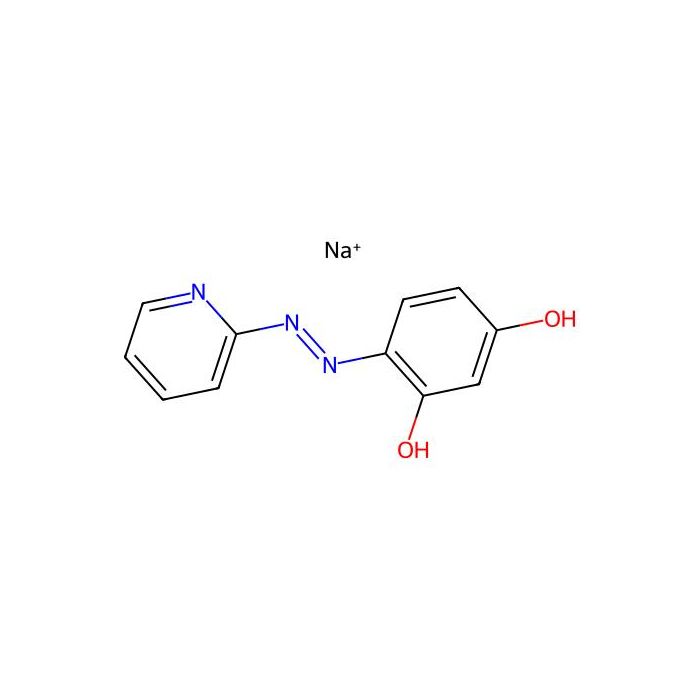
PPL | Lipase AY 30 | RIZOLIPASE | 1, 4-(2-pyridinylazo)-, disodium salt | sodium;4-(pyridin-2-yldiazenyl)benzene-1,3-diol | Lipase, triacylglycerol
Grado
EnzymoPure™
Specifiche e purezza
EnzymoPure™, ≥20,000 U/g
Meccanismi biochimici e fisiologici
Lipases catalyze the hydrolysis of esters in aqueous solutions,the hydrolysis of triacylglycerols into glycerol and free fatty acids, and the synthesis of esters in non-aqueous solutions,and also produce hydroxyl and carboxylic groups through the hydrolysis of ester linkages in poly(ethylene terephthalate).
CAS
9001-62-1
Numero della Commissione Enzimi
3.1.1.3.
Tipo di molecola
Enzima
Stoccaggio e spedizione
Concentrazione
≥20,000 U/g
Condizioni di conservazione di stoccaggio
Store at 2-8°C
Spedito in
Wet ice

Dati avanzati

Taxonomic Classification

Taxonomy Tree

KingdomOrganic compounds
SuperclassBenzenoids
ClassePhenols
SubclassBenzenediols
Intermediate Tree Nodes Not available
Direct ParentResorcinols
Alternative Parents 1-hydroxy-4-unsubstituted benzenoids  1-hydroxy-2-unsubstituted benzenoids  Pyridines and derivatives  Benzene and substituted derivatives  Heteroaromatic compounds  Azo compounds  Organic alkali metal salts  Azacyclic compounds  Organopnictogen compounds  Organooxygen compounds  Hydrocarbon derivatives  Organic cations  
Molecular FrameworkAromatic heteromonocyclic compounds
Substituents Resorcinol - 1-hydroxy-4-unsubstituted benzenoid - 1-hydroxy-2-unsubstituted benzenoid - Pyridine - Monocyclic benzene moiety - Heteroaromatic compound - Azo compound - Azacycle - Organic alkali metal salt - Organoheterocyclic compound - Organic nitrogen compound - Organic oxygen compound - Organopnictogen compound - Hydrocarbon derivative - Organic salt - Organooxygen compound - Organonitrogen compound - Organic cation - Aromatic heteromonocyclic compound
DescrizioneThis compound belongs to the class of organic compounds known as resorcinols. These are compounds containing a resorcinol moiety, which is a benzene ring bearing two hydroxyl groups at positions 1 and 3.
External Descriptors Not available
Certificati (CoA, COO, BSE/TSE e tabella di analisi)
C of A & Other Certificates(BSE/TSE, COO):
Analytical Chart:

Find and download the COA for your product by matching the lot number on the packaging.

9 results found

Lot NumberCertificate TypeDataOggetto
L2509486L2509486Certificate of AnalysisApr 11, 2025 L299014
L2509487L2509487Certificate of AnalysisApr 11, 2025 L299014
G2419543G2419543Certificate of AnalysisJul 12, 2024 L299014
G2419544G2419544Certificate of AnalysisJul 12, 2024 L299014
G2419571G2419571Certificate of AnalysisJul 12, 2024 L299014
F1917216F1917216Certificate of AnalysisJan 04, 2023 L299014
A2212069A2212069Certificate of AnalysisJan 24, 2022 L299014
B2210113B2210113Certificate of AnalysisJan 12, 2022 L299014
B2210163B2210163Certificate of AnalysisJan 12, 2022 L299014
Domande frequenti e articoli
Key Roles of Purified Proteins in the Cleaning Industry and Green Ecology
Lipase (Triacylglycerol Hydrolase): Interfacial Catalysis, Selectivity Classes, and Assay/Application Systems
Review of the Principles, Common Methods, and Key Application Considerations for the Determination of Glycerol and Triglyceride Contents
Review of the Structural Characteristics, Biological Functions, and Application Advances of Lycopene
Application of Fatty Acid Methyl Ester Sulfonate (MES) in Household Detergent and Cleaning Formulations: Detergency, Hard-Water Tolerance, and Selection Criteria
Performance Sources and Formulation Applications of Enzyme-Based Ingredients in Daily Chemical Products: Fermentation Transformation, Enzymatic Reactions, and Application Principles
Structure, Degradation Behavior, and Applications of Poly(trimethylene carbonate) (PTMC) in Flexible Absorbable Materials
Citations of This Product
Calcolatori di soluzioni
Recensioni

Recensioni dei clienti

Hai bisogno di aiuto per scegliere la qualità?

La nostra guida alla selezione delle qualità copre purezza, stato dello stabilizzatore e idoneità all'applicazione per tutte le varianti del nostro catalogo.

Visualizza la guida alle qualità EnzymoPure™ →

Desidera che le inviamo un messaggio quando avremo sconti disponibili?

Ricordamelo più tardi

Grazie! Controlli la sua casella di posta per confermare.

Ops! Le notifiche sono disabilitate.