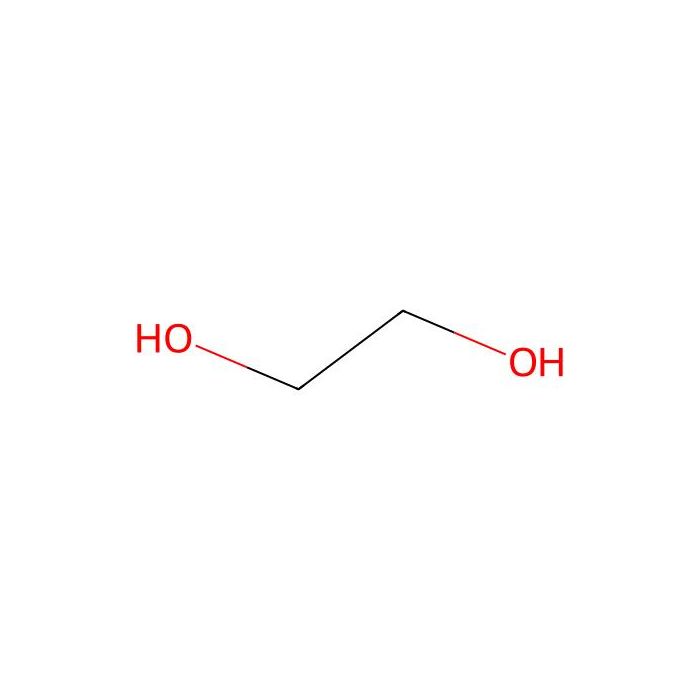
Determine the necessary mass, volume, or concentration for preparing a solution.
Poly(ethylene oxide) - average Mv 200,000, powder , CAS No.25322-68-3
Disponibile su ordine
GRADE & PURITY average Mv 200,000, powder
Synonyms
PEO

average Mv 200,000, powder for sensitive chromatographic and analytical workflows requiring minimal baseline interference.
Ships Check lot-specific COA for exact specifications.
SDS, COA, datasheet, and spec sheet available for download. Lot-specific COA accessible via lot number lookup.
Cited in 3236 peer-reviewed publications across chromatography, organic synthesis, and cross-coupling reactions.
Product description:
Poly(ethylene oxide) (PEO) is a synthetichydrophilic polymer available in several molecular weights. It can be obtained by the ring-opening polymerization ofethylene oxide. It is a semicrystalline polymer with high ionic conductivitycommonly used as a solid polymer electrolyte.
Application:
Poly(ethylene oxide) can be used to prepare polymer electrolyte systems for energy storage and conversion devices such as all-solid-state lithium-ion batteries (ASLBs). This biocompatible polymer can be widely used in the field of biomedical research and tissue engineering. For example, it can be used in the fabrication of biodegradable polyurethane/graphene oxide scaffolds.
| WGK Germania | 1 |
|---|---|
| Reaxy-Rn | 505945 |
| Reaxys-RN_link_address | https://www.reaxys.com/reaxys/secured/hopinto.do?context=S&query=IDE.XRN=505945&ln= |
Comprehensive hazard, handling, storage, and regulatory compliance document.
Download SDS →Lot-specific quality data. Enter your lot number to retrieve the exact COA.
Look up COA →Full quality attributes and acceptance criteria for this grade.
View spec sheet →Find and download the COA for your product by matching the lot number on the packaging.
| Lot Number | Certificate Type | Data | Oggetto |
|---|---|---|---|
 K2303042 K2303042 | Certificate of Analysis | Jul 30, 2026 | P432439 |
| K2303043 | Certificate of Analysis | Jul 30, 2026 | P432439 |
| K2303044 | Certificate of Analysis | Jul 30, 2026 | P432439 |
| A2506232 | Certificate of Analysis | Nov 13, 2023 | P432439 |
| I2410242 | Certificate of Analysis | Nov 13, 2023 | P432439 |
| Indice di rifrazione | 1.460 |
|---|---|
| Punto di infiammabilità (°F) | 519.8 °F |
| Punto di infiammabilità (°C) | 271.00 °C |
| Punto di ebollizione (°C) | > 200 °C |
| Punto di fusione (°C) | 61-64℃ |