
Determine the necessary mass, volume, or concentration for preparing a solution.
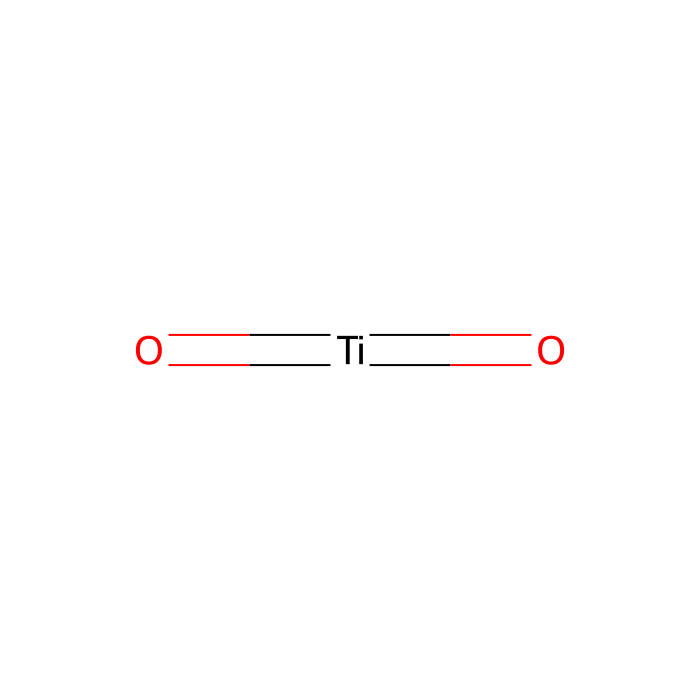
Titanium(IV) oxide - PharmPure™, USP, BP, puriss., Ph.Eur., ≥99% , CAS No.13463-67-7
DISPONIBLE À COMMANDE
QUALITÉ & PURETÉ PharmPure™ ? PharmPure™ — Aladdin's line of biopharmaceutical raw and starting materials. Use for pharma manufacturing inputs needing high purity and documentation. USP ? United States Pharmacopeia grade — meets USP monograph specs for pharmaceutical use. Use for drug manufacturing, QC, and applications requiring US compendial compliance. BP ? British Pharmacopoeia grade — conforms to BP monograph requirements. Use for pharmaceutical products marketed under UK/BP regulatory standards. puriss. ? Puriss. (Latin 'purissimum') — very high purity, typically ≥98.5–99%. Use when you need a clearly defined high-purity material above standard grades. Ph.Eur. ? European Pharmacopoeia grade — conforms to Ph.Eur. monographs across EU member states. Use for pharmaceutical work needing European compendial compliance. ≥99%
Synonyms
Aerosil P 25|A-Fil|Anatase (TiO2)|Bayertitan A|Bayertitan AN 3|Calcotone White T|Tronox|Tioxide RSM|Tioxide R-SM|Aerosil T 805|Cosmetic White C47-5175|Rutiox CR|Kronos RN 40P|Kronos titanium dioxide|Amperit 780.0|Titanium oxide|Unitane or-150|Aerosil P 27|Bayertitan|Rutile|Titanium(IV) oxide, rutile|Cosmetic Hydrophobic TiO2 9428|Horse head a-410|Atlas white titanium dioxide|Unitane OR|Aerosil P 25S6|Hombitan R 101D|Hombitan R 610K|Tioxide R-CR|Titanium(IV) oxide, anatase|Unitane or-342|Zopaque LDC|Tioxide A-DM|Tioxide AD-M|CG-T|C-Weiss 7|Hombitan|Runa rh20|Titanox 2010|Unitane or-540|JR 600A|Titanium peroxide (TiO2)|Blend White 9202|Kronos CL 220|Tipaque R 820|Bistrater L-NSC 200C|RO 2|Unitane OR 450|Kronos RN 56|Runa ARH 20|Titanium peroxide|Uniwhite KO|Unitane 0-110|Bayertitan T|Tipaque|Unitane or-640|Titanox RANC|Unitane|Titanox|Unitane o-220|Unitane or-340|TITANIUM DIOXIDE|Flamenco|Kronos|Ti-Pure|Austiox R-CR 3|Tioxide R.XL|Bayertitan R-U-F|Rutile (TiO2)|Tiofine|Ti-Pure R 901|Unitane OR 650|Uniwhite OR 650|Tiona t.d.|Rayox|Titafrance|Titanic anhydride|Baytitan|1700 White|Cab-O-Ti|Tiona td|Titanium oxide (TiO2)|dioxotitanium|Aerolyst 7710|AMT 600|Ti-Pure R 900|Titanium(IV) oxide|63B1 White|A-Fil Cream|Anatase|Horse head a-420|Tioxide|Titanium White|Unitane or-350|Horse head r-710|KH 360|Levanox White RKB|Kronos 2073|Titandioxid|Uniwhite AO|Cosmetic White C47-9623|Titandioxid (sweden)|Unitane 0-220|Unitane o-110
Storage
Room temperature