Certificados (CoA, COO, BSE/TSE y tabla de análisis)
C of A & Other Certificates(BSE/TSE, COO):
Analytical Chart:
Propiedades químicas y físicas
Solubilidad
Solvent:DMSO, Max Conc. mg/mL: 22.63, Max Conc. mM: 100
Calculadoras de soluciones
Molarity Calculator
Determine the necessary mass, volume, or concentration for preparing a solution.
Dilution Calculator
Determine the dilution needed to prepare a stock solution.
Reconstitution Calculator
Reseñas
Reseñas de cliente
Application Protocols
Item-specific facts (from Product Data)
No validated application protocols are provided for this item.
General protocols (illustrative; adjust after confirming identity)
Reconstitution (if lyophilized protein): Bring vial to room temperature in a desiccated environment. Add sterile buffer in small increments with gentle swirling to the desired concentration. Let sit 10–15 minutes to fully dissolve.
Aliquoting: Divide into single-use aliquots to avoid repeated freeze–thaw. Label with concentration, buffer, and date.
Activity/binding check: Run a small pilot assay (e.g., SDS-PAGE with Coomassie or Western for presence; enzyme activity or ligand-binding assay for function) to verify integrity post-reconstitution.
Small molecule stock prep (if applicable): Dissolve in anhydrous DMSO to a convenient concentration (e.g., 10–50 mM), filter if needed, and store aliquots protected from light and moisture.
Documentation
Record lot number, buffer composition, reconstitution steps, and any observed precipitation or activity loss to aid reproducibility.
Biological Roles
Item-specific facts (from Product Data)
No target, sequence, organism, or functional role is provided for this item.
General context (not item-specific)
Proteins can function as enzymes, structural components, transporters, regulators, or signaling molecules. Specific roles depend on amino acid sequence, 3D structure, post-translational modifications, and cellular localization.
In research, purified proteins are used to deconvolute pathways, reconstitute biochemical systems, or act as standards/controls in analytical platforms.
Practical considerations
Confirm the protein’s origin (species, expression host), tags (His, GST, Fc), and post-translational state (glycosylation, phosphorylation) on the CoA before drawing biological conclusions.
Functional validation should include activity assays or binding studies relevant to the intended application.
Caution
Do not infer biological roles from the catalog name alone. Verify identity via CoA, SDS-PAGE, intact mass, and, where relevant, peptide mapping or immunoreactivity tests.
Buffer Applications
Item-specific facts (from Product Data)
No buffer recipes or pH ranges are specified.
General buffer guidance for protein handling (not item-specific)
Common systems and ranges:
Phosphate buffer: pH 6.2–7.8; excellent ionic strength control, compatible with many enzymes but may interact with metal-dependent proteins.
Tris-HCl: pH 7.0–9.0; good buffering near neutrality to basic; temperature-dependent pKa requires controlled temperature.
HEPES: pH 6.8–8.2; minimal temperature and ionic strength effects; cell-friendly.
MOPS/MES: pH 6.0–7.5; suitable for mildly acidic systems.
Additives: 50–300 mM NaCl for solubility; 5–20% glycerol as cryo/osmo-protectant; 0.01–0.05% Tween-20 or NP-40 to mitigate aggregation (verify assay compatibility).
Filtration: 0.22 μm sterilization for cell-facing work. Degassing can reduce bubble-induced denaturation in flow systems.
Example HEPES buffer: 20 mM HEPES, 150 mM NaCl, pH 7.4.
Example Tris buffer: 25 mM Tris-HCl, 100 mM NaCl, pH 7.5.
Note
Because item identity is not confirmed, perform small-scale compatibility tests before committing to large preparations.
Green Alternatives
Applicability
Without a confirmed identity, specific greener substitutions cannot be assigned. The guidance below is general.
General sustainability guidance for protein reagents
Buffers: Prefer HEPES or MOPS over Tris in temperature-sensitive work to reduce need for tight temperature control; use phosphate where suitable due to low hazard and waste profile.
Preservatives: If microbial control is needed, consider low-toxicity options (e.g., sodium azide alternatives such as ProClin) mindful of downstream compatibility and disposal.
Packaging: Choose aliquoted formats to minimize freeze–thaw and waste; order appropriate sizes to reduce expired material.
Cleaning and waste: Use biodegradable detergents for glassware; segregate proteinaceous waste to avoid unnecessary solvent use.
If the product proves to be a small molecule
Prefer aqueous-compatible assays to reduce DMSO/organic solvent usage.
Consider greener cosolvents (e.g., glycerol, propylene carbonate) where chemically compatible.
Trade-offs
Higher buffer ionic strength and glycerol improve stability but increase wastewater treatment load. Balance stability with environmental impact based on experimental criticality.
Pharmaceutical Uses
Scope limitation
No pharmacopeial status, excipient role, or formulation guidance is provided for this SKU. The product is designated For research use only and not for human or veterinary use.
General information (not item-specific)
Research-grade proteins may inform pre-formulation studies (stability screening, analytical method development) but are typically not manufactured under GMP nor suitable for clinical or diagnostic use.
If the material were a small molecule reference standard, research use includes method development, system suitability, and in vitro screening.
Best practices
Segregate RUO materials from GMP workflows.
Document source, lot, and analytical data when using in method development to facilitate later tech transfer to GMP-grade materials.
Compliance note
No therapeutic or clinical claims apply to this item. Consult your quality unit before using any RUO reagent in regulated studies.
Physical Properties
Item-specific facts (from Product Data)
Appearance: Not specified for this item; refer to CoA/Spec Sheet.
Physical constants (BP, MP, density, solubility, pKa, logP/logD, refractive index): Not specified for this item; refer to CoA/Spec Sheet.
Interpretive notes
Because the precise identity is not confirmed, authoritative physico-chemical constants cannot be provided. Verify all working concentrations, pH optima, and stability ranges from the CoA.
General properties of protein reagents (literature/typical; not item-specific)
Proteins are generally non-volatile solids or solutions; they do not have a classical boiling point and typically denature above ~40–70 C depending on fold and buffer.
Solubility: Dependent on sequence and buffer; common stabilizing buffers include phosphate, Tris, HEPES with ionic strengths 50–300 mM and pH 6.5–8.0 for many globular proteins.
Isoelectric point (pI): Protein-dependent; influences solubility (minimum at pI) and aggregation behavior.
Stability enhancers: 5–50% glycerol, 0.01–0.1% non-ionic detergents (e.g., Tween-20), reducing agents (1–5 mM DTT/TCEP) when needed; applicability is protein-specific.
Avoid freeze–thaw cycling; it can promote aggregation and loss of activity (general guidance).
Quality and Grades
Item-specific facts (from Product Data)
Grade/Purity: Not specified for this item; refer to CoA/Spec Sheet.
How to interpret grades for protein-based reagents (general guidance)
Research grade proteins are typically characterized by SDS-PAGE purity (e.g., >90–95%), identity by MS or sequencing, and may include functional/activity assays.
Endotoxin level (EU/mg), bioburden, and host cell protein/DNA content are common quality attributes for recombinant proteins when used in cell-based assays.
Buffer composition, excipients (e.g., glycerol, salts), and lyoprotectants (e.g., trehalose) should be listed on the CoA.
For chromatography-ready proteins (e.g., standards), low UV-absorbing buffers and precise concentration assignments are used.
Practical implications
Without a declared grade, verify suitability for your application via the CoA: purity threshold, endotoxin limits, and residuals.
If the item is not a protein but a small molecule (given the CAS ambiguity), confirm chemical purity (%), residual solvent, and analytical data (HPLC/GC, NMR, MS) before use.
Documentation
Request the latest CoA/SDS, lot-specific purity, and test methods to ensure alignment with your assay requirements.
Reaction and Applications
Item-specific facts (from Product Data)
Manufacturer Applications: Not provided beyond the listing. No specific application claims are available for this SKU.
General applications (if the product is a protein; literature/typical)
Enzymes: Catalysis in biochemical assays; activity depends on proper folding and cofactors.
Standards/markers: Molecular weight markers for SDS-PAGE or calibration standards for MS.
If the product is a small molecule (identity to be confirmed)
It may serve as a probe or control in cell signaling or enzyme inhibition studies. Stock solutions are often prepared in DMSO and diluted into assay buffers to ≤0.1–0.5% v/v DMSO final.
Practical tips (general)
Titrate concentration and incubation times empirically; start with a broad range and narrow based on performance.
Maintain consistent buffer components across experimental and control arms to avoid confounding matrix effects.
Document lot numbers and buffer composition to ensure reproducibility.
Critical note
Do not assign a biological function or target until identity is confirmed by CoA/SDS and, if needed, orthogonal analytics (MS, activity, immunoassay).
Reaction Conditions
Item-specific facts (from Product Data)
No reaction conditions are provided.
General guidance
For protein-based assays, “reaction conditions” translate to assay buffer composition, temperature, cofactors, and incubation times. Typical ranges: 4–37 C, pH 6.5–8.0, ionic strength 50–200 mM NaCl, with or without Mg2+/ATP depending on system.
For small molecule probe testing (if applicable), stock in DMSO and dilute into aqueous buffers to ≤0.1–0.5% DMSO final to minimize solvent effects. Perform concentration-response curves (e.g., 10-point 3-fold serial dilutions).
Literature-style examples (illustrative, not item-specific)
Enzyme assay: 20–50 mM HEPES pH 7.5, 100 mM NaCl, 1 mM DTT, 0.01% Tween-20, 25–30 C, readout after 10–60 min.
Binding assay (SPR/BLI): HEPES-buffered saline with 0.005–0.05% surfactant, 25 C, reference subtraction, evaluate KD via multi-concentration fits.
Note
Optimize empirically for the specific protein or probe once identity and intended use are confirmed. Do not rely on these general conditions without verification.
Safety and Handling
Item-specific facts (from Product Data)
GHS Classification: Not specified for this item; refer to SDS.
Signal Word / H-Statements / Pictograms: Not specified for this item; refer to SDS.
Storage Conditions: Room temperature (per Product Data).
Shipping: Normal ambient conditions.
Research Use Note: For research use only.
General safety guidance (not item-specific; consult SDS for authoritative instructions)
PPE: Lab coat, safety glasses, and appropriate chemical-resistant gloves. Handle powders/lyophilized materials to minimize inhalation; work in a fume hood or biosafety cabinet if dust/aerosol generation is possible.
Incompatibilities: Proteins are sensitive to extremes of pH, oxidants, and proteases. Avoid contaminating with microbial sources; use sterile technique where required.
First aid (general): In case of contact, rinse skin/eyes with water for 15 minutes. If inhaled, move to fresh air. If ingested, rinse mouth and seek medical advice. Provide the SDS to responders.
Spill response: Avoid dust; gently dampen and collect with inert absorbent. Dispose in accordance with institutional and local regulations.
Waste: Treat as laboratory chemical waste unless otherwise specified on the SDS/CoA.
Note: Because hazard data are not provided here, always defer to the product-specific SDS for risk assessment and controls.
Solvent Selection
Item-specific facts (from Product Data)
No solvent or buffer system is specified for this item; refer to CoA/Spec Sheet.
Guidance based on protein reagents (general; not item-specific)
Proteins are typically handled in aqueous buffers. Common systems:
Phosphate buffer (10–50 mM, pH 6.5–7.8)
Tris-HCl (10–50 mM, pH 7.0–8.5)
HEPES (10–50 mM, pH 6.8–8.2)
Additives to enhance solubility/stability: 50–300 mM NaCl, 5–20% glycerol, 0.5–2 mM DTT/TCEP (if redox-sensitive), 0.01–0.05% non-ionic detergent.
Organic solvents are generally avoided for proteins; if the material turns out to be a small molecule, DMSO or ethanol are frequent stock solvents. Confirm identity first.
Selection considerations
Match pH near but not at the protein’s pI to maximize solubility.
Use metal chelators (e.g., 0.5–2 mM EDTA) only if compatible with downstream assays and protein cofactors.
Filter-sterilize (0.22 μm) buffers for cell-based assays and long-term storage to reduce bioburden.
Note
Because the compound identity is not confirmed, establish solvent/buffer by small-scale solubility and activity screening after consulting the CoA.
Storage and Reconstitution
Item-specific facts (from Product Data)
Storage Conditions: Room temperature.
Shipped In: Normal (ambient).
Reconstitution instructions: Not specified for this item; refer to CoA/Spec Sheet.
General guidance (not item-specific; follow CoA/SDS if different)
Upon receipt, verify the storage statement on the product label and CoA. Some proteins are stabilized for room temperature shipment/storage when lyophilized with excipients; others require refrigeration or freezing. Do not change storage class without consulting official documentation.
Protect from moisture and microbial contamination. Keep container tightly closed. If supplied as a solution, minimize exposure to air and light when applicable.
If reconstitution is required, use the recommended buffer and pH from the CoA. Add buffer gradually along the vial wall with gentle mixing to avoid foaming. Allow complete dissolution before use.
Aliquoting: Prepare single-use aliquots immediately after reconstitution if the material is not explicitly RT-stable in solution.
Stability monitoring
Inspect for turbidity, precipitate, or color change before use. Where applicable, confirm concentration by UV absorbance or protein assay and verify activity with a small pilot run.
Note
Because identity-specific stability data are unavailable here, treat initial preparations as short-term and establish storage lifetime empirically while adhering to the Product Data (room temperature) unless the CoA specifies otherwise.
Structure and Identity
Brief overview
This catalog entry is listed under proteins, but the Product Data do not supply sufficient chemical/biochemical identifiers to unambiguously define the substance. Treat as an unspecified protein/reagent until CoA/SDS are consulted.
Item-specific facts (from Product Data)
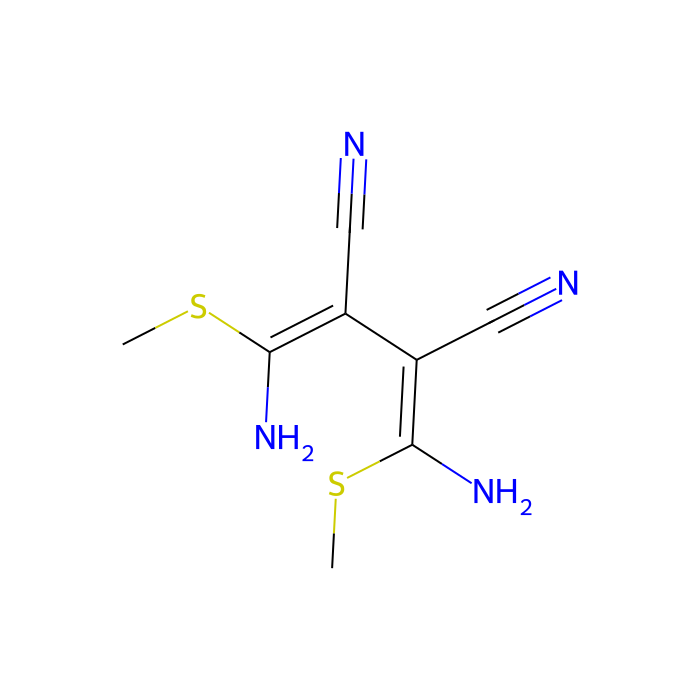
Product Name: U0124 (SKU: U287884)
CAS: 108923-79-1
PubChem CID: 5627
InChIKey: 195344 (note: this does not match standard InChIKey format; verify with CoA)
Molecular formula: Not specified for this item; refer to CoA/Spec Sheet.
Molecular weight: Not specified for this item; refer to CoA/Spec Sheet.
SMILES: Not specified for this item; refer to CoA/Spec Sheet.
Interpretive notes
The combination of CAS 108923-79-1 and a protein category is atypical; cross-check identifiers on the Certificate of Analysis (CoA) before use in critical experiments.
General chemistry/biochemistry guidance (literature/typical)
Proteins are polymers of α-amino acids linked by peptide bonds, commonly featuring defined domains and post-translational modifications. Without a defined sequence, structural features (secondary, tertiary) cannot be stated.
If this item is a protein, the 2D “structure” is not adequately represented by SMILES; identity relies on sequence, mass, and functional characterization (e.g., SDS-PAGE banding, intact-MS, activity assay).
Synthetic Utility
Applicability
If the item is a protein, it is generally not used as a classical synthetic reagent in organic synthesis. Thus, this section is not typically applicable.
General notes (if it were a small molecule; not item-specific)
Small molecules labeled similarly in literature may act as biochemical probes or tool compounds. Their synthetic utility lies primarily in SAR exploration and as reference standards rather than as building blocks.
Recommendation
Confirm identity via CoA before planning any use in chemical synthesis. If confirmed as a protein, focus on buffer, stability, and bioassay sections for relevant guidance.
Target Specificity
Item-specific facts (from Product Data)
No target, antigen, or binding specificity information is provided for this SKU.
Status
Target specificity cannot be described without validated identity and characterization data (e.g., sequence, activity, epitope mapping, binding constants). Refer to the CoA and any accompanying technical data sheets.
Guidance
If using in a binding or inhibition study, independently confirm specificity using orthogonal assays (e.g., competition, knockout/knockdown controls, off-target panels) prior to interpretive studies.
Preguntas frecuentes
How should this product be stored?
Store at room temperature.
How is this product shipped?
This product ships under standard ambient conditions. No temperature-controlled packaging is required.
What are the CAS number, molecular formula and molecular weight?
The CAS Number is 108923-79-1, the molecular formula is C?H??N?S?, and the molecular weight is 226.31 g/mol. InChIKey LBQNBMSPTURKGS-UHFFFAOYSA-N.
What documentation is provided?
Available product documentation, including Certificates of Analysis (COA), Safety Data Sheets (SDS), and specification sheets, is shown in the product document area. Document availability and access follow the current site policy.
Utilizamos cookies para garantizar el correcto funcionamiento del sitio web y, cuando esté permitido, para mejorar su experiencia. Puede gestionar sus preferencias en cualquier momento en Configuración. Más información en nuestra Política de Cookies.
¿Quieres que te enviemos un mensaje cuando tengamos descuentos disponibles?
Recordármelo más tarde
¡Gracias! Por favor, revisa tu bandeja de entrada de correo electrónico para confirmar.
Products are supplied to verified businesses, institutions, and qualified professionals for research and development use only. Not for use in humans, animals, diagnosis, or therapy.