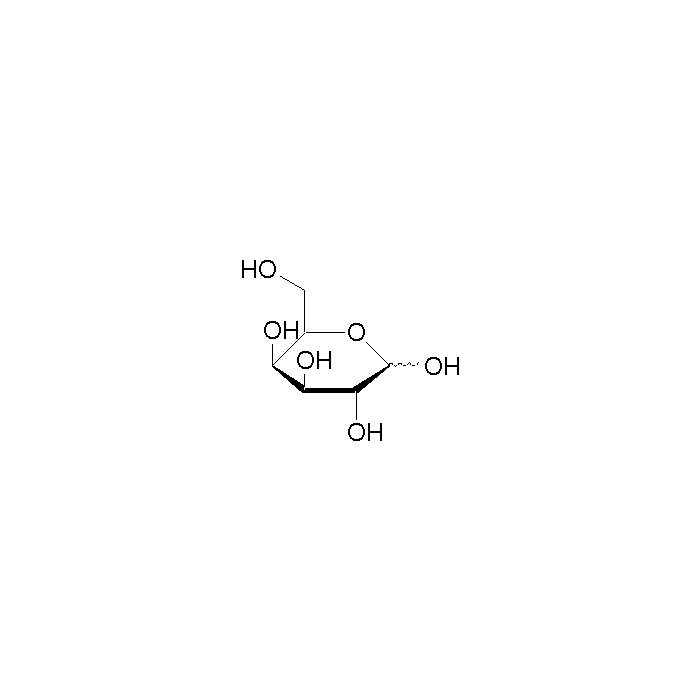
D-(+)-Galactose - Animal Free, Low Endotoxin, for cell culture, ≥99% , CAS No.59-23-4

CAS: 59-23-4 Cat. No.: G665269 Formula: C6H12O6 Peso molecolare: 180.16 Beilstein Registry Number: 1724619 Numero EC: 200-416-4
Disponibile su ordine
GRADE & PURITY Animal Free ? Animal-free — produced without animal-derived components to reduce contamination risk. Use in biomanufacturing and culture avoiding animal-origin material. Low Endotoxin ? Low-endotoxin grade — endotoxin reduced to low controlled levels. Use in sensitive biological work where high endotoxin would interfere. for Cell culture ? Cell-culture grade — low endotoxin and contaminants to support viable cell growth. Use in mammalian/other cell culture media and supplements. ≥99%
Storage
Room temperature,Argon charged
Shipped In
Normal
★
Size
Germania (EU)
USA*
Price
Qty
25g
G665269-25g
—
1 Disponibile

25,08€

34,62€
Salva 9,55 € (27.57%)
100g
G665269-100g
—
1 Disponibile
75,41€
500g
G665269-500g
1 Disponibile
2 Disponibile
242,01€
Enter a quantity for the sizes you want to add.
🧪
Why this grade

Animal Free, Low Endotoxin, for cell culture, ≥99% Animal Free,Low Endotoxin,per la coltura cellulare for sensitive chromatographic and analytical workflows requiring minimal baseline interference.

🌡

Storage & shipping

Room temperature,Argon charged Ships Normal Check lot-specific COA for exact specifications.

📋

Quality documents

SDS, COA, datasheet, and spec sheet available for download. Lot-specific COA accessible via lot number lookup.

📚

Literature proof

Cited in 212 peer-reviewed publications across chromatography, organic synthesis, and cross-coupling reactions.

Panoramica

D-Galactose is the C-4 epimer of glucose sometimes used to study senescence.
The C-4 epimer of glucose.

Specifications

Specifiche e purezza
Animal Free, Low Endotoxin, for cell culture, ≥99%
Meccanismi biochimici e fisiologici
D-Galactose is the C-4 epimer of glucose sometimes used to study senescence.
Condizioni di conservazione di stoccaggio
Room temperature,Argon charged
Spedito in
Normal
Grado
Animal Free, Low Endotoxin, per la coltura cellulare
Purezza
≥99%
Nomi e identificatori
WGK Germania
3
RTECS
LW5490000
Peso molecolare
180.16
Beilstein
1724619

Documentazione

📋 Safety Data Sheet (SDS)

Comprehensive hazard, handling, storage, and regulatory compliance document.

Download SDS →

✅ Certificate of Analysis (COA)

Lot-specific quality data. Enter your lot number to retrieve the exact COA.

Look up COA →

📊 Datasheet

Quick-reference summary of product specifications and applications.

View datasheet →

🔬 Specification Sheet

Full quality attributes and acceptance criteria for this grade.

View spec sheet →

Advanced Data

Certificati (CoA, COO, BSE/TSE e tabella di analisi)
C of A & Other Certificates(BSE/TSE, COO):
Analytical Chart:

Find and download the COA for your product by matching the lot number on the packaging.

17 results found

Lot NumberCertificate TypeDataOggetto
F2622012Certificate of AnalysisDec 08, 2025 G665269
L2525380Certificate of AnalysisDec 08, 2025 G665269
L2525379Certificate of AnalysisDec 08, 2025 G665269
L2525378Certificate of AnalysisDec 08, 2025 G665269
L2525359Certificate of AnalysisDec 08, 2025 G665269
E2620172Certificate of AnalysisDec 08, 2025 G665269
E2615194Certificate of AnalysisDec 08, 2025 G665269
E2523024Certificate of AnalysisApr 16, 2024 G665269
D2428274Certificate of AnalysisApr 16, 2024 G665269
G2523042Certificate of AnalysisApr 16, 2024 G665269
I2525063Certificate of AnalysisApr 16, 2024 G665269
L2416781Certificate of AnalysisApr 16, 2024 G665269
L2423551Certificate of AnalysisApr 16, 2024 G665269
D2514046Certificate of AnalysisApr 16, 2024 G665269
D2428277Certificate of AnalysisApr 16, 2024 G665269
D2428276Certificate of AnalysisApr 16, 2024 G665269
D2428275Certificate of AnalysisApr 16, 2024 G665269
Proprietà chimiche e fisiche
SolubilitàSoluble in water (68%) at 25 °C, pyridine, and alcohol (slightly).
SensibilitàMoisture sensitive.
Indice di rifrazionen20D 1.57
Rotazione specifica [α]80 ° (C=10, H2O)
Punto di ebollizione (°C)527.1° C at 760 mmHg
Punto di fusione (°C)165-168°C
Domande frequenti e articoli
Guidelines For Common Cell Culture Media
For Cell Culture
Glucose Oxidase: A Versatile Biocatalyst Across Multiple Fields
An Introduction to Research-Grade Carbohydrates: Decoding the “Glycan Language” and a Product-Selection Guide (with Tables 1–3)
Sialyltransferases: Linkage Types, Structural Features, and Key Application Considerations
Glucose Content Determination: A Systematic Review of Detection Principles, Method Validation, and Research Application Frameworks
Hemicellulases: A Review of Substrate Specificity, Catalytic Systems, and Research and Industrial Applications
Pyran and the “Pyran Family” Research Selection Guide: Key Structural Points, a Classification Roadmap, and Experimental Selection Navigation
Progress in Research on Sugar-Nucleotide Metabolism Related to Ascorbate Biosynthesis in Plants
Formation of Nucleotide-Sugar Precursors and Regulatory Mechanisms in Plant Growth and Development
Galactose-Related Precursor Conversion and Redox Regulation in Plant Ascorbate Biosynthesis
Porous Graphitic Carbon (PGC) Chromatography Columns: Creating New Selectivity for Challenging Separations through Molecular Shape and the π-Electron Cloud on the Graphitic Surface
β-Galactosidase: Mechanism, Structural Basis, and Application Guide
Enzymatic Preparation of D-Mannose: Isomerization Conversion, Polysaccharide Hydrolysis, and Process Control
β-Galactosidase: Mechanism, Structural Basis, and Application Guide
Moisturizing Mechanisms of Tremella fuciformis Polysaccharides: From Polysaccharide Structure and Hydration Rheology to Dynamic Film Formation on the Skin Surface
Skin Mechanism of Action of Pro-Xylane: From C-Xyloside Priming and CS/DS Chain Remodeling to the Dermal–Epidermal Junction
Effect of Glycosylation on the Hydrophilic–Lipophilic Partitioning and Solubility Behavior of Natural Products—Quercetin, Isoquercitrin, and Rutin as Examples
Citations of This Product
Calcolatori di soluzioni
Recensioni

Recensioni dei clienti

Need help choosing the grade?

Our grade selection guide covers purity, stabilizer status, and application suitability for all variants in our catalog.

View Animal Free grade guide → View Low Endotoxin grade guide → View for Cell culture grade guide →

Shall we send you a message when we have discounts available?

Remind me later

Thank you! Please check your email inbox to confirm.

Oops! Notifications are disabled.