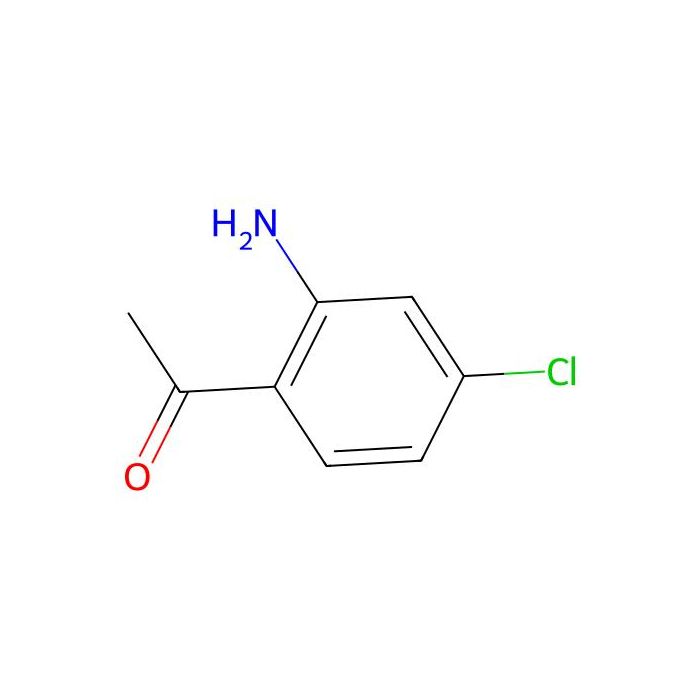
This compound belongs to the class of organic compounds known as alkyl-phenylketones. These are aromatic compounds containing a ketone substituted by one alkyl group, and a phenyl group.
External Descriptors
Not available
1. Djoumbou Feunang Y, Eisner R, Knox C, Chepelev L, Hastings J, Owen G, Fahy E, Steinbeck C, Subramanian S, Bolton E, Greiner R, and Wishart DS. ClassyFire: Automated Chemical Classification With A Comprehensive, Computable Taxonomy. Journal of Cheminformatics, 2016, 8:61.
Determine the necessary mass, volume, or concentration for preparing a solution.
Dilution Calculator
Determine the dilution needed to prepare a stock solution.
Reconstitution Calculator
Reviews
Customer Reviews
Application Protocols
Not applicable. No validated bioanalytical applications (e.g., WB, IHC, IF, FC) are provided for this small-molecule building block in the Product Data. For synthetic use, refer to the Reaction Conditions and Synthetic Utility sections for general laboratory guidance.
Biological Roles
Scope
This compound is a synthetic aromatic amine/ketone building block intended for research and chemical synthesis. It is not a biological buffer, cofactor, or nutrient.
General biochemical considerations (literature)
Aromatic anilines can undergo metabolic N-acetylation and N-oxidation in biological systems; aryl methyl ketones can be reduced or further oxidized in vivo. These are generic observations about structural motifs and not specific to this item.
The o-amino acetophenone motif is frequently used as a precursor to heterocycles (e.g., quinazolinones), many of which are studied in chemical biology; however, such downstream structures and activities are distinct from this starting material.
Laboratory handling in bioassays
For in vitro screening, DMSO stock solutions are commonly prepared; final assay DMSO concentrations are typically kept ≤1% v/v to minimize solvent effects (general practice). Actual solubility/compatibility must be verified empirically.
No validated endogenous biological role or pathway participation is assigned to 1-(2-amino-4-chlorophenyl)ethanone. Any biological testing should be conducted under appropriate institutional approvals, and this product is for research use only (per Product Data).
Buffer Applications
This molecule is not a buffering agent and is not typically used to prepare biochemical buffer systems. It lacks conjugate acid/base pairs with suitable pKa spacing and solubility characteristics for maintaining physiological pH.
Practical note
If aqueous manipulation is needed (e.g., extraction or salt formation), acidic aqueous solutions can protonate the aniline (forming anilinium salts) to aid phase transfer. This is a synthetic handling strategy rather than a buffering application.
For buffer preparation guidance, consider dedicated buffers (e.g., phosphate, Tris, HEPES) rather than this aromatic building block.
Green Alternatives
Greener choices focus on solvent selection and process intensification, since the substrate is a specialty aromatic building block.
Solvent substitution (literature guidance)
Replace chlorinated solvents (DCM) with ethyl acetate or 2-MeTHF where solubility permits.
Substitute DMF/DMSO with Cyrene, propylene carbonate, Me-THF, or CPME for certain condensations and couplings, balancing solubility and reaction rates.
Energy and waste minimization
Use water-removal strategies (molecular sieves/Dean–Stark) to drive imine/cyclization chemistry at lower temperatures or under solvent-free/mechanochemical conditions when feasible.
Apply high-activity cross-coupling catalysts/ligands to lower catalyst loading and temperature for aryl chloride activation.
Comparative view (general)
Conventional vs greener options:
DCM → Ethyl acetate or CPME: reduced toxicity and environmental impact, similar volatility for easy removal.
DMF → 2-MeTHF/Cyrene/PC: improved EHS profile; note different polarity/boiling points may affect rates.
THF → 2-MeTHF: better stability and renewable sourcing; similar solvent behavior with higher hydrophobicity.
Tradeoffs to consider
Solubility: highly polar media (DMSO/DMF) may be necessary for concentrated stock solutions; greener substitutes may require dilution or co-solvents.
Catalyst compatibility: some green solvents can alter ligand solubility or base activity; small-scale scouting is recommended.
Item-specific greenness metrics (e.g., PMI, solvent selection guides) are not specified for this SKU; adopt your organization’s solvent selection guide (GSK/ACS/PMI) during route design.
Pharmaceutical Uses
Role in pharma workflows (general)
This compound can function as a synthetic intermediate in medicinal chemistry, enabling rapid access to substituted anilines, quinazolinone-like heterocycles, and cross-coupled aryl derivatives. Such roles are in the context of discovery and process chemistry, not as an active ingredient or excipient.
Excipient/formulation status
Not a recognized pharmaceutical excipient. No pharmacopeial monograph is indicated. Any use would be as an intermediate in API route development or SAR exploration.
Handling in medicinal chemistry labs
Prepare DMSO or organic stock solutions for high-throughput screening synthesis sets; store at room temperature as specified, in tightly capped containers to minimize oxidation/moisture uptake.
Consider protection of the aniline (Boc, acyl) during multi-step sequences to improve stability and selectivity.
Regulatory note
As a research chemical, it should be handled under R&D-grade controls. No clinical or therapeutic claims apply.
Item-specific pharmacopeial status, residual solvent limits, and impurity thresholds are not specified for this item; refer to internal quality systems and the CoA/Spec Sheet when qualifying for GMP-adjacent use.
Physical Properties
Item-specific measured properties are not provided in the Product Data for this SKU. Where useful, general/literature or computed information is noted; these are not Aladdin specifications for this item.
Item-specific data (from Product Data)
Appearance: Not specified for this item; refer to CoA/Spec Sheet.
Molecular Weight: Not specified for this item; refer to CoA/Spec Sheet. (Computed value ~169.61 g/mol is provided below as literature/computed.)
Storage Conditions: Room temperature (per Product Data).
Literature/computed (general, non-spec)
Molecular formula: C8H8ClNO (derived from structure/name).
Exact mass/monoisotopic: ~169.029 g/mol (computed, for C8H8 35Cl N O).
Expected physical state: aromatic anilines/acetophenones in this substitution pattern are typically crystalline solids at ambient conditions (literature trend; not item-specific).
Solubility profile (qualitative, literature):
Organic: soluble in polar aprotic solvents (DMSO, DMF), moderately soluble in ethyl acetate, dichloromethane, acetonitrile; limited in hexanes.
Aqueous: sparingly soluble at neutral pH; increased apparent solubility in acidic aqueous media via formation of anilinium salts.
UV/Vis: aromatic π–π* absorption expected in the near-UV (literature generality for acetophenones/anilines). Exact λmax not specified for this item.
pKa (anilinium conjugate acid): typically ~4–6 for anilines (literature general range; specific value for this compound not specified).
For authoritative, item-specific physical parameters (mp, purity, density, refractive index, UV cutoff, water or metal content), refer to the CoA/Spec Sheet. Do not treat the above as specifications.
Quality & Grades
Item-specific grade/purity (from Product Data)
Grade/Purity: Not specified for this item; refer to CoA/Spec Sheet.
What grade means (general guidance)
When specified, reagent/AR grade indicates suitability for general synthesis with tight impurity limits; higher designations (e.g., 95–99% purity) reflect the assay of the main component by validated methods (GC, HPLC, NMR). HPLC grade is typically reserved for solvents with low UV absorbance and very low nonvolatile residues; it does not usually apply to solid building blocks like this compound.
Impurities of concern (general for aromatic amine/ketone building blocks)
Potential process-related impurities include regioisomers, over-acylated species, residual halogenated precursors, and oxidative byproducts (e.g., azobenzene-type dimers or quinone imines for anilines). Residual inorganic salts and solvent traces (DMF/DMAc/EtOAc) may also be relevant.
Quality control considerations
Identity typically confirmed by 1H/13C NMR and MS; purity by HPLC/GC and qNMR. Elemental analysis can corroborate composition (C, H, N, Cl). Water content by Karl Fischer if applicable.
For cross-coupling or heterocycle formation, trace metal content is often not critical in the starting aryl chloride, but halide assay and amine content (titration) can be informative.
For this SKU, please consult the CoA/Spec Sheet for the definitive assay, impurity profile, and any stabilizers or special test limits. Do not infer unstated specifications.
Reaction & Applications
As an o-amino, p-chloro acetophenone, this reagent is a versatile building block enabling orthogonal reactivity at the aniline (nucleophilic), the aryl chloride (cross-coupling), and the methyl ketone (carbonyl) sites.
Carbonyl transformations (literature)
Imine/Schiff base formation with aldehydes/ketones (catalytic acid, drying agents), followed by reduction (NaBH3CN or H2/Pd) to access benzylic amines.
Alpha-functionalization (enolization under basic or Lewis acidic conditions) for halogenation, alkylation, or formation of chalcones via Claisen–Schmidt condensations with benzaldehydes.
Ortho-aniline-driven cyclizations (literature)
Condensation with formamide/formamidines or orthoesters to construct 2,3-dihydroquinazolin-4-ones/quinazolin-4(3H)-ones.
Cyclizations with isothiocyanates or nitriles under dehydrating conditions to build benzimidazolone/quinazolinone-like frameworks.
Aryl chloride cross-coupling (literature)
Suzuki–Miyaura, Sonogashira, or Buchwald–Hartwig couplings with aryl/alkenyl/alkynyl partners using Pd catalysis; aryl chlorides typically require more active ligands (e.g., XPhos/SPhos, BrettPhos) and elevated temperatures.
Protection strategies
Temporary protection of the aniline (Boc, acyl) can improve chemoselectivity in cross-coupling or electrophilic steps.
Practical tips
Dry solvents and controlled addition improve imine formation; 3 Å molecular sieves are effective.
For cross-couplings, ensure base compatibility with the aniline (avoid excessive deprotonation leading to catalyst inhibition). Pre-protection may be beneficial.
Manufacturer Applications: Not specified in Product Data; the above reflects general literature uses for this structural class.
Reaction Conditions
The following are literature-style general conditions for typical transformations of o-amino aryl methyl ketones and aryl chlorides. They are not item-specific specifications.
Imine/Schiff base formation and reductive amination
Carbonyl + amine + aldehyde/ketone, catalytic acid (0.1–1 equiv AcOH or p-TsOH), solvent toluene, MeOH, or MeCN; remove water (3 Å sieves or Dean–Stark). Room temp to 80 °C, 2–16 h. Reduction with NaBH3CN (MeOH, pH ~6) or NaBH(OAc)3 (DCE/MeCN) at 0–25 °C, 1–6 h.
Oxime/hydrazone formation
Hydroxylamine hydrochloride (1.2–1.5 equiv) or hydrazine derivatives, pyridine/Et3N base, EtOH/MeOH, rt to reflux, 2–12 h.
Claisen–Schmidt (chalcone) condensation
Base (NaOH/KOH, 10–30 mol%), ethanol or MeOH/H2O, 0–25 °C initial, then rt to 50 °C, 4–24 h; or under basic alumina in solvent-free grinding (mechanochemistry).
Reduction of aryl methyl ketone
NaBH4 (1–2 equiv) in MeOH/EtOH at 0–25 °C, 0.5–3 h; or catalytic hydrogenation (Pd/C, 1–10 wt%, H2 1–5 atm) in EtOH/EtOAc at rt–50 °C.
With formamide/orthoesters or amidines under Brønsted/Lewis acid catalysis (e.g., p-TsOH, ZnCl2); 80–140 °C, 4–16 h, in toluene, xylene, or solvent-free conditions.
Optimize on small scale; aniline functionality may coordinate or inhibit catalysts—protection can improve outcomes.
Safety & Handling
Safety information below provides general guidance for aromatic anilines and aryl methyl ketones. Always consult the product SDS for authoritative, item-specific details.
Item-specific hazard fields (from Product Data)
Signal Word: Not specified for this item; refer to SDS.
H-Statements: Not specified for this item; refer to SDS.
GHS Classification/Pictograms: Not specified for this item; refer to SDS.
General hazards (literature/general for anilines/aryl ketones)
May be harmful if swallowed, inhaled, or in contact with skin; anilines can cause methemoglobinemia upon significant exposure. Avoid dust formation and inhalation.
Irritating to eyes, skin, and respiratory tract. Aromatic amines may be sensitizers in some individuals.
Recommended PPE and handling
Wear lab coat, safety glasses or splash goggles, and appropriate chemically resistant gloves (e.g., nitrile). Work in a fume hood.
Avoid strong oxidizers (risk of exothermic reactions/oxidation). Keep away from strong acids/bases that could induce undesired reactions (e.g., imine formation/hydrolysis equilibria) during storage.
Storage incompatibilities and precautions
Store tightly closed at room temperature (per Product Data) in a dry, well-ventilated place. Protect from light if long-term storage to minimize degradation/oxidation.
Segregate from oxidizing agents and acyl chlorides/strong electrophiles.
First-aid overview (general)
Inhalation: move to fresh air; seek medical attention if symptoms persist.
Skin: wash with soap/water; remove contaminated clothing.
Eyes: rinse cautiously with water for several minutes; remove contact lenses if easy; seek medical attention.
Ingestion: rinse mouth; do not induce vomiting; seek medical advice.
Defer to the SDS for GHS classification, exposure limits, and spill/firefighting measures.
Solvent Selection
This compound bears both an aniline and an aromatic ketone; it shows good affinity for moderately polar organic solvents and limited aqueous solubility at neutral pH.
Polarity and miscibility (general)
Polarity class: moderately polar aromatic building block.
Expected solubility: high in DMSO and DMF; good in acetonitrile, ethyl acetate, and dichloromethane; moderate in methanol/ethanol; low in alkanes. Apparent aqueous solubility increases under acidic conditions via anilinium salt formation.
Common choices by application
Stock solutions for screening: DMSO (10–100 mM), filter if needed; protect from moisture.
Nucleophilic imine/Schiff base chemistry: toluene, benzene substitutes, or acetonitrile with water removal (Dean–Stark or molecular sieves).
Reductive amination: MeOH/EtOH, THF, or acetonitrile with NaBH3CN/NaBH(OAc)3.
Cross-coupling (aryl chloride): toluene, dioxane, THF, or polar co-solvents (DMF/MeCN) with appropriate ligands.
Workup: acidify to transfer to aqueous phase (as anilinium) then basify to recover free base; or use organic extraction directly if neutral conditions are required.
Brief comparison (general)
DMSO/DMF: maximize solubility but challenging removal; consider 2-MeTHF/EtOAc when feasible for greener profiles.
EtOAc/DCM: good handling and volatility; DCM has higher environmental/health concerns.
Item-specific solubility data are not specified for this product; verify experimentally on your scale.
Storage & Reconstitution
Storage (item-specific)
Store at room temperature (per Product Data) in a tightly closed container, in a dry, well-ventilated place. Protect from moisture and prolonged exposure to air/light.
Stability considerations (general)
Aromatic anilines can slowly oxidize on air to colored byproducts; minimize headspace oxygen and avoid extended light exposure. If long-term storage is planned, consider inert-atmosphere packaging and desiccant.
Reconstitution and solution preparation (general)
Prepare stock solutions in DMSO or DMF for high concentration; ethyl acetate, acetonitrile, methanol, ethanol, or dichloromethane are also suitable depending on use.
Typical screening stocks: 10–100 mM in DMSO; filter through PTFE (0.2 µm) if particulates are observed. Record exact concentration by weight-in/volume or by quantitative NMR if critical.
For aqueous work, transient protonation (dilute HCl) forms anilinium salts to aid dissolution; neutralize post-use to regenerate the free base.
Freeze–thaw guidance
If solutions must be stored, keep at ≤–20 °C in amber vials under inert gas to slow degradation; avoid repeated freeze–thaw by aliquoting. Solid material is generally preferred for long-term storage.
For any item-specific stability, assay on storage, or solution shelf-life claims, refer to the CoA/Spec Sheet; not specified values should not be inferred.
Structure & Identity
1-(2-Amino-4-chlorophenyl)ethanone is an ortho-amino, para-chloro substituted acetophenone, combining an aniline functionality with an aromatic methyl ketone.
Item-specific identifiers (from Product Data)
SKU: E691107
CAS: 39061-72-8
InChIKey: 439137 (as provided; complete InChIKey not specified for this item; refer to CoA/Spec Sheet.)
SMILES: Not specified for this item; refer to CoA/Spec Sheet.
Computed/literature structural data (general)
Molecular formula (derived from name): C8H8ClNO (literature/computed)
Molecular weight: ~169.61 g/mol (computed)
Preferred IUPAC-like name (descriptive): 1-(2-amin0-4-chlorophenyl)ethanone (an ortho-amino, para-chloro acetophenone)
Structural features (general description)
Core: monosubstituted benzene bearing three substituents overall: an acyl group (–COCH3) at C1, an amino group (–NH2) at C2 (ortho to the carbonyl), and a chloro substituent at C4 (para to the carbonyl).
Electronic characteristics: the –NH2 group is strongly ortho/para directing and electron-donating by resonance, while the –COCH3 is meta-directing and deactivating; –Cl is weakly deactivating yet ortho/para directing via resonance. The juxtaposition of an o-amino and aryl ketone enables intramolecular condensation chemistry (e.g., toward quinazolinone/dihydroquinazoline scaffolds in the presence of C1/N sources, literature).
2D structure in words
A benzene ring with an acetyl group at position 1; an –NH2 at position 2 (adjacent to the acyl); and a chlorine at position 4 (para to the acyl). No stereocenters; molecule is achiral.
Synthetic Utility
This substrate offers three orthogonal handles that enable diverse disconnections and convergent synthesis strategies.
Aniline (–NH2) reactivity
Electrophilic acylation/sulfonylation to install protecting groups (Boc via Boc2O, acyl via acid chlorides/anhydrides, sulfonyl via sulfonyl chlorides).
Imine/Schiff base formation with aldehydes/ketones; reductive amination for benzylic amines.
Urea/thiourea formation with isocyanates/isothiocyanates.
Aryl chloride (–Cl) as cross-coupling handle
Suzuki–Miyaura to install aryl/alkenyl substituents; Sonogashira for alkynes; Negishi/Kumada under more activating ligands. For aryl chlorides, use Pd(0)/bulky biaryl phosphines (e.g., XPhos/SPhos/BrettPhos) or NHC–Pd catalysts.
Aromatic methyl ketone (–COCH3) chemistry
Enolate generation for alpha-alkylation/arylation or aldol/Claisen–Schmidt condensations.
Oxime/hydrazone formation; Beckmann rearrangement pathways to amide frameworks (substrate-dependent).
Reduction to secondary alcohol (NaBH4 or catalytic hydrogenation), enabling downstream cyclizations or Mitsunobu-type inversions.
Heterocycle construction (from o-amino aryl ketones; literature)
Formation of dihydroquinazolin-4-ones/quinazolinones using formamide/formamidines/orthoesters under acid or Lewis acid catalysis.
Annulations with nitriles/isothiocyanates to access benzimidazolone-like cores.
Strategy notes
Protect the aniline during basic enolate chemistry to avoid side reactions or catalyst deactivation in cross-coupling.
The para-chloro can be selectively engaged under Pd catalysis while retaining the aniline for subsequent transformations.
Target Specificity
Not applicable. This product is a small-molecule chemical building block and is not an antibody, enzyme, or targeted biological reagent. No antigen/epitope, species reactivity, clone, or isotype information applies.
We use cookies to ensure the website functions properly and, where permitted, to improve your experience. You can manage your preferences at any time in Settings. Learn more in our Cookie Policy.
Shall we send you a message when we have discounts available?
Remind me later
Thank you! Please check your email inbox to confirm.
Products are supplied to verified businesses, institutions, and qualified professionals for research and development use only. Not for use in humans, animals, diagnosis, or therapy.