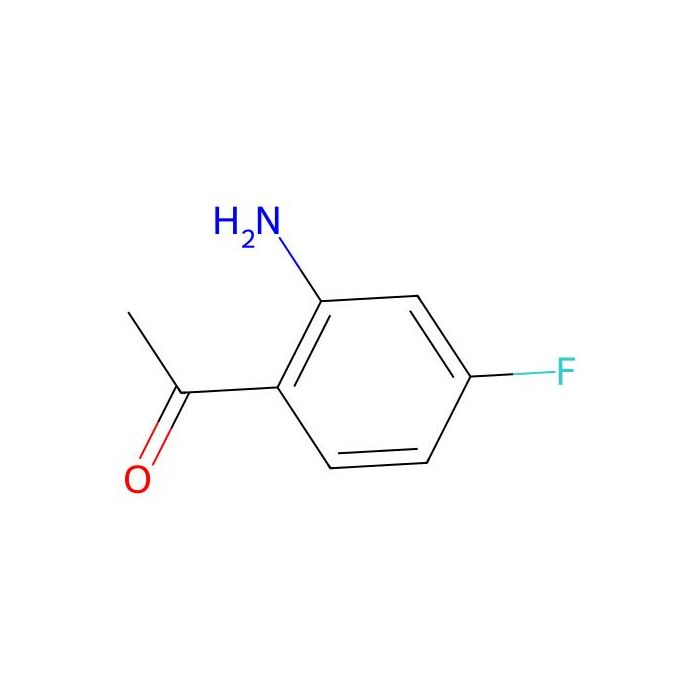
This compound belongs to the class of organic compounds known as alkyl-phenylketones. These are aromatic compounds containing a ketone substituted by one alkyl group, and a phenyl group.
External Descriptors
Not available
1. Djoumbou Feunang Y, Eisner R, Knox C, Chepelev L, Hastings J, Owen G, Fahy E, Steinbeck C, Subramanian S, Bolton E, Greiner R, and Wishart DS. ClassyFire: Automated Chemical Classification With A Comprehensive, Computable Taxonomy. Journal of Cheminformatics, 2016, 8:61.
Determine the necessary mass, volume, or concentration for preparing a solution.
Dilution Calculator
Determine the dilution needed to prepare a stock solution.
Reconstitution Calculator
Reviews
Customer Reviews
Application Protocols
No assay-specific or bioanalytical protocols are validated for this item in the Product Data.
Tested applications and recommended dilutions: Not applicable.
General usage suggestions (chemistry focus):
For analytical QC, prepare ~1–10 mg/mL solutions in acetonitrile or DMSO for LC–MS/HPLC; filter through 0.2 µm PTFE prior to injection.
For parallel synthesis, pre-dry the solid under vacuum, then dispense by weight into reaction blocks; dissolve in MeCN, EtOH, or DMF according to the reaction class (see Reaction Conditions).
Always confirm identity and purity (1H/13C NMR, HRMS/LC–MS) before downstream use in research applications.
Biological Roles
This product is a synthetic organic building block rather than a biological reagent. No item-specific biological roles are provided.
Item-specific biological function: Not specified for this item; refer to literature if using as an intermediate in bioactive compound synthesis.
General context (for bench scientists; not medical/clinical claims):
Aromatic amine–ketone scaffolds occur in many small-molecule libraries used to probe enzyme inhibition, receptor binding, and materials properties.
The aniline moiety can interact via hydrogen bonding and π–π stacking in protein–ligand models; the aryl ketone can modulate polarity and metabolic stability of derived analogs (literature concepts).
The para-fluoro substituent is often used in medicinal chemistry to tune electronic properties and block metabolic hydroxylation at the corresponding position (general SAR rationale).
Note: Any use in biological assays should include proper controls and compound identity/purity verification (NMR/LC–MS). This product is designated for research use only.
Buffer Applications
This material is not a buffering agent and is not typically used to prepare biochemical buffers or electrophoresis solutions.
Buffer use: Not applicable.
Practical note: If aqueous work is required (e.g., for bioassays), solubilize first in a miscible co-solvent (DMSO, MeOH) and dilute into the buffer while monitoring final co-solvent content (<1–2% v/v typically) to avoid precipitation.
Green Alternatives
Strategy focuses on solvent and reagent selection, since the substrate is fixed.
Greener solvent choices (general guidance):
Replace chlorinated solvents where possible:
Use ethyl acetate, 2-MeTHF, or cyclopentyl methyl ether (CPME) instead of dichloromethane for extractions and medium-polarity reactions.
Prefer acetonitrile or alcohols (EtOH/MeOH) over DMF/DMSO when feasible to ease workup and reduce energy usage in solvent removal.
For condensations/azo coupling, consider bio-based solvents (e.g., 2-MeTHF, limonene blends) where compatible.
Comparison snapshot (general; not item specs):
DCM vs EtOAc: EtOAc has lower toxicity and better environmental profile; similar polarity but higher boiling point aids certain reactions.
DMF/DMSO vs MeCN/2-MeTHF: MeCN/2-MeTHF are easier to remove; DMF/DMSO maximize solubility but complicate waste treatment.
Reagent and process considerations:
Use solid-supported acids/bases (e.g., sulfonic resins) to minimize aqueous neutralization steps.
Favor catalytic over stoichiometric reagents (e.g., catalytic hydrogenation for carbonyl reductions, organocatalysts for imine formation).
Implement microscale screening to identify milder, lower-solvent systems.
Waste minimization:
Crystallization-induced purification can reduce chromatographic solvent use (salt formation with HCl or p-TsOH may aid isolation).
Consider recycling of greener ethers (2-MeTHF/CPME) due to low peroxide formation compared to THF/Et2O (literature note).
Pharmaceutical Uses
No pharmacopeial/excipient status or formulation role is provided for this item.
Item-specific pharmaceutical/excipient use: Not specified for this item; refer to CoA/Spec Sheet.
General information (manufacturing chemistry perspective; no therapeutic claims):
1-(2-Amino-4-fluorophenyl)ethanone serves as a synthetic intermediate in the preparation of heterocycles and substituted anilide frameworks that may be evaluated in discovery programs.
The para-fluoro group is a common handle for tuning electronic properties and metabolic stability during SAR exploration; the o-amino/ketone motif enables rapid library diversification via condensations and cyclizations.
For process chemistry, salt formation (e.g., HCl, sulfate) may be used to improve handling, purity, or crystallinity of intermediates derived from this building block.
Regulatory note: This product is supplied for research use only and is not approved for drug, diagnostic, or household use.
Physical Properties
Item-specific physical specifications (mp, bp, density, solubility, UV cutoff, refractive index, water/peroxide/metal limits) are not provided in the Product Data.
Numeric specifications for this item: Not specified for this item; refer to CoA/Spec Sheet.
General/literature-based expectations (for professional guidance; not product specifications):
State/appearance (literature): Typically a crystalline solid for substituted acetophenones bearing an aniline; color may range from off-white to light tan depending on trace impurities/oxidation.
Acid–base behavior (general): Contains a weakly basic aniline nitrogen (pKa of conjugate acid typically ~4–6 for anilines, literature), and a neutral aryl ketone; forms salts with strong mineral acids (e.g., HCl) to enhance water solubility.
Solubility (general): Expected to be soluble in polar organic solvents (e.g., ethanol, methanol, acetonitrile, acetone), highly soluble in DMSO/DMF, and sparingly soluble in water in the free-base form; aqueous solubility increases as the ammonium salt.
Volatility (general): Low volatility typical of aryl ketone solids; amenable to handling on the bench with standard precautions.
Practical notes (general):
For NMR, CDCl3, DMSO-d6, or acetone-d6 are commonly suitable. Protonation (e.g., with TFA-d) can sharpen aniline resonances.
For chromatography, silica gel is suitable; an aniline group may tail—use 0.1–1% Et3N or switch to neutral alumina to improve band shape.
Protect from prolonged strong light/air during analysis to minimize slow oxidative discoloration of aniline-containing materials (general precaution).
Quality & Grades
Grade/purity: Not specified for this item; refer to CoA/Spec Sheet for assay, chromatographic purity, and impurity profile.
Appearance: Not specified for this item; refer to CoA/Spec Sheet.
Stabilizers/additives: Not specified for this item; refer to CoA/Spec Sheet.
Guidance on interpreting common grades (general information):
Research/technical grade: Suitable for most synthetic applications; trace impurities may influence sensitive catalytic reactions.
>98–99% (typical literature thresholds for building blocks): Often adequate for medicinal chemistry SAR; residual inorganic salts/solvents assessed via CoA.
HPLC grade (solvents) / LC–MS grade (solvents): Not applicable to this solid; however, low-UV-absorbing eluents are useful for analytical methods.
Best practices to ensure quality in use (general):
Record batch number and retain CoA for reproducibility.
If necessary for critical work, perform a quick quality check (1H NMR, LC–MS, HPLC area%) before use. Anilines can show minor oxidative impurities; if present, purify by flash chromatography or recrystallization.
For water-sensitive steps, dry the solid under vacuum at ambient or mild temperature prior to use (avoid overheating aromatic amines).
Shipping/storage notes:
Storage condition provided: Room temperature. No specific shipping conditions were provided in Product Data.
Reaction & Applications
As an ortho-amino, para-fluoro acetophenone, this building block is versatile in heterocycle construction and condensation chemistry.
Representative application families (general literature guidance):
Condensation at the ketone:
Formation of imines/Schiff bases with external amines (reversible; typically driven by azeotropic removal of water or use of dehydrating agents).
Oxime and hydrazone derivatives (with hydroxylamine/hydrazines) useful as protecting/activating groups; oximes can be leveraged in Beckmann rearrangements.
Enamine formation under secondary amine catalysis for further functionalization.
Ortho-amine enabled cyclizations:
The proximity of –NH2 to the acetyl group facilitates intramolecular condensations toward quinazolinone/indazole-like or benzimidazolone-type motifs under dehydrating or oxidative conditions (literature).
Electrophilic aromatic substitution (EAS):
The –NH2 group strongly activates and directs ortho/para; however, substitution patterns are constrained by existing –COCH3 (meta director) and –F.
Protection of –NH2 (e.g., acylation/carbamates) may be used to tune reactivity/selectivity.
Reductive transformations:
The aryl ketone can be reduced to the corresponding secondary alcohol (e.g., NaBH4, catalytic hydrogenation) without affecting aryl–F under mild conditions.
Reductive amination at the carbonyl affords β-arylethylamines.
Cross-coupling/SNAr on aryl–F:
Aryl fluoride is relatively unreactive to Pd-catalyzed cross-coupling and to SNAr unless activated; given the electron-donating –NH2, SNAr is typically challenging (literature note).
Practical tips:
Drying agents (MgSO4/Na2SO4) after workup; avoid prolonged basic silica exposure which can discolor anilines. Degas if sensitive catalysts are used.
Reaction Conditions
Typical laboratory conditions for representative transformations (general literature guidance; not product specifications):
Imine formation: Aldehyde/amine or ketone/amine with Dean–Stark (toluene, reflux) or 3 Å molecular sieves in DCM/MeCN at rt–40°C; catalytic acids (e.g., p-TsOH, TiCl4) can accelerate sluggish ketone condensations.
Oxime/hydrazone formation: Hydroxylamine·HCl or hydrazine derivatives (1.1–1.5 eq) with pyridine or AcONa buffer in EtOH/MeOH at 25–60°C, 1–6 h; workup by dilution and filtration or extraction.
Reductive amination at aryl ketone: Amine (1.2–2.0 eq), NaBH3CN or NaBH(OAc)3 in MeOH/THF/MeCN at 0–25°C, 2–16 h; maintain pH ~5–6 (AcOH) for borohydride stability.
Ketone reduction: NaBH4 (1.1–2.0 eq) in MeOH/EtOH at 0–25°C, 0.5–2 h; quench carefully; isolate secondary alcohol.
α-Halogenation/alkylation: Enolization with LDA or NaH in THF at −78 to 0°C (for sensitive steps) or with weaker bases (K2CO3) for milder variants; electrophile added slowly.
Heterocycle formation (quinazolinone-like): Condense with formamide/amide derivatives or orthoesters under heating (120–180°C neat or in high-boiling solvents like DMF/DMSO); oxidative cyclizations may use iodine or Cu catalysts (literature examples).
Workup/purification tips:
Anilines may tail on silica; include 0.1–1% Et3N in eluent or use neutral alumina.
Convert to acid salts (e.g., HCl) for crystallization if needed, then basify to recover the free base.
Expected yields: Strongly method- and substrate-dependent; consult primary literature or perform small-scale optimization for your specific transformation.
Safety & Handling
Authoritative safety information should be taken from the product’s SDS. The following are general precautions for an aniline/aryl ketone solid.
GHS classification, signal word, pictograms, H-statements: Not specified for this item; refer to SDS.
Hazard overview (general): Aromatic amines can be harmful if swallowed, inhaled, or absorbed through skin and may cause skin/eye irritation. Aryl ketones may also cause irritation. Avoid dust formation and inhalation.
PPE: Lab coat, safety glasses or goggles, and appropriate chemical-resistant gloves (e.g., nitrile). Use in a fume hood to control dust/vapors during weighing, reactions, or workup.
First aid (general):
Skin/eye contact: Rinse with plenty of water for several minutes; remove contaminated clothing; seek medical attention if irritation persists.
Inhalation: Move to fresh air; seek medical attention if symptoms occur.
Ingestion: Rinse mouth; do not induce vomiting; seek medical attention.
Handling notes:
Avoid contact with strong oxidizers; aromatic amines can oxidize/discolor on prolonged exposure to air/light.
For reactions requiring strong base or acid, control exotherms and ensure proper ventilation.
Spill response: Avoid dust; collect solids by gentle sweeping with minimal disturbance; dispose according to local regulations.
Waste: Dispose as organic hazardous waste; segregate from oxidizers.
Research use note: For research use only. Not intended for human or animal diagnostic or therapeutic applications.
Solvent Selection
This compound is an aniline-bearing aryl ketone solid; it dissolves readily in polar organic solvents and in high-donor-number aprotic media.
Limited solubility: Nonpolar hydrocarbons (hexanes, toluene may require warming) and water (free-base). Water solubility increases as acid salts (e.g., HCl salt).
Use-case guidance:
Analytical stock solutions: DMSO or acetonitrile are typical; filter (0.2 µm PTFE) if needed before LC analysis.
Condensations (e.g., imines/oximes): Alcohols (MeOH/EtOH) or aprotic solvents (DCM, toluene) depending on catalyst/dehydrating agent.
Cyclizations (quinazolinone/indazole-like scaffolds via o-NH2 and COCH3): Polar aprotic solvents (DMF/DMSO) support intramolecular steps at elevated temperature.
Electrophilic aromatic substitution (EAS): Use non-protic, moderately polar solvents (DCM, nitromethane, acetonitrile) with appropriate acid catalysts; note directing effects of –NH2.
Comparison (general):
DMSO/DMF maximize solubility and temperature range but are harder to remove.
Acetonitrile/EtOAc balance solubility and ease of removal.
Alcohols assist in acid–base manipulations and salt formation; may participate in hydrogen bonding with the aniline.
Storage & Reconstitution
Storage conditions (provided): Room temperature.
Shipped in: Not specified for this item; refer to CoA/Spec Sheet.
Appearance: Not specified for this item; refer to CoA/Spec Sheet.
General storage guidance for anilines/aryl ketones:
Keep container tightly closed in a dry, well-ventilated place. Store away from strong oxidizers and direct light to minimize slow oxidative discoloration.
If long-term storage is anticipated, consider using an inert atmosphere (e.g., nitrogen) and a desiccant.
Reconstitution/solution preparation (general):
Dissolve in DMSO, DMF, MeCN, EtOH, or acetone to prepare stock solutions. For biological assay compatibility, DMSO stocks (10–100 mM) are common; dilute into aqueous media with vigorous mixing to avoid precipitation.
If an aqueous solution is required, prepare an appropriate acid salt (e.g., HCl) to increase water solubility, or use co-solvents/surfactants as compatible with your application.
Filter stock solutions (0.2 µm PTFE) for analytical uses; store aliquots at low temperature if solution stability studies support it (user-validated).
Note: Research use only. For precise stability/shelf-life and any item-specific limits (e.g., water content), consult the product CoA/Spec Sheet and SDS.
Structure & Identity
Brief description: 1-(2-Amino-4-fluorophenyl)ethanone is an ortho-amino, para-fluoro substituted acetophenone—an aniline/aryl ketone building block useful for condensation and cyclization chemistry.
SKU: E691228
Product name: 1-(2-Amino-4-fluorophenyl)ethanone
CAS: 159305-15-4
Category: Chemical and Biochemical Reagents (research use only)
InChIKey (as provided): 53069
SMILES: Not specified for this item; refer to CoA/Spec Sheet.
Structural features (general chemistry description):
Core scaffold: Monosubstituted acetophenone bearing an o-amino (–NH2) and a p-fluoro (–F) relative to the acyl group.
Functional groups: Aromatic amine (aniline) and aryl methyl ketone (acetyl). No stereocenters.
2D structure in words: A benzene ring with a carbonyl methyl substituent (–COCH3) at position 1, an –NH2 at position 2 (ortho to the carbonyl), and –F at position 4 (para to the carbonyl).
Notes
Item-specific identifiers above match the provided Product Data where available. All molecular formula/MW values annotated as literature/computed are provided for general reference only.
Synthetic Utility
Key reactivity arises from the juxtaposition of an aniline (nucleophilic/activating) and an aryl methyl ketone (electrophilic/acidic α-CH) on the same ring.
Transformations (general literature guidance):
Carbonyl derivatization: Imine, oxime, hydrazone, and semicarbazone formation; subsequent reduction to amines or rearrangements (e.g., Beckmann) expand scaffold diversity.
Reductive amination: Access to β-arylethylamines using amine partners and mild reducing agents (NaBH3CN, NaBH(OAc)3) or catalytic hydrogenation.
α-Functionalization: Enol/enamine chemistry enables halogenation, alkylation, or acylation at the benzylic position.
Directed cyclizations: The ortho amine can condense with activated carbonyl fragments to form benzimidazoles, quinazolinones, quinazolines, or related fused systems under dehydrating/oxidative conditions.
Protect–deprotect tactics: Temporary acylation/carbamate protection of –NH2 adjusts electronics for selective EAS on the ring or to suppress undesired side reactions.
Selective reductions: Ketone-to-alcohol (NaBH4) without defluorination; chemoselective strategies exploit the robustness of aryl–F.
Retrosynthetic value:
Serves as a convergent node to access fluorinated anilides and N-heterocycles; late-stage diversification through N-acylation, sulfonylation, or urea formation from the aniline.
Practical notes:
Monitor for possible aniline oxidation; add small amounts of antioxidant or minimize air/light if long heating is needed.
Choose bases carefully in α-functionalization to avoid competing N-acylation or decomposition.
Target Specificity
This product is a small-molecule building block and does not have antigen/epitope specificity like biological reagents.
Target/antigen, clone, isotype, species reactivity: Not applicable.
For applications in chemical biology, any “target specificity” arises only after derivatization into a bioactive probe; such properties are outside the scope of this catalog listing.
We use cookies to ensure the website functions properly and, where permitted, to improve your experience. You can manage your preferences at any time in Settings. Learn more in our Cookie Policy.
Shall we send you a message when we have discounts available?
Remind me later
Thank you! Please check your email inbox to confirm.
Products are supplied to verified businesses, institutions, and qualified professionals for research and development use only. Not for use in humans, animals, diagnosis, or therapy.