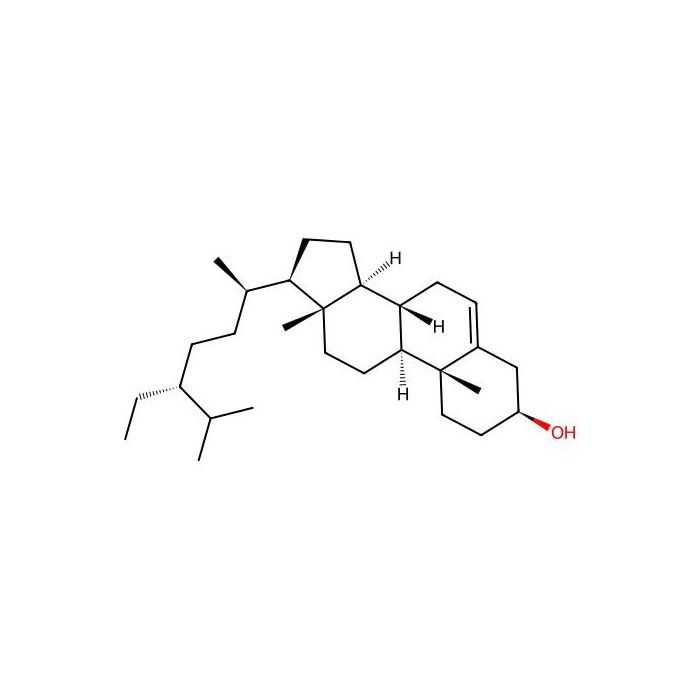
Beta-Sitosterol (purity>98%) - Moligand™, 10 mM in Ethanol , CAS No.83-46-5

CAS: 83-46-5 Cat. No.: B1499759 Formula: C29H50O Molecular Weight: 414.71 Beilstein Registry Number: 1916165 EC Number: 201-480-6 PubChem CID: 222284
AVAILABLE TO ORDER
GRADE & PURITY Moligand™ ? Moligand™ — Aladdin's line of ligands and bioactive small molecules. Use for receptor, pathway, and binding studies needing defined small-molecule tools. 10 mM in Ethanol
Storage
Protected from light,Store at -80°C
Shipped In
Dry ice packs + Cold packs
★
Size
Germany (EU)
USA*
Price
Qty
1ml
B1499759-1ml
Made to order · 8–12 wks
€41.56
Enter a quantity for the sizes you want to add.
🧪

Why this grade

Moligand™, 10 mM in Ethanol Moligand™ for sensitive chromatographic and analytical workflows requiring minimal baseline interference.

🌡

Storage & shipping

Protected from light,Store at -80°C Ships Dry ice packs + Cold packs Check lot-specific COA for exact specifications.

📋

Quality documents

SDS, COA, datasheet, and spec sheet available for download. Lot-specific COA accessible via lot number lookup.

📚

Literature proof

Cited in 68 peer-reviewed publications across chromatography, organic synthesis, and cross-coupling reactions.

Overview

Beta-Sitosterol (purity>98%) is a plant sterol. Beta-Sitosterol (purity>98%) interfere with multiple cell signaling pathways, including cell cycle, apoptosis , proliferation, survival, invasion, angiogenesis, metastasis and inflammation.

Specifications

Specifications & Purity
Moligand™, 10 mM in Ethanol
Storage
Protected from light,Store at -80°C
Shipped In
Dry ice packs + Cold packs
This product requires cold chain shipping. Ground and other economy services are not available.
Grade
Moligand™
Names and Identifiers
Isomeric SMILES CC[C@H](CC[C@@H](C)[C@H]1CC[C@@H]2[C@@]1(CC[C@H]3[C@H]2CC=C4[C@@]3(CC[C@@H](C4)O)C)C)C(C)C
WGK Germany 3
RTECS WJ2600000
PubChem CID 222284
Molecular Weight 414.71
Beilstein 1916165

Documentation

📋 Safety Data Sheet (SDS)

Comprehensive hazard, handling, storage, and regulatory compliance document.

Download SDS →

✅ Certificate of Analysis (COA)

Lot-specific quality data. Enter your lot number to retrieve the exact COA.

Look up COA →

📊 Datasheet

Quick-reference summary of product specifications and applications.

View datasheet →

🔬 Specification Sheet

Full quality attributes and acceptance criteria for this grade.

View spec sheet →

Advanced Data

Certificates(CoA,COO,BSE/TSE and Analysis Chart)
C of A & Other Certificates(BSE/TSE, COO):
Analytical Chart:
Chemical and Physical Properties
Melt Point(°C)139-142℃
Documents & Articles
Citations of This Product
References
1. Lukai Ma, Zijian Li, Linjing Li, Xianhong Bi, Gengsheng Xiao, Linlin Li.  (2025)  Edible beeswax-flaxseed oil nanostructured lipid carriers for improved β-sitosterol bioaccessibility: structural advantages and controlled release in dynamic digestion.  FOOD CHEMISTRY,      [PMID:40651141] [10.1016/j.foodchem.2025.145492]
2. Xiaoyan Han, Shan Wang, Tingting Cui, Yumin Yang, Haixiang Li, Haiwen Zhang, Huanhuan Zhou, Xiaoxia Li.  (2025)  Sustainable Defect-Engineered Imprinted UiO-66-NH2 for Selective Removal of Aristolochic Acids from Medicinal Herbs.  ACS Sustainable Chemistry & Engineering,      [PMID:] [10.1021/acssuschemeng.5c04444]
3. Pan Gao, Yu Li, Yong Yang, Yuling Zheng, Jiaojiao Yin, Xinghe Zhang, Xingguo Wang.  (2025)  Effect of Solvent Polarity on the Antioxidant Interactions of γ-Tocopherol, β-Sitosterol, and Ellagic Acid in Iron Walnut Oil.  JOURNAL OF THE AMERICAN OIL CHEMISTS SOCIETY,      [PMID:] [10.1002/aocs.70015]
4. Lijie Qiao, Na Fan, Yupei Zhang, Yuting Chen, Shugang Qin, Xiangrong Song.  (2025)  SitoC7A-modified lipid nanoparticles for integrated mRNA delivery and targeted STING activation.  JOURNAL OF CONTROLLED RELEASE,      [PMID:40962123] [10.1016/j.jconrel.2025.114238]
5. Lijuan Han, Yingxin Chen, Li Wang, Mingwen Chen, Junbo He, Weinong Zhang, Shuyi Li.  (2025)  Development and characterization of inulin–lecithin bigels with β-sitosterol and beeswax as structuring agents for spreadable fat applications.  LWT-FOOD SCIENCE AND TECHNOLOGY,      [PMID:] [10.1016/j.lwt.2025.118531]
6. Yong Li, Qingyu Zhao, Xinyi Zhu, Long Zhou, Ping Song, Baohui Liu, Daofeng Tian, Qianxue Chen, Jiangbing Zhou, Gang Deng.  (2023)  Self-Assembled nanoparticles of natural bioactive molecules enhance the delivery and efficacy of paclitaxel in glioblastoma.  CNS Neuroscience & Therapeutics,      [PMID:38044793] [10.1111/cns.14528]
7. Wei Lu, Mengping Wang, Jiafeng Chen, Jinmei Wang.  (2023)  Subcritical water-treated soy protein-gum Arabic core-shell nanoparticles as phytosterol carriers.  INTERNATIONAL JOURNAL OF FOOD SCIENCE AND TECHNOLOGY,  58  (12): (6496-6506).  [PMID:] [10.1111/ijfs.16763]
8. Li Yang, Wu Minyu, Zhai Liang, Zhang Hui, Shen Lirong.  (2023)  Qualitative and quantitative analysis of β-sitosterol marker in virgin camellia oil and virgin olive oil.  Food Quality and Safety,      [PMID:] [10.1093/fqsafe/fyad034]
9. Xinxin Wang, Xia Ke, Ximan Zhao, Qijie Ren, Jiahao Cui, Zhiqiang Liu, Yuguo Zheng.  (2023)  Aldolase SalA dominates C24 steroidal side-chain-cleavage in the phytosterol degradation from Mycobacterium neoaurum.  PROCESS BIOCHEMISTRY,      [PMID:] [10.1016/j.procbio.2023.06.023]
10. Shujie Wang, Guoqin Liu.  (2023)  Controlled volatile release from β-sitosterol-based oleogels based on different self-assembly mechanisms.  FOOD CHEMISTRY,      [PMID:37290236] [10.1016/j.foodchem.2023.136506]
11. Hongtu Qiu, Kexin Qu, Hua Zhang, Jong-Bang Eun.  (2023)  Characterization and comparison of physical properties and in vitro simulated digestion of multi-component oleogels with different molecular weights prepared by the direct method.  FOOD HYDROCOLLOIDS,      [PMID:] [10.1016/j.foodhyd.2023.108850]
12. Yuyuan Hu, Chuanguo Ma, Ruinan Yang, Shujing Guo, Tong Wang, Jun Liu.  (2023)  Impact of molecular interactions between hydrophilic phytosterol glycosyl derivatives and bile salts on the micellar solubility of cholesterol.  FOOD RESEARCH INTERNATIONAL,      [PMID:37087234] [10.1016/j.foodres.2023.112642]
13. Dongmin Liu, Jiating Pi, Bo Zhang, Hongliang Zeng, Changzhu Li, Zhihong Xiao, Fang Fang, Miao Liu, Na Deng, Jianhui Wang.  (2022)  Phytosterol of lotus seed core powder alleviates hypercholesterolemia by regulating gut microbiota in high-cholesterol diet-induced C57BL/6J mice.  Food Bioscience,      [PMID:] [10.1016/j.fbio.2022.102279]
14. Hongtu Qiu, Kexin Qu, Jong-Bang Eun, Hua Zhang.  (2022)  Analysis of thermal oxidation of different multi-element oleogels based on carnauba wax, β-sitosterol/lecithin, and ethyl cellulose by classical oxidation determination method combined with the electronic nose.  FOOD CHEMISTRY,      [PMID:36423557] [10.1016/j.foodchem.2022.134970]
15. Shu Yang, Ahmed S.M. Saleh, Qiang Yang, Xiaotong Cui, Yumin Duan, Zhigang Xiao.  (2022)  Effect of the water and oleogelator content on characteristics and stability of BC-loaded oleogel-based emulsion.  LWT-FOOD SCIENCE AND TECHNOLOGY,      [PMID:] [10.1016/j.lwt.2022.113824]
16. Hongtu Qiu, Kexin Qu, Hua Zhang, Jong-Bang Eun.  (2022)  Thermal oxidation stability of different multi-element oleogels via 1H NMR spectroscopy.  FOOD CHEMISTRY,      [PMID:35759842] [10.1016/j.foodchem.2022.133492]
17. Pan Gao, Yunpeng Ding, Zhe Chen, Zhangtao Zhou, Wu Zhong, Chuanrong Hu, Dongping He, Xingguo Wang.  (2022)  Characteristics and Antioxidant Activity of Walnut Oil Using Various Pretreatment and Processing Technologies.  Foods,  11  (12): (1698).  [PMID:35741896] [10.3390/foods11121698]
18. Wanjun Long, Zikang Hu, Liuna Wei, Hengye Chen, Tingkai Liu, Siyu Wang, Yuting Guan, Xiaolong Yang, Jian Yang, Haiyan Fu.  (2022)  Accurate identification of the geographical origins of lily using near-infrared spectroscopy combined with carbon dot-tetramethoxyporphyrin nanocomposite and chemometrics.  SPECTROCHIMICA ACTA PART A-MOLECULAR AND BIOMOLECULAR SPECTROSCOPY,      [PMID:35123189] [10.1016/j.saa.2022.120932]
19. Zhang Daojiu, Zhang Yujie, Gao Yeying, Lin Yiying, Ding Chao, Zhang Jiwei, Liu Qingdai.  (2022)  Stability, bioavailability, and antimicrobial activity of garlic extract liposomes prepared from lecithin and β-sitosterol.  Journal of Food Measurement and Characterization,  16  (2): (1383-1394).  [PMID:] [10.1007/s11694-022-01284-7]
20. Sheng Zhou, Yuxiu Wen, Yiting Duan, Qi Li, Yuan Gao, Xiuzhu Yu.  (2021)  Functional Properties and Composition of New “Nut” Oil Obtained from Xanthium sibiricum Seeds.  EUROPEAN JOURNAL OF LIPID SCIENCE AND TECHNOLOGY,  124  (4): (2100135).  [PMID:] [10.1002/ejlt.202100135]
21. Zihan Xu, Shanshan Liu, Mingyue Shen, Jianhua Xie, Jun Yang.  (2021)  Evaluation of trans fatty acids, carbonyl compounds and bioactive minor components in commercial linseed oils.  FOOD CHEMISTRY,      [PMID:34469834] [10.1016/j.foodchem.2021.130930]
22. Wen Fu, Yiping Liang, Zhonghui Xie, Hangyi Wu, Zhenhai Zhang, Huixia Lv.  (2021)  Preparation and evaluation of lecithin/zein hybrid nanoparticles for the oral delivery of Panax notoginseng saponins.  EUROPEAN JOURNAL OF PHARMACEUTICAL SCIENCES,      [PMID:34000426] [10.1016/j.ejps.2021.105882]
23. Wenjiang Dong, Qiyu Chen, Changqing Wei, Rongsuo Hu, Yuzhou Long, Ying Zong, Zhong Chu.  (2021)  Comparison of the effect of extraction methods on the quality of green coffee oil from Arabica coffee beans: Lipid yield, fatty acid composition, bioactive components, and antioxidant activity.  ULTRASONICS SONOCHEMISTRY,      [PMID:33965776] [10.1016/j.ultsonch.2021.105578]
24. Liu Shanshan, Hu Huiyu, Yu Yanpeng, Zhao Jiahui, Liu Lichun, Zhao Shanshan, Xie Jianhua, Li Chang, Shen Mingyue.  (2021)  Simultaneous Determination of Tocopherols, Phytosterols, and Squalene in Vegetable Oils by High Performance Liquid Chromatography-Tandem Mass Spectrometry.  Food Analytical Methods,  14  (8): (1567-1576).  [PMID:] [10.1007/s12161-021-01987-5]
25. Zhifeng Cai, Liangliang Wu, Jierui Xi, Erxiao Hao, Kaifei Qi.  (2021)  Green and facile synthesis of polyethyleneimine-protected fluorescent silver nanoclusters for the highly specific biosensing of curcumin.  COLLOIDS AND SURFACES A-PHYSICOCHEMICAL AND ENGINEERING ASPECTS,      [PMID:] [10.1016/j.colsurfa.2021.126228]
26. Linlin Li, Guoqin Liu, Yunwei Lin.  (2020)  Physical and bloom stability of low-saturation chocolates with oleogels based on different gelation mechanisms.  LWT-FOOD SCIENCE AND TECHNOLOGY,      [PMID:] [10.1016/j.lwt.2020.110807]
27. Mingyi Yang, Zisheng Luo, Sunan Gao, Tarun Belwal, Lei Wang, Ming Qi, Zhaojun Ban, Bin Wu, Fengzhong Wang, Li Li.  (2020)  The chemical composition and potential role of epicuticular and intracuticular wax in four cultivars of table grapes.  POSTHARVEST BIOLOGY AND TECHNOLOGY,      [PMID:] [10.1016/j.postharvbio.2020.111430]
28. Hongtu Qiu, Zhuangzhuang Qiu, Zhiyu Chen, Longlong Liu, Jiabin Wang, Hongyu Jiang, Hua Zhang, Guo-qin Liu.  (2020)  Antioxidant properties of blueberry extract in different oleogel systems.  LWT-FOOD SCIENCE AND TECHNOLOGY,      [PMID:] [10.1016/j.lwt.2020.110364]
29. Yuan Hu, Xiaochun Hu, Yonglin Lu, Shuo Shi, Danjing Yang, Tianming Yao.  (2020)  New Strategy for Reducing Tau Aggregation Cytologically by A Hairpinlike Molecular Inhibitor, Tannic Acid Encapsulated in Liposome.  ACS Chemical Neuroscience,      [PMID:33048528] [10.1021/acschemneuro.0c00508]
30. Hao Huang, Tarun Belwal, Li Li, Yi Wang, Halah Aalim, Zisheng Luo.  (2020)  Effect of modified atmosphere packaging of different oxygen levels on cooking qualities and phytochemicals of brown rice during accelerated aging storage at 37 °C.  Food Packaging and Shelf Life,      [PMID:] [10.1016/j.fpsl.2020.100529]
31. Guihong Yao, Xiujuan Wang, Minli Yang, Fengming Chen, Yun Ling, Tong Liu, Shige Xing, Meiyi Yao, Feng Zhang.  (2020)  Co-immobilization of bi-lipases on magnetic nanoparticles as an efficient catalyst for synthesis of functional oil rich in diacylglycerols, phytosterol esters and α-linolenic acid.  LWT-FOOD SCIENCE AND TECHNOLOGY,      [PMID:] [10.1016/j.lwt.2020.109522]
32. Min Pang, Xiuxiu Wang, Lili Cao, Zhaojuan Shi, Zheng Lei, Shaotong Jiang.  (2019)  Structure and thermal properties of β-sitosterol-beeswax-sunflower oleogels.  INTERNATIONAL JOURNAL OF FOOD SCIENCE AND TECHNOLOGY,  55  (5): (1900-1908).  [PMID:] [10.1111/ijfs.14370]
33. Linlin Li, Guoqin Liu.  (2019)  Corn oil-based oleogels with different gelation mechanisms as novel cocoa butter alternatives in dark chocolate.  JOURNAL OF FOOD ENGINEERING,      [PMID:] [10.1016/j.jfoodeng.2019.06.001]
34. Linlin Li, Wenbo Wan, Weiwei Cheng, Guoqin Liu, Lipeng Han.  (2019)  Oxidatively stable curcumin-loaded oleogels structured by β-sitosterol and lecithin: physical characteristics and release behaviour in vitro.  INTERNATIONAL JOURNAL OF FOOD SCIENCE AND TECHNOLOGY,  54  (7): (2502-2510).  [PMID:] [10.1111/ijfs.14208]
35. Jingdong Xiao, Ming Zhang, Wenhang Wang, Anguo Teng, Anjun Liu, Ran Ye, Yaowei Liu, Kun Wang, Junsheng Ding, Xiaomeng Wu.  (2019)  An Attempt of Using β-Sitosterol-Corn Oil Oleogels to Improve Water Barrier Properties of Gelatin Film.  JOURNAL OF FOOD SCIENCE,  84  (6): (1447-1455).  [PMID:31116427] [10.1111/1750-3841.14621]
36. Dan Zhou, Qinlong Shi, Jiangbo Pan, Min Liu, Yi Long, Fahuan Ge.  (2019)  Effectively improve the quality of camellia oil by the combination of supercritical fluid extraction and molecular distillation (SFE-MD).  LWT-FOOD SCIENCE AND TECHNOLOGY,      [PMID:] [10.1016/j.lwt.2019.04.075]
37. Kedong Tai, Michael Rappolt, Xiaoye He, Yang Wei, Shaoxin Zhu, Jingbo Zhang, Like Mao, Yanxiang Gao, Fang Yuan.  (2019)  Effect of β-sitosterol on the curcumin-loaded liposomes: Vesicle characteristics, physicochemical stability, in vitro release and bioavailability.  FOOD CHEMISTRY,      [PMID:31151654] [10.1016/j.foodchem.2019.04.077]
38. Jin-Xiu Liang, Qun-Qun Zhang, Yan-Fei Huang, Han-Qing Pang, Xin-Guang Liu, Wen Gao, Ping Li, Hua Yang.  (2019)  Comprehensive chemical profiling of monascus-fermented rice product and screening of lipid-lowering compounds other than monacolins.  JOURNAL OF ETHNOPHARMACOLOGY,      [PMID:30991138] [10.1016/j.jep.2019.111879]
39. Liangxiao Zhang, Sujun Wang, Ruinan Yang, Jin Mao, Jun Jiang, Xiupin Wang, Wen Zhang, Qi Zhang, Peiwu Li.  (2019)  Simultaneous determination of tocopherols, carotenoids and phytosterols in edible vegetable oil by ultrasound-assisted saponification, LLE and LC-MS/MS.  FOOD CHEMISTRY,      [PMID:30955618] [10.1016/j.foodchem.2019.03.067]
40. Bin Guo, Huimin Wang, Danan Lan, Xiaomin Pang, Yiming Li, Haiyan Liu, Hongyuan Yan, Ligai Bai.  (2019)  Effect of different initiators on temperature-sensitive monolithic columns and application in online enrichment of β-sitosterol.  JOURNAL OF APPLIED POLYMER SCIENCE,  136  (25): (47683).  [PMID:] [10.1002/app.47683]
41. Huimin Wang, Haiyan Liu, Bin Guo, Dandan Lan, Xiaomin Pang, Hongyuan Yan, Dandan Han, Huaizhong Guo, Ligai Bai.  (2018)  A novel poly (NMA-co-DEA-co-EDMA) monolithic column as a sorbent for online solid-phase extraction and its application in the determination of β-sitosterol in plant oil samples.  FOOD CHEMISTRY,      [PMID:30583417] [10.1016/j.foodchem.2018.11.104]
42. Cui Beijiao, Liu Haiyan, Yu Huan, Pang Xiaoya, Yan Hongyuan, Bai Ligai.  (2018)  Monolithic Material Prepared with Nanodiamond as Monomer for the Enrichment of β-Sitosterol in Edible Oil.  Food Analytical Methods,  12  (3): (697-704).  [PMID:] [10.1007/s12161-018-1405-9]
43. Wang Huimin, Guo Bin, Pang Xiaoya, Yu Huan, Liu Haiyan, Yan Hongyuan, Han Dandan, Guo Huaizhong, Bai Ligai.  (2018)  Simultaneous Determination and Enrichment of β-Sitosterol From Edible Oil Samples Using Poly(NMA-ST-co-TAIC-co-EDMA) Monolith as Sorbent with On-line SPE-HPLC.  CHROMATOGRAPHIA,  82  (8): (1285-1293).  [PMID:] [10.1007/s10337-018-3646-6]
44. Di Xu, Mengyun Wu, Xue Li, Mingyu Xia, Dongchun Liu, Yinghui Dai, Qing Yu, Bin Wu, Dong Wang.  (2018)  Cloning, prokaryotic expression and function of the Bufo bufo gargarizans 3β-hydroxysteroid dehydrogenase (3βHSD) gene.  INTERNATIONAL JOURNAL OF BIOLOGICAL MACROMOLECULES,      [PMID:30170058] [10.1016/j.ijbiomac.2018.08.165]
45. Shanshan Wang, Shanshan Wu, Songbai Liu.  (2018)  Integration of (+)-catechin and β-sitosterol to achieve excellent radical-scavenging activity in emulsions.  FOOD CHEMISTRY,      [PMID:30309587] [10.1016/j.foodchem.2018.08.098]
46. Yang Shu, Zhu Minpeng, Wang Na, Cui Xiaotong, Xu Qing, Saleh Ahmed S. M., Duan Yumin, Xiao Zhigang.  (2018)  Influence of Oil Type on Characteristics of β-Sitosterol and Stearic Acid Based Oleogel.  Food Biophysics,  13  (4): (362-373).  [PMID:] [10.1007/s11483-018-9542-7]
47. Kedong Tai, Fuguo Liu, Xiaoye He, Peihua Ma, Like Mao, Yanxiang Gao, Fang Yuan.  (2018)  The effect of sterol derivatives on properties of soybean and egg yolk lecithin liposomes: Stability, structure and membrane characteristics.  FOOD RESEARCH INTERNATIONAL,      [PMID:29803447] [10.1016/j.foodres.2018.04.014]
48. Yang Shu, Li Guode, Saleh Ahmed S. M., Yang Hongli, Wang Na, Wang Peng, Yue Xiqing, Xiao Zhigang.  (2017)  Functional Characteristics of Oleogel Prepared from Sunflower Oil with β-Sitosterol and Stearic Acid.  JOURNAL OF THE AMERICAN OIL CHEMISTS SOCIETY,  94  (9): (1153-1164).  [PMID:] [10.1007/s11746-017-3026-7]
49. Xixi Wang, Xueying Li, Xiaoya Jiang, Peipei Dong, Haiyan Liu, Ligai Bai, Hongyuan Yan.  (2016)  Preparation of a poly(styrene-co-DPHA-co-EDMA) monolith and its application for the separation of small molecules and biomacromolecules by HPLC.  TALANTA,      [PMID:28153264] [10.1016/j.talanta.2016.12.071]
50. Li-Juan Han, Lin Li, Lei Zhao, Bing Li, Guo-Qin Liu, Xin-Qi Liu, Xue-De Wang.  (2013)  Rheological properties of organogels developed by sitosterol and lecithin.  FOOD RESEARCH INTERNATIONAL,      [PMID:] [10.1016/j.foodres.2013.03.039]
51. Zhigang Li, Jiaqin Liu, Yinglin Fang, Huayong Chen, Bo Yang, Yonghua Wang.  (2024)  An efficient and high-water-content enzymatic esterification method for the synthesis of β-sitosterol conjugated linoleate via a sodium citrate-based three-liquid-phase system.  FOOD CHEMISTRY,      [PMID:38964114] [10.1016/j.foodchem.2024.140250]
52. Xintian Wang, Hengye Chen, Yao Fan, Wei Lan, Juan He, Haiyan Fu, Xiaolong Yang.  (2024)  Atractylodin targeted visual fluorescence sensor based on N-acetyl-L-cysteine capped CdTe QDs for the rapid identification of the geographical origin of Atractylodis Rhizome.  MICROCHEMICAL JOURNAL,      [PMID:] [10.1016/j.microc.2024.110508]
53. Qingqing Li, Yong Zhu, Likang Qin.  (2024)  Comparative Study of Camellia oleifera Seed Oil on Chemical Constituents, Antioxidant Activities and Physicochemical Characteristics from Southern China.  Journal of Oleo Science,      [PMID:38945923] [10.5650/jos.ess23228]
54. Yuanchao Lu, Ruixin Xiong, Xingyu Lin, Liangxiao Zhang, Xianghe Meng, Zisheng Luo.  (2024)  CsPbBr3 NCs Confined and In Situ Grown in ZIF-8: A Stable, Sensitive, Reliable Fluorescent Sensor for Evaluating the Acid Value of Edible Oils.  ACS Applied Materials & Interfaces,      [PMID:39083762] [10.1021/acsami.4c10280]
55. Hongyu Wu, Li Zhang, Ruiguo Cui, Chuxuan Zhang, Man Xu, Weiwei Liu, Mengshi Wang, Ruijie Liu, Long Xu, Lijun Song.  (2024)  Effect of screw pressing temperature on apricot (Prunus armeniaca L.) kernels oil quality properties and apricot kernels protein isolate functional properties.  LWT-FOOD SCIENCE AND TECHNOLOGY,      [PMID:] [10.1016/j.lwt.2024.117002]
56. Wenbo Hou, Jie Long, Caimeng Zhang, Yufei Hua, Xingfei Li.  (2024)  Effect of β-sitosterol and oil phase on gel properties, microstructure and sensory characteristics of pea protein/carrageenan emulsion gels as solid fat substitutes.  FOOD HYDROCOLLOIDS,      [PMID:] [10.1016/j.foodhyd.2024.110751]
57. Shu Yang, Xueping Zhang, Ahmed S.M. Saleh, Lishuang Wang, Yumin Duan, Zhigang Xiao.  (2024)  Effect of β-sitosterol and palmitic acid mass ratio on structural, physicochemical, and rheological properties of rice bran oil-based oleogel.  LWT-FOOD SCIENCE AND TECHNOLOGY,      [PMID:] [10.1016/j.lwt.2024.116775]
58. Tingyu Wen, Guang Xin, Qilong Zhou, Tao Wang, Xiuxian Yu, Yanceng Li, Shiyi Li, Ying Zhang, Kun Zhang, Ting Liu, Beiwei Zhu, Wen Huang.  (2024)  Investigation into the Potential Mechanism of Radix Paeoniae Rubra Against Ischemic Stroke Based on Network Pharmacology.  Nutrients,  16  (24): (4409).  [PMID:39771032] [10.3390/nu16244409]
59. Dengmei Liu, Yao Xu, Xianming Zeng, Bowen Lv, Miao Zhang, Di Zhao, Chunbao Li.  (2024)  Replacement of backfat with vegetable oils or their oleogels in emulsion-type sausage significantly change the digestibility of meat protein.  FOOD CHEMISTRY,      [PMID:39255703] [10.1016/j.foodchem.2024.141149]
60. Xi Chen, Yong Zhu, Muhammad Mazhar, Likang Qin.  (2024)  Transcriptomic and Metabolomic Insights Into the Prebiotic Potential of Camellia Seed Oil for Enhancing Akkermansia muciniphila Proliferation In Vitro.  Food Science & Nutrition,      [PMID:39803248] [10.1002/fsn3.4637]
61. Qingbo Kong, Tao Chen, Heng Wang, Shiheng Zheng, Haizhou Wang, Heng Liang, Lijun Zhou, Hongyu Yang, Xiaoyu Jiang, Chunbang Ding, Shiling Feng.  (2024)  Variation of Camellia oleifera fruit traits and nutritional constituents in seed oil during development and post-harvest.  SCIENTIA HORTICULTURAE,      [PMID:] [10.1016/j.scienta.2024.113903]
62. Pan Gao, Xinlian Zhao, Xiaoming Jiang, Yuling Zheng, Xinghe Zhang, Wu Zhong, Xingguo Wang.  (2025)  Exploring the Interactive Effects of γ-Tocopherol, Ellagic Acid, and β-Sitosterol in Iron Walnut Oil.  EUROPEAN JOURNAL OF LIPID SCIENCE AND TECHNOLOGY,      [PMID:] [10.1002/ejlt.70031]
63. Jie Yuan, Chongyong Gao, Wang Xin, Fanlin Meng, Hong Zhang.  (2025)  Screening and validation of 3’-Methoxydaidzein as a therapeutic agent in ulcerative colitis based on disulfidptosis-associated molecular clusters.  PLoS One,  20  (6): (e0324586).  [PMID:40478904] [10.1371/journal.pone.0324586]
64. Jiyuan Chen, Luyao Gong, Simeng Cao, Guanshan Song, Yeheng Peng, Yuanyuan Wang, Yan-Ru Lou, Teemu J Murtola, Yao Wu, Ganjun Yu, Yuan Gao.  (2025)  PTEN restoration and CXCR2 depletion synergistically enhance the effect of enzalutamide and inhibit bone metastatic CRPC.  Theranostics,  15  (16): (8488).  [PMID:40860155] [10.7150/thno.114534]
65. Yuling Chen, Yunong Tian, Jiahao Ouyang, Xuan He, Bo Wang, Dandan Li, Yong Ye.  (2025)  Structurally Intelligent Recognition and Enrichment of Photo-Responsive Dual-Monomer Imprinted Polymers for β-Sitosterol in Camellia Oil.  POLYMER ENGINEERING AND SCIENCE,      [PMID:] [10.1002/pen.70256]
66. Huan Liu, Liying Liang, Minggang Wang, Qinfeng Huang, Yu Pan, Xiaojie Wei, Wenchao Zhang.  (2026)  Establishment of a Novel Monoclonal Antibody Based icELISA Method to Determine the Total Content of Ursolic and Oleanolic Acids in Fruits.  JOURNAL OF FOOD COMPOSITION AND ANALYSIS,      [PMID:] [10.1016/j.jfca.2026.109072]
67. Shilin Zhang, Guanyu Fang, Ke Chen, Weiping Zheng, Xiao Wang, Zhehua He, Fenghua Wu, Xingquan Liu, Peng Wang.  (2026)  Gelator-mediated structuring of camellia oil bigels for improved oxidative stability and prediction of lipid oxidation.  FOOD HYDROCOLLOIDS,      [PMID:] [10.1016/j.foodhyd.2026.113144]
68. Yaqin Zhang, Shilin Hu, Huijie Cao, Yu Zhang, Yan Ma, Mingwu Qiao, Ge Bai.  (2026)  Chemo-enzymatic synthesis of a flexible spacer-modified β-sitosterol derivative with preserved cholesterol-lowering activity.  JOURNAL OF THE SCIENCE OF FOOD AND AGRICULTURE,      [PMID:42625287] [10.1002/jsfa.71008]
Solution Calculators
Reviews

Customer Reviews

Application Protocols

No vendor-tested protocols are provided in the Product Data for this item. The following high-level handling suggestions are general literature practices and not product-validated methods.

  • Preparation of DMSO stock for cell-free assays:

    • Dissolve beta-sitosterol to 10–50 mM in anhydrous DMSO with brief sonication or gentle warming (≤40 °C). Aliquot into amber vials; store at −80 °C per product storage guidance. Minimize freeze–thaw cycles.
  • Incorporation into lipid vesicles (thin-film hydration; research use):

    • Co-dissolve phospholipids and beta-sitosterol in CHCl3:MeOH (2:1). Evaporate under N2 to a thin film; vacuum-dry ≥2 h. Hydrate with buffer (e.g., 10 mM HEPES, 150 mM NaCl, pH 7.4) at 40–60 °C with vortexing; optionally sonicate or extrude to size. Target 20–40 mol% sterol depending on study design.
  • Delivery to aqueous assays:

    • Add DMSO stock to stirred buffer to ≤0.5–1% final DMSO; include 0.01–0.1% nonionic surfactant or cyclodextrin complexes if needed to maintain dispersion.

For validated, product-specific application parameters (e.g., tested concentrations, methods), Not specified for this item; refer to CoA/Spec Sheet.

Biological Roles

This section summarizes general, literature-based biology; it is not product-specific and does not imply clinical use.

  • Plant lipid biology: Beta-sitosterol is a predominant phytosterol in higher plants, functioning analogously to cholesterol in animals. It modulates membrane fluidity, permeability, and microdomain organization in the plasma membrane and organelles.
  • Biosynthesis (plants): Derived from cycloartenol via the isoprenoid/mevalonate pathway with subsequent methyl/ethyl additions at C-24 and desaturation steps (literature).
  • In animals: Dietary phytosterols can incorporate at low levels into cell membranes, influencing packing and potentially raft-associated signaling in model systems. Transporters ABCG5/ABCG8 and NPC1L1 mediate absorption/efflux of sterols in enterocytes (literature).
  • Metabolism: Can be oxidized to stanols (e.g., sitostanol) or hydroxylated/ketolated derivatives by oxidative enzymes; conjugation (e.g., esterification, glycosylation) alters solubility and trafficking (literature).
  • Biophysical behavior: The 24-ethyl group modifies sterol–phospholipid interactions compared with cholesterol, often producing slightly different liquid-ordered phase stability and transition temperatures in model membranes.
  • Research relevance: Frequently used in comparative studies of sterol-binding proteins, transporters, and enzymes to delineate steric/electronic determinants of recognition.

Note: All biological roles described are for basic research context only. This product is labeled For research use only and is not intended for human or veterinary applications.

Buffer Applications

Beta-sitosterol is not a buffering agent and does not participate in classical acid–base buffer systems. However, practical guidance for incorporating this hydrophobic sterol into aqueous buffers for research assays is provided (literature/general):

  • Stock preparation: Dissolve in DMSO or ethanol at 10–50 mM. Filter-sterilize if required using solvent-compatible membranes (PTFE for DMSO/EtOH). Store aliquots at −20 °C to −80 °C per product guidance.
  • Aqueous dilution: Add stock dropwise to vigorously stirred buffer to reach ≤0.5–1% final organic solvent. Use surfactants (e.g., 0.01–0.1% Tween-80 or Triton X-100) or carrier proteins (e.g., 0.1% BSA) to aid dispersion, as compatible with the assay.
  • Liposome/vesicle systems: Co-dissolve beta-sitosterol with phospholipids in CHCl3:MeOH (2:1), form a dry film, then hydrate with the desired buffer (e.g., HEPES, PBS) to achieve target mol% sterol. Extrude or sonicate to control size distribution (literature practice).
  • Cyclodextrin complexes: Methyl-β-cyclodextrin can be used to solubilize and deliver sterols to membranes in buffered systems; optimize molar ratios and incubation times to avoid membrane extraction artifacts (literature).

For all the above, confirm that additives do not confound readouts (spectroscopic interference, enzyme inhibition) and keep within the tolerance of biological systems under study.

Green Alternatives

Considerations center on solvent choice, sourcing, and process intensification (literature/general guidance):

  • Sourcing: Beta-sitosterol is commonly derived from plant sources (e.g., tall oil, vegetable oils) as a byproduct stream. Using bio-based feedstocks reduces fossil-derived input compared with synthetic routes.

  • Solvent substitution:

    • Prefer ethyl acetate, 2-MeTHF, or isopropanol over chlorinated solvents (DCM/CHCl3) for extractions, recrystallizations, and esterifications when feasible.
    • For membrane film casting, ethanol or isopropanol can partially replace CHCl3/MeOH mixtures if process demands allow (may require longer evaporation and optimized spreading).
  • Energy and safety:

    • Use room-temperature acylations (DMAP catalysis) and catalytic oxidations (e.g., TEMPO-based) instead of stoichiometric chromium(VI) reagents to reduce hazardous waste.
    • Implement nitrogen blanketing and amber glassware instead of refrigerated storage during short manipulations to minimize energy consumption, reverting to the specified −80 °C storage for long-term integrity.
  • Process comparison (literature perspective):

    • Chlorinated solvents: excellent solubility/film casting; high environmental and health impact.
    • Ethyl acetate/2-MeTHF: good solvating power for sterols; lower toxicity and better EHS profile; may require warming/sonication.
    • Supercritical CO2: effective for extraction and impurity removal from plant matrices; minimal organic solvent residue but requires specialized equipment.

Always validate any solvent switch for solubility, purity, and assay compatibility before scale-up.

Pharmaceutical Uses

No therapeutic claims are made. The following describes formulation/manufacturing roles and analytical contexts from the literature/general practice.

  • Excipient-like roles (research/manufacturing studies): Beta-sitosterol and its esters have been explored as lipophilic matrix modifiers in semi-solids and lipid-based delivery systems due to their high melting point and membrane-ordering properties. In research settings, sterols can tune gel strength and crystallinity in oleogels and emulsions.
  • Analytical reference: Used as a reference standard for QC of phytosterol content in plant-derived excipients (e.g., refined oils) using GC-FID or LC methods after suitable derivatization (literature).
  • Compatibility: Generally compatible with nonpolar excipients, triglyceride oils, and phospholipids; verify interactions with surfactants and polymers case-by-case.
  • Compendial status: Literature indicates monographs/entries for phytosterols or beta-sitosterol in certain pharmacopeial or food-code contexts; users should verify current compendia directly. This item’s specific pharmacopeial compliance is Not specified for this item; refer to CoA/Spec Sheet.

Note: This product is designated For research use only and is not intended for use as a drug substance, active ingredient, or in human/animal clinical applications.

Physical Properties

Only item-specific specifications appearing in Product Data may be treated as product specs. Where not provided, literature/general values are given for planning and comparison.

Item-specific specifications from Product Data:

  • Appearance: Not specified for this item; refer to CoA/Spec Sheet.
  • Molecular formula: Not specified for this item; refer to CoA/Spec Sheet.
  • Molecular weight: Not specified for this item; refer to CoA/Spec Sheet.

Literature/general property values (non-binding, for reference):

  • Molecular formula (literature): C29H50O
  • Molecular weight (literature): ~414.71 g/mol
  • Physical state: waxy solid or crystalline powder (literature)
  • Melting point: typically ~136–140 °C (literature)
  • Boiling/decomposition: high; sterols generally decompose before boiling at ambient pressure (literature)
  • Density: approximately 0.9–1.0 g/cm³ (literature, varies with form)
  • Solubility: practically insoluble in water; soluble in organic solvents such as ethanol, methanol (warm), isopropanol, acetone, ethyl acetate, chloroform, DCM, toluene, and in lipids/oils (literature)
  • LogP: very high (reported >8; literature/estimated), consistent with strong hydrophobicity
  • pKa: not applicable (neutral secondary alcohol; very weakly acidic, pKa >15, literature)
  • Refractive index: not commonly reported for solids; N/A

Practical notes:

  • Slow dissolution may occur at room temperature; gentle warming (30–40 °C) and sonication can accelerate dissolution in suitable organic solvents.
  • For bioassay stock solutions, DMSO or ethanol are commonly used carriers due to miscibility with aqueous media after high dilution (literature guidance).
Quality & Grades
  • Grade/Purity stated: Moligand™, purity >98%.

What Moligand™ implies (general description):

  • Moligand™ denotes material curated for small-molecule screening and ligand discovery workflows. Such material is typically optimized for identity confirmation and high purity suitable for biochemical/biophysical assays, fragment/ligand screening, and medicinal chemistry starts.

Item-specific notes:

  • Purity: >98% as stated; detailed impurity profile and analytical data (HPLC/GC/NMR, residual solvents, water content, residual metals) are Not specified for this item; refer to CoA/Spec Sheet.
  • Stabilizers/inhibitors: Not specified for this item; refer to CoA/Spec Sheet.
  • UV cutoff/absorbance profile: Not specified for this item; refer to CoA/Spec Sheet.

Implications for use:

  • High purity sterols are critical for reproducible membrane biophysics (e.g., phase behavior, raft formation) and for enzyme-substrate studies (e.g., sterol oxidases, glycosyltransferases). Trace oxidized sterols can influence results; store as directed and minimize exposure to air/light.

Analytical confirmation (recommended practices):

  • Identity: 1H/13C NMR in CDCl3 or C6D6; characteristic 3β-OH proton and Δ5 olefinic protons; HRMS for molecular ion near m/z 414.7 [M]+ (literature guidance).
  • Purity: HPLC/UPLC with ELSD/CAD or UV at ~205–210 nm; GC after derivatization (e.g., TMS ethers) is also common for sterols (literature).
Reaction & Applications

Applications (research/manufacturing context; literature/general):

  • Membrane biophysics: beta-sitosterol is employed as a cholesterol analog to study phase separation, lipid raft formation, and sterol–phospholipid interactions in model membranes (e.g., GUVs, SLBs). Its 24-ethyl side chain modulates packing relative to cholesterol.
  • Enzymology/biocatalysis: substrate for sterol oxidases/dehydrogenases, glycosyltransferases (to form sitosterol glycosides), and acyltransferases (formation of fatty acyl esters).
  • Materials/templating: sterol-containing organogels and templated porous materials; sterol esters as rheology modifiers in oils (literature).
  • Analytical reference: standard for GC/HPLC quantification of phytosterols in plant oils and food matrices (derivatization to TMS ethers for GC-FID).

Representative transformations (literature examples):

  • O-acylation: Ac2O or acyl chlorides with pyridine/DMAP to give sitosteryl esters.
  • Oxidation: Dess–Martin or PCC to 3-ketositosterol; allylic oxidation at C7 (e.g., SeO2 variants) with caution.
  • Epoxidation/hydrogenation: mCPBA epoxidation of Δ5 double bond; hydrogenation (H2, Pd/C) to saturate Δ5, altering biophysical properties.
  • Glycosylation: Koenigs–Knorr or trichloroacetimidate donors under Lewis acid catalysis to give 3-O-glycosides (sitosterol saponins).

Practical tips:

  • Dry, oxygen- and light-minimized conditions help suppress autoxidation (formation of 7-keto- and hydroxy-sterols). Include antioxidants (e.g., BHT) where compatible with downstream use.
  • For film deposition, use CHCl3:MeOH (2:1) and remove solvent under gentle N2, then vacuum-dry to constant mass before hydration (literature practice).
Reaction Conditions

General, literature-based conditions for common transformations of beta-sitosterol (optimize per lab):

  • O-Acylation (ester formation):

    • Reagents: Ac2O (2–3 equiv) or acid chloride (1.2–1.5 equiv), base (pyridine) and catalytic DMAP (5–10 mol%).
    • Solvent: CH2Cl2, THF, or toluene.
    • Temperature/time: 0 °C to rt, 1–6 h.
    • Notes: Protect from moisture; monitor by TLC (nonpolar eluents). Typical high conversions reported.
  • Oxidation to 3-keto sterol:

    • Dess–Martin periodinane (1.5 equiv) in CH2Cl2 at rt, 1–3 h, or PCC in CH2Cl2 with molecular sieves.
    • Workup: Aqueous bicarbonate and sodium thiosulfate quench for DMP.
  • Epoxidation of Δ5:

    • Reagent: mCPBA (1.1–1.3 equiv, 77% grade buffered) in CH2Cl2 at 0 °C to rt, 1–4 h.
    • Control acid content to limit side reactions; add NaHCO3.
  • Hydrogenation (Δ5 saturation):

    • Catalyst: Pd/C (5–10 wt%), H2 (1–3 atm), EtOH/EtOAc solvent, rt–40 °C, 2–12 h.
    • Monitor to avoid over-reduction or hydrogenolysis of protecting groups.
  • Glycosylation at C3:

    • Donor: peracetylated glycosyl trichloroacetimidate; promoter: BF3·Et2O or TMSOTf.
    • Solvent: dry CH2Cl2; temperature: −40 °C to 0 °C; anhydrous conditions critical.
  • Analytical/monitoring:

    • TLC: hexanes/EtOAc 9:1 to 7:3 typically resolves starting sterol vs products.
    • NMR: monitor disappearance of 3β-OH signature and olefinic protons (~5.3 ppm) as applicable.

These conditions are literature guidance and not product specifications.

Safety & Handling

Authoritative safety information is defined by the product SDS. The following are general laboratory considerations for sterol solids.

GHS/SDS information provided for this item:

  • Signal word: Not specified for this item; refer to SDS.
  • Hazard statements: Not specified for this item; refer to SDS.
  • GHS classification/pictograms: Not specified for this item; refer to SDS.

General safety profile (literature/practice):

  • Beta-sitosterol is a hydrophobic organic solid. While not typically classified as acutely hazardous, dusts may cause mechanical irritation to eyes/respiratory tract. Handle powders to minimize dust generation.
  • Combustible dust hazard may exist; avoid ignition sources and excessive dust accumulation.

PPE and engineering controls:

  • Wear lab coat, safety glasses or goggles, and appropriate gloves (e.g., nitrile). Use a fume hood for weighing/dissolution to control dust and solvent vapors.

Incompatibilities and stability considerations:

  • Avoid strong oxidizing agents. Prolonged exposure to air, heat, and light can promote oxidation; the item’s storage guidance specifies “Protected from light, Store at -80 °C,” which should be followed strictly.

First-aid overview (consult SDS for details):

  • Inhalation: move to fresh air; seek medical attention if symptoms persist.
  • Skin/eye contact: rinse with water for several minutes; remove contaminated clothing; obtain medical advice if irritation continues.
  • Ingestion: rinse mouth; do not induce vomiting; seek medical attention.

Spill and disposal:

  • Avoid dust; collect mechanically and place in suitable container. Dispose of contents/container according to institutional, local, and national regulations.

Transport/shipping:

  • Shipped on dry ice packs + cold packs as stated; maintain cold chain to preserve material integrity.
Solvent Selection

Solubility profile (literature/general):

  • Water: essentially insoluble.
  • Polar aprotic: DMSO (good), DMF (good), NMP (good) — useful for assay stocks.
  • Polar protic: ethanol (good), isopropanol (moderate to good; may need warming), methanol (moderate; improves with heat/sonication).
  • Moderately polar aprotic/esters: ethyl acetate (good), 2-MeTHF (good), acetone (good).
  • Chlorinated/aromatics: chloroform, DCM, toluene (good to excellent).
  • Oils/lipids: readily soluble in vegetable oils and lipid mixtures.

Polarity and dielectric context:

  • Highly lipophilic amphiphile with a single secondary alcohol; effectively behaves as a nonpolar solute with a polar headgroup. Choose solvents that solvate large hydrophobic surfaces.

Typical use scenarios:

  • Bioassays: prepare concentrated stocks in DMSO (e.g., 10–50 mM); dilute into aqueous buffers to low final DMSO (≤0.5–1% v/v) with mixing. Consider surfactants (e.g., 0.01–0.1% Tween-80) or carrier proteins (e.g., 0.1% BSA) to maintain dispersion (literature guidance).
  • Materials/lipid work: dissolve in chloroform or chloroform:methanol for thin-film hydration when forming liposomes or monolayers.

Comparative selection (literature-based):

  • DMSO vs ethanol: DMSO offers broader solubility and compatibility with high-throughput screening; ethanol may be preferred for volatility and ease of removal in film casting.
  • Ethyl acetate/2-MeTHF provide greener alternatives to chlorinated solvents for extraction/recrystallization when feasible.
Storage & Reconstitution

Follow the item’s specific storage and shipping instructions to preserve integrity.

Item-specific instructions (from Product Data):

  • Storage conditions: Protected from light, Store at −80 °C.
  • Shipped in: Dry ice packs + Cold packs.
  • Research use note: For research use only.

General handling and reconstitution guidance (literature/practice):

  • Upon receipt: Keep frozen. Allow container to equilibrate to room temperature in a desiccator before opening to avoid moisture condensation on the material.
  • Aliquoting: If frequent use is anticipated, divide into single-use aliquots under low-light conditions to minimize cumulative oxidation. Use amber vials.
  • Solubilization: Prepare concentrated stocks in anhydrous DMSO or ethanol. Gentle warming (≤40 °C) and brief sonication can aid dissolution. Record final concentration and solvent.
  • Freeze–thaw: Avoid repeated cycles. Store aliquots tightly sealed under inert gas (e.g., nitrogen or argon) when feasible.
  • Stability notes: Sterols can slowly oxidize under light/air; adhere to “protected from light” guidance and limit bench exposure. For long-term storage, maintain at −80 °C as specified.

Any item-specific stability data (e.g., shelf life, peroxide/oxidation limits, residual solvent levels): Not specified for this item; refer to CoA/Spec Sheet.

Structure & Identity
  • SKU: B1499759; Product: Beta-Sitosterol (purity >98%)
  • CAS: 83-46-5; PubChem CID: 222284
  • Grade: Moligand™ (research screening grade)

Item-specific registry data not provided in the Product Data:

  • InChIKey: Not specified for this item; refer to CoA/Spec Sheet.
  • SMILES: Not specified for this item; refer to CoA/Spec Sheet.

Structural description (literature/general chemistry):

  • Beta-sitosterol is a phytosterol (plant sterol) with the cyclopentanoperhydrophenanthrene steroid nucleus (four fused rings: three 6-membered, one 5-membered).
  • It bears a single secondary alcohol at C-3 in the β-configuration (3β-OH), analogous to cholesterol.
  • It possesses a Δ5 double bond (between C5–C6) in the B-ring (literature).
  • The side chain at C-17 is elongated relative to cholesterol, featuring an additional ethyl substituent at C-24 (24-ethylcholesterol, literature).
  • Stereochemistry: multiple defined stereocenters typical of natural sterols (e.g., 8β, 9α, 10β, 13β, 14α, 17β, 20R, 24R in the natural isomer; literature). No stereochemical specification is provided for this item beyond the common name.

Molecular identity (literature values for reference):

  • Molecular formula (literature): C29H50O
  • Molecular weight (literature): ~414.71 g/mol

2D depiction in words:

  • A tetracyclic trans-fused steroid framework with a hydroxyl at C3 (equatorial/β), a C5–C6 double bond, and a branched C8 aliphatic side chain at C17 terminating in an ethyl-branched isooctyl fragment. These features define a hydrophobic, amphipathic molecule with a single polar head group.
Synthetic Utility

Functional handles and strategies (literature/general):

  • Secondary alcohol at C3 (3β-OH): gateway to esters, ethers, carbonates, and glycosides. Mitsunobu inversion affords 3α-derivatives or facilitates O-alkylation via in situ activation.
  • Δ5-alkene: subject to epoxidation, hydroboration–oxidation, ozonolysis (caution), or selective hydrogenation to modulate ring saturation.
  • Allylic/benzylic C–H: controlled oxidations (e.g., 7-keto/7-hydroxy derivatives) provide access to oxidized sterols with distinct biophysical/biological properties.
  • Side chain (C24 ethyl): opportunities for remote functionalization via radical or metal-catalyzed C–H activation are reported, though often low yielding; classical chemistry more commonly leaves the side chain intact.

Representative synthetic sequences:

  • Protection–deprotection: Convert 3β-OH to acetate or silyl ethers (TBDMS/TBS) to direct reactivity elsewhere; deprotect under mild conditions.
  • Glycosylation: Formation of sitosterol β-glycosides using trichloroacetimidate donors under BF3·Et2O/TMSOTf catalysis; neighboring group participation can control anomeric outcome.
  • Oxidation to 3-keto: PCC, Jones, or DMP oxidation to 3-ketositosterol; subsequent stereoselective reduction (e.g., Luche conditions) enables access to α/β epimers.
  • Epoxidation/opening: mCPBA epoxidation across Δ5 followed by regioselective opening to introduce hydroxyl groups for polyhydroxylated derivatives.

Utility in retrosynthesis:

  • The rigid, polycyclic scaffold serves as a chiral, conformationally constrained template. Late-stage diversification at C3 and Δ5 offers a platform to generate focused libraries for ligand screening (aligned with the Moligand™ designation).
Target Specificity

This section applies to biological affinity reagents (e.g., antibodies, proteins). Beta-sitosterol is a small-molecule sterol; no antigen/epitope/clone/isotype information is applicable.

  • Target specificity data: Not applicable to this compound type.
  • Tested reactivity/clone information: Not applicable.

Refer instead to Reaction & Applications, Biological Roles, and Application Protocols (general handling) for relevant usage information.

Shall we send you a message when we have discounts available?

Remind me later

Thank you! Please check your email inbox to confirm.

Oops! Notifications are disabled.