Determine the necessary mass, volume, or concentration for preparing a solution.
Dilution Calculator
Determine the dilution needed to prepare a stock solution.
Reconstitution Calculator
Reviews
Customer Reviews
Application Protocols
No tested application protocols (e.g., WB, IHC, IF, enzymatic assays) are provided in the Product Data for CS-1.
General protocol framework for small-molecule testing in plate-based assays:
Stock preparation: Dissolve in dry DMSO to 10–50 mM. Vortex and, if needed, warm gently (≤40°C) or sonicate. Filter (0.22 µm PTFE) if particles persist.
Serial dilution: Prepare a half-log or 3-fold series in DMSO; back-dilute into assay buffer to a final DMSO content ≤1% v/v.
Controls: Include vehicle control (matching DMSO), positive control (if available), and non-specific interference controls (detergent, redox quencher) as appropriate.
Data quality: Run duplicates/triplicates; include inter-plate controls; monitor Z′ factor where applicable.
Stability check: Reassess stock after multiple freeze–thaw cycles by LC–MS to ensure integrity.
These steps are general good practice and should be adapted to the specific biological system and to any stability/solubility information in the CoA.
Biological Roles
Item-specific biological roles, targets, or pathway annotations are not provided in the Product Data for CS-1.
General considerations for small-molecule screening compounds:
Without a disclosed structure or annotation, CS-1 should be treated as a chemically defined test article with unknown target spectrum.
If used in target-based assays, determine apparent potency (IC50/EC50/Kd) and selectivity using panels relevant to the biological question.
Consider ADME-relevant properties experimentally (permeability, stability in microsomes/S9, plasma protein binding) before extrapolating to complex systems.
Capture lot-specific identity confirmation and purity along with any observed bioactivity in ELN/LIMS for traceability.
No medical or clinical claims are made; this product is for research use only.
Buffer Applications
CS-1 is a small-molecule screening compound and is not itself a buffering agent. Therefore, there are no intrinsic buffer capacity or pKa-defined buffering ranges to report for this specific item.
Practical guidance for using buffers with small-molecule assays (general):
Choose buffers with minimal interactions with hydrophobic ligands and targets (HEPES, MOPS, or phosphate commonly used at 10–50 mM).
Control pH within ±0.05 units at the assay temperature; pH affects ionization state and apparent potency of many ligands.
Include low levels of nonionic detergent (e.g., 0.01–0.05% Tween-20) if colloidal aggregation is a concern; verify it does not perturb the target.
Maintain consistent ionic strength (e.g., 100–150 mM NaCl) to reduce nonspecific binding in protein assays.
Note: If CS-1 has ionizable functional groups (unknown here), buffer choice and pH may significantly influence solubility and activity.
Green Alternatives
Because CS-1 is a screening compound rather than a process solvent or commodity reagent, "green alternatives" primarily concern solvent systems and handling practices used with this compound.
General greener practice suggestions:
Prefer water-miscible, lower-toxicity co-solvents when feasible: ethanol or isopropanol in place of DMF/NMP for assay dilutions, while keeping DMSO at minimal effective concentrations (≤0.5–1% v/v).
Use miniaturized assay formats (384/1536-well) to reduce solvent and compound consumption.
Implement closed-vial or plate-based operations to limit VOC emissions.
Select phosphate or HEPES buffers prepared from concentrated stocks to minimize packaging and waste.
Illustrative solvent comparison (general):
DMSO vs. 2-pyrrolidone (NMP): DMSO offers high solvency with better toxicological and environmental profile than NMP; keep DMSO usage low in cell assays.
MeOH/EtOH vs. Acetonitrile: For routine dilutions/cleaning, alcohols can reduce environmental burden; acetonitrile is preferred analytically but should be minimized where possible.
Waste minimization:
Consolidate small volumes for incineration, segregate halogenated vs non-halogenated waste, and adopt on-demand preparation of stocks to avoid expiry-related disposal.
Note: Any switch in solvent must be validated for assay performance and compound stability.
Pharmaceutical Uses
No pharmacopeial/excipient status or formulation role is provided for CS-1 in the Product Data. It is supplied strictly for research use only.
General context (non-clinical):
Screening compounds like CS-1 may be used as reference materials or tool compounds in preclinical research. They are not intended for human or veterinary use, API manufacture, or diagnostic applications.
If formulation-like studies are performed in vitro (e.g., solubility enhancement), standard excipient systems (cyclodextrins, lipid vehicles) can be evaluated purely for research purposes.
Compliance note:
Do not incorporate into any product intended for therapeutic use. No GMP status is implied unless explicitly stated on the CoA.
Physical Properties
Item-specific data (from Product Data):
Appearance: Not specified for this item; refer to CoA/Spec Sheet.
Molecular Weight: Not specified for this item; refer to CoA/Spec Sheet.
Physical constants and solution properties:
Melting point (MP): Not specified for this item; refer to CoA/Spec Sheet.
Boiling point (BP): Not specified for this item; refer to CoA/Spec Sheet.
Density: Not specified for this item; refer to CoA/Spec Sheet.
Solubility: Not specified for this item; refer to CoA/Spec Sheet.
logP/logD, pKa, refractive index: Not specified for this item; refer to CoA/Spec Sheet.
General guidance for small-molecule screening compounds (literature/general):
Solubility screening commonly begins with dry DMSO (analytical grade) to prepare 10–50 mM stocks, followed by dilution into assay buffers with co-solvent ≤1% v/v.
If aqueous work is required, determine kinetic/thermodynamic solubility using miniaturized shake-flask or nephelometry; measure pH-dependent solubility if ionizable groups are suspected.
If the compound is a weak base/acid (unknown), use tiered solvent panels (DMSO, DMF, MeOH, EtOH, water with 0.1% acid/base) and assess clarity/turbidity.
Note: In absence of definitive structure, do not rely on predicted properties. Treat all quantitative values as unknown until confirmed experimentally or via CoA.
Quality & Grades
Item-specific quality information provided: Not specified for this item; refer to CoA/Spec Sheet.
Interpretation and guidance:
For screening compounds, suppliers typically provide purity by HPLC or LC–MS (e.g., ≥95% area by HPLC) and identity confirmation (MS, sometimes 1H NMR). Because no purity/grade is listed here, consult the CoA for the exact assay and acceptance criteria relevant to this batch.
If a stabilizer or counter-ion is present (salts, solvates), it will be listed on the CoA. Stabilizers can impact UV spectra and assay backgrounds; verify prior to sensitive readouts.
If you require chromatography-grade (low-UV) or elemental analysis-compliant material, specify this at ordering; otherwise, default screening-grade specifications may apply.
Recommendations:
Request and archive the batch-specific CoA and, where applicable, impurity profile/LC trace.
For bioassays, consider in-house verification: LC–MS purity, residual solvent assessment, and salt form determination (titration or HRMS). If needed, perform a minimal pre-use purification (e.g., SPE, recrystallization) compatible with the compound’s stability.
Note: In absence of declared grade/purity, do not assume AR/HPLC/USP grades.
Reaction & Applications
Manufacturer Applications: Not specified in Product Data.
Context and general use for screening compounds:
CS-1 is categorized under small molecules/compound libraries, indicating primary use as a test article in biochemical, biophysical, or phenotypic assays rather than as a synthetic reagent.
Typical applications include target binding studies (e.g., enzymology, protein–ligand interaction screens), cell-based phenotypic profiling, cheminformatic benchmarking, and reference control testing.
Practical notes for assay deployment (general):
Prepare concentrated DMSO stocks (e.g., 10–50 mM) and store at 2–8°C or frozen aliquots depending on stability (verify via CoA). Minimize freeze–thaw cycles.
Verify chemical identity and purity by LC–MS prior to structure–activity relationship decisions.
Assess colloidal aggregation risk (e.g., through detergent-sensitive activity, DLS, or enzyme counterscreens) to avoid artifactual hits.
Use orthogonal assays (biochemical vs. biophysical such as DSF, MST, SPR) to confirm activity if applicable.
If intending to use as a synthetic intermediate or building block:
No structural information is supplied; do not plan synthetic transformations without obtaining a full structure (SDF) and reactivity assessment.
Reaction Conditions
No reaction conditions are item-specific for CS-1, and the compound is not described as a reagent or catalyst. Consequently, standardized reaction parameters cannot be provided.
If the compound is being evaluated in biochemical/biophysical assays (general guidance):
Temperature: Run at target-physiological or enzyme-optimal temperatures (e.g., 20–37°C) with appropriate negative/vehicle controls.
Concentration ranges: Establish a solubility-limited top concentration, often 10–100 µM in assay wells with ≤0.5–1% DMSO.
Incubation time: Optimize for the biological system (e.g., 10–60 min for enzyme inhibition; 1–24 h for cell assays), while monitoring stability in the matrix.
Readouts: Use orthogonal detection methods to mitigate assay interference.
For chemical reactivity studies (if relevant):
Obtain the full structure and perform preliminary compatibility tests before setting any reaction conditions.
Safety & Handling
Item-specific hazard information provided: None.
Signal Word: Not specified for this item; refer to SDS.
H-Statements: Not specified for this item; refer to SDS.
GHS Classification: Not specified for this item; refer to SDS.
Pictograms: Not specified for this item; refer to SDS.
General safe handling for research-use small molecules:
Use in a chemical fume hood; avoid inhalation of dust/aerosols and skin/eye contact.
PPE: lab coat, safety glasses, and appropriate chemically resistant gloves (e.g., nitrile). For weighed powders, consider double-gloving and antistatic measures; for liquids/solutions, minimize splash risk.
Avoid mixing with strong oxidizers or reductants until compatibility is known. Unknowns should be kept away from ignition sources and reactive metals.
First aid (general): In case of skin contact, wash with soap and water; eye contact, rinse cautiously with water for several minutes and seek medical attention; inhalation, move to fresh air; ingestion, rinse mouth and seek medical advice. Always defer to SDS.
Spill response: Absorb with inert material (vermiculite) and collect for disposal. Prevent release to drains.
Waste: Dispose via licensed chemical waste contractor under local regulations.
Storage precautions (item-specific):
Store at 2–8°C (per Product Data). Protect from light and moisture unless CoA indicates otherwise. Keep container tightly closed. Shipments are on wet ice; inspect upon arrival and return to 2–8°C promptly.
Solvent Selection
Item-specific solubility data are not provided for this compound. The following is general guidance for small-molecule screening compounds:
Primary stock solvent: Anhydrous DMSO is the default for discovery compounds due to broad solvating power and assay compatibility at ≤0.5–1% v/v.
Alternative co-solvents: DMF and NMP (high solvency, but more hygroscopic/toxic), methanol or ethanol (lower solvency but assay-friendly), acetonitrile (good for analytical dilutions).
Aqueous dilutions: Use assay buffer with carrier protein (0.1–1% BSA) or nonionic surfactant (e.g., 0.01–0.05% Tween-20) to mitigate aggregation/precipitation where appropriate.
pH adjustment: For ionizable compounds (unknown here), solubility can improve at pH values where the compound is charged. Prepare separate acidic and basic vehicle controls to control for pH effects.
Volatility: If the compound is volatile (unknown), avoid open-well incubation and use sealed plates.
Quick comparison (general):
DMSO: highest solvency; potential to affect enzyme rates above 1%.
MeOH/EtOH: more benign for cells but limited solubility; watch osmolarity.
DMF/NMP: strong solvency; avoid in live-cell assays where possible.
Actionable step: Perform a small-scale solubility screen (DMSO → 10 mM; serial dilution into buffer at 0.5% DMSO final) and visually inspect; confirm by UV/LC if critical.
Storage & Reconstitution
Item-specific storage and shipping:
Storage Conditions: Store at 2–8°C (per Product Data).
Shipped In: Wet ice (per Product Data).
Item-specific details not provided:
Appearance: Not specified for this item; refer to CoA/Spec Sheet.
Solvent of supply or form (solid vs. solution): Not specified for this item; refer to CoA/Spec Sheet.
General reconstitution guidance for small molecules:
If supplied as a solid: Allow to equilibrate to room temperature in a desiccator before opening to avoid condensation. Dissolve in anhydrous DMSO to prepare a concentrated stock (e.g., 10–50 mM). Record exact concentration gravimetrically.
If supplied as a solution: Verify the solvent and concentration on the label/CoA. Mix gently before aliquoting.
Aliquoting: Prepare single-use aliquots to minimize freeze–thaw. Protect from light if chromophore is suspected; use amber vials or foil wrap.
Short-term storage: 2–8°C as specified. For longer-term storage, consider freezing (−20 to −80°C) if CoA/SDS indicates compatibility; avoid repeated freeze–thaw cycles.
Stability checks: Periodically verify by LC–MS/HPLC after storage.
Always defer to the batch-specific CoA and SDS for definitive instructions and stability information.
Structure & Identity
Item-specific identifiers from Product Data:
SKU: C276107
Product Name: CS-1
CAS: 1210283-33-2
PubChem CID: 58550651
InChIKey: Not specified for this item; refer to CoA/Spec Sheet. (Note: the provided string "422446" is not a complete InChIKey.)
SMILES: Not specified for this item; refer to CoA/Spec Sheet.
Molecular Formula: Not specified for this item; refer to CoA/Spec Sheet.
Molecular Weight: Not specified for this item; refer to CoA/Spec Sheet.
Structural description:
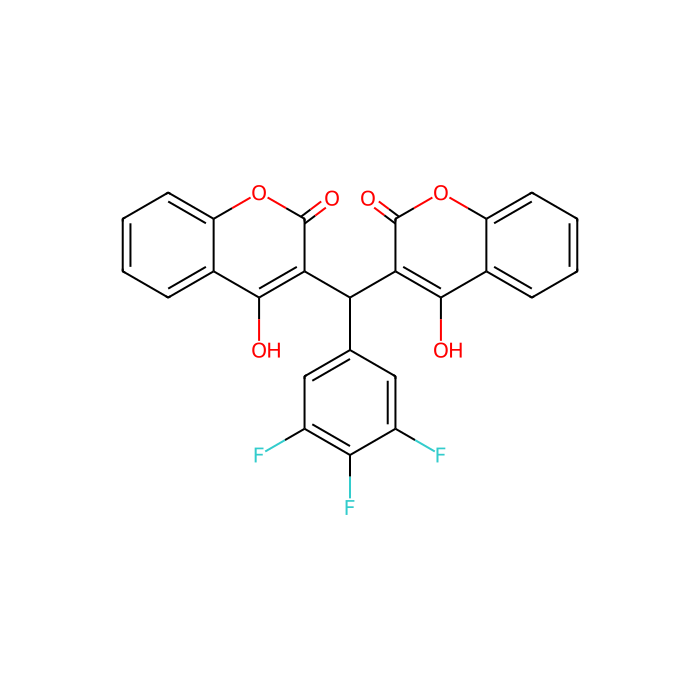
Item-specific structural features (ring systems, functional groups, stereochemistry) are not provided in the Product Data. Please consult the Certificate of Analysis (CoA) or structural file (SDF/MOL) on request for definitive structure.
General note:
CS-1 is listed under small molecules/compound libraries, suggesting it is intended for screening and discovery workflows. Without an explicit structure, downstream property predictions should not be assumed. Always verify identity via provided CoA/SDS and, if needed, perform orthogonal confirmation (e.g., HRMS, NMR) upon receipt for critical applications.
Synthetic Utility
CS-1 is offered as a small-molecule screening compound; no structural information is provided in the Product Data, and it is not positioned as a synthetic reagent or building block.
Therefore:
Named reactions, functional group interconversions, and protecting group strategies cannot be meaningfully discussed without a disclosed structure.
If you intend to use CS-1 in synthesis (e.g., as a reference standard or as a starting material), request the detailed structure (SDF) and evaluate compatibility with planned transformations.
General advice for handling unknown structures in synthetic contexts:
Conduct a small-scale stability screen against acids/bases, oxidants/reductants, and heating to map tolerance before multistep sequences.
Use analytical monitoring (LC–MS, TLC with multiple stains) to identify decomposition pathways.
Primary recommended use remains as a test article in screening and assay development.
Target Specificity
Item-specific target information (antigen, enzyme, receptor, pathway) is not provided in the Product Data for CS-1.
Guidance for establishing specificity in research use:
Build a selectivity profile using a panel of related targets or off-target assays relevant to the research area.
Employ counterscreens for common assay artifacts (redox activity, fluorescence interference, aggregation).
Confirm binding by biophysical methods (e.g., SPR, ITC, MST) where feasible, and correlate with functional inhibition/activation.
Note: Until such data are generated, CS-1 should be considered of unknown specificity.
We use cookies to ensure the website functions properly and, where permitted, to improve your experience. You can manage your preferences at any time in Settings. Learn more in our Cookie Policy.
Shall we send you a message when we have discounts available?
Remind me later
Thank you! Please check your email inbox to confirm.
Products are supplied to verified businesses, institutions, and qualified professionals for research and development use only. Not for use in humans, animals, diagnosis, or therapy.