Antibody reagents generally pose lower environmental hazards than many organic solvents or heavy-metal catalysts; the main sustainability considerations involve cold-chain logistics, buffer components, and preservatives.
Greener practice suggestions (general):
- Shipping/storage: consolidate orders to reduce cold-chain shipments; use reusable cold packs when feasible.
- Buffer systems: employ phosphate or HEPES buffers instead of volatile organic solvent systems. Avoid azide in waste streams that contact metals; consider thimerosal-free and azide-free formulations when compatible with your workflow.
- Process minimization: optimize assay protocols to reduce antibody consumption (microplate miniaturization, efficient blocking) and minimize single-use plastics.
- Regeneration and reuse: for affinity matrices coupled with antibody, validate mild regeneration buffers to extend column life and reduce waste.
Comparison (general context, not item-specific):
- Organic solvent-based detection (e.g., chromogenic substrates requiring hazardous solvents) vs. aqueous fluorescent readouts: aqueous methods typically reduce VOC emissions and waste toxicity.
For any buffer exchange or preservative removal, consult the item’s CoA/Spec Sheet to maintain stability while pursuing greener practices.

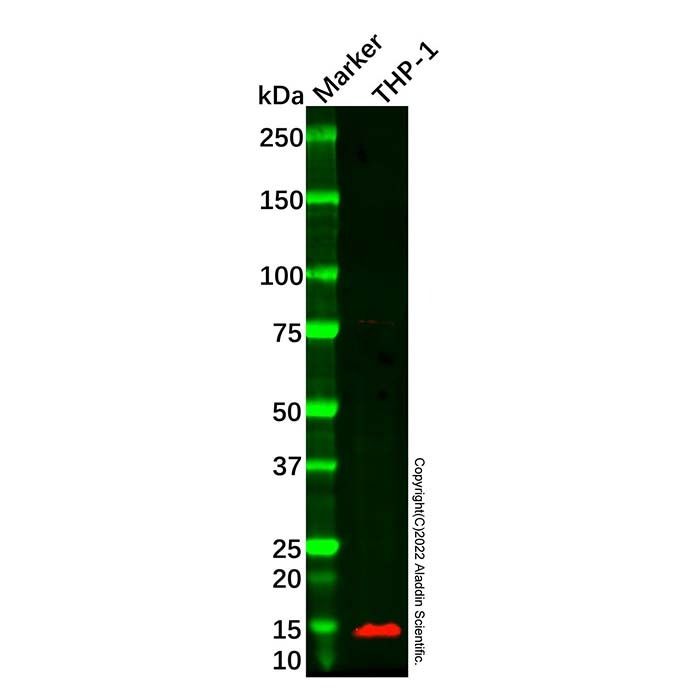
 ZJ24F0708997