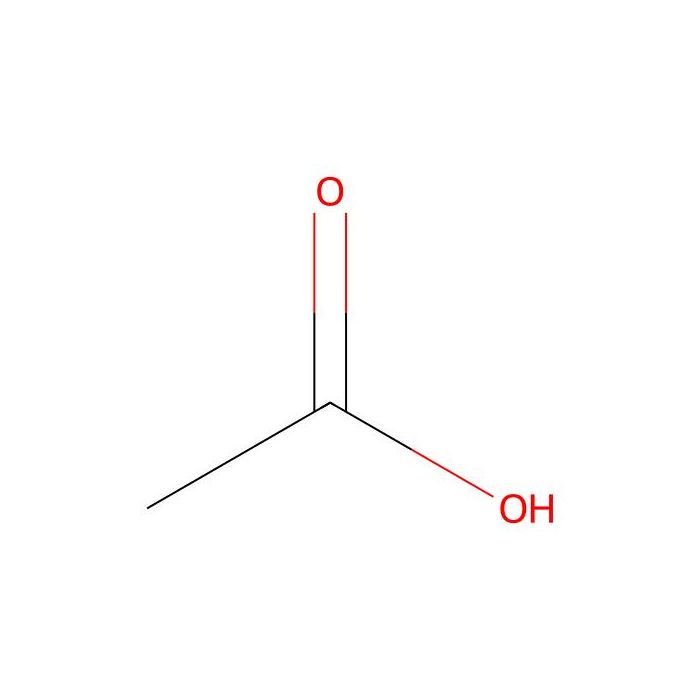
Acetic acid - JP,Moligand™,Ph.Eur.,PharmPure™,USP , CAS No.64-19-7

CAS: 64-19-7 Cat. No.: A774565 Formula: CH3CO2H Peso molecolare: 60.05 Beilstein Registry Number: 506007 Numero EC: 200-580-7
Disponibile su ordine
QUALITÀ & PUREZZA PharmPure™ ? PharmPure™ — Aladdin's line of biopharmaceutical raw and starting materials. Use for pharma manufacturing inputs needing high purity and documentation. USP ? United States Pharmacopeia grade — meets USP monograph specs for pharmaceutical use. Use for drug manufacturing, QC, and applications requiring US compendial compliance. JP ? Japanese Pharmacopoeia grade — conforms to JP monograph standards. Use for pharmaceutical products subject to Japanese regulatory requirements. Moligand™ ? Moligand™ — Aladdin's line of ligands and bioactive small molecules. Use for receptor, pathway, and binding studies needing defined small-molecule tools. Ph.Eur. ? European Pharmacopoeia grade — conforms to Ph.Eur. monographs across EU member states. Use for pharmaceutical work needing European compendial compliance.
Storage
Room temperature
Shipped In
FedEx DG Service
★
Dimensione
Germania (EU)
USA*
Prezzo
Qtà
500ml
A774565-GMP-500ml
Su ordinazione · 8–12 settimane
31,15€
Enter a quantity for the sizes you want to add.

Panoramica

Acetic acid is an organic carboxylic acid. It is a hygroscopic liquid having a pungent odor. Its anhydrous form is commonly referred as glacial acetic acid. It forms dimers linked by hydrogen bonds in solution and gaseous phases. It is weakly acidic in nature.:Acetic acid has been used in the analysis of synthetic peptides by electron transfer dissociation (ETD) tandem mass spectrometry (MS/MS). It may be used in the preparation of peroxyacetic acid (disinfectant), via reaction with perhydrol (30% hydrogen peroxide). for use as solvent for perchloric acid titration

Specifiche

Specifiche e purezza
JP,Moligand™,Ph.Eur.,PharmPure™,USP
Condizioni di conservazione di stoccaggio
Room temperature
Spedito in
FedEx DG Service
Grado
JP, Moligand™, Ph.Eur., PharmPure™, USP
Nomi e identificatori
SMILES
CC(=O)O
IUPAC Name
acetic acid
InChIKey
QTBSBXVTEAMEQO-UHFFFAOYSA-N
InChI
1S/C2H4O2/c1-2(3)4/h1H3,(H,3,4)
Isomeri SMILES
CC(=O)O
WGK Germania
1
RTECS
AF1225000
Numero UN
2789
Gruppo di imballaggio
II
Peso molecolare
60.05
Beilstein
506007
Reaxy-Rn
506007
Reaxys-RN_link_address
https://www.reaxys.com/reaxys/secured/hopinto.do?context=S&query=IDE.XRN=506007&ln=

Dati avanzati

Taxonomic Classification

Taxonomy Tree

KingdomOrganic compounds
SuperclassOrganic acids and derivatives
ClasseCarboxylic acids and derivatives
SubclassCarboxylic acids
Intermediate Tree Nodes Not available
Direct ParentCarboxylic acids
Alternative Parents Monocarboxylic acids and derivatives  Organic oxides  Hydrocarbon derivatives  Carbonyl compounds  
Molecular FrameworkAliphatic acyclic compounds
Substituents Monocarboxylic acid or derivatives - Carboxylic acid - Organic oxygen compound - Organic oxide - Hydrocarbon derivative - Organooxygen compound - Carbonyl group - Aliphatic acyclic compound
DescrizioneThis compound belongs to the class of organic compounds known as carboxylic acids. These are compounds containing a carboxylic acid group with the formula -C(=O)OH.
External Descriptors Straight chain fatty acids
Struttura 3D
Modello di struttura chimica interattiva


Certificati (CoA, COO, BSE/TSE e tabella di analisi)
C of A & Other Certificates(BSE/TSE, COO):
Analytical Chart:

Find and download the COA for your product by matching the lot number on the packaging.

1 results found

Lot NumberCertificate TypeDataOggetto
GMD2602398GMD2602398Certificate of AnalysisApr 03, 2026 A774565
Proprietà chimiche e fisiche
Solubilitàsoluble 602.9g/L
SensibilitàMoisture sensitive.
Indice di rifrazione1.37-1.373
Punto di infiammabilità (°C)40℃
Punto di ebollizione (°C)117-118°C
Punto di fusione (°C)16-16.5°C
Peso molecolare60.050 g/mol
XLogP3-0.200
Hydrogen Bond Donor Count1
Hydrogen Bond Acceptor Count2
Rotatable Bond Count0
Exact Mass60.0211 Da
Monoisotopic Mass60.0211 Da
Topological Polar Surface Area37.300 Ų
Heavy Atom Count4
Formal Charge0
Complexity31.000
Isotope Atom Count0
Defined Atom Stereocenter Count0
Undefined Atom Stereocenter Count0
Defined Bond Stereocenter Count0
Undefined Bond Stereocenter Count0
The total count of all stereochemical bonds0
Covalently-Bonded Unit Count1
Domande frequenti e articoli
GMP
Premium-Grade Reagents
The Guide to Anhydrous Grade for Reagents
What Is “Suitable for Analysis” Grade? A Practical Guide
Common Questions and Answers for SDS-PAGE Experiments
Peptide Mapping for Protein Structure Identification
A New Esterification Method — Rapid Esterification Mediated by the Coupling Reagent NDTP
Why Is EDTA So Widely Used?
Protein Tris-Acetate Electrophoresis System Standard Operating Procedure
Protein Tris-Tricine Electrophoresis System Standard Operating Procedure
Stripping, Cleaning, and Metal Recharging Workflow for Ni²⁺–Agarose Resins
Common Protein Gel Staining Methods
TRAP Staining: Principle and Procedure
GST-Tagged Protein Purification
Hematoxylin–Eosin (H&E) Staining Standard Operating Procedure (SOP)
Fatty Acids from Basics to Lab Practice: Structural Classification, Research Uses, and Selection Tips (with an Aladdin Representative Product Quick-Reference Table)
TEMPO-Catalyzed Oxidation Quick Reference (Alcohol Oxidation Focus): Three Regeneration Routes (NaOCl / Cu–O₂ / PIDA) + Selection & Troubleshooting
PAS Staining (Periodic Acid–Schiff, PAS) Standard Operating Procedure (SOP)
Masson’s Trichrome Stain (Masson’s Trichrome) Standard Operating Procedure (SOP)
Physicochemical Properties, Staining Mechanisms, and Practical Application Specifications of Hematoxylin
Installing a Redox Switch on Biomolecules: Principles, Conjugation Essentials, and an Application Guide for ATTO MB2 NHS ester
Small-Molecule Inhibitors: A Practical Guide for Research Selection — A Minimal Evidence Chain and Scenario-Based Validation Framework (Including a Selection Matrix, Case Cards, and Product Tables 1–4)
Practical Guide to Sodium Carboxymethyl Cellulose (CMC-Na): Thickening/Stabilizing Mechanisms, Key Controls for Solution Preparation, and Selection Navigation (including Table 1 and Tables A–C)
Secondary Effects Behind Chromatographic Peak Tailing and Unstable Peak Shapes: How Residual Silanols (Si–OH) Affect Basic Compounds, and the Shortest Troubleshooting/Remediation Path (with Product Navigation and Tables 1–3)
2-Methylpyridine–Borane (2-Picoline·BH₃) Reductive Amination Guide: Process Drivers for Replacing NaBH₃CN, the Practical Operating Window, and Scale-Up/Quench Close-Out Essentials (Including Product Tables 1–3)
Inulin: Structural Features, Physicochemical Properties, Application Development, and Research Progress in Experimental Settings
Methodological essentials for mineralization visualization: Alizarin Red S staining vs. Von Kossa silver staining
Recent Advances in Methods for Measuring Plant Fiber-Related Indices and Application-Oriented Selection
Functions and Significance of Common Physiological and Biochemical Indices in Animals and Plants
Recent Advances in Methods for Measuring Starch-Related Indices in Plants and Their Application-Oriented Selection
How Organic Acids “Stabilize a System”: Selection Logic via the pH Window, Salt Forms, and Metal-Ion Management (with a navigation guide to Tables A–E)
Acid Phosphatase: Dephosphorylation Reactions in Acidic Microenvironments and Their Research, Assay, and Detection Applications
Amino Acid Oxidases: Oxygen-Dependent Oxidative Deamination Systems and Their Analytical and Applied Uses
Agarose Precast Gels: Composition, Advantages, and Application Workflows for Standardized Nucleic Acid Electrophoresis Matrices
Chymosin: A Review of Molecular Features, Coagulation Kinetics, and Activity Evaluation
Hemicellulases: A Review of Substrate Specificity, Catalytic Systems, and Research and Industrial Applications
Phytase: Enzymological Properties, Mechanism of Action, and Applications in Feed and Food
Chlorophyll: Structural Features, Physicochemical Properties, and Key Points for Research and Industrial Applications
Chitinases: Substrate-Specific Degradation Mechanisms, Enzymatic Properties, and Application Directions
Ferulic Acid: Structural Features, Preparation Routes, and Key Points for Research Applications
Flavones: Structural Features, Physicochemical Properties, and Key Points for Research and Applications
β-Acyloxy Alkenyl Amides (AAAs): A New Approach to Amide Bond and Peptide Bond Construction Worth Attention
Silane Precursors in Sol-Gel Film Formation: Precursor Selection and Its Influence on Film-Formation Outcomes
Revisiting Titanium Tetrachloride: New Advances in the Direct Amidation and Esterification of Carboxylic Acids
DAST-Mediated Amidation at Room Temperature: Method Features, Practical Value, and Scope of Applicability
Understanding ATD-DMAP: From Reagent Design to Esterification, Amidation, and Stereochemical Integrity
Understanding Cbz (Benzyloxycarbonyl): Selection Logic and Practical Value of a Classical Amino Protecting Group
The Core Value of the Trityl Family of Protecting Groups: Acid-Deprotection Hierarchies and Selective Route Design
Reassessing Trimethylaluminum: Method Design and Experimental Value of One-Pot Peptide Elongation from Unprotected Amino Acids
Phthaloyl: Its Role in Primary Amine Protection and Practical Considerations for Experimental Selection
Acetyl-Group Metabolic Enzyme Network and In Vitro Enzymology Analysis
Research Value of Polyelectrolyte Multilayers: Layer-by-Layer Design of Interfacial Composition, Mass Transport, and Function
Extraction Methods and Process Selection for Flavonoid Compounds
Triphenylphosphine Dibromide (PPh₃Br₂) Is More Than Just a Brominating Reagent: Experimental Selection Logic from Alcohol-to-Alkyl Bromide Conversion to Carboxylic Acid Activation and One-Pot Esterification, Vinyl Bromide Formation, and Nitrile Constructi
Reaction Roles of DBU in Different Systems: Experimental Judgment from a Strong Organic Base to Nucleophilic Catalysis and Participation in the Reaction Pathway
Liquid Polyisoprene: Material Characteristics, Application Directions, and Selection Considerations
DMAP Is More Than Just an Organic Base: Experimental Judgment from Nucleophilic Acyl Transfer to Esterification and Macrolactonization
Experimental Evaluation of Triphosgene in Organic Synthesis: Understanding Its Selection Logic Through Reaction Tasks
Triphenylphosphine-Involved Carboxylic Acid Activation and Amide Bond Formation: Activation Pathways, Anhydride Competition, and Applicability Scenarios
Preparation Methods and Precautions for Silane Coupling Agent Primer Solutions
Experimental Research on Candidate Probiotics: From Strain Identification and Mechanistic Evaluation to Product Selection
Functional Distinction among Orange G-6, EA36, and EA50 in the Papanicolaou Staining System
Applications and Differences of Neisser Staining, Albert Staining, and Gram Staining in the Differentiation of Corynebacteria
Microbial Morphological Identification: Observation Systems, Staining Methods, and Result Interpretation
How to Troubleshoot Abnormal Impurities in Peptide Synthesis? Locating Process Issues Through Amino-Related Side Reactions
Selection and Formulation Design Guidelines for Phenolic Resins in Coatings: Applicable Scenarios, Application Limitations, and Performance Verification
Porous Graphitic Carbon (PGC) Chromatography Columns: Creating New Selectivity for Challenging Separations through Molecular Shape and the π-Electron Cloud on the Graphitic Surface
What Is Silica Sol: Mechanism of Action, Application Scenarios, and Selection Criteria for Nanosilica Dispersions
Principles, Method Selection, and Result Interpretation for Malondialdehyde Content Detection
Application of Shellac, a Natural Film-Forming Resin, in Coatings: Alcohol-Soluble Fast-Drying Film Formation, Sealing and Repair, and Performance Boundaries
Mechanisms and Control of Coating Yellowing: From Chromophoric Structure Formation to Source Diagnosis and Formulation Optimization
Differences, Functions, and Selection Guidelines for Sodium Hydroxide Flakes, Granules, Liquid Caustic Soda, and Caustic Soda in Household and Personal Care Product Manufacturing: The Functional and Application Logic of Sodium Hydroxide
Sodium Metasilicate in Cleaning Applications: Hydration-Form Differences, Mechanisms of Action, and Selection Logic
What Is an Etchant? Etching Mechanisms for Revealing Metallographic Microstructures, Selection Methods, and Applications of Related Wet-Etching Reagents
Performance Sources and Formulation Applications of Enzyme-Based Ingredients in Daily Chemical Products: Fermentation Transformation, Enzymatic Reactions, and Application Principles
Formation and Control of Carboxyl- and Hydroxyl-Related Impurities in Peptide Synthesis — Using Asp/Glu and Ser/Thr Residue Side Reactions as Examples
Why Do Rust Spots Appear on Neutral Wall Putty? Iron Sources, Moisture Migration, Oxidative Color Development, and Prevention Measures
Establishment and Evaluation of Animal Models of Gastric Ulcer: Chemical Induction, Stress Injury, Infection Models, and Healing Studies
Plant Tissue and Cell Wall Staining Methods: Selection of Light Green, Safranin, Fast Green, and Composite Staining Systems
Probiotics, Prebiotics, and Postbiotics in Skin Care: Conceptual Distinctions, Mechanisms of Action, and Their Applications in the Care of Dry, Itchy, and Rough Skin
Multilevel Moisturizing Mechanisms of Sodium Hyaluronate and Its Derivatives: Molecular Weight Modulation, Crosslinking, Acetylation, and Major Sites of Action
Sources, Host-Regulatory Mechanisms, and Tumor-Immune Effects of Gut Microbiota-Derived Metabolites
What Determines Collagen Function: From Triple-Helix Formation to Hierarchical Assembly, Crosslink Maturation, and Dynamic Remodeling
Differences Between Animal-Derived Collagen and Recombinant Collagen in Skincare: Sequence and Structure, Safety, Skin Effects, and Evidence Evaluation
3,3-Spiro-α-Proline Building Blocks: Structural Features, Complementary Synthetic Routes, and Multigram-Scale Preparation
Stereoretentive Decarboxylative Amidation with Dioxazolones: A Two-Electron Rearrangement Mechanism for Stereochemical Transfer from Chiral Carboxylic Acids
Desaturative Amination for the Synthesis of Amino Heteroarenes: Carbonyl-Site Predefinition of the C–N Bond-Forming Position and Subsequent Desaturative Aromatization
From Temporary Covalent Assembly to Intramolecular Smiles Aryl Migration: DCPDC-Mediated Phenol–Primary Amine C–N Cross-Coupling
Citations of This Product
Calcolatori di soluzioni
Recensioni

Recensioni dei clienti

Application Protocols

Not applicable. No antibody or assay-kit protocols are associated with this chemical reagent. For practical usage, refer to the Reaction & Applications, Reaction Conditions, and Buffer Applications sections for laboratory guidance.

Biological Roles

General biochemical context (not product-specific; for research/lab discussion only):

  • Central metabolite: The conjugate base, acetate, is a pivotal metabolite. Acetate is converted to acetyl‑CoA by acetyl‑CoA synthetase, entering the TCA cycle, fatty acid synthesis, and numerous acetylation pathways.
  • pH and microbial metabolism: Acetate is a common fermentation product (e.g., acetogenesis) and can act as a carbon source for diverse microbes. Its undissociated form permeates membranes, influencing intracellular pH and microbial stress responses.
  • Post-translational modification: Acyl donors (e.g., acetyl-CoA) support lysine acetylation on proteins; while acetic acid itself is not the acylating agent in vivo, acetate pools modulate acetylation flux indirectly.
  • Buffer role: The acetic acid/acetate pair (pKa 4.76 at 25 °C) is a classical buffer in biochemical assays within pH ~3.8–5.8, useful for maintaining mildly acidic environments that preserve activity/stability of select enzymes and biomolecules.
  • Transport and detoxification: In mammalian systems, acetate is rapidly metabolized in liver and muscle; in plants, acetate participates in the glyoxylate pathway via acetyl-CoA.

Note: No medical or clinical claims are made. Use is for research and laboratory processes only.

Buffer Applications

Acetate buffers are widely used for assays, protein workups sensitive to strong acids, and chromatographic mobile phases at acidic pH. The following are general, literature-based guidelines; optimize for your system.

  • Buffer system: Acetic acid (HA) / sodium acetate (A−)
    • pKa (25 °C): 4.76; effective pH range: 3.8–5.8.
  • Preparation examples (general):
    • 1.0 M acetate buffer, pH 5.0: Mix appropriate volumes of glacial acetic acid and 1 M NaOH to reach target pH and volume; alternatively, titrate sodium acetate with acetic acid.
    • Low-ionic-strength buffers (10–50 mM) are common for enzyme assays and ion-exchange chromatography sample prep.
  • Practical notes:
    • Temperature dependence: pKa shifts modestly with temperature; verify pH at working temperature.
    • Ionic strength: Adjust with NaCl if needed to stabilize proteins or control chromatographic selectivity.
    • Compatibility: Avoid precipitation with multivalent cations at higher acetate concentrations; be mindful of metal complexation.
  • LC/CE applications:
    • Volatile and MS-friendly compared with phosphate; commonly used at 1–50 mM in aqueous-organic mobile phases for LC-MS at pH 3.5–5.5.

Item-specific specifications for concentration, UV cutoff, or trace metals are Not specified for this item; refer to CoA/Spec Sheet.

Green Alternatives

Acetic acid is relatively benign compared with strong mineral acids and halogenated solvents, being biodegradable and derived at scale from low-carbon feedstocks. Nevertheless, it is corrosive and flammable. Consider the following substitutions when appropriate.

  • Greener substitutions by function (general guidance):
    • Acid catalyst for esterifications/hydrolyses: Citric acid or solid acids (Amberlyst-15, sulfonated carbons) in ethanol or water/ethanol can reduce corrosivity and simplify separation.
    • Solvent role: Switch to ethanol, 2-propanol, or ethyl acetate with catalytic acid; water-organic biphasic systems can also be effective.
    • Buffering/pH adjustment in LC: Ammonium acetate or formic acid in aqueous-organic mobile phases may offer lower odor and volatility trade-offs.

Trade-off summary (illustrative, literature-based):

  • Acetic acid: Moderate EHS profile; renewable routes available; corrosive vapors; excellent substrate solubility and acetate delivery.
  • Formic acid: Higher vapor pressure and reducing character; more volatile/odorous; stronger acid than AcOH per activity in nonaqueous media.
  • Trifluoroacetic acid (alternative in some protocols): Powerful acidity but poor E-factor due to persistence; higher toxicity and volatility—generally less green.
  • Solid acids (resins, zeolites): Easier separation/recycling; may require higher temperatures or show diffusion limits; water content can change activity.

Selection guidance:

  • Prefer AcOH when acetate participation is mechanistically beneficial or when a protic organic medium is decisive.
  • Prefer ethanol/water or solid acid catalysis when odor, corrosion, and solvent recovery are primary drivers.
Pharmaceutical Uses

Context for regulated laboratory and process development use (no therapeutic claims):

  • Compendial status: This SKU indicates alignment with USP, JP, and Ph.Eur. monographs. Such grades are suitable for use as processing aids, reagents, or excipients in research and development under quality systems. Always confirm lot-specific compliance on the CoA.
  • Typical roles (general pharmaceutics):
    • pH adjusting agent and buffer component (as acetate) in solutions where acidic pH is required.
    • Solvent/co-solvent in certain syntheses of APIs and intermediates; also used for cleaning/neutralization steps.
    • Mobile phase modifier in analytical QC methods (HPLC/UPLC), particularly for MS-compatible methods where volatile acids are preferred.
  • Handling in GMP-like settings (general):
    • Document water content and assay per monograph if process-critical.
    • Verify bioburden/endotoxin only if process dictates; not inherent to chemical grade.
    • Ensure container–closure compatibility (glass, HDPE) and use corrosion-resistant ancillary equipment.

Item-specific excipient functionality claims, residual solvent limits, UV absorbance, and elemental impurity profiles are Not specified for this item; refer to CoA/Spec Sheet.

Physical Properties

Item-specific numeric specifications are not provided in the Product Data for this SKU. Values below are general literature references for neat acetic acid (glacial), provided for context only and not as specifications for this item.

  • Appearance: Not specified for this item; refer to CoA/Spec Sheet.
  • Melting point: 16.6–16.7 °C (literature)
  • Boiling point: 118.0–118.5 °C at 1 atm (literature)
  • Density: 1.049–1.053 g/mL at 20–25 °C (literature)
  • Refractive index (nD20): ~1.371 (literature)
  • pKa (25 °C, water): 4.76 (literature)
  • LogP (octanol/water): approximately −0.3 for the neutral acid (literature)
  • Dielectric constant (25 °C): ~6.2 (literature)
  • Vapor pressure: ~15–16 mmHg at 20 °C (literature)
  • Viscosity: ~1.2 mPa·s at 25 °C (literature)
  • Solubility/miscibility (general):
    • Miscible with water, ethanol, methanol, acetone, ether, many polar organics (literature).
    • Forms strong hydrogen-bonded associates; the pure liquid is largely dimeric via O–H…O interactions (spectroscopic evidence, literature).

Note: Physical constants can vary with water content (e.g., “glacial” vs aqueous acetic acid). Consult the lot-specific CoA for item specifications.

Quality and Grades

This SKU lists multiple compliance/branding designations, indicating suitability for regulated and high-purity workflows. Item-specific numerical limits (metals, UV cutoff, residuals) are not provided here; consult the CoA/Spec Sheet for definitive specifications.

  • PharmPure™: Aladdin Scientific’s high-purity line intended for demanding laboratory and process applications where low impurity profiles and consistent batch quality are critical.
  • USP/JP/Ph.Eur.: Compliant with compendial monographs from the United States, Japanese, and European Pharmacopoeias. This typically encompasses identity/authenticity tests, assay limits, acidity/alkalinity, residue on evaporation, specified impurity profiles, and packaging/labeling requirements. Exact acceptance criteria and test results are lot-specific.
  • Moligand™: Brand designation for materials suited to ligand-sensitive or catalysis-adjacent workflows where trace contaminants can impact performance. Consult the lot CoA for any catalysis-relevant impurity data.

What this means in practice:

  • Regulatory alignment: Facilitates use in validated methods, QC labs, and process development where pharmacopeial compliance is required (non-clinical/research use only).
  • Chromatographic performance: Compendial-grade acetic acid generally exhibits low nonvolatile residue and predictable UV absorbance in the low-UV range, aiding in LC mobile phase preparation; however, UV cutoff and absorbance specs are Not specified for this item; refer to CoA/Spec Sheet.
  • Stabilizers/additives: None are indicated; if present, they would be declared on the CoA. Not specified for this item; refer to CoA/Spec Sheet.
Reaction and Applications

Acetic acid is a versatile acid/reagent/solvent across synthetic organic chemistry. Below are representative applications from the literature; adjust to your substrate and consult primary sources.

  • Acid-catalyzed transformations:
    • Fischer esterification: Alcohols + acetic acid (or catalytic AcOH with another acid) to esters; water removal (Dean–Stark or molecular sieves) improves conversion.
    • Acetal/ketal hydrolysis: Mild, controllable deprotection in AcOH–H2O mixtures at ambient to reflux temperatures.
  • Oxidations and functionalizations:
    • Permanganate, chromate, or hypervalent iodine oxidations often proceed in AcOH or AcOH/Ac2O to tune solubility and acidity.
    • Pd-catalyzed C–H acetoxylations (e.g., using PhI(OAc)2) frequently employ acetic acid as solvent and acetate source.
  • Halogenation at the α-position (HVZ-type):
    • Carboxylic acids with α-H (including acetic acid) undergo α-bromination/chlorination via acyl halide intermediates (e.g., Br2/PBr3), giving haloacetic acids (e.g., bromoacetic acid). Control temperature and exclude water.
  • Acetylations and anhydride chemistry:
    • In situ generation/consumption of acetic anhydride in AcOH can drive acetylations of alcohols/phenols under catalytic acid.
  • As a solvent/pH modifier in coupling:
    • Selected amide couplings and peptide ligations use AcOH to maintain solubility of cationic partners and suppress base-sensitive side pathways.

Practical tips:

  • Drying: For strictly anhydrous conditions, distill from acetic anhydride or employ molecular sieves; AcOH is hygroscopic and readily absorbs water.
  • Corrosion: Use glass or compatible PTFE-lined equipment; avoid reactive metals.
  • Workup: Neutralize residual acid carefully (e.g., NaHCO3 wash; CO2 evolution) and manage aqueous waste per regulations.
Reaction Conditions

General, literature-based guidance for common uses of acetic acid. Adjust to your substrate and scale; verify with small-scale trials.

  • Fischer esterification:
    • Typical: Alcohol (1.0–1.5 equiv), acetic acid (solvent/reagent), catalytic H2SO4 or p‑TsOH (1–10 mol%). Reflux (AcOH bp ~118 °C) 2–24 h. Remove water (Dean–Stark with co-solvent like toluene or use molecular sieves). Isolated yields often 60–95% depending on alcohol and removal of water.
  • Acetal/ketal hydrolysis:
    • Substrate in AcOH/H2O (9:1 to 1:1) at rt–80 °C, 0.5–6 h. Acidic medium promotes deprotection with fewer side reactions than strong mineral acids.
  • α-Halogenation (HVZ-type to bromoacetic acid):
    • Br2 (1.0–1.2 equiv), catalytic PBr3 or red phosphorus; 0–25 °C to control exotherm, then warm to 50–70 °C as needed. Strictly exclude water. Workup neutralizes HBr cautiously.
  • Pd-catalyzed C–H acetoxylation:
    • Arene substrate, Pd(OAc)2 (2–10 mol%), PhI(OAc)2 (2.0–3.0 equiv), AcOH solvent, 60–120 °C, 2–24 h under air or O2. Provides aryl acetates or acetoxylated arenes in moderate to high yields depending on directing groups.
  • Oxidations (e.g., MnO2, IBX/DMP variants):
    • AcOH or AcOH/Ac2O mixtures at 0–80 °C. Reaction times 0.5–12 h.

Operational notes:

  • Drying: Distill from acetic anhydride or use 3 Å molecular sieves for moisture-sensitive chemistry.
  • Quenching: Neutralize cautiously with bicarbonate/carbonate (CO2 evolution). Control venting.
  • Materials: Glass/PTFE recommended; avoid contact with reactive metals and carbon steel at elevated temperatures.
Safety and Handling

Hazard classifications are not specified in the Product Data for this SKU. The following are general SDS/GHS considerations for acetic acid and are provided for laboratory risk assessment; always consult the product’s SDS and local regulations.

  • Typical GHS classification (literature/SDS general):
    • Flammable liquid, Category 3; Skin corrosion, Category 1A; Serious eye damage, Category 1; Specific target organ toxicity – single exposure (respiratory irritation), Category 3.
    • Common pictograms: Flame, Corrosion, Exclamation mark.
  • Primary hazards (general):
    • Corrosive to skin and eyes; vapors are strongly irritating to mucous membranes and respiratory tract.
    • Flammable; keep away from heat/sparks/open flames. Containers may build pressure; open carefully.
  • Incompatibilities (general):
    • Strong oxidizers (e.g., chromic acid, permanganates), strong bases, reactive metals, carbonates/bicarbonates (CO2 evolution), strong reducing agents, nitrating agents, and acyl halides.
  • PPE and engineering controls:
    • Use chemical splash goggles, acid-resistant gloves (e.g., butyl rubber, neoprene), lab coat; handle in a fume hood to control vapors.
  • First-aid overview (general):
    • Skin/eye contact: Immediate decontamination with copious water for ≥15 minutes; remove contaminated clothing; seek medical attention.
    • Inhalation: Move to fresh air; monitor for respiratory irritation; seek medical advice.
    • Ingestion: Rinse mouth; do not induce vomiting; obtain medical attention promptly.
  • Storage per Product Data: Room temperature. Keep tightly closed in corrosion-resistant container with compatible inner liner; segregate from incompatibles. Shipped via FedEx DG Service. Defer to SDS for authoritative guidance.
Solvent Selection

Acetic acid serves as both solvent and reagent, occupying a niche as a polar, protic, weakly ionizing medium.

  • Polarity and miscibility (literature):
    • Dielectric constant ~6.2 (25 °C); donor/acceptor capacity via hydrogen bonding.
    • Miscible with water and many polar organics; dissolves numerous inorganic salts as acetate complexes under acidic conditions.
  • When to choose acetic acid:
    • Acid-catalyzed transformations (Fischer esterification, acetal hydrolysis), where substrate or catalyst benefit from a protic acidic medium.
    • Metal-catalyzed oxidations or C–H functionalizations reported in AcOH/AcOH–Ac2O mixtures (e.g., Pd- or Mn-mediated systems).
    • As a mobile phase modifier or pH adjuster for LC methods when volatile mineral acids are undesirable.
  • When to consider alternatives:
    • For greener or less hazardous media: ethanol, water/ethanol mixtures, ethyl acetate, or 2-propanol can sometimes substitute as solvent, with catalytic acid added separately.
    • For stronger acidity without corrosive vapors: methanesulfonic acid as a catalyst in an inert organic solvent.

Comparison (general guidance):

  • Acetic acid vs formic acid: Acetic acid is less volatile and less reducing; better for reactions sensitive to hydride transfer.
  • Acetic acid vs TFA: Much less acidic and less volatile than TFA; milder for acid-labile substrates and greener from an EHS perspective.
  • Acetic acid vs mineral acids in water: Provides organic solubility and suppresses water-sensitive side reactions, at the expense of weaker acidity.
Storage and Reconstitution
  • Storage conditions (from Product Data): Room temperature.
  • Shipping: FedEx DG Service (dangerous goods) as listed.
  • Container: Keep tightly closed in a corrosion-resistant container with compatible inner liner. Minimize headspace to limit vapor exposure and water uptake.
  • Stability notes (general):
    • Hygroscopicity: Acetic acid absorbs moisture; water content influences reactivity and physical constants. For anhydrous applications, freshly dry or distill prior to use.
    • Freezing/solidification: Glacial acetic acid solidifies near 16–17 °C; gentle warming (ambient water bath) will re-liquefy. Do not use direct heat or open flames.
    • Peroxide formation: Not a peroxide-forming solvent.
  • Reconstitution: Not applicable; supplied neat. If preparing buffered or diluted solutions, add acetic acid slowly to water with stirring and appropriate cooling; verify pH after temperature equilibration.
  • Shelf life and specifications: Not specified for this item; refer to CoA/Spec Sheet and SDS for lot-specific assay, water content, and impurity information.

Always handle in a fume hood, and segregate from incompatible materials (strong bases, oxidizers, reactive metals). Use secondary containment to manage corrosive spill risk.

Structure and Identity

Acetic acid is the simplest aliphatic carboxylic acid after formic acid and a ubiquitous laboratory acid and solvent.

  • Item identifiers (from Product Data):
    • CAS: 64-19-7
    • CID: 176
    • InChIKey: 305771 (as listed)
    • Grade designations: PharmPure™, USP, JP, Moligand™, Ph.Eur.
  • Literature/computed identifiers (general reference):
    • Molecular formula: C2H4O2 (CH3COOH)
    • Molecular weight: 60.052 g/mol
    • SMILES: CC(=O)O
    • Standard InChIKey: QTBSBXVTEAMEQO-UHFFFAOYSA-N
  • Structural features (general chemistry):
    • Functional groups: One terminal carboxylic acid (–CO2H) attached to a methyl group.
    • Saturation/aromaticity: Fully saturated, aliphatic; no rings; no heteroaromatic features.
    • Acidic site: Brønsted acidic proton on the carboxyl group; conjugate base is acetate (CH3COO−) with resonance delocalization over the carboxylate.
    • 2D description: A two-carbon chain where C1 is methyl (–CH3) and C2 bears a carbonyl (C=O) and a hydroxyl (–OH), forming the prototypical carboxyl moiety.
    • Stereochemistry: None (achiral).
Synthetic Utility

Acetic acid’s carboxylic acid functionality and mild acidity enable a broad range of transformations and strategic manipulations.

  • Functional group interconversions (literature):
    • To acyl chloride: SOCl2 or (COCl)2 with catalytic DMF → acetyl chloride (excellent acylating agent).
    • To anhydride: Dehydration or equilibrium with acetic anhydride; drives acetylations.
    • To esters: Fischer esterification with alcohols under acid catalysis or via Steglich esterification (DCC/DMAP) for sensitive substrates.
    • To amides: Coupling reagents (EDC/HOBt, HATU) or ammonolysis/amine reactions via activated intermediates.
  • Named/representative reactions using AcOH medium:
    • Heck/Suzuki precursors functionalization steps sometimes use AcOH for selective solvolysis or protecting-group adjustments.
    • HVZ-like α-halogenation to haloacetic acids (e.g., Br2/PBr3 system) as building blocks.
    • Oxidations (Dess–Martin, IBX variants) and Pd-catalyzed C–H acetoxylations proceed efficiently in AcOH.
  • Protecting group chemistry:
    • Acid-labile group removal (THP, tert-butyl esters) can be moderated in AcOH/H2O or AcOH/Ac2O mixtures to balance rate/selectivity.
  • As a leaving-group “reservoir”:
    • Acetate acts as a nucleophile or counterion to steer substitution and elimination outcomes in polar protic media.

Strategic value: Ready access to acetyl derivatives and acetate salts makes AcOH foundational in retrosyntheses where acetyl is a transient protecting/activating group.

Target Specificity

Not applicable. This product is a small-molecule reagent/solvent, not a biological affinity reagent. No antigen/epitope/clone/isotype information applies.

Hai bisogno di aiuto per scegliere la qualità?

La nostra guida alla selezione delle qualità copre purezza, stato dello stabilizzatore e idoneità all'applicazione per tutte le varianti del nostro catalogo.

Visualizza la guida alle qualità PharmPure™ → Visualizza la guida alle qualità USP → Visualizza la guida alle qualità JP → Visualizza la guida alle qualità Moligand™ → Visualizza la guida alle qualità Ph.Eur. →

Desidera che le inviamo un messaggio quando avremo sconti disponibili?

Ricordamelo più tardi

Grazie! Controlli la sua casella di posta per confermare.

Ops! Le notifiche sono disabilitate.