Determine the necessary mass, volume, or concentration for preparing a solution.
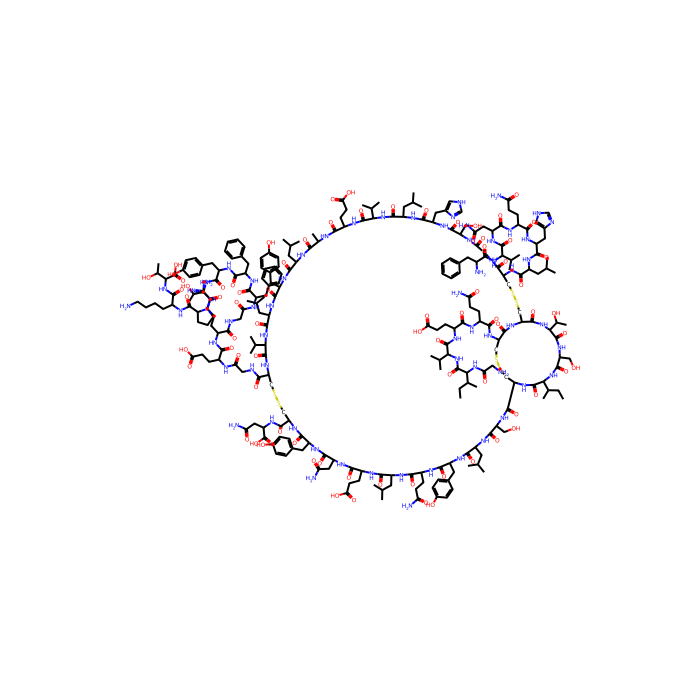
Insulin(human), CAS No.11061-68-0
Disponível para encomenda
GRADE & PURITY 10mM in DMSO

10mM in DMSO for sensitive chromatographic and analytical workflows requiring minimal baseline interference.
Store at -80°C Ships Dry ice packs + Cold packs Check lot-specific COA for exact specifications.
SDS, COA, datasheet, and spec sheet available for download. Lot-specific COA accessible via lot number lookup.
Cited in 74 peer-reviewed publications across chromatography, organic synthesis, and cross-coupling reactions.
Comprehensive hazard, handling, storage, and regulatory compliance document.
Download SDS →Lot-specific quality data. Enter your lot number to retrieve the exact COA.
Look up COA →Full quality attributes and acceptance criteria for this grade.
View spec sheet →Taxonomy Tree
| Kingdom | Organic compounds |
|---|---|
| Superclass | Organic Polymers |
| Classe | Polypeptides |
| Subclass | Not available |
| Intermediate Tree Nodes | Not available |
| Direct Parent | Polypeptides |
| Alternative Parents | Cyclic peptides Hexacarboxylic acids and derivatives Tyrosine and derivatives Arginine and derivatives Phenylalanine and derivatives Histidine and derivatives Glutamic acid and derivatives Glutamine and derivatives Asparagine and derivatives Isoleucine and derivatives Leucine and derivatives Valine and derivatives Proline and derivatives N-acyl-alpha amino acids Alpha amino acid amides Amphetamines and derivatives Pyrrolidinecarboxamides N-acylpyrrolidines 1-hydroxy-2-unsubstituted benzenoids Beta hydroxy acids and derivatives Aralkylamines N-acyl amines Tertiary carboxylic acid amides Heteroaromatic compounds Imidazoles Primary carboxylic acid amides Guanidines Secondary carboxylic acid amides Organic disulfides Secondary alcohols Lactams Amino acids Azacyclic compounds Carboxylic acids Carboximidamides Carbonyl compounds Hydrocarbon derivatives Imines Monoalkylamines Organic oxides Organopnictogen compounds Primary alcohols |
| Molecular Framework | Aromatic heteropolycyclic compounds |
| Substituents | Polypeptide - Hexacarboxylic acid or derivatives - Cyclic alpha peptide - Tyrosine or derivatives - Arginine or derivatives - Phenylalanine or derivatives - Histidine or derivatives - Glutamic acid or derivatives - Glutamine or derivatives - Asparagine or derivatives - Leucine or derivatives - Isoleucine or derivatives - N-acyl-alpha amino acid or derivatives - N-acyl-alpha-amino acid - Valine or derivatives - Proline or derivatives - Alpha-amino acid amide - Alpha-amino acid or derivatives - Amphetamine or derivatives - N-substituted-alpha-amino acid - N-acylpyrrolidine - Pyrrolidine carboxylic acid or derivatives - Pyrrolidine-2-carboxamide - Phenol - 1-hydroxy-2-unsubstituted benzenoid - Aralkylamine - Beta-hydroxy acid - N-acyl-amine - Fatty amide - Fatty acyl - Monocyclic benzene moiety - Hydroxy acid - Benzenoid - Heteroaromatic compound - Pyrrolidine - Azole - Tertiary carboxylic acid amide - Imidazole - Amino acid or derivatives - Amino acid - Guanidine - Lactam - Secondary carboxylic acid amide - Organic disulfide - Carboxamide group - Primary carboxylic acid amide - Secondary alcohol - Organoheterocyclic compound - Carboximidamide - Carboxylic acid - Azacycle - Carboxylic acid derivative - Alcohol - Imine - Primary aliphatic amine - Organonitrogen compound - Carbonyl group - Organooxygen compound - Primary alcohol - Primary amine - Hydrocarbon derivative - Organic oxide - Amine - Organopnictogen compound - Organic oxygen compound - Organic nitrogen compound - Aromatic heteropolycyclic compound |
| Descrição | This compound belongs to the class of organic compounds known as polypeptides. These are peptides containing ten or more amino acid residues. |
| External Descriptors | Not available |