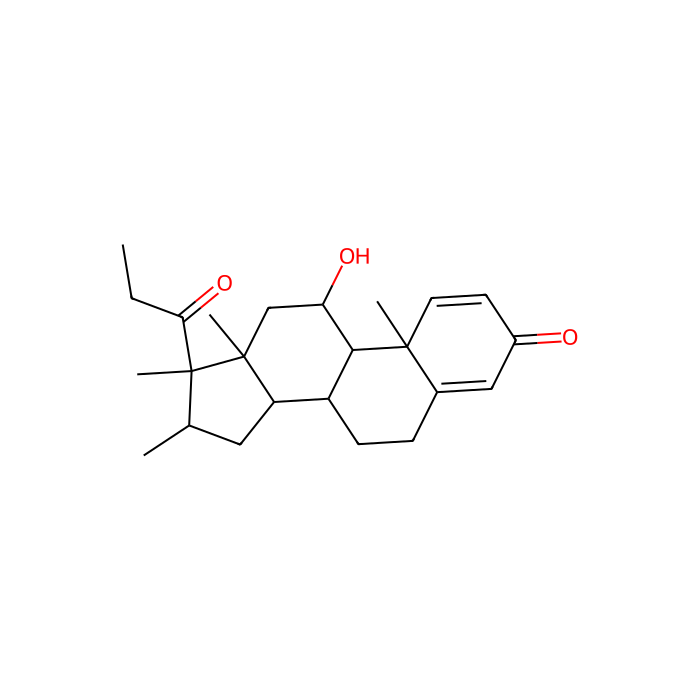
Rimexolone - Moligand™ , Glucocorticoid receptor agonist, CAS No.49697-38-3, Glucocorticoid receptor agonist

CAS: 49697-38-3 Cat. No.: R337073 Fórmula: C24H34O3 Peso molecular: 370.52 Número CE: 685-613-7 PubChem CID: 5311412
Disponível para encomenda
GRADE & PURITY Moligand™ ? Moligand™ — Aladdin's line of ligands and bioactive small molecules. Use for receptor, pathway, and binding studies needing defined small-molecule tools.
Synonyms
AL-2178 | DB00896 | Rimexolonum | (11beta,16alpha,17beta)-11-Hydroxy-16,17-dimethyl-17-(1-oxopropyl)androsta-1,4-dien-3-one | 11beta-Hydroxy-16alpha,17alpha-dimethyl-17-propionylandrosta-1,4-dien-3-one | 11beta-Hydroxy-16alpha,17,21-trimethyl-1,4-pregnadi
Storage
Room temperature
Shipped In
Normal
★
Size
Alemanha (EU)
USA*
Price
Qty
100mg
R337073-100mg
Sob encomenda · 8–12 semanas
456,34€
Enter a quantity for the sizes you want to add.
🧪
Why this grade

Moligand™ Moligand™ for sensitive chromatographic and analytical workflows requiring minimal baseline interference.

🌡

Storage & shipping

Room temperature Ships Normal Check lot-specific COA for exact specifications.

📋

Quality documents

SDS, COA, datasheet, and spec sheet available for download. Lot-specific COA accessible via lot number lookup.

📚

Literature proof

Cited in 0 peer-reviewed publications across chromatography, organic synthesis, and cross-coupling reactions.

Specifications

Sinónimos
AL-2178 | DB00896 | Rimexolonum | (11beta,16alpha,17beta)-11-Hydroxy-16,17-dimethyl-17-(1-oxopropyl)androsta-1,4-dien-3-one | 11beta-Hydroxy-16alpha,17alpha-dimethyl-17-propionylandrosta-1,4-dien-3-one | 11beta-Hydroxy-16alpha,17,21-trimethyl-1,4-pregnadi
Especificações e pureza
Moligand™
Condições de armazenamento de armazenamento
Room temperature
Enviado em
Normal
Grau
Moligand™
Tipo de ação
AGONIST
Mecanismo de ação
Glucocorticoid receptor agonist
Propriedades do produto
ALogP
3.5
Nomes e identificadores
Sorrisos canónicos
CCC(=O)C1(C(CC2C1(CC(C3C2CCC4=CC(=O)C=CC34C)O)C)C)C
IUPAC Name
(8S,9S,10R,11S,13S,14S,16R,17S)-11-hydroxy-10,13,16,17-tetramethyl-17-propanoyl-7,8,9,11,12,14,15,16-octahydro-6H-cyclopenta[a]phenanthren-3-one
InChIKey
QTTRZHGPGKRAFB-OOKHYKNYSA-N
INCHI
1S/C24H34O3/c1-6-20(27)24(5)14(2)11-18-17-8-7-15-12-16(25)9-10-22(15,3)21(17)19(26)13-23(18,24)4/h9-10,12,14,17-19,21,26H,6-8,11,13H2,1-5H3/t14-,17+,18+,19+,21-,22+,23+,24-/m1/s1
SMILES isoméricas
CCC(=O)[C@]1([C@@H](C[C@@H]2[C@@]1(C[C@@H]([C@H]3[C@H]2CCC4=CC(=O)C=C[C@]34C)O)C)C)C
PubChem CID
5311412
Peso molecular
370.52

Documentation

📋 Safety Data Sheet (SDS)

Comprehensive hazard, handling, storage, and regulatory compliance document.

Download SDS →

✅ Certificate of Analysis (COA)

Lot-specific quality data. Enter your lot number to retrieve the exact COA.

Look up COA →

📊 Datasheet

Quick-reference summary of product specifications and applications.

View datasheet →

🔬 Specification Sheet

Full quality attributes and acceptance criteria for this grade.

View spec sheet →

Advanced Data

Taxonomic Classification

Taxonomy Tree

KingdomOrganic compounds
SuperclassLipids and lipid-like molecules
ClasseSteroids and steroid derivatives
SubclassOxosteroids
Intermediate Tree Nodes Not available
Direct Parent20-oxosteroids
Alternative Parents Androgens and derivatives  3-oxo delta-1,4-steroids  11-beta-hydroxysteroids  Delta-1,4-steroids  Secondary alcohols  Cyclic ketones  Cyclic alcohols and derivatives  Organic oxides  Hydrocarbon derivatives  
Molecular FrameworkAliphatic homopolycyclic compounds
Substituents 20-oxosteroid - Androgen-skeleton - Androstane-skeleton - 3-oxo-delta-1,4-steroid - 3-oxosteroid - Hydroxysteroid - 11-beta-hydroxysteroid - 11-hydroxysteroid - Delta-1,4-steroid - Cyclic alcohol - Ketone - Secondary alcohol - Cyclic ketone - Organooxygen compound - Alcohol - Carbonyl group - Organic oxide - Hydrocarbon derivative - Organic oxygen compound - Aliphatic homopolycyclic compound
DescriçãoThis compound belongs to the class of organic compounds known as 20-oxosteroids. These are steroid derivatives carrying a C=O group at the 20-position of the steroid skeleton.
External Descriptors Not available
Estrutura 3D
Modelo de Estrutura Química Interativa


Alvos associados (humanos)
ESR1 Tclin Estrogen receptor alpha (17718 Activities)
Activity TypeRelationActivity valueUnitsAction TypeJournalPubMed IddoiAssay Aladdin ID
NR3C1 Tclin Glucocorticoid receptor (14987 Activities)
Activity TypeRelationActivity valueUnitsAction TypeJournalPubMed IddoiAssay Aladdin ID
PGR Tclin Progesterone receptor (8562 Activities)
Activity TypeRelationActivity valueUnitsAction TypeJournalPubMed IddoiAssay Aladdin ID
ADRB2 Tclin Beta-2 adrenergic receptor (11824 Activities)
Activity TypeRelationActivity valueUnitsAction TypeJournalPubMed IddoiAssay Aladdin ID
CHRM2 Tclin Muscarinic acetylcholine receptor M2 (10671 Activities)
Activity TypeRelationActivity valueUnitsAction TypeJournalPubMed IddoiAssay Aladdin ID
ADRB1 Tclin Beta-1 adrenergic receptor (6630 Activities)
Activity TypeRelationActivity valueUnitsAction TypeJournalPubMed IddoiAssay Aladdin ID
HTR1A Tclin Serotonin 1a (5-HT1a) receptor (14969 Activities)
Activity TypeRelationActivity valueUnitsAction TypeJournalPubMed IddoiAssay Aladdin ID
ADRA2A Tclin Alpha-2a adrenergic receptor (9450 Activities)
Activity TypeRelationActivity valueUnitsAction TypeJournalPubMed IddoiAssay Aladdin ID
AR Tclin Androgen Receptor (11781 Activities)
Activity TypeRelationActivity valueUnitsAction TypeJournalPubMed IddoiAssay Aladdin ID
CHRM1 Tclin Muscarinic acetylcholine receptor M1 (12690 Activities)
Activity TypeRelationActivity valueUnitsAction TypeJournalPubMed IddoiAssay Aladdin ID
DRD2 Tclin Dopamine D2 receptor (23596 Activities)
Activity TypeRelationActivity valueUnitsAction TypeJournalPubMed IddoiAssay Aladdin ID
GABRA1 Tclin GABA receptor alpha-1 subunit (399 Activities)
Activity TypeRelationActivity valueUnitsAction TypeJournalPubMed IddoiAssay Aladdin ID
MAOA Tclin Monoamine oxidase A (11911 Activities)
Activity TypeRelationActivity valueUnitsAction TypeJournalPubMed IddoiAssay Aladdin ID
CNR1 Tclin Cannabinoid CB1 receptor (20913 Activities)
Activity TypeRelationActivity valueUnitsAction TypeJournalPubMed IddoiAssay Aladdin ID
DRD1 Tclin Dopamine D1 receptor (9720 Activities)
Activity TypeRelationActivity valueUnitsAction TypeJournalPubMed IddoiAssay Aladdin ID
PTGS1 Tclin Cyclooxygenase-1 (9233 Activities)
Activity TypeRelationActivity valueUnitsAction TypeJournalPubMed IddoiAssay Aladdin ID
SLC6A2 Tclin Norepinephrine transporter (10102 Activities)
Activity TypeRelationActivity valueUnitsAction TypeJournalPubMed IddoiAssay Aladdin ID
HRH2 Tclin Histamine H2 receptor (5428 Activities)
Activity TypeRelationActivity valueUnitsAction TypeJournalPubMed IddoiAssay Aladdin ID
HTR2A Tclin Serotonin 2a (5-HT2a) receptor (14758 Activities)
Activity TypeRelationActivity valueUnitsAction TypeJournalPubMed IddoiAssay Aladdin ID
HTR2C Tclin Serotonin 2c (5-HT2c) receptor (11471 Activities)
Activity TypeRelationActivity valueUnitsAction TypeJournalPubMed IddoiAssay Aladdin ID
AVPR2 Tclin Vasopressin V2 receptor (2912 Activities)
Activity TypeRelationActivity valueUnitsAction TypeJournalPubMed IddoiAssay Aladdin ID
ADORA1 Tclin Adenosine A1 receptor (17603 Activities)
Activity TypeRelationActivity valueUnitsAction TypeJournalPubMed IddoiAssay Aladdin ID
AGTR1 Tclin Type-1 angiotensin II receptor (5176 Activities)
Activity TypeRelationActivity valueUnitsAction TypeJournalPubMed IddoiAssay Aladdin ID
SLC6A4 Tclin Serotonin transporter (12625 Activities)
Activity TypeRelationActivity valueUnitsAction TypeJournalPubMed IddoiAssay Aladdin ID
ADRA1A Tclin Alpha-1a adrenergic receptor (8359 Activities)
Activity TypeRelationActivity valueUnitsAction TypeJournalPubMed IddoiAssay Aladdin ID
PTGS2 Tclin Cyclooxygenase-2 (13999 Activities)
Activity TypeRelationActivity valueUnitsAction TypeJournalPubMed IddoiAssay Aladdin ID
HRH1 Tclin Histamine H1 receptor (7573 Activities)
Activity TypeRelationActivity valueUnitsAction TypeJournalPubMed IddoiAssay Aladdin ID
OPRM1 Tclin Mu opioid receptor (19785 Activities)
Activity TypeRelationActivity valueUnitsAction TypeJournalPubMed IddoiAssay Aladdin ID
DRD3 Tclin Dopamine D3 receptor (14368 Activities)
Activity TypeRelationActivity valueUnitsAction TypeJournalPubMed IddoiAssay Aladdin ID
AVPR1A Tclin Vasopressin V1a receptor (5412 Activities)
Activity TypeRelationActivity valueUnitsAction TypeJournalPubMed IddoiAssay Aladdin ID
OPRD1 Tclin Delta opioid receptor (15096 Activities)
Activity TypeRelationActivity valueUnitsAction TypeJournalPubMed IddoiAssay Aladdin ID
OPRK1 Tclin Kappa opioid receptor (16155 Activities)
Activity TypeRelationActivity valueUnitsAction TypeJournalPubMed IddoiAssay Aladdin ID
HTR3A Tclin Serotonin 3a (5-HT3a) receptor (3366 Activities)
Activity TypeRelationActivity valueUnitsAction TypeJournalPubMed IddoiAssay Aladdin ID
SLC6A3 Tclin Dopamine transporter (10535 Activities)
Activity TypeRelationActivity valueUnitsAction TypeJournalPubMed IddoiAssay Aladdin ID
GRIN1 Tclin Glutamate (NMDA) receptor subunit zeta 1 (122 Activities)
Activity TypeRelationActivity valueUnitsAction TypeJournalPubMed IddoiAssay Aladdin ID
KCNH2 Tclin HERG (29587 Activities)
Activity TypeRelationActivity valueUnitsAction TypeJournalPubMed IddoiAssay Aladdin ID
CACNA1C Tclin Voltage-gated L-type calcium channel alpha-1C subunit (766 Activities)
Activity TypeRelationActivity valueUnitsAction TypeJournalPubMed IddoiAssay Aladdin ID
PDE3A Tclin Phosphodiesterase 3A (3309 Activities)
Activity TypeRelationActivity valueUnitsAction TypeJournalPubMed IddoiAssay Aladdin ID
SLC29A1 Tclin Equilibrative nucleoside transporter 1 (1711 Activities)
Activity TypeRelationActivity valueUnitsAction TypeJournalPubMed IddoiAssay Aladdin ID
ADRA2B Tclin Alpha-2b adrenergic receptor (4412 Activities)
Activity TypeRelationActivity valueUnitsAction TypeJournalPubMed IddoiAssay Aladdin ID
ADRA2C Tclin Alpha-2c adrenergic receptor (4876 Activities)
Activity TypeRelationActivity valueUnitsAction TypeJournalPubMed IddoiAssay Aladdin ID
CHRM3 Tclin Muscarinic acetylcholine receptor M3 (7750 Activities)
Activity TypeRelationActivity valueUnitsAction TypeJournalPubMed IddoiAssay Aladdin ID
HTR2B Tclin Serotonin 2b (5-HT2b) receptor (10323 Activities)
Activity TypeRelationActivity valueUnitsAction TypeJournalPubMed IddoiAssay Aladdin ID
TBXA2R Tclin Thromboxane A2 receptor (5717 Activities)
Activity TypeRelationActivity valueUnitsAction TypeJournalPubMed IddoiAssay Aladdin ID
ADORA2A Tclin Adenosine A2a receptor (16305 Activities)
Activity TypeRelationActivity valueUnitsAction TypeJournalPubMed IddoiAssay Aladdin ID
ADORA3 Tchem Adenosine A3 receptor (15931 Activities)
Activity TypeRelationActivity valueUnitsAction TypeJournalPubMed IddoiAssay Aladdin ID
BDKRB2 Tclin Bradykinin B2 receptor (3970 Activities)
Activity TypeRelationActivity valueUnitsAction TypeJournalPubMed IddoiAssay Aladdin ID
CHRNA4 Tclin Neuronal acetylcholine receptor protein alpha-4 subunit (1265 Activities)
Activity TypeRelationActivity valueUnitsAction TypeJournalPubMed IddoiAssay Aladdin ID
MC3R Tchem Melanocortin receptor 3 (5659 Activities)
Activity TypeRelationActivity valueUnitsAction TypeJournalPubMed IddoiAssay Aladdin ID
MLNR Tchem Motilin receptor (1724 Activities)
Activity TypeRelationActivity valueUnitsAction TypeJournalPubMed IddoiAssay Aladdin ID
Alvos associados (não humanos)
ampC Beta-lactamase AmpC (62480 Activities)
Activity TypeRelationActivity valueUnitsAction TypeJournalPubMed IddoiAssay Aladdin ID
Mc4r Melanocortin receptor 4 (1205 Activities)
Activity TypeRelationActivity valueUnitsAction TypeJournalPubMed IddoiAssay Aladdin ID
Npy1r Neuropeptide Y receptor type 1 (8 Activities)
Activity TypeRelationActivity valueUnitsAction TypeJournalPubMed IddoiAssay Aladdin ID
Cckar Cholecystokinin A receptor (90 Activities)
Activity TypeRelationActivity valueUnitsAction TypeJournalPubMed IddoiAssay Aladdin ID
Pde4d Phosphodiesterase 4D (4 Activities)
Activity TypeRelationActivity valueUnitsAction TypeJournalPubMed IddoiAssay Aladdin ID
Hdac6 Histone deacetylase 6 (222 Activities)
Activity TypeRelationActivity valueUnitsAction TypeJournalPubMed IddoiAssay Aladdin ID
Plasmodium falciparum (966862 Activities)
Activity TypeRelationActivity valueUnitsAction TypeJournalPubMed IddoiAssay Aladdin ID
rep Replicase polyprotein 1ab (378 Activities)
Activity TypeRelationActivity valueUnitsAction TypeJournalPubMed IddoiAssay Aladdin ID
Nfe2l2 Nuclear factor erythroid 2-related factor 2 (214 Activities)
Activity TypeRelationActivity valueUnitsAction TypeJournalPubMed IddoiAssay Aladdin ID
Nr1i2 Nuclear receptor subfamily 1 group I member 2 (14 Activities)
Activity TypeRelationActivity valueUnitsAction TypeJournalPubMed IddoiAssay Aladdin ID
Mecanismos de ação
Certificados(CoA,COO,BSE/TSE e Mapa de Análise)
C of A & Other Certificates(BSE/TSE, COO):
Analytical Chart:
Propriedades químicas e físicas
Ponto de fusão (°C)258-268° C
Peso molecular370.500 g/mol
XLogP33.500
Hydrogen Bond Donor Count1
Hydrogen Bond Acceptor Count3
Rotatable Bond Count2
Exact Mass370.251 Da
Monoisotopic Mass370.251 Da
Topological Polar Surface Area54.400 Ų
Heavy Atom Count27
Formal Charge0
Complexity749.000
Isotope Atom Count0
Defined Atom Stereocenter Count8
Undefined Atom Stereocenter Count0
Defined Bond Stereocenter Count0
Undefined Bond Stereocenter Count0
The total count of all stereochemical bonds0
Covalently-Bonded Unit Count1
FAQs e artigos
Calculadoras de soluções
Revisões

Avaliações dos Clientes

Application Protocols

No tested application protocols (e.g., WB, IHC, IF, FC) are provided for this item. The compound is offered for research use only without validated bioassay protocols.

General usage guidance for small-molecule screening (for planning only):

  • Stock preparation: Dissolve in anhydrous DMSO at a convenient concentration (e.g., 10–50 mM, as solubility permits). Vortex and sonicate briefly if needed; filter through 0.22 μm PTFE.
  • Plate handling: Use low‑bind polypropylene plates/tubes. Dispense with acoustic or positive-displacement systems to reduce adsorption and carryover.
  • Dilution: Prepare serial dilutions in assay buffer containing matched DMSO (usually ≤0.5–1% v/v final). Mix thoroughly and minimize dwell time at room temperature for sensitive assays.
  • Controls: Include vehicle controls at matched cosolvent percentage and, where relevant, a benchmark glucocorticoid ligand as a positive control.
  • Data quality: Monitor for precipitation or turbidity, especially below room temperature. Consider adding nonionic surfactant at low levels (0.01–0.05%) to reduce nonspecific binding.

Note: For any antibody- or kit-based application fields (WB/IHC/IF/FC), this product is a small-molecule standard and not an antibody or protein; no application-specific dilutions are applicable.

Biological Roles

Literature context (no clinical or therapeutic claims):

  • Rimexolone is a synthetic steroid that functions as a ligand for the glucocorticoid receptor (GR) in biochemical systems. As with other corticosteroid-class molecules, it can modulate GR-dependent transcription in cell-based reporter assays designed for research.
  • The rigid hydrophobic steroid core facilitates membrane permeability and high-affinity binding within the GR ligand-binding domain. Substituent patterns on the A- and D-rings of steroids classically tune potency, receptor selectivity, and metabolic stability (general for corticosteroids).
  • In metabolic studies, steroidal ketones may undergo phase I transformations (e.g., reduction of enone/ketone, hydroxylation) followed by phase II conjugations (e.g., glucuronidation, sulfation). Such pathways can be profiled using microsomal or hepatocyte systems for comparative ADME research.
  • Protein interactions beyond GR: Steroids can exhibit off-target interactions with other nuclear receptors (e.g., mineralocorticoid, progesterone receptors) in binding panels, though selectivity is compound-dependent and must be determined experimentally.

Research utilities:

  • Positive/benchmark control for GR reporter assays, GR–coactivator recruitment TR‑FRET assays, and ligand displacement assays.
  • Analyte for developing and validating extraction/quantification methods in complex matrices (e.g., solid-phase extraction followed by LC–MS/MS), aiding studies of steroid disposition and stability in vitro.
Buffer Applications

This compound is a neutral, hydrophobic steroid and is not used as a buffering agent. It does not form classical acid/base buffer systems.

Practical notes for working in aqueous buffers (research use only):

  • Prepare concentrated stocks in DMSO or ethanol, then dilute into the target buffer while vortexing. Maintain final organic cosolvent typically ≤1% v/v to limit assay interference (optimize per assay).
  • Inclusion of nonionic surfactants (e.g., 0.01–0.1% polysorbate) can help maintain dispersion and reduce nonspecific adsorption to plastics.
  • If precipitation occurs, increase cosolvent fraction incrementally or use serum-containing media to enhance apparent solubility via binding; document the final composition for reproducibility.
Green Alternatives

Because rimexolone is a hydrophobic, neutral steroid, solvent choice dominates the environmental profile of its use. Consider greener solvent systems when feasible, balancing solubility, assay compatibility, and safety.

Comparison (general guidance):

  • DCM/Chloroform vs ethyl acetate/2‑MeTHF:
    • DCM/CHCl3: strong solvating power for steroids but are halogenated and have higher EHS concerns.
    • Ethyl acetate or 2‑MeTHF: greener alternatives with good solvency; may require longer dissolution times or mild warming.
  • ACN vs MeOH for LC:
    • ACN offers performance advantages but has supply/sustainability considerations; MeOH is a greener alternative with different selectivity.
  • DMSO vs Cyrene/propylene carbonate (PC):
    • DMSO is broadly accepted but has odor/EHS drawbacks; emerging dipolar aprotics like Cyrene or PC can sometimes substitute for dissolution, though miscibility and assay background must be validated.

Small comparison table (typical, literature-based):

  • Ethyl acetate: biodegradable, low toxicity; mid polarity; may not reach the highest stock concentrations.
  • 2‑MeTHF: biorenewable, lower peroxide tendency than THF, water-tolerant; odor and peroxides still need monitoring over time.
  • Propylene carbonate: high polarity, low volatility; viscous and slower to dissolve solids; limited compatibility in some bioassays.

Recommendations:

  • Start with ethanol or ethyl acetate for workups and noncritical dissolutions.
  • Reserve halogenated solvents for challenging cases and minimize volumes by using warm, efficient mixing and staged cosolvent approaches.
Pharmaceutical Uses

No clinical/therapeutic claims are made. The following pertains to laboratory and development contexts only.

  • Reference standard: Employed as a research reference compound for developing and validating analytical methods (e.g., HPLC/UV, LC–MS/MS) aimed at quantifying corticosteroids in formulation matrices or in vitro systems.
  • Formulation research: Useful for studying suspension behavior, particle size effects, and surfactant/cosolvent systems relevant to poorly water‑soluble steroids. Can inform selection of wetting agents and excipient systems during preformulation research.
  • Stability studies: Applied in forced-degradation panels (oxidative, photolytic, thermal) to design stability‑indicating methods and to understand degradation pathways of steroidal ketones.
  • Regulatory context: No pharmacopeial status is provided for this item. If compendial reference is required, confirm against applicable monographs or acquire a certified reference standard.

Notes:

  • Solvent residuals, leachables, and extractables should be controlled for quantitative studies. Use amber vials and minimize headspace when light or oxygen sensitivity is under investigation.
  • For bioassay work, document final DMSO/ethanol percentages and any carriers (e.g., cyclodextrins) to ensure cross‑study comparability.
Physical Properties

Item-specific numeric specifications are not provided in this listing. Where useful, general/literature guidance for the steroidal class is summarized; consult the CoA/SDS and primary literature for exact values for rimexolone.

  • Appearance: Not specified for this item; refer to CoA/Spec Sheet.
  • Molecular weight: Not specified for this item; refer to CoA/Spec Sheet.
  • Melting point: Not specified for this item; refer to CoA/Spec Sheet. (Many steroidal ketones are crystalline solids with mid–high MP, literature.)
  • Boiling point: Not typically measured (decomposes before boiling under ambient pressure), literature.
  • Density: Not specified for this item; refer to CoA/Spec Sheet.
  • Refractive index: Not applicable to solids; not specified for this item.
  • Solubility (literature/general):
    • Water: usually very low for non‑ionizable steroids.
    • Organic: commonly soluble in chlorinated solvents, acetone, ethanol, methanol, acetonitrile, and highly soluble in DMSO/DMF.
  • pKa: Neutral steroidal ketones are generally non-ionizable in the physiological pH range; specific pKa values are not typically defined. Not specified for this item.
  • LogP/logD: Steroids often show high logP (hydrophobic). Not specified for this item.

Notes for handling solutions (general):

  • Prepare concentrated stocks in dry DMSO or ethanol for bioassay screening; dilute into aqueous buffers with surfactant or cosolvent to mitigate precipitation. Filter solutions (0.22 μm PTFE) when compatibility allows.
Quality and Grades
  • Grade/Purity: Moligand™

What Moligand™ signifies:

  • Moligand™ items are small molecules curated for screening, binding studies, or chemical biology workflows. The emphasis is on identity and suitability for assay use rather than solvent-specific chromatographic performance.
  • UV/fluorescence background, residual solvent profiles, metal content, and other analytical attributes that matter for discovery assays are managed at the collection level; item-specific limits are not listed here. For exact acceptance criteria, refer to the CoA/Spec Sheet.

Implications for your workflow:

  • Assay readiness: Supplied to support high‑throughput or targeted screening where compound identity and stability are critical.
  • Documentation: Batch-specific CoA provides structural confirmation (e.g., NMR/HRMS or equivalent) and purity basis used for release.
  • Stabilizers/additives: Not specified for this item; refer to CoA/Spec Sheet.
  • Purity reporting: Labeled as Moligand™ rather than HPLC/GC/AR grade. If you require chromatography-grade solvent specifications (e.g., low UV cutoff), select an alternative grade explicitly designated for that use.

Recommendations:

  • If using for quantitative SAR, verify potency with an orthogonal analysis of concentration (qNMR or UV with an extinction coefficient appropriate to the solvent system).
  • For LC–MS bioassay sample prep, consider an additional polish (optional) if your application demands ultra-low nonvolatile residues; specifications are not itemized here.
Reaction and Applications

As a steroidal small molecule, rimexolone is mainly used in discovery biology and analytical method development rather than as a bulk reagent. Nevertheless, its scaffold is relevant in synthesis and assay applications.

Applications (research use only):

  • Reference ligand for nuclear receptor binding/engagement assays (e.g., glucocorticoid receptor) and for profiling steroid recognition in biochemical systems (literature context; no clinical use implied).
  • Analytical standard in LC–UV/LC–MS method development for corticosteroid separations and stability-indicating assays.
  • Probe molecule in permeability, solubility, and crystallization studies for hydrophobic, rigid scaffolds.

Synthetic/derivatization angles (general steroid chemistry):

  • Carbonyl chemistry: 3‑keto/enone motifs of steroids undergo selective reductions (e.g., Luche), conjugate additions, or protection as oximes/hydrazones for analytical tagging.
  • Hydroxyl group manipulations: Protection (silyl/acetyl), selective oxidation, or esterification can tune lipophilicity or create pro‑ligands for mechanistic studies.
  • Late-stage diversification: C–H functionalization on activated positions (allylic/benzylic to the enone) using modern catalytic methods has been demonstrated on related steroids (literature), though substrate control is critical.

Practical notes:

  • Maintain anhydrous, oxygen‑controlled conditions when performing sensitive enone transformations to avoid over‑oxidation or polymerization.
  • Stereochemical integrity: Avoid strong base/acid at elevated temperatures that could induce epimerization at C‑8/C‑9 or other bridgehead positions (general caution for steroid chemistry).
Reaction Conditions

General literature guidance for transforming steroidal ketones/enones (not item-specific specifications):

  • Reductions:
    • Luche reduction (NaBH4/CeCl3) in MeOH or EtOH at 0–25 °C affords 1,2‑reduction with improved selectivity; typical times 0.5–2 h.
    • Conjugate (1,4) reductions using Stryker’s reagent or catalytic Rh/Ni with hydrosilanes in THF/EtOH, 20–40 °C, 1–6 h.
  • Oxime formation:
    • Hydroxylamine hydrochloride, pyridine or acetate buffer, MeOH/EtOH, 25–60 °C, 1–4 h; facilitates derivatization for GC/LC analysis.
  • Esterifications (for available alcohols):
    • DMAP/EDC or acyl chlorides with pyridine/Et3N in DCM/ACN, 0–25 °C, 1–12 h; monitor to avoid acyl migration.
  • Allylic oxidation (if applicable):
    • SeO2 or MnO2 in toluene/dioxane, 25–80 °C; or TEMPO/bleach systems in biphasic media for greener alternatives; monitor closely to limit over‑oxidation.
  • Protection strategies:
    • TBS/TBDMS protection using imidazole in DMF at room temperature, 1–3 h; deprotect under mild fluoride.

Workup/purification:

  • Minimize strong acid/base exposure to avoid epimerization. Use silica gel with buffered eluents (e.g., 1% Et3N in hexane/EtOAc) when basic sites are present.
  • Recrystallization from EtOAc/hexane or MeOH/CH2Cl2 mixtures can afford analytical-grade solids (optimize solvent pair empirically).

Yields: Highly substrate- and position-dependent; consult primary literature for rimexolone-specific outcomes.

Safety and Handling

GHS and hazard statements are not provided in this product entry. Always consult the SDS for authoritative information before use.

General laboratory safety for steroidal small molecules:

  • Classification: Many steroids are not acutely hazardous but may present chronic toxicity or reproductive hazards; handle as potentially harmful. GHS classification: Not specified for this item; refer to SDS.
  • PPE: Wear lab coat, nitrile gloves, and safety glasses. Avoid inhalation of dusts and contact with skin/eyes.
  • Engineering controls: Handle powders in a fume hood or ventilated enclosure to limit aerosolization.
  • Hygiene: Wash hands thoroughly after handling. Decontaminate benches with appropriate solvent followed by detergent/water.
  • Incompatibilities: Strong oxidizers and strong reducing agents may react with steroidal enones/allylic alcohols. Avoid prolonged exposure to strong bases/acids which may cause epimerization or hydrolysis of sensitive functionalities (general guidance).
  • Special risks: Finely divided organic solids can present a dust explosion hazard in extreme conditions; minimize dust and ignition sources.
  • First aid (overview; defer to SDS):
    • Inhalation: Move to fresh air; seek medical attention if symptoms persist.
    • Skin/eye contact: Rinse with water for 15 minutes; remove contaminated clothing; seek medical advice if irritation persists.
    • Ingestion: Rinse mouth; do not induce vomiting; obtain medical assistance.
  • Waste: Collect organic solutions/solids as halogenated or non‑halogenated waste according to solvent content; follow institutional EHS procedures.
Solvent Selection

Rimexolone is a hydrophobic steroid; it typically exhibits poor aqueous solubility and good solubility in polar aprotic and moderately polar protic organic solvents (literature/general for steroidal compounds).

  • Polarity class: Nonpolar to moderately polar neutral organic; no formal charge in the screening-relevant pH range.
  • Preferred solvents (general):
    • DMSO: excellent for preparing concentrated stock solutions for screening.
    • Ethanol or methanol: useful for spectroscopic work and for cosolvent seeding into aqueous media.
    • Acetonitrile, acetone, ethyl acetate, dichloromethane, chloroform: common for purification and formulation studies.
  • Aqueous handling:
    • Use cosolvent strategies (1–5% DMSO or ethanol v/v) and/or surfactants (e.g., low % Tween-80) to prevent precipitation during dilution.
    • pH adjustment has limited effect due to lack of strong ionizable groups (general steroid guidance).

Comparison considerations (general):

  • DMSO vs ethanol: DMSO affords higher stock concentrations and is water-miscible; ethanol can reduce DMSO-related assay artifacts but may limit achievable concentration.
  • ACN vs MeOH for LC: ACN often provides sharper peaks in reversed-phase LC; methanol may offer different selectivity for method development.

Practical tips:

  • Warm gently (≤40 °C) and vortex to aid dissolution; avoid prolonged heating.
  • Filter solutions with PTFE or PVDF membranes; avoid nylon if strong H‑bond donors/acceptors are present in the solvent system.
Storage and Reconstitution
  • Storage conditions (as supplied): Room temperature (per product data). Protect from moisture and strong light. Keep container tightly closed.
  • Shipping: Shipped under normal conditions (per product data).

Reconstitution and solution handling (general guidance):

  • Solvents: Use anhydrous DMSO or ethanol to prepare concentrated stock solutions. Water solubility is expected to be very low for steroidal compounds.
  • Concentration: Determine maximum soluble concentration empirically; begin at 10–20 mM in DMSO and adjust as needed.
  • Filtration: If particulate is present, filter through a 0.22 μm PTFE membrane. Avoid cellulose acetate with strong organic solvents.
  • Aliquoting: Prepare single-use aliquots to minimize freeze–thaw and headspace oxygen/light exposure.
  • Short-term storage of solutions: 2–8 °C for days to weeks depending on solvent; monitor by LC–MS/LC–UV. Amber vials recommended.
  • Long-term storage of solutions: −20 to −80 °C (general best practice for DMSO stocks). Avoid repeated freeze–thaw cycles; thaw at room temperature and vortex before use.

Item-specific specifications (if required for your QA file):

  • Molecular formula, molecular weight, water/peroxide/metal limits, and any stabilizers: Not specified for this item; refer to CoA/Spec Sheet.

Research use only: Not for human or veterinary use.

Structure and Identity

Rimexolone is a synthetic steroidal small molecule supplied as part of Aladdin’s Moligand screening collection. It features the characteristic tetracyclic steroid (cyclopenta[a]phenanthrene) core.

  • SKU: R337073
  • CAS: 49697-38-3
  • CID: 5311412 (literature identifier)
  • InChIKey: Not specified for this item; refer to CoA/Spec Sheet.
  • SMILES: Not specified for this item; refer to CoA/Spec Sheet.
  • Molecular formula: Not specified for this item; refer to CoA/Spec Sheet.
  • Molecular weight: Not specified for this item; refer to CoA/Spec Sheet.

Structural features (general, literature-based description of the scaffold):

  • Steroidal framework: fused trans–decalin plus additional six-membered ring and a five-membered D‑ring (typical of corticosteroids).
  • Functional group pattern: a conjugated carbonyl on the A‑ring (steroidal 3‑keto/enone motif is common in this class) and oxygenated substituents elsewhere on the scaffold; exact positions and substituent identities for this lot are not item-specified here.
  • Stereochemistry: multiple defined stereocenters across the steroid nucleus (e.g., 8β/9α/10β/13β/14α conventions typical of steroids). Specific absolute configurations are part of the literature structure of rimexolone, but are not item-specified in this entry.

2D description in words:

  • A rigid, polycyclic hydrophobic core with limited conformational freedom; oxygen-bearing substituents impart modest polarity and hydrogen‑bonding capacity at specific ring positions.
Synthetic Utility

Although rimexolone is most often used as a probe/ligand in discovery workflows, its steroid framework provides multiple handles for derivatization and study.

Key functional elements (general to corticosteroids):

  • Conjugated enone/ketone motif on the A‑ring enables:
    • 1,2‑ or 1,4‑reductions (chemo‑ and stereoselective, e.g., Luche reduction) to access diastereomeric alcohols.
    • Oxime/hydrazone formation for derivatization or analytical tagging.
  • Allylic/benzylic C–H sites adjacent to the enone are amenable to selective oxidation (e.g., SeO2 or modern catalytic oxidations) or halogenation (NBS) under controlled conditions (literature on steroids).
  • Secondary/tertiary alcohol(s) (where present in the steroid) allow esterification, carbonate formation, and silyl protection, enabling tuning of lipophilicity and chromatographic behavior.

Utility in synthesis and analysis:

  • Scaffold diversification for SAR: introduction of small substituents or masking groups to probe GR binding contributions of hydrogen bonding vs hydrophobic contacts.
  • Conjugation chemistry: attachment to reporter tags (biotin/fluorophore) via carbonate/urethane linkers to build pull‑down or imaging probes for steroid-recognizing proteins (research only).
  • Crystallization chaperones: transient derivatives (e.g., p‑bromobenzoates) may facilitate X‑ray structure determination due to increased lattice order or scattering.

Cautions:

  • Stereochemical lability under strong base/acid should be minimized to preserve the natural configuration of the steroid nucleus.
  • Protect sensitive enone motifs during multi‑step operations to prevent undesired Michael additions or polymerization.
Target Specificity

Item-specific biological target data (e.g., Kd, Ki, EC50, receptor selectivity) are not provided in this product entry.

General literature context for the class:

  • Rimexolone is reported in the literature as a ligand of the glucocorticoid receptor (GR). Precise affinity, efficacy, and off‑target profiles vary with assay format and are not specified here.

For experimental planning:

  • If target engagement data are required, determine potency in your assay system (e.g., GR reporter gene, GR–coregulator recruitment TR‑FRET) and include parallel controls with a well‑characterized reference steroid.
  • Document final solvent composition and protein content in assay buffers, as hydrophobic ligands can exhibit pronounced nonspecific binding that shifts observed potencies.

Need help choosing the grade?

Our grade selection guide covers purity, stabilizer status, and application suitability for all variants in our catalog.

View Moligand™ grade guide →

Shall we send you a message when we have discounts available?

Remind me later

Thank you! Please check your email inbox to confirm.

Oops! Notifications are disabled.