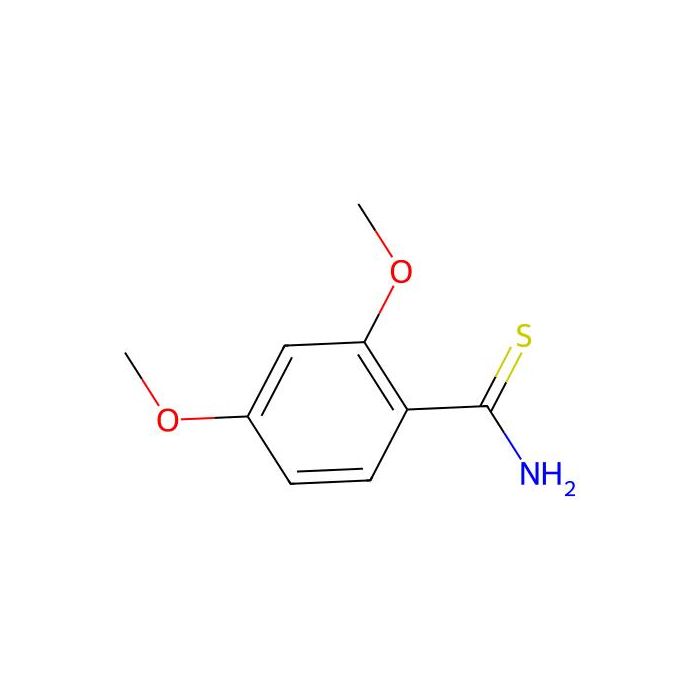
This compound belongs to the class of organic compounds known as dimethoxybenzenes. These are organic aromatic compounds containing a monocyclic benzene moiety carrying exactly two methoxy groups.
External Descriptors
Not available
1. Djoumbou Feunang Y, Eisner R, Knox C, Chepelev L, Hastings J, Owen G, Fahy E, Steinbeck C, Subramanian S, Bolton E, Greiner R, and Wishart DS. ClassyFire: Automated Chemical Classification With A Comprehensive, Computable Taxonomy. Journal of Cheminformatics, 2016, 8:61.
Certificados (CoA, COO, BSE/TSE y tabla de análisis)
C of A & Other Certificates(BSE/TSE, COO):
Analytical Chart:
Propiedades químicas y físicas
Peso molecular
197.260 g/mol
XLogP3
1.300
Hydrogen Bond Donor Count
1
Hydrogen Bond Acceptor Count
3
Rotatable Bond Count
3
Exact Mass
197.051 Da
Monoisotopic Mass
197.051 Da
Topological Polar Surface Area
76.600 Ų
Heavy Atom Count
13
Formal Charge
0
Complexity
186.000
Isotope Atom Count
0
Defined Atom Stereocenter Count
0
Undefined Atom Stereocenter Count
0
Defined Bond Stereocenter Count
0
Undefined Bond Stereocenter Count
0
The total count of all stereochemical bonds
0
Covalently-Bonded Unit Count
1
Calculadoras de soluciones
Molarity Calculator
Determine the necessary mass, volume, or concentration for preparing a solution.
Dilution Calculator
Determine the dilution needed to prepare a stock solution.
Reconstitution Calculator
Reseñas
Reseñas de cliente
Application Protocols
Not applicable. No immunoassay or bioanalytical application protocols (e.g., WB, IHC, IF, FC) are provided for this small-molecule reagent. For synthetic use, refer to the Reaction Conditions and Synthetic Utility sections.
Biological Roles
Item-specific biological information: Not specified for this item; no biological activity or targets are provided in the Product Data.
General chemical biology context (literature/class-based):
Thioamides are isosteric replacements of amides and have been used in peptide backbone modification to probe hydrogen-bonding, proteolysis resistance, and photophysical properties. These insights are general to the thioamide motif and not specific to this compound.
Electron-rich anisole rings can influence membrane affinity and metabolic O-dealkylation pathways (e.g., P450-mediated O-demethylation) in aromatic methoxy-containing molecules; applicability to this specific compound has not been established.
Note: This product is supplied strictly for research use. No claims are made regarding biological activity, safety, or efficacy in vivo or in humans/animals.
Buffer Applications
This compound is not a buffering agent and is not typically used to prepare biochemical buffers. It lacks a conjugate acid/base pair within the physiological pH range suitable for maintaining constant pH in aqueous media.
Practical note: If aqueous work is required (e.g., bioassays), prepare concentrated DMSO stocks and dilute into pre-made biological buffers (e.g., PBS, HEPES). Ensure the final organic cosolvent content is compatible with the biological system.
Green Alternatives
When processing or transforming 2,4-dimethoxythiobenzamide, solvent choice dominates the environmental footprint.
Greener solvent substitutions (general guidance):
Replace DMF/NMP with MeCN, 2-MeTHF, Cyrene, or propylene carbonate where compatible.
Prefer EtOAc or 2-MeTHF over DCM/chloroform for extractions and chromatography (with attention to selectivity).
Use ethanol or isopropanol instead of methanol when feasible for reduced toxicity.
Small comparison (general):
DMF vs MeCN: MeCN is less problematic in EHS profiles and easier to remove; DMF offers greater solvating power for polar substrates.
DCM vs EtOAc: EtOAc is biodegradable and has lower toxicity; DCM provides higher density for phase separations but carries higher environmental and health concerns.
NMP vs Cyrene: Cyrene (dihydrolevoglucosenone) is bio-based and safer; verify compatibility with bases/nucleophiles.
Process considerations:
Telescoping steps that avoid isolation of intermediates can reduce solvent use.
Choose catalytic over stoichiometric reagents where possible (e.g., catalytic hydrogenation for desulfurization rather than heavy-metal oxidants).
Implement solvent recovery (rotary evaporation/solvent recycling) to reduce waste.
Pharmaceutical Uses
Item-specific pharmacopeial/excipient status: Not specified for this item; there is no compendial listing provided in the Product Data.
General context (non-clinical, research/manufacturing only):
Aromatic thioamides like 2,4-dimethoxythiobenzamide may serve as synthetic intermediates or reference standards during medicinal chemistry campaigns.
Potential roles include building block for heterocycles (e.g., thiazoles) and as a protected/activated variant of benzamide analogs for route scouting.
No therapeutic claims are made. This product is for research use only and is not an excipient or API as supplied without further qualification.
Physical Properties
Item-specific specifications: Not specified for this item; refer to CoA/Spec Sheet.
General/literature information (for context; not item specifications):
Physical state: typically a crystalline aromatic thioamide solid.
Approximate molecular formula and mass (from structural deduction): C9H11NO2S, ~197.26 g/mol (literature calculation).
Solubility (qualitative, literature/general):
Sparingly soluble in water due to aromatic core and limited ionizable groups.
Readily soluble in polar organic solvents such as DMSO and DMF; moderately soluble in alcohols (MeOH, EtOH) and chlorinated/ethyl acetate solvents depending on temperature.
Acid–base behavior: thioamide N–H is weakly acidic (pKa typically ~10–12 for aryl thioamides; literature, compound-class value). Protonation at sulfur or nitrogen possible under strong acid.
Lipophilicity: aryl thioamides with methoxy groups generally exhibit moderate lipophilicity; exact logP for this compound not located (literature value not found).
Notes: Do not use these general values as acceptance criteria. For batch-specific BP/MP, density, refractive index, water/peroxide/metal limits, and UV cutoff, consult the CoA/Spec Sheet.
Quality and Grades
Item-specific grade/purity: Not specified for this item; refer to CoA/Spec Sheet for assay, impurity profile, and any stabilizers.
How to interpret common grades (general guidance):
Research/technical grade: suitable for most synthetic and discovery workflows; may not meet low UV/trace-metal criteria for analytical methods.
Analytical/HPLC grade (if offered): emphasizes low non-volatile residue and low UV background (critical for chromatographic detection).
Pharma/compendial grades (USP/EP), if applicable: defined by monographs; not typically available for niche thioamide building blocks.
Practical quality considerations for 2,4-dimethoxythiobenzamide (general):
Purity assessment: 1H/13C NMR (look for thioamide NH, aromatic, and methoxy resonances), LC–MS confirmation of [M+H]+ ~198 (literature mass), and HPLC purity.
Common impurities: residual solvents, O- or N-acylated byproducts, unthionated amide, and minor sulfur-oxidized species (sulfenyl/sulfinyl traces). If ultra-low peroxide or metal content is critical, request specific limits on the CoA.
Stabilizers: None are typically required for solid thioamides; if any stabilizer is present, it will be listed on the CoA/Spec Sheet (not specified for this item).
Reaction and Applications
The thioamide functionality and anisole ring make 2,4-dimethoxythiobenzamide a versatile building block and directing group in synthesis.
Transformations of the thioamide (literature/general):
S-Alkylation/arylation: Thioamide sulfur is nucleophilic; reacts with alkyl halides or sulfonates under basic conditions (e.g., K2CO3, DMF) to form thioimidate salts, which serve as precursors to amidines or imidates after subsequent steps.
Desulfurization to amides: Raney Ni (EtOH, reflux) or Hg2+/Ag+ salts can convert thioamides back to the corresponding amides; catalytic hydrogenation with Raney Ni is common.
Cyclization to thiazoles (Hantzsch thiazole synthesis): Condensation with α-haloketones or α-haloesters in the presence of base affords substituted thiazoles.
Oxidative transformations: Electrophilic oxidants (e.g., mCPBA) can access thiocarbonyl S-oxides or promote conversion toward amides under specific conditions; peroxides should be used judiciously.
Aromatic chemistry enabled by 2,4-dimethoxy pattern:
Electron-rich ring supports electrophilic aromatic substitution (EAS) at the 5-position; methoxy groups direct ortho/para.
As a directing group: thioamides can direct metal-catalyzed C–H functionalization via transient coordination (e.g., Pd, Rh).
Practical tips:
Maintain anhydrous conditions for base-promoted S-alkylations and cyclizations (dry DMF/DMSO, molecular sieves).
For EAS on the ring, protect the thioamide or control acidity to prevent hydrolysis.
Monitor by TLC with UV and ninhydrin/iodine stains; thioamides often show weak UV at 254 nm but respond to iodine.
Reaction Conditions
General literature conditions for representative transformations of aryl thioamides (optimize for your substrate):
S-Alkylation to thioimidates:
Typical: thioamide (1.0 equiv), alkyl bromide/iodide (1.1–1.5 equiv), K2CO3 or Cs2CO3 (2.0 equiv) in dry DMF (0.1–0.5 M), 25–60 °C, 2–12 h. Monitor by TLC/LC–MS. Workup by aqueous quench and extraction.
Hantzsch thiazole synthesis:
Thioamide (1.0 equiv) + α-haloketone (1.1–1.5 equiv) with base (NaOAc, K2CO3) in EtOH, MeOH, or acetonitrile, 50–80 °C, 4–24 h. Typical isolated yields: 50–85% (literature ranges, substrate-dependent).
Desulfurization to amide:
Raney Ni (excess slurry) in EtOH or i-PrOH, reflux 2–8 h under inert atmosphere. Filter hot through Celite to remove catalyst. Alternatively, use nickel boride or catalytic hydrogenation conditions.
Demethylation of methoxy groups (ring modification):
BBr3 (1–3 equiv per OMe) in dry DCM at −78 to 0 °C, then warm to RT, 1–16 h. Quench cautiously with MeOH/water. Protect thioamide if necessary to prevent side reactions.
C–H functionalization (directing by thioamide, literature examples):
Pd- or Rh-catalyzed arylation/alkenylation under oxidative conditions (e.g., Pd(OAc)2, oxidant such as Ag2CO3) in polar solvents at 80–120 °C; outcomes depend on ligand/base set and may require substrate-specific development.
All conditions above are general literature guidance and should be verified/optimized for this specific substrate. Always perform small-scale trials first.
Safety and Handling
Item-specific hazard details: Not specified for this item; refer to the product SDS for authoritative GHS classification, pictograms, signal word, and H-statements.
General safety considerations for aryl thioamides (literature/class-based guidance):
Hazards: May cause skin and eye irritation; harmful if swallowed or inhaled. Thioamides can have sensitizing potential in some cases. Avoid dust formation and inhalation of particulates.
PPE: Use lab coat, safety glasses/goggles, and suitable chemical-resistant gloves (e.g., nitrile). Handle in a fume hood to avoid inhalation exposure.
Storage (aligning with Product Data): Store at room temperature, tightly closed, in a dry, well-ventilated area away from strong oxidizers and strong acids/bases.
Incompatibilities: Strong oxidizing agents (risk of exothermic oxidation of sulfur), strong chlorinating agents; avoid prolonged exposure to bases/acids that may lead to hydrolysis or decomposition.
First aid (overview; defer to SDS):
Inhalation: Move to fresh air; seek medical attention if symptoms persist.
Skin contact: Wash with soap and water; remove contaminated clothing.
Eye contact: Rinse cautiously with water for several minutes; remove contact lenses if present and easy to do; seek medical attention if irritation persists.
Ingestion: Rinse mouth; do not induce vomiting; seek medical advice.
Spill/leak: Avoid dust; sweep up with minimal dust generation; collect for disposal per institutional and local regulations.
Always consult the SDS for this exact SKU prior to use.
Solvent Selection
This compound is a neutral, moderately polar aromatic thioamide. It dissolves best in polar organic solvents.
Good to moderate: methanol, ethanol, isopropanol, ethyl acetate, acetone, acetonitrile.
Variable: dichloromethane, chloroform, toluene (often improved with gentle warming or small DMSO co-solvent).
Poor: water (expect very low aqueous solubility at neutral pH).
Selection tips:
For stock solutions and bioassays: prepare concentrated stocks in DMSO (e.g., 10–100 mM) and dilute into assay media with care to avoid precipitation; include a final DMSO control.
For reaction media: DMF or DMSO are preferred for S-alkylation and cyclizations; alcohols or ethyl acetate are convenient for workup and crystallization.
For chromatography: use EtOAc/hexane or DCM/MeOH gradients; the thioamide NH tailing can be reduced by adding 0.1–1% Et3N to silica eluents.
Brief comparison (general):
DMSO vs DMF: DMSO offers higher solubility and is less volatile; DMF is easier to remove and often provides cleaner baselines in analytical HPLC.
EtOAc vs DCM: EtOAc is greener and biodegradable; DCM may afford faster dissolving but with higher environmental burden.
Storage and Reconstitution
Item-specific storage (from Product Data): Store at room temperature.
Shipped in: Not specified for this item; refer to CoA/Spec Sheet.
Appearance: Not specified for this item; refer to CoA/Spec Sheet.
General guidance:
Keep container tightly closed in a dry place, protected from moisture and strong oxidants.
If long-term storage is anticipated, consider desiccation (e.g., with silica gel) and protection from light to minimize potential oxidative changes at sulfur.
Reconstitution/preparation of stock solutions:
For biochemical assays: dissolve in anhydrous DMSO to 10–100 mM; vortex and, if needed, warm gently (≤40 °C). Filter through 0.22 µm for sterile applications.
For synthetic use: prepare solutions in dry DMF/DMSO/EtOH as required by the procedure; degas if performing air-sensitive reactions.
Freeze–thaw: For solid material, not applicable. For DMSO stocks, aliquot to avoid repeated freeze–thaw. Store liquid stocks at −20 °C if needed; allow to reach room temperature before opening to limit moisture ingress.
Always consult the CoA/SDS for batch-specific stability and handling notes.
Structure and Identity
Brief overview: 2,4-Dimethoxythiobenzamide is an aromatic thioamide bearing two methoxy substituents at the 2- and 4-positions on the phenyl ring. The thioamide (–C(=S)–NH–) is conjugated with the anisole-type ring, providing a polarized, nucleophilic sulfur and an acidic amide N–H.
Item-specific facts (Product Data):
SKU: D1072391
Product name: 2,4-Dimethoxythiobenzamide
CAS: 23822-07-3
PubChem CID: 3857241
InChIKey: 192847 (as provided; note: not in standard 27-character format)
SMILES: Not specified for this item; refer to CoA/Spec Sheet.
Storage conditions: Room temperature
Research use note: For research use only
Literature/computed identity (general reference information; not item-specific specifications):
Typical 2D description: a benzene ring with –OCH3 at positions 2 and 4, and a –C(=S)NH2 thioamide group para-to one methoxy and ortho-to the other.
Empirical formula (literature, derived from structure): approx. C9H11NO2S
Molecular weight (literature, calculated from above formula): ~197.26 g/mol
Example (literature) line notation: a commonly cited SMILES for this substitution pattern is COc1ccc(OC)c(C(=S)N)c1 (provided for reference; confirm against CoA/SDS before use).
Synthetic Utility
Key features enabling synthesis:
Thioamide handle:
S-alkylation to thioimidates, then conversion to amidines/imidates allows access to diverse nitrogen-containing scaffolds.
Desulfurization (Raney Ni) unmasking the corresponding amide enables protected amide chemistry with orthogonal control.
Acts as a bidentate ligand (S,N) in metal-mediated C–H activation or cross-coupling of adjacent C–H bonds (literature precedents).
2,4-Dimethoxy anisole ring:
Activates EAS at C-5; facilitates formylation, acylation, sulfonylation at this position under mild conditions.
Orthogonal demethylation: selective BBr3 or AlCl3-mediated cleavage can yield mono- or di-phenols, opening handles for etherification/esterification.
Oxidative or photochemical transformations benefit from the electron-rich ring (e.g., dearomatizing oxidations under specific conditions).
Retrosynthetic value:
The thioamide can be traced back to the corresponding amide via thionation (e.g., Lawesson’s reagent or P4S10), providing bidirectional interconversion options in route design.
The substrate can be diversified at sulfur before or after ring functionalization, offering modular entry to heterocycles (thiazoles) and amidines.
Purification and analytics:
Basic modifiers (0.1–1% Et3N) in silica chromatography minimize peak tailing from the NH.
LC–MS tracking via [M+H]+ ~198 (literature calculation) and characteristic thioamide NH in 1H NMR (often δ 9–11 ppm, solvent-dependent).
Target Specificity
Not applicable. This product is a small-molecule building block, not a biological targeting reagent or antibody. No antigen/epitope, species reactivity, clone, or isotype information applies.
We use cookies to ensure the website functions properly and, where permitted, to improve your experience. You can manage your preferences at any time in Settings. Learn more in our Cookie Policy.
Shall we send you a message when we have discounts available?
Remind me later
Thank you! Please check your email inbox to confirm.
Products are supplied to verified businesses, institutions, and qualified professionals for research and development use only. Not for use in humans, animals, diagnosis, or therapy.