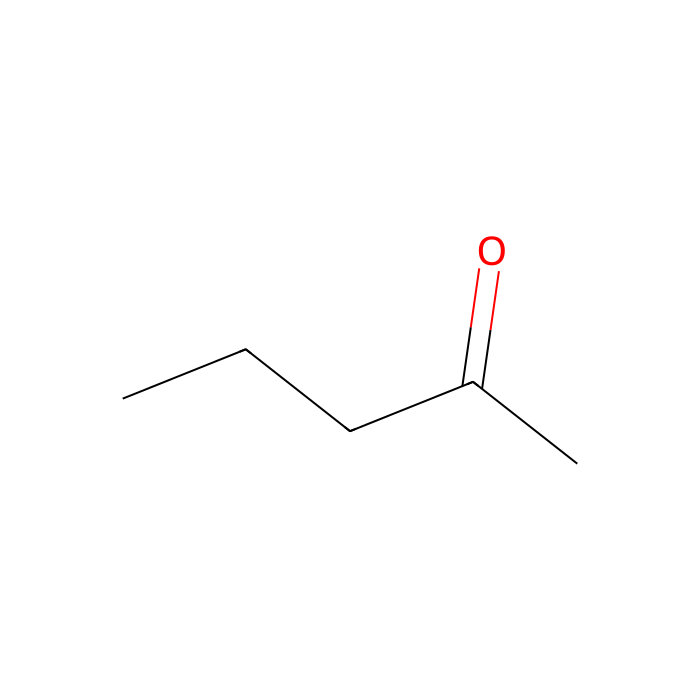
2-Pentanone - 1000μg/ml,in Purge and Trap Methanol , CAS No.107-87-9

CAS: 107-87-9 Cat. No.: P141143 Fórmula: C5H10O Peso molecular: 86.13 Número EC: 203-528-1
Disponible para pedir
CALIDAD & PUREZA 1000μg/ml,in Purge and Trap Methanol
Storage
Store at -20°C
Shipped In
Ice chest + Ice pads,FedEx DG Service
★
Talla
USA
Alemania (EU)*
Precio
Cantidad
1ml
P141143-1ml
1 Disponible
—

94,90US$

123,90US$
Guardar 29,00 US$ (23.41%)
Enter a quantity for the sizes you want to add.

Especificaciones

Especificaciones y pureza
1000μg/ml,in Purge and Trap Methanol
Condiciones de almacenamiento de almacenamiento
Store at -20°C
Enviado en
Ice chest + Ice pads,FedEx DG Service
Este producto requiere envío en cadena de frío. Los servicios terrestres y otros servicios económicos no están disponibles.
Nombres e identificadores
Isómeros SMILES
CCCC(=O)C
Número ONU
1249
Grupo de embalaje
II
Peso molecular
86.13
Reaxys
506058
Reaxys-RN_link_address
https://www.reaxys.com/reaxys/secured/hopinto.do?context=S&query=IDE.XRN=506058&ln=

Datos avanzados

Certificados (CoA, COO, BSE/TSE y tabla de análisis)
C of A & Other Certificates(BSE/TSE, COO):
Analytical Chart:

Find and download the COA for your product by matching the lot number on the packaging.

1 results found

Lot NumberCertificate TypeFechaArticulo
A2212146A2212146Certificate of AnalysisDec 27, 2021 P141143
Propiedades químicas y físicas
Índice de refracción1.39
Punto de inflamación (°F)46.4 °F
Punto de inflamación (°C)8°C
Punto de ebullición (°C)102°C
Punto de fusión (°C)-78°C
Seguridad y peligros (GHS)
Pictogramas
GHS02,   GHS06,   GHS08
Señal
Danger
Indicaciones de peligro

H225:Highly Flammable liquid and vapor

H370:Causes damage to organs

H301+H311+H331:Toxic if swallowed, in contact with skin or if inhaled

Precauciones

P210:Keep away from heat, hot surface, sparks, open flames and other ignition sources. - No smoking.

P233:Keep container tightly closed.

P240:Ground/bond container and receiving equipment.

P241:Use explosion-proof [electrical/ventilating/lighting/.../] equipment.

P242:Use only non-sparking tools.

P243:Take precautionary measures against static discharge.

P260:Do not breathe dust/fume/gas/mist/vapors/spray.

P264:Wash hands [and …] thoroughly after handling.

P270:Do not eat, drink or smoke when using this product.

P271:Use only outdoors or in a well-ventilated area.

P280:Wear protective gloves/protective clothing/eye protection/face protection.

P330:Rinse mouth.

P301+P310:IF SWALLOWED: Immediately call a POISON CENTER/doctor/...

P303+P361+P353:IF ON SKIN (or hair): Take off Immediately all contaminated clothing. Rinse SKIN with water [or shower].

P304+P340:IF INHALED: Remove person to fresh air and keep comfortable for breathing.

P308+P311:IF exposed or concerned: Call a POISON CENTER/doctor/...

P370+P378:In case of fire: Use ... to extinguish.

P405:Store locked up.

P403+P233:Store in a well-ventilated place. Keep container tightly closed.

P403+P235:Store in a well-ventilated place. Keep cool.

P501:Dispose of contents/container to an approved waste disposal plant.

Reaxys
506058
Reaxys-RN_link_address
https://www.reaxys.com/reaxys/secured/hopinto.do?context=S&query=IDE.XRN=506058&ln=
Clase
3
Índice Merck
6114
Citations of This Product
Calculadoras de soluciones
Reseñas

Reseñas de cliente

Application Protocols

Not applicable. No antibody/biological assay protocols are associated with this small‑molecule chemical.

  • For chemical use, see the Reaction Conditions and Synthetic Utility sections for general laboratory procedures and starting points.
Biological Roles

This section provides general biochemical context for 2-pentanone; it does not imply biological or clinical use of this product.

  • Occurrence and metabolism (literature/general)

    • A low‑molecular‑weight aliphatic ketone that can occur as a minor volatile in fermentation headspace and food aromas.
    • In mammals, aliphatic ketones are commonly metabolized via CYP‑mediated ω‑ and ω‑1‑oxidation, and/or reduced to the corresponding secondary alcohol (2‑pentanol), followed by conjugation (e.g., glucuronidation) and excretion.
  • Biophysical properties of relevance

    • Moderate hydrophobicity (logP ~0.7–0.9) and small size enable membrane permeability; acts as a hydrogen‑bond acceptor but not donor.
    • Volatile organic compound; readily partitions to air phases and may be detected by headspace analysis (HS‑GC) in environmental/biological matrices.
  • Laboratory implications

    • When used in bioanalytical workflows, ensure compatibility with assay components; ketones can denature proteins at sufficient concentrations and interfere with enzyme activity.
    • For metabolomics or breath/volatilome research, derivatization (e.g., DNPH for carbonyl capture) may be used to stabilize and quantify ketones.

Note: No medical, diagnostic, or therapeutic claims are made. This product is supplied strictly for research use only (per Product Data).

Buffer Applications

2-Pentanone is not a buffering reagent and is not typically used to prepare aqueous buffer systems.

  • Practical note
    • If present in aqueous workflows, it is as an organic cosolvent or extractant rather than as a pH buffer. Adjust pH using appropriate buffering agents (e.g., phosphate, Tris, HEPES) and validate compatibility with added organic content.
Green Alternatives

Selecting greener solvents involves balancing safety, performance, and environmental impact. 2-Pentanone offers moderate polarity and a mid‑range boiling point, but it is a VOC and a flammable ketone. Consider the options below for specific applications.

  • Comparative overview (literature/general)

| Solvent | Boiling point (°C) | Water miscibility | Notes on greenness/performance | |---|---:|---|---| | 2-Pentanone | ~101–102 | Partial (~30–45 g/L) | Good solvency; VOC; flammable | | MEK (2-Butanone) | 80 | Miscible | Higher volatility/VOC; more rapid drying | | Acetone | 56 | Miscible | Low toxicity profile; very fast evaporation; higher VOC emissions | | 2-MeTHF | 80–82 | Immiscible | Bio‑based; good for organometallics; forms peroxides; hydrophobic | | CPME | 106 | Immiscible | Low peroxide tendency vs ethers; hydrophobic; broad utility | | Ethyl acetate | 77 | ~8.3% at 20 °C | Biodegradable; fruity odor; hydrolyzable in base |

  • Trade‑offs

    • 2-Pentanone vs MEK/acetone: Lower volatility reduces emissions during processing but prolongs drying; partial water miscibility eases some workups.
    • 2-MeTHF/CPME: Often greener for organometallic reactions and extractions; reduced water miscibility improves phase separation but changes solubility and polarity landscape.
    • Ethyl acetate: Favorable environmental profile; may not match ketone solvency for certain resins or polar substrates.
  • Practical guidance

    • Screen a small solvent matrix (e.g., 2-pentanone, ethyl acetate, 2-MeTHF, CPME) for solvency, rate, and selectivity.
    • Consider recovery/recycling feasibility; 2-pentanone’s bp near 100 °C supports efficient distillation on standard equipment.
    • Check regulatory VOC limits for your sector; substitution may aid compliance.
Pharmaceutical Uses

No therapeutic or clinical claims are made for this material. Item‑specific pharmacopeial status is not provided.

  • Item-specific status

    • Compendial listing/grade: Not specified for this item; refer to CoA/Spec Sheet.
  • General formulation/manufacturing context (literature/general)

    • 2-Pentanone may be employed as a process solvent in API/intermediate synthesis or as a temporary processing aid where a medium‑polarity, mid‑boiling solvent is advantageous.
    • Residual solvent compliance must be assessed per ICH Q3C/USP <467> or local regulations; verify whether 2‑pentanone is addressed in your governing compendia and establish appropriate limits via risk assessment and validated analytical methods (e.g., HS‑GC).
    • For excipient use, ensure suitability through toxicological, extractables/leachables, and stability studies; consider alternative compendial solvents if regulatory familiarity is required.
  • Manufacturing considerations

    • Recyclability by distillation near 100 °C can improve solvent recovery metrics.
    • Check materials compatibility (ketones can attack certain plastics); use stainless steel or compatible elastomers for contact surfaces.
Physical Properties

Item-specific specifications are not provided in Product Data. Values below are literature/general references for 2-pentanone to aid method development; they are not product specifications.

  • Phase/appearance (literature): Colorless, mobile liquid with ketonic odor
  • Boiling point (literature): ~101–102 °C at 1 atm
  • Melting point (literature): ~−78 °C
  • Density (literature): ~0.81 g/mL at 20–25 °C
  • Refractive index n20 D (literature): ~1.395–1.398
  • Vapor pressure (literature): ~35–40 mmHg at 25 °C (moderate volatility)
  • Water solubility (literature): Partially miscible; ~30–45 g/L at 20–25 °C
  • LogP (octanol/water, literature): ~0.7–0.9 (moderate hydrophobicity)
  • Dielectric constant (literature): ~15–16 at 20–25 °C (dipolar aprotic range)
  • Hansen/Hildebrand considerations (literature): Polar dispersive with appreciable hydrogen‑bond acceptor parameter; good solvent for many resins and organics

Notes

  • Experimental values vary with temperature and measurement method; consult primary literature/SDS for exact conditions relevant to your work.
  • Product-specific parameters (e.g., UV cutoff, water or peroxide content, metal limits) are Not specified for this item; refer to CoA/Spec Sheet.
Quality and Grades
  • Item-specific grade/purity: Not specified for this item; refer to CoA/Spec Sheet.

  • How to interpret common grades for solvents (general guidance)

    • Analytical Reagent (AR)/ACS: Meets ACS specifications for impurities; suitable for general analytical work.
    • HPLC/UV‑cutoff grade: Low UV background and low particulate; intended for chromatography; specified UV absorbance at key wavelengths and tighter impurity/water limits.
    • Anhydrous grade: Supplied with low water content and often with molecular sieves or under inert gas; intended for moisture‑sensitive reactions.
    • Electronic/semiconductor grade: Ultra‑low metal and ionic contaminants; used for microelectronics manufacturing.
  • Stabilizers and additives

    • 2-Pentanone is typically supplied neat without stabilizers; however, if a stabilizer is used it will be declared on the label/CoA. For this item: Not specified for this item; refer to CoA/Spec Sheet.
  • What to check on receipt

    • Review CoA for assay, water content (Karl Fischer), residue on evaporation, UV absorbance, and identified trace impurities if applicable.
    • Verify lot-specific storage and any inerting or drying instructions.
  • Suitability notes (general)

    • For moisture‑sensitive synthesis or chromatography, select a grade aligned to your application (e.g., anhydrous or HPLC). When grade is unspecified, validate solvent performance within your method (blank runs, background UV, and water content checks as needed).
Reaction and Applications

As an aliphatic ketone, 2-pentanone functions both as a medium‑polarity solvent and as a versatile carbonyl substrate.

  • As a solvent (general)

    • Suitable for base‑catalyzed condensations, SN2 reactions, and transition‑metal catalysis where a dipolar aprotic environment is beneficial.
    • Used in coatings, adhesives, and inks R&D to adjust open time and film formation (bp ~101–102 °C enables higher processing temperatures than acetone/MEK).
  • As a substrate (literature chemistry)

    • Reduction to alcohols: NaBH4 or catalytic hydrogenation → 2‑pentanol (secondary alcohol). Typical conditions: NaBH4 (MeOH/EtOH, 0–25 °C); H2/Pd‑C (1–5 bar, rt–50 °C).
    • Grignard/organolithium addition: RMgX/RLi addition → tertiary alcohols; conduct in anhydrous ether/THF at 0 °C to reflux.
    • Imine/oxime/hydrazone formation: With amines, hydroxylamine, or hydrazines (acid catalysis) for derivatization or protective manipulation.
    • Enolate/enamine chemistry: LDA or NaH generates the kinetic/thermodynamic enolates at C3; alkylation, acylation, or aldol with suitable electrophiles.
    • Alpha‑halogenation: Br2/Cl2 under acid catalysis at the α‑methylene.
    • Baeyer–Villiger oxidation: Peracids (e.g., mCPBA) insert oxygen to give preferential migration of the n‑propyl group, affording methyl n‑propyl carbonate/ester derivatives depending on conditions (mixtures possible; migrate order follows substituent migratory aptitude).
  • Derivatization/analysis

    • DNPH (2,4‑dinitrophenylhydrazine) derivatization for GC/HPLC quantitation of ketone content in formulations.
  • Practical notes

    • Control water to manage enolate/condensation chemistry; employ dry glassware and inert gas for air/moisture‑sensitive steps.
    • For nucleophilic additions, avoid protic solvents and quench carefully to minimize byproducts.
Reaction Conditions

Generalized, literature-based conditions for common transformations involving 2-pentanone. Optimize for your system and scale; these are not product specifications.

  • Reduction to 2‑pentanol

    • NaBH4 (0.5–1.5 equiv) in MeOH/EtOH or THF/H2O (95:5), 0–25 °C, 0.5–2 h; typical isolated yields 85–95%.
    • H2 (1–5 bar), Pd/C (5–10 wt% of substrate), EtOH or i‑PrOH, rt–50 °C, 1–6 h; yields 90%+ commonly reported.
  • Grignard addition (tertiary alcohol formation)

    • RMgX (1.2–2.0 equiv) in anhydrous Et2O or THF, 0 °C to reflux, 1–4 h; acid workup (NH4Cl or H2SO4, aq.). Moisture‑free technique essential.
  • Enolate generation and alkylation

    • LDA (1.1–1.5 equiv) in THF/hexanes at −78 °C (kinetic), then add electrophile (primary alkyl halides, R–X); warm to 0–25 °C. Alternatively, NaH (60% in oil) in THF/DMSO at 0–25 °C.
  • Aldol condensation

    • Aqueous NaOH (10–20 mol%) or organocatalyst; solvent: 2‑propanol, ethanol, or 2‑pentanone itself with co‑solvent; 0–25 °C for addition, then 50–80 °C for dehydration to enone. Monitor by TLC/GC.
  • Oxime/hydrazone formation

    • Hydroxylamine·HCl (1.1–1.5 equiv), NaOAc or pyridine buffer; EtOH/H2O or MeOH, 25–60 °C, 1–6 h; typically high conversions.
  • Baeyer–Villiger oxidation

    • mCPBA (1.2–1.5 equiv), DCM or chlorobenzene, 0–25 °C, 2–12 h; migratory preference for n‑propyl over methyl often observed; product mixture and conditions should be verified by literature precedent for the desired ester.

Notes

  • Provide inert atmosphere for organometallic steps.
  • Drying: 3Å/4Å sieves overnight can reduce water to low ppm for moisture‑sensitive reactions (verify by KF).
  • Yields are typical literature ranges and will vary with substrate purity, stoichiometry, and workup.
Safety and Handling

Safety information specific to this item’s lot is provided in the SDS. The following is general guidance for 2-pentanone (literature/SDS consensus) and is not a product-specific certification.

  • Typical GHS classification for 2-pentanone (literature)

    • Flammable liquid, Category 2 or 3 (GHS02)
    • Eye irritation, Category 2A; STOT SE Category 3 (narcotic effects) (GHS07)
    • Signal word: Danger or Warning (varies by jurisdiction/vendor)
    • Always defer to the current SDS for definitive classification, H/P statements, and pictograms.
  • Key hazards and controls (general)

    • Highly flammable liquid and vapor: eliminate ignition sources; use explosion‑proof equipment and bonding/grounding during transfer.
    • Vapor/air mixtures may form explosive atmospheres; ensure adequate ventilation and local exhaust.
    • Irritating to eyes and mucosa; may cause CNS depression at high concentrations.
  • PPE and handling

    • Wear safety glasses or chemical splash goggles, lab coat, and appropriate chemically resistant gloves (e.g., nitrile; verify breakthrough times with your supplier).
    • Use in a fume hood. Avoid breathing vapors; minimize skin contact and inhalation.
  • Storage and incompatibilities

    • Product Data: Store at -20 °C. Keep container tightly closed to limit evaporation and headspace accumulation.
    • Segregate from strong oxidizers, strong bases, strong acids, and ignition sources. Ground/ bond containers during dispensing.
  • First aid (overview; see SDS)

    • Inhalation: Move to fresh air; monitor respiration; seek medical advice if symptoms persist.
    • Skin/eye contact: Rinse with water for at least 15 minutes; remove contaminated clothing; seek medical attention if irritation continues.
    • Ingestion: Rinse mouth; do not induce vomiting; seek medical attention.
  • Spill/Fire response (general)

    • Small spills: Absorb with inert material (vermiculite), ventilate, and dispose per regulations.
    • Fire: Use alcohol‑resistant foam, dry chemical, or CO2; cool containers with water spray.
Solvent Selection

2-Pentanone is a medium‑polarity, dipolar aprotic solvent offering a useful balance of solvency and volatility between acetone/MEK and higher ketones.

  • Polarity and compatibility (literature)

    • Dipolar aprotic; dielectric constant ~15–16 at 20–25 °C
    • Strong hydrogen‑bond acceptor; no H‑bond donation
    • Miscibility: Miscible with most organic solvents (alcohols, ethers, aromatics, esters, chlorinated solvents); partially miscible with water (~30–45 g/L at 20–25 °C)
  • When to choose 2-pentanone

    • Need higher boiling point and slower evaporation than acetone/MEK (bp ~101–102 °C), improving film formation or reaction temperature latitude.
    • Desire a ketone with reduced water miscibility to aid phase separation in workups relative to acetone or MEK.
    • Solubilizing medium for resins, coatings, and polar organics while maintaining manageable VOC evaporation rates.
  • Alternatives comparison (literature values; typical)

    • Acetone (bp 56 °C): very fast evaporating, fully water‑miscible; higher polarity — better for very polar solutes but less control in coatings.
    • MEK/2-butanone (bp 80 °C): faster evaporation than 2-pentanone; higher water miscibility; widely used in coatings.
    • 2-Heptanone (bp 151 °C): slower evaporation; lower water miscibility; suitable when longer open time is required.
    • 2-MeTHF/CPME: greener ethers with similar or lower polarity; water immiscible and useful for organometallics (see Green Alternatives).
  • Practical tips

    • Drying: Molecular sieves (3Å or 4Å) are effective; azeotropic drying less convenient due to partial water miscibility.
    • Degassing: Sparging with inert gas or vacuum/N2 cycles for air‑sensitive applications.
    • Compatibility: Check elastomers (e.g., nitrile, Viton) for swelling; ketones can stress-crack certain plastics (e.g., PMMA).
Storage and Reconstitution
  • Storage (Product Data)

    • Store at -20 °C in a tightly sealed container. Keep away from heat, sparks, open flame, and direct sunlight. Minimize headspace to limit volatilization.
    • Shipped in an ice chest with ice pads via FedEx DG Service.
  • Handling on receipt

    • Allow container to equilibrate to room temperature before opening to prevent condensation ingress.
    • Given the low melting point (literature ~−78 °C), the material remains liquid at standard freezer temperatures; no thawing protocol is required.
  • Reconstitution

    • Not applicable. Supplied as a neat liquid; use directly or dilute with a compatible solvent (e.g., hexanes, toluene, THF, alcohols) as dictated by your application.
  • Stability considerations (general)

    • Store under dry conditions; moisture mainly affects processes relying on enolate formation rather than the integrity of 2‑pentanone itself.
    • Limit repeated heating/cooling and prolonged air exposure to reduce peroxide or contaminant buildup (ketones are less prone than ethers, but good practice applies). Periodic QC (GC, KF) is advisable for sensitive work.
  • Item-specific specifications (e.g., shelf life, assay, water content): Not specified for this item; refer to CoA/Spec Sheet.

Structure and Identity

Concise identity for a small aliphatic ketone widely used as a medium‑polarity solvent and as a C3–C2 carbonyl building block.

  • Product Data specifics

    • SKU: P141143
    • Product name: 2-Pentanone (research use only)
    • CAS: 107-87-9
    • Storage condition (as supplied): Store at -20°C
    • Shipped in: Ice chest + ice pads; FedEx DG Service
    • Molecular formula (Product Data): Not specified for this item; refer to CoA/Spec Sheet.
    • Molecular weight (Product Data): Not specified for this item; refer to CoA/Spec Sheet.
  • Structure (literature)

    • Common names: 2-Pentanone; methyl propyl ketone (MPK); pentan-2-one
    • Molecular formula (literature): C5H10O
    • Exact mass/Monoisotopic (literature): 86.0732
    • Average MW (literature): 86.13 g/mol
    • SMILES (literature): CCC(=O)C
    • InChIKey (literature): FBOZXEUFVIAUJX-UHFFFAOYSA-N
    • PubChem CID: 7895
  • Structural features (descriptive, literature)

    • Functional group: non-conjugated ketone (acyclic aliphatic)
    • Skeleton: one carbonyl (C=O) flanked by a methyl (C1) and an n-propyl (C3–C5) chain
    • No stereocenters; achiral; conformational flexibility about C–C single bonds
    • 2D description: CH3–C(=O)–CH2–CH2–CH3 (carbonyl at C2 of a five‑carbon chain)
  • Implications of structure (general knowledge)

    • Dipolar aprotic behavior; capable of enol/enolate formation at the α‑methylene (C3)
    • Accepts hydrogen bonds (via carbonyl O); does not donate
Synthetic Utility

2-Pentanone serves as both a solvent and a reactive carbonyl synthon in organic synthesis.

  • Functional group leverage (general/literature)

    • Carbonyl (ketone): engages in nucleophilic addition (imines, hydrazones, oximes), reductions to alcohols, and oxidative rearrangements (Baeyer–Villiger).
    • α‑C–H acidity: enables enolate/enamine formation for alkylation, acylation, and aldol condensations.
  • Representative transformations (literature)

    • Enolate chemistry: LDA (THF, −78 to 0 °C) → kinetic enolate; alkylation with primary halides; Claisen/Dieckmann variants with appropriate partners.
    • Nucleophilic addition: RMgX or RLi addition → tertiary alcohols (work up under acidic conditions to avoid retro‑addition).
    • Reductions: NaBH4 (alcohol solvents) or catalytic hydrogenation (H2/Pd‑C) → 2‑pentanol with high chemoselectivity.
    • Condensations: Aldol with aldehydes/ketones (NaOH, K2CO3, or amine catalysis) forming β‑hydroxyketones → dehydrations to enones.
    • Derivatization for analytics: DNPH hydrazone or O‑alkyloximes for GC stabilization.
  • Strategic considerations

    • Choice of base and temperature governs regioselectivity (kinetic vs thermodynamic enolates) at the methylene α to C=O.
    • Partial water miscibility allows aqueous workups while preserving an organic phase; however, drying (MgSO4, Na2SO4, or sieves) is recommended before concentration.
    • As a solvent, its bp (~101–102 °C) supports reactions requiring modest heating without significant pressure buildup.
Target Specificity

Not applicable. This product is a small‑molecule chemical (2‑pentanone) and does not target biological epitopes or antigens.

  • Item-specific note: No antibody/protein targeting information is associated with this SKU.

Preguntas frecuentes

How should this product be stored?
Store at ?20 °C. Freezer storage is required to maintain the specified shelf life.
How is this product shipped?
This product ships in an insulated container with ice pads. Unpack on arrival and transfer it to the storage condition stated above.
What are the CAS number, molecular formula and molecular weight?
The CAS Number is 107-87-9, the molecular formula is C5H10O, and the molecular weight is 86.13 g/mol.
What documentation is provided?
Available product documentation, including Certificates of Analysis (COA), Safety Data Sheets (SDS), and specification sheets, is shown in the product document area. Document availability and access follow the current site policy.

¿Quieres que te enviemos un mensaje cuando tengamos descuentos disponibles?

Recordármelo más tarde

¡Gracias! Por favor, revisa tu bandeja de entrada de correo electrónico para confirmar.

¡Vaya! Las notificaciones están desactivadas.