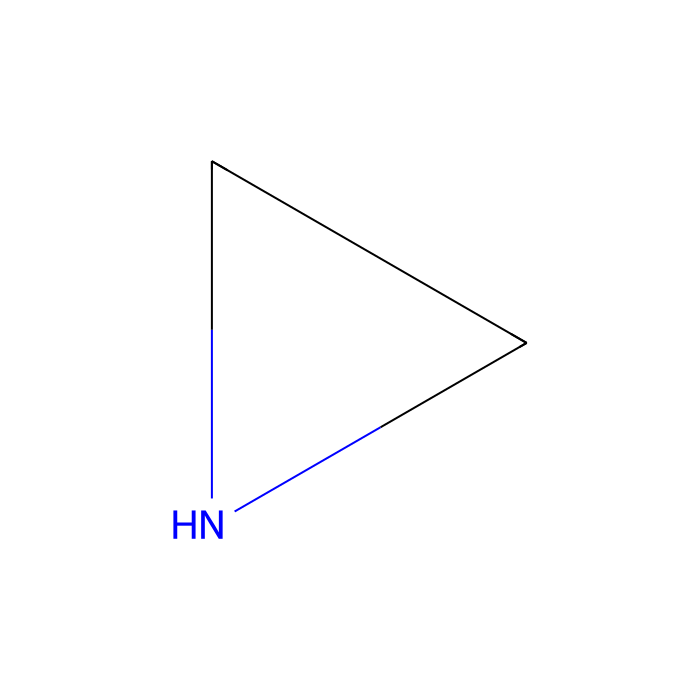
Polyethylene imine is a water-soluble polymer produced through the polymerization of ethylene imine. It is not a completely linear polymer, but a partially branched polymer containing primary, secondary, and tertiary amines. Polyethyleneimine, like other low molecular weight amines, has multiple chemical reactivity and can undergo various chemical modifications.
Feature:
The highest cation density among existing materials.
Very high activity.
Water solubility ability.
1. Highly adhesive and adsorptive amino groups can react with carboxyl groups to form hydrogen bonds. Amino groups can react with carboxyl groups to form ionic bonds. Amino groups can react with carbonyl groups to form covalent bonds. Polyethyleneimine can bind with different substances due to its polar (amino) and hydrophobic (vinyl) structures. By utilizing these comprehensive binding forces, they can be widely applied in fields such as adhesives, inks, coatings, and bonding agents.
2. Highly cationic polyethyleneimine exists as a polymeric cation in water, which can neutralize and adsorb all anionic substances, as well as chelate heavy metal ions. By utilizing its high cationic properties, it can be applied in the fields of papermaking water treatment, electroplating solutions, and dispersants.
3. Reactive polyethyleneimine, due to its highly reactive primary and secondary amines, can easily react with epoxides, acids, isocyanate compounds, and acidic gases. This characteristic can be used as an epoxy resin reactant, aldehyde adsorbent, and dye fixative.
Application:
Detergents, adhesives, water treatment, inks, dyes, cosmetics and paper industry, adhesion aids, laminated primers, fixing agents, coagulants, cationic dispersants, stability enhancers, surfactants, chelating agents, and aldehyde and oxide scavengers.
Protein precipitant.

 L2412256