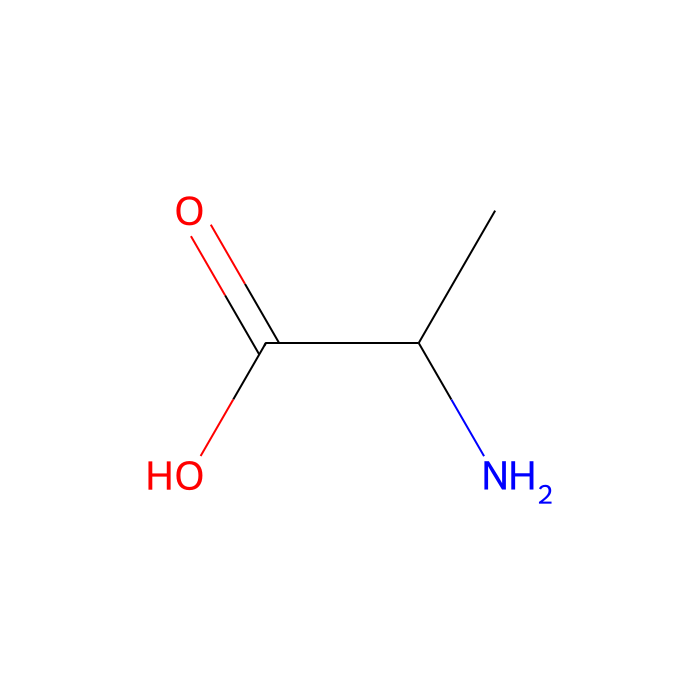
L-Alanine - Animal Free, USP, JP, Moligand™, Ph.Eur., for cell culture, ≥98.5% , sodium-coupled neutral amino acid transporter 1;sodium-coupled neutral amino acid transporter 2;sodium-coupled neutral amino acid transporter 4, CAS No.56-41-7, sodium-coupled neutral amino acid transporter 1;sodium-coupled neutral amino acid transporter 2;sodium-coupled neutral amino acid transporter 4

CAS: 56-41-7 Cat. No.: A118860 Formula: C3H7NO2 Molecular Weight: 89.09 Beilstein Registry Number: 1720248 EC Number: 200-273-8
AVAILABLE TO ORDER
GRADE & PURITY Animal Free ? Animal-free — produced without animal-derived components to reduce contamination risk. Use in biomanufacturing and culture avoiding animal-origin material. USP ? United States Pharmacopeia grade — meets USP monograph specs for pharmaceutical use. Use for drug manufacturing, QC, and applications requiring US compendial compliance. JP ? Japanese Pharmacopoeia grade — conforms to JP monograph standards. Use for pharmaceutical products subject to Japanese regulatory requirements. Moligand™ ? Moligand™ — Aladdin's line of ligands and bioactive small molecules. Use for receptor, pathway, and binding studies needing defined small-molecule tools. Ph.Eur. ? European Pharmacopoeia grade — conforms to Ph.Eur. monographs across EU member states. Use for pharmaceutical work needing European compendial compliance. for Cell culture ? Cell-culture grade — low endotoxin and contaminants to support viable cell growth. Use in mammalian/other cell culture media and supplements. ≥98.5%
Synonyms
14C-L-Alanine | EC 200-273-8 | HSDB 1801 | NSC-206315 | Alanine (VAN) | ALA-OH | L-Alanine, labeled with tritium | L-Isomer alanine | OF5P57N2ZX | Tocris-0205 | VALINE IMPURITY A (EP IMPURITY) | (S)-Alanine | L-2-Aminopropionate | L-alpha-Aminopropionic a
Storage
Room temperature,Desiccated
Shipped In
Normal
★
Size
Germany (EU)
USA*
Price
Qty
25g
A118860-25g
—
4 In stock
€23.34
100g
A118860-100g
3 In stock
5 In stock
€51.11
Enter a quantity for the sizes you want to add.
🧪
Why this grade

Animal Free, USP, JP, Moligand™, Ph.Eur., for cell culture, ≥98.5% Animal Free,for Cell culture,JP,Moligand™,Ph.Eur.,USP for sensitive chromatographic and analytical workflows requiring minimal baseline interference.

🌡

Storage & shipping

Room temperature,Desiccated Ships Normal Check lot-specific COA for exact specifications.

📋

Quality documents

SDS, COA, datasheet, and spec sheet available for download. Lot-specific COA accessible via lot number lookup.

📚

Literature proof

Cited in 465 peer-reviewed publications across chromatography, organic synthesis, and cross-coupling reactions.

Overview

L-Alanine is a nonessential amino acid that plays a key role in the glucose-alanine cycle between muscle tissue and the liver. In amino acid-degrading tissues such as muscle, amino groups are pooled as glutamate by transamination reactions. The amino group of glutamate is transferred to pyruvate via alanine aminotransferase, forming alanine and α-ketoglutarate. The alanine is passed into the blood and transported to the liver. This reaction is reversed in the liver where pyruvate can be used in gluconeogenesis to form glucose, which may return to other tissues through the circulatory system.
A nonessential amino acid that plays a key role in the glucose-alanine cycle

Specifications

Synonyms
14C-L-Alanine | EC 200-273-8 | HSDB 1801 | NSC-206315 | Alanine (VAN) | ALA-OH | L-Alanine, labeled with tritium | L-Isomer alanine | OF5P57N2ZX | Tocris-0205 | VALINE IMPURITY A (EP IMPURITY) | (S)-Alanine | L-2-Aminopropionate | L-alpha-Aminopropionic a
Specifications & Purity
Animal Free, USP, JP, Moligand™, Ph.Eur., for cell culture, ≥98.5%
Storage
Room temperature,Desiccated
Shipped In
Normal
Grade
Animal Free, for Cell culture, JP, Moligand™, Ph.Eur., USP
Mechanism of action
sodium-coupled neutral amino acid transporter 1;sodium-coupled neutral amino acid transporter 2;sodium-coupled neutral amino acid transporter 4
Purity
≥98.5%
Names and Identifiers
Pubchem Sid
Pubchem Sid Url
https://pubchem.ncbi.nlm.nih.gov/substance/488179969
Canonical Smiles
CC(C(=O)O)N
IUPAC Name
(2S)-2-aminopropanoic acid
InChIKey
QNAYBMKLOCPYGJ-REOHCLBHSA-N
INCHI
1S/C3H7NO2/c1-2(4)3(5)6/h2H,4H2,1H3,(H,5,6)/t2-/m0/s1
Isomeric SMILES
C[C@@H](C(=O)O)N
WGK Germany
1
RTECS
AY2990000
Alternate CAS
56-41-7,18875-37-1,25191-17-7,77160-91-9,25191-17-7
MeSH Entry Terms
Abuf\u00e8ne;Alanine;Alanine, L Isomer;Alanine, L-Isomer;L Alanine;L-Alanine;L-Isomer Alanine
Molecular Weight
89.09
Beilstein
1720248
Reaxy-Rn
635807
Reaxys-RN_link_address
https://www.reaxys.com/reaxys/secured/hopinto.do?context=S&query=IDE.XRN=635807&ln=

Documentation

📋 Safety Data Sheet (SDS)

Comprehensive hazard, handling, storage, and regulatory compliance document.

<<<<<<< HEAD Download SDS → ======= Download SDS → >>>>>>> release248-p3

✅ Certificate of Analysis (COA)

Lot-specific quality data. Enter your lot number to retrieve the exact COA.

Look up COA →

📊 Datasheet

Quick-reference summary of product specifications and applications.

View datasheet →

🔬 Specification Sheet

Full quality attributes and acceptance criteria for this grade.

View spec sheet →

Advanced Data

Taxonomic Classification

Taxonomy Tree

KingdomOrganic compounds
SuperclassOrganic acids and derivatives
ClassCarboxylic acids and derivatives
SubclassAmino acids, peptides, and analogues
Intermediate Tree Nodes Amino acids and derivatives - Alpha amino acids and derivatives
Direct ParentAlanine and derivatives
Alternative Parents L-alpha-amino acids  Amino acids  Monocarboxylic acids and derivatives  Carboxylic acids  Organopnictogen compounds  Organic oxides  Monoalkylamines  Hydrocarbon derivatives  Carbonyl compounds  
Molecular FrameworkAliphatic acyclic compounds
Substituents Alanine or derivatives - Alpha-amino acid - L-alpha-amino acid - Amino acid - Carboxylic acid - Monocarboxylic acid or derivatives - Hydrocarbon derivative - Organic oxygen compound - Primary amine - Organooxygen compound - Organonitrogen compound - Organic nitrogen compound - Primary aliphatic amine - Carbonyl group - Amine - Organopnictogen compound - Organic oxide - Aliphatic acyclic compound
DescriptionThis compound belongs to the class of organic compounds known as alanine and derivatives. These are compounds containing alanine or a derivative thereof resulting from reaction of alanine at the amino group or the carboxy group, or from the replacement of any hydrogen of glycine by a heteroatom.
External Descriptors Common amino acids
3D Structure
Interactive Chemical Structure Model


Associated Targets(Human)
SLC38A2 Tbio Sodium-coupled neutral amino acid transporter 2 (0 Activities)
Activity TypeActivity Value -log(M)Mechanism of ActionActivity ReferencePublications (PubMed IDs)
SLC38A1 Tbio Sodium-coupled neutral amino acid transporter 1 (0 Activities)
Activity TypeActivity Value -log(M)Mechanism of ActionActivity ReferencePublications (PubMed IDs)
SLC38A4 Tbio Sodium-coupled neutral amino acid transporter 4 (0 Activities)
Activity TypeActivity Value -log(M)Mechanism of ActionActivity ReferencePublications (PubMed IDs)
GPRC6A Tchem G-protein coupled receptor family C group 6 member A (1 Activities)
Activity TypeActivity Value -log(M)Mechanism of ActionActivity ReferencePublications (PubMed IDs)
F2 Tclin Thrombin (11687 Activities)
Activity TypeRelationActivity valueUnitsAction TypeJournalPubMed IddoiAssay Aladdin ID
CA2 Tclin Carbonic anhydrase II (17698 Activities)
Activity TypeRelationActivity valueUnitsAction TypeJournalPubMed IddoiAssay Aladdin ID
ESR1 Tclin Estrogen receptor alpha (17718 Activities)
Activity TypeRelationActivity valueUnitsAction TypeJournalPubMed IddoiAssay Aladdin ID
PGR Tclin Progesterone receptor (8562 Activities)
Activity TypeRelationActivity valueUnitsAction TypeJournalPubMed IddoiAssay Aladdin ID
CHRM2 Tclin Muscarinic acetylcholine receptor M2 (10671 Activities)
Activity TypeRelationActivity valueUnitsAction TypeJournalPubMed IddoiAssay Aladdin ID
HTR1A Tclin Serotonin 1a (5-HT1a) receptor (14969 Activities)
Activity TypeRelationActivity valueUnitsAction TypeJournalPubMed IddoiAssay Aladdin ID
ADRA2A Tclin Alpha-2a adrenergic receptor (9450 Activities)
Activity TypeRelationActivity valueUnitsAction TypeJournalPubMed IddoiAssay Aladdin ID
AR Tclin Androgen Receptor (11781 Activities)
Activity TypeRelationActivity valueUnitsAction TypeJournalPubMed IddoiAssay Aladdin ID
CHRM1 Tclin Muscarinic acetylcholine receptor M1 (12690 Activities)
Activity TypeRelationActivity valueUnitsAction TypeJournalPubMed IddoiAssay Aladdin ID
GABRA1 Tclin GABA receptor alpha-1 subunit (399 Activities)
Activity TypeRelationActivity valueUnitsAction TypeJournalPubMed IddoiAssay Aladdin ID
MAOA Tclin Monoamine oxidase A (11911 Activities)
Activity TypeRelationActivity valueUnitsAction TypeJournalPubMed IddoiAssay Aladdin ID
DRD1 Tclin Dopamine D1 receptor (9720 Activities)
Activity TypeRelationActivity valueUnitsAction TypeJournalPubMed IddoiAssay Aladdin ID
ACHE Tclin Acetylcholinesterase (18204 Activities)
Activity TypeRelationActivity valueUnitsAction TypeJournalPubMed IddoiAssay Aladdin ID
PTGS1 Tclin Cyclooxygenase-1 (9233 Activities)
Activity TypeRelationActivity valueUnitsAction TypeJournalPubMed IddoiAssay Aladdin ID
SLC6A2 Tclin Norepinephrine transporter (10102 Activities)
Activity TypeRelationActivity valueUnitsAction TypeJournalPubMed IddoiAssay Aladdin ID
SLC6A4 Tclin Serotonin transporter (12625 Activities)
Activity TypeRelationActivity valueUnitsAction TypeJournalPubMed IddoiAssay Aladdin ID
ADRA1A Tclin Alpha-1a adrenergic receptor (8359 Activities)
Activity TypeRelationActivity valueUnitsAction TypeJournalPubMed IddoiAssay Aladdin ID
OPRM1 Tclin Mu opioid receptor (19785 Activities)
Activity TypeRelationActivity valueUnitsAction TypeJournalPubMed IddoiAssay Aladdin ID
DRD3 Tclin Dopamine D3 receptor (14368 Activities)
Activity TypeRelationActivity valueUnitsAction TypeJournalPubMed IddoiAssay Aladdin ID
SLC6A3 Tclin Dopamine transporter (10535 Activities)
Activity TypeRelationActivity valueUnitsAction TypeJournalPubMed IddoiAssay Aladdin ID
GRIN1 Tclin Glutamate (NMDA) receptor subunit zeta 1 (122 Activities)
Activity TypeRelationActivity valueUnitsAction TypeJournalPubMed IddoiAssay Aladdin ID
KCNH2 Tclin HERG (29587 Activities)
Activity TypeRelationActivity valueUnitsAction TypeJournalPubMed IddoiAssay Aladdin ID
PDE3A Tclin Phosphodiesterase 3A (3309 Activities)
Activity TypeRelationActivity valueUnitsAction TypeJournalPubMed IddoiAssay Aladdin ID
HTR2B Tclin Serotonin 2b (5-HT2b) receptor (10323 Activities)
Activity TypeRelationActivity valueUnitsAction TypeJournalPubMed IddoiAssay Aladdin ID
TBXA2R Tclin Thromboxane A2 receptor (5717 Activities)
Activity TypeRelationActivity valueUnitsAction TypeJournalPubMed IddoiAssay Aladdin ID
PDE4A Tclin Phosphodiesterase 4A (1943 Activities)
Activity TypeRelationActivity valueUnitsAction TypeJournalPubMed IddoiAssay Aladdin ID
ADORA3 Tchem Adenosine A3 receptor (15931 Activities)
Activity TypeRelationActivity valueUnitsAction TypeJournalPubMed IddoiAssay Aladdin ID
CA1 Tclin Carbonic anhydrase I (13240 Activities)
Activity TypeRelationActivity valueUnitsAction TypeJournalPubMed IddoiAssay Aladdin ID
HRH3 Tclin Histamine H3 receptor (10389 Activities)
Activity TypeRelationActivity valueUnitsAction TypeJournalPubMed IddoiAssay Aladdin ID
KDR Tclin Vascular endothelial growth factor receptor 2 (20924 Activities)
Activity TypeRelationActivity valueUnitsAction TypeJournalPubMed IddoiAssay Aladdin ID
CYP2D6 Tclin Cytochrome P450 2D6 (33882 Activities)
Activity TypeRelationActivity valueUnitsAction TypeJournalPubMed IddoiAssay Aladdin ID
CYP1A2 Tchem Cytochrome P450 1A2 (26471 Activities)
Activity TypeRelationActivity valueUnitsAction TypeJournalPubMed IddoiAssay Aladdin ID
CYP2C9 Tchem Cytochrome P450 2C9 (32119 Activities)
Activity TypeRelationActivity valueUnitsAction TypeJournalPubMed IddoiAssay Aladdin ID
CYP2C19 Tchem Cytochrome P450 2C19 (29246 Activities)
Activity TypeRelationActivity valueUnitsAction TypeJournalPubMed IddoiAssay Aladdin ID
CYP3A4 Tclin Cytochrome P450 3A4 (53859 Activities)
Activity TypeRelationActivity valueUnitsAction TypeJournalPubMed IddoiAssay Aladdin ID
FFAR3 Tchem Free fatty acid receptor 3 (304 Activities)
Activity TypeRelationActivity valueUnitsAction TypeJournalPubMed IddoiAssay Aladdin ID
APEX1 Tchem DNA-(apurinic or apyrimidinic site) lyase (38016 Activities)
Activity TypeRelationActivity valueUnitsAction TypeJournalPubMed IddoiAssay Aladdin ID
TDP1 Tchem Tyrosyl-DNA phosphodiesterase 1 (345557 Activities)
Activity TypeRelationActivity valueUnitsAction TypeJournalPubMed IddoiAssay Aladdin ID
SLC36A1 Tchem Proton-coupled amino acid transporter 1 (102 Activities)
Activity TypeRelationActivity valueUnitsAction TypeJournalPubMed IddoiAssay Aladdin ID
Associated Targets(non-human)
alr Alanine racemase (2 Activities)
Activity TypeRelationActivity valueUnitsAction TypeJournalPubMed IddoiAssay Aladdin ID
CA4 Carbonic anhydrase IV (1713 Activities)
Activity TypeRelationActivity valueUnitsAction TypeJournalPubMed IddoiAssay Aladdin ID
Hdac6 Histone deacetylase 6 (222 Activities)
Activity TypeRelationActivity valueUnitsAction TypeJournalPubMed IddoiAssay Aladdin ID
Pkm Pyruvate kinase isozymes M1/M2 (66 Activities)
Activity TypeRelationActivity valueUnitsAction TypeJournalPubMed IddoiAssay Aladdin ID
Escherichia coli (133304 Activities)
Activity TypeRelationActivity valueUnitsAction TypeJournalPubMed IddoiAssay Aladdin ID
Canis familiaris (36305 Activities)
Activity TypeRelationActivity valueUnitsAction TypeJournalPubMed IddoiAssay Aladdin ID
rep Replicase polyprotein 1ab (378 Activities)
Activity TypeRelationActivity valueUnitsAction TypeJournalPubMed IddoiAssay Aladdin ID
Slc16a10 Monocarboxylate transporter 10 (73 Activities)
Activity TypeRelationActivity valueUnitsAction TypeJournalPubMed IddoiAssay Aladdin ID
Slc1a5 Amino acid transporter (271 Activities)
Activity TypeRelationActivity valueUnitsAction TypeJournalPubMed IddoiAssay Aladdin ID
SARS-CoV-2 (38078 Activities)
Activity TypeRelationActivity valueUnitsAction TypeJournalPubMed IddoiAssay Aladdin ID
Mechanisms of Action
Certificates (CoA,COO,BSE/TSE and Analysis Chart)
C of A & Other Certificates(BSE/TSE, COO):
Analytical Chart:

Find and download the COA for your product by matching the lot number on the packaging.

13 results found

Lot NumberCertificate TypeDateItem
H2508046H2508046Certificate of AnalysisAug 14, 2025 A118860
B2310332B2310332Certificate of AnalysisNov 30, 2022 A118860
K2224068K2224068Certificate of AnalysisNov 30, 2022 A118860
B2218066B2218066Certificate of AnalysisJan 10, 2022 A118860
B2218070B2218070Certificate of AnalysisJan 10, 2022 A118860
B2218073B2218073Certificate of AnalysisJan 10, 2022 A118860
B2218152B2218152Certificate of AnalysisJan 10, 2022 A118860
B2310395B2310395Certificate of AnalysisJan 10, 2022 A118860
C2414014C2414014Certificate of AnalysisJan 10, 2022 A118860
D2524045D2524045Certificate of AnalysisJan 10, 2022 A118860
D2610123D2610123Certificate of AnalysisJan 10, 2022 A118860
I2213226I2213226Certificate of AnalysisJan 10, 2022 A118860
K2418034K2418034Certificate of AnalysisJan 10, 2022 A118860
Chemical and Physical Properties
Specific Rotation[α]14 ° (C=10, HCl)
Melt Point(°C)314-316°C
Molecular Weight89.090 g/mol
XLogP3-3.000
Hydrogen Bond Donor Count2
Hydrogen Bond Acceptor Count3
Rotatable Bond Count1
Exact Mass89.0477 Da
Monoisotopic Mass89.0477 Da
Topological Polar Surface Area63.300 Ų
Heavy Atom Count6
Formal Charge0
Complexity61.800
Isotope Atom Count0
Defined Atom Stereocenter Count1
Undefined Atom Stereocenter Count0
Defined Bond Stereocenter Count0
Undefined Bond Stereocenter Count0
The total count of all stereochemical bonds0
Covalently-Bonded Unit Count1
Documents & Articles
From Spec to Bench: Understanding and Using USP Grade Reagents
JP Grade Reagents Explained
For Cell Culture
Bio-based Chemicals: From Platform Molecules to Application Scenarios — Trend Insights and Aladdin’s Product Portfolio
Key Enzymes in Amino Acid Metabolism: A Mechanistic Framework and Research Applications
β-Acyloxy Alkenyl Amides (AAAs): A New Approach to Amide Bond and Peptide Bond Construction Worth Attention
Silicon Reagent-Assisted Peptide Synthesis: Research Progress and Methodological Value of Peptide Bond Formation from Unprotected Substrates
From Analytical Instrument to Synthetic Platform: A New Strategy for Reconstructing Automated Flow Solid-Phase Peptide Synthesis with Standard Analytical HPLC
Reassessing Trimethylaluminum: Method Design and Experimental Value of One-Pot Peptide Elongation from Unprotected Amino Acids
Technical Comparison and Method Selection for Hydroxyproline Determination
Methods and Applications for the Determination of Amino Acid Content and Composition
Porous Graphitic Carbon (PGC) Chromatography Columns: Creating New Selectivity for Challenging Separations through Molecular Shape and the π-Electron Cloud on the Graphitic Surface
Analysis of Amino Acid-Based Surfactants: Basic Structure, Performance Origins, Category Selection, and Applications in Personal Care Formulations
Analysis of Hydrolyzed Pearl as a Cosmetic Raw Material: Preparation Process, Active Components, and Skincare Formulation Applications
Moisturizing Mechanism of Polyglutamic Acid: From the γ-Glutamyl Structure to Hydration Networks and Surface Film-Forming Behavior
Mechanisms by Which Fructan-Rich Ophiopogon japonicus Tuberous Root Extract Supports Skin Moisturization and Barrier Function
Multilevel Moisturizing Mechanisms of Sodium Hyaluronate and Its Derivatives: Molecular Weight Modulation, Crosslinking, Acetylation, and Major Sites of Action
Citations of This Product
Solution Calculators
Reviews

Customer Reviews

Application Protocols

No vendor-tested biological assay protocols are provided for this item. Typical laboratory uses include:

  • Preparing cell-culture media/additive solutions: dissolve in sterile water to the desired concentration, adjust pH as required, and sterile-filter (0.22 µm).
  • Peptide synthesis feedstock: use corresponding protected derivatives (e.g., Fmoc-Ala-OH) following standard SPPS protocols.

For application-specific, validated protocols, consult primary literature and your internal SOPs.

Biological Roles

Background provided for context; not product specifications.

  • Core function (biochemistry)

    • L-Alanine is one of the 20 canonical proteinogenic amino acids; encoded by multiple GC-rich codons. Incorporated into proteins by alanine tRNA synthetase.
  • Metabolic pathways (literature)

    • Central to the glucose–alanine cycle: transamination in muscle shuttles nitrogen to the liver for urea formation while generating gluconeogenic substrates.
    • Precursor/intermediate in amino acid metabolism via alanine transaminase (ALT/GPT); interconverts with pyruvate.
  • Physicochemical role in proteins

    • Small, hydrophobic side chain (methyl) influences α-helix propensity and packing; often used in alanine-scanning mutagenesis to probe side-chain contributions.
  • Transport and uptake

    • Taken up by amino acid transporters (e.g., system A/ASC families; literature). Intracellular levels influence nitrogen and energy metabolism.
  • Cell culture relevance

    • Included among nonessential amino acids (NEAA) in many media; supports growth and protein synthesis. Concentrations are tuned to cell line requirements; excessive levels can perturb amino acid homeostasis.

This product is intended strictly for research and laboratory use; no medical or clinical claims are made.

Buffer Applications

L-Alanine is not a primary buffering reagent. Its pKa values (~2.34 and ~9.69; pI ~6.00, literature) place its maximal buffering capacity near acidic/basic regions with limited utility around neutral pH compared to dedicated buffers.

  • Practical guidance

    • For neutral pH systems (pH 6.5–8.0), use established buffers (HEPES, MOPS, phosphate, Tris). Alanine may be present as a media component but should not be relied on for buffering.
    • If used as a minor buffer additive, prepare solutions in water and adjust pH with HCl/NaOH; expect low buffer capacity and potential precipitation near the pI at high ionic strength.
  • Alternative buffer systems (literature)

    • pH 6.0–7.5: phosphate, PIPES, MOPS.
    • pH 7.2–8.2: HEPES, Tris.

For robust buffering needs, select a dedicated Good’s buffer rather than L-alanine.

Green Alternatives

As a bio-based, fermentatively produced commodity amino acid, L-alanine already aligns well with green chemistry principles compared to petrochemical-derived chiral synthons.

  • Sustainability considerations (general)

    • Feedstocks: commonly manufactured via microbial fermentation from renewable sugars; low E-factor processes have been reported (literature).
    • Benign solvent: water is the primary solvent for dissolution and processing.
  • Greener choices within the alanine family

    • Use of aqueous media and buffered systems instead of polar aprotic solvents whenever feasible (e.g., enzymatic ligations, water-compatible coupling reagents).
    • Opt for protected derivatives only when necessary; avoid chlorinated solvents in downstream steps.
  • Comparison (literature)

    • Chiral pool from L-alanine vs. asymmetric catalysis using metal complexes: chiral-pool routes reduce reliance on scarce metals but can increase step count; optimal choice is case-dependent.
    • L-Alanine vs. DL-alanine with resolution: starting from enantiopure L-alanine eliminates waste from resolutions and reduces solvent use.
  • Process tips

    • Implement crystallization-driven purifications in water/ethanol blends.
    • For peptide manufacturing, consider green coupling agents (e.g., Oxyma/ethyl cyano(hydroxyimino)acetate) and minimize DMF/NMP usage by adopting water-soluble protecting groups or microflow technologies.

Where regulatory grades are required (USP/JP/Ph.Eur.), select the compendial grade already offered in this listing to avoid requalification.

Pharmaceutical Uses

Contextual information for formulation and manufacturing; no therapeutic claims.

  • Role as a compendial raw material

    • The presence of USP/JP/Ph.Eur. grades indicates compliance pathways for use as an excipient or processing aid in regulated environments, subject to suitability assessments.
  • Common formulation functions (literature)

    • Stabilizer/tonicity contributor in parenteral or lyophilized products, where amino acids can modulate pH microenvironments and glass transition behavior.
    • Nutrient component in cell-culture media for biomanufacturing of biologics.
  • Advantages

    • Simple, well-characterized molecule with robust analytical monographs across pharmacopeias.
    • Animal Free option supports avoidance of animal-derived components.
  • Considerations

    • Control of bioburden, endotoxin, and particulates is critical for parenteral-grade solutions; verify with CoA/Spec Sheet.
    • Optical purity (L-enantiomer content) and related substances should meet monograph limits for intended use.

Exact excipient specifications, grades, and acceptance criteria for this item: Not specified for this item; refer to CoA/Spec Sheet.

Physical Properties

Item-specific specs are not provided beyond storage; see CoA/Spec Sheet for lot-level details. Below are literature values for L-alanine to assist with planning.

  • Phase/appearance: crystalline solid (literature)
  • Melting point: 297–300 °C (dec.) (literature)
  • Density: ~1.42 g/cm³ (20 °C, literature)
  • Acid–base properties (literature)
    • pKa1 (–CO2H): ~2.34
    • pKa2 (–NH3+): ~9.69
    • Isoelectric point (pI): ~6.00
  • Solubility/miscibility (literature)
    • Water: highly soluble; forms clear solutions at typical cell-culture/media concentrations
    • Ethanol: low solubility; insoluble in nonpolar solvents (e.g., ether, hexane)
  • Partitioning (literature)
    • LogP (octanol/water): negative; prefers aqueous phase due to zwitterionic character
  • Optical rotation (literature)
    • [α]D 20 ≈ +14 to +15° (conditions vary; method-dependent)

Notes

  • Values above are typical literature ranges for neat L-alanine and are provided for reference only. They are not item-specific specifications. Not specified for this item; refer to CoA/Spec Sheet where exact acceptance criteria (e.g., assay, optical rotation range, heavy metals, loss on drying) are defined.
Quality & Grades

This listing is supplied in multiple high-end grades suitable for research and regulated workflows. Item-specific acceptance criteria are defined on the CoA/Spec Sheet. Below explains what each grade typically signifies.

  • Animal Free

    • Manufactured without animal-derived raw materials or processing aids to minimize adventitious agent risk. Useful for chemically defined media and biologics manufacturing strategies targeting animal-component–free processes.
  • USP / JP / Ph.Eur.

    • Meets monograph requirements of the respective pharmacopeias (United States, Japanese, and European). Typical controls include identity (e.g., IR, optical rotation), assay, related substances, heavy metals, loss on drying, pH/acidity/alkalinity, and microbiological quality. Enables use as a compendial raw material in GMP environments where appropriate.
  • Moligand™

    • Aladdin’s premium line emphasizing tightened impurity control and lot-to-lot consistency for demanding applications (e.g., cell-culture media, peptide synthesis). See product literature for program-specific attributes.
  • For Cell culture

    • Produced and packaged with attention to bioburden and endotoxin control suitable for media preparation. When sterility is required, prepare solutions using sterile technique and final 0.22 µm filtration or autoclave as compatible.

Notes

  • Where exact numeric limits (e.g., metals, endotoxin, bioburden, optical rotation range) are needed: Not specified for this item; refer to CoA/Spec Sheet.
  • No stabilizers are indicated in the Product Data.
Reaction & Applications

L-Alanine serves as both a biochemical nutrient and a chiral building block.

  • Biochemical/cell culture

    • Component of basal and custom media; supports cellular metabolism and protein biosynthesis. Suitable for chemically defined or ACF media strategies. Combine with other essential/nonessential amino acids per media design.
  • Peptide synthesis (general)

    • Starting material for Fmoc-Ala-OH or Boc-Ala-OH used in SPPS. Alanine’s steric profile affords efficient couplings with standard reagents (HBTU/HOBt, HATU, DIC/Oxyma).
    • Formation of alanine N-carboxyanhydride (Ala-NCA) for ring-opening polymerization to polypeptides (literature).
  • Chiral pool/auxiliary chemistry (literature)

    • Alanine-derived Schiff bases/oxazolidinones employed as chiral auxiliaries/ligands in asymmetric syntheses and resolutions.
    • Esterification/amidation of alanine to give chiral building blocks for APIs and intermediates.
  • Derivatization

    • Protection strategies: N-protection (Boc, Fmoc, Cbz), C-protection (methyl/benzyl esters). Side chain lacks functional groups, simplifying orthogonal schemes.
  • Practical tips

    • For solution-phase couplings of free alanine, adjust pH to maintain the amine in nucleophilic form (pH 8–9) while minimizing racemization.
    • Ensure dryness and oxygen control when preparing acid chlorides/NCAs (moisture-sensitive).

All applications are for research and laboratory use only.

Reaction Conditions

General guidance based on literature; adjust to your system and consult primary references.

  • Peptide coupling (solution phase)

    • Solvent: water/DMF mixtures or pure DMF for protected derivatives.
    • Base: DIPEA or NMM (2–4 equiv); temperature 0–25 °C.
    • Reagents: HATU or HBTU (1.0–1.2 equiv) with Oxyma; reaction times 0.5–2 h; typical yields high with minimal epimerization.
  • SPPS with Fmoc-Ala-OH

    • Solvent: DMF (or greener DMF alternatives if validated).
    • Activation: HBTU/HATU/DIC+Oxyma; 3–5 equiv amino acid; 5–20 min couplings.
    • Deprotection: 20% piperidine/DMF, 2×5–10 min cycles.
  • Esterification of alanine

    • Fisher conditions: alcohol solvent with catalytic H2SO4 or HCl(g) in MeOH; 0–40 °C to limit racemization; isolate as HCl salt if desired.
  • NCA formation (Ala-NCA)

    • Phosgene equivalents (triphosgene) in anhydrous THF/CH2Cl2 at 0–25 °C under inert atmosphere; strictly anhydrous to avoid premature polymerization.
  • Salt formation and resolution

    • Prepare crystalline salts (e.g., HCl) in alcohols/ethers for purification; maintain low temperatures to preserve enantiopurity.

These conditions reflect typical literature practices for alanine and its protected derivatives; they are not product specifications.

Safety & Handling
  • Item-specific GHS data

    • Signal Word: Not specified for this item; refer to CoA/Spec Sheet and SDS.
    • H-Statements/Pictograms/GHS Classification: Not specified for this item; refer to SDS.
  • General safety considerations for L-alanine (literature/typical)

    • Typically regarded as non-hazardous for laboratory handling; low toxicity profile. Nonetheless, handle using good laboratory practices.
    • Avoid inhalation of dusts and contact with eyes. Prevent contamination of cell-culture grade material.
  • PPE and engineering controls

    • Wear lab coat, safety glasses, and appropriate gloves.
    • Use dust control (local exhaust) when handling powders; prepare solutions in a clean environment for cell-culture use (preferably in a biosafety cabinet if sterility is required).
  • Incompatibilities and stability (general)

    • Stable under recommended storage. Avoid strong oxidizers and strong acids/bases during storage of the solid. In solution, alanine is stable near neutral pH; prolonged exposure to high temperatures or extreme pH can lead to degradation (e.g., racemization under strong base, browning with carbonyls upon heating).
  • First aid (overview; defer to SDS)

    • Inhalation: move to fresh air; seek medical advice if symptoms persist.
    • Skin/eye contact: rinse with water; remove contaminated clothing; seek medical attention if irritation occurs.
    • Ingestion: rinse mouth; seek advice if unwell.

Always consult the product SDS for authoritative safety information.

Solvent Selection

L-Alanine is a zwitterionic α-amino acid; solvent choice is driven by its ionic character and intended application (biochemistry vs. synthesis).

  • Polarity and miscibility (literature)

    • Highly polar; dissolves readily in water and aqueous buffers across pH 2–10, with maximum solubility near its isoelectric point reduced relative to strongly acidic/basic conditions.
    • Sparingly soluble in lower alcohols; practically insoluble in nonpolar organics (ether, hexane, toluene).
  • Practical choices

    • Cell culture/media: sterile water for injection (WFI) or cell-culture–grade water; dissolve at the desired w/v, adjust pH if needed, and sterile-filter (0.22 µm).
    • Peptide chemistry: aqueous buffers (for coupling in water-soluble systems), or dissolve protected derivatives (e.g., Boc-/Fmoc-Ala) in polar aprotic solvents (DMF, NMP) for SPPS.
    • pH control: Use dilute HCl or NaOH to achieve complete dissolution near neutral pH if precipitation occurs at the pI.
  • Comparison (literature)

    • Versus glycine: alanine is slightly less soluble due to the methyl side chain; buffering capacity is similarly limited.
    • Versus β-alanine: different pKa set; β-alanine can be more soluble but lacks chiral center, affecting chiral uses.

For nonaqueous synthetic transformations, convert to esters/salts or use protected alanine derivatives to expand solvent compatibility.

Storage & Reconstitution
  • Item-specific storage and shipping

    • Storage Conditions: Room temperature, Desiccated (as provided). Keep tightly closed to prevent moisture uptake and caking.
    • Shipped In: Normal (ambient) conditions (as provided).
  • Shelf-life and stability

    • Solid L-alanine is stable when kept dry at ambient temperature away from light. Not specified for this item; refer to CoA/Spec Sheet for retest/expiry.
  • Reconstitution (general guidance)

    • Solvent: water or buffer compatible with downstream use. For cell culture, use sterile, cell-culture–grade water.
    • Concentration: prepare per your formulation or media recipe. Dissolves readily with gentle stirring; mild warming (≤37 °C) can accelerate dissolution.
    • pH: adjust with dilute HCl/NaOH if necessary. Avoid extremes of pH to limit racemization.
    • Sterilization: sterile-filter through 0.22 µm membrane into sterile containers for aseptic applications.
  • Storage of solutions (guidance)

    • Short-term: 2–8 °C for days to weeks depending on concentration and sterility.
    • Long-term: aliquot and store at −20 °C to minimize bioburden. Avoid repeated freeze–thaw cycles.

Exact acceptance criteria (e.g., endotoxin, bioburden, assay) for this item are Not specified for this item; refer to CoA/Spec Sheet. For research use only.

Structure & Identity

A proteinogenic α-amino acid used widely in biochemistry, cell culture, and peptide synthesis.

  • Item-specific identifiers (from Product Data)

    • SKU: A118860
    • Product Name: L-Alanine
    • CAS: 56-41-7
    • CID: 5950
    • InChIKey: 301232 (as provided)
    • Grades: Animal Free; USP; JP; Ph.Eur.; Moligand™; for Cell culture
  • Literature/computed identifiers and structural descriptors (for reference; not item-specific)

    • Molecular formula: C3H7NO2 (literature)
    • Molecular weight: 89.09 g/mol (literature)
    • SMILES: CC@HC(=O)O (literature; L-configuration)
    • InChIKey (literature): QNAYBMKLOCPYGJ-REOHCLBHSA-N
  • Structural features (general chemistry)

    • Functional groups: primary amine (–NH2), carboxylic acid (–CO2H); forms a zwitterion near neutral pH.
    • Stereochemistry: single stereocenter at the α-carbon; L-configuration (S by CIP for alanine).
    • 2D description: A three-carbon backbone with a methyl side chain (–CH3) on the α-carbon, bearing –NH2 and –CO2H substituents in the α-position.
    • Class: Neutral, nonpolar (weakly hydrophobic side chain) α-amino acid.
Synthetic Utility

L-Alanine is a versatile chiral building block from the chiral pool.

  • Key functional handles

    • α-Amino (nucleophilic when deprotonated) and carboxyl (electrophilic after activation) groups; no side-chain functionality, simplifying protection.
  • Typical transformations (literature)

    • Peptide bond formation: activation via carbodiimides (DIC/EDC) with additives (Oxyma/HOBt) or uronium salts (HBTU/HATU).
    • Esterification to methyl/benzyl esters; amidation to amides/lactams.
    • Conversion to N-carboxyanhydride (Ala-NCA) for polypeptide synthesis.
    • Formation of imines/Schiff bases and auxiliary-derived species for asymmetric induction.
    • Decarboxylative couplings or radical transformations from activated derivatives (advanced methods).
  • Retrosynthetic value

    • Provides ready access to enantiopure α-stereocenters in small molecules and peptidomimetics without asymmetric catalysis.
  • Analytical control

    • Optical rotation or chiral HPLC for enantiopurity; NMR with chiral shift reagents as needed.
  • Practical notes

    • Minimize racemization during couplings by using mild bases and fast-activating reagents; maintain low temperatures when activating carboxylates.
    • For SPPS, use Fmoc-Ala-OH in DMF/NMP with standard deprotection (20% piperidine/DMF) and coupling cycles.
Target Specificity

Not applicable. This product is a small-molecule amino acid, not a biological targeting reagent (e.g., antibody, ligand with defined receptor specificity). No target specificity data are provided in the Product Data.

Frequently Asked Questions

What is the purity of this product?
This product is supplied at ≥98.5% purity (chemical assay). Lot-specific values are stated on the Certificate of Analysis.
What does Animal Free mean?
Animal Free indicates that the material has been processed and tested for specialty industrial processing. Specifications focus on the impurities that affect performance in that application — for example, metal content for electronics, particle size for batteries, refractive index for optics, or moisture content for moisture-sensitive processes.
What does USP mean?
USP indicates that the material complies with the published monographs of the relevant pharmacopoeia (USP). Specifications include identity, assay, impurity limits, residual solvents and other tests defined in the monograph. USP-compliant material is suitable for pharmacopoeia-compliant pharmaceutical use, including pharmaceutical manufacturing, QC and regulatory submission.
How should this product be stored?
Store at room temperature, desiccated. Keep the container tightly closed with desiccant — the material is moisture-sensitive.
How is this product shipped?
This product ships under standard ambient conditions. No temperature-controlled packaging is required.
What are the CAS number, molecular formula and molecular weight?
The CAS Number is 56-41-7, the molecular formula is C3H7NO2, and the molecular weight is 89.09 g/mol. InChIKey QNAYBMKLOCPYGJ-REOHCLBHSA-N.
What documentation is provided?
Available product documentation, including Certificates of Analysis (COA), Safety Data Sheets (SDS), and specification sheets, is shown in the product document area. Document availability and access follow the current site policy.

Shall we send you a message when we have discounts available?

Remind me later

Thank you! Please check your email inbox to confirm.

Oops! Notifications are disabled.