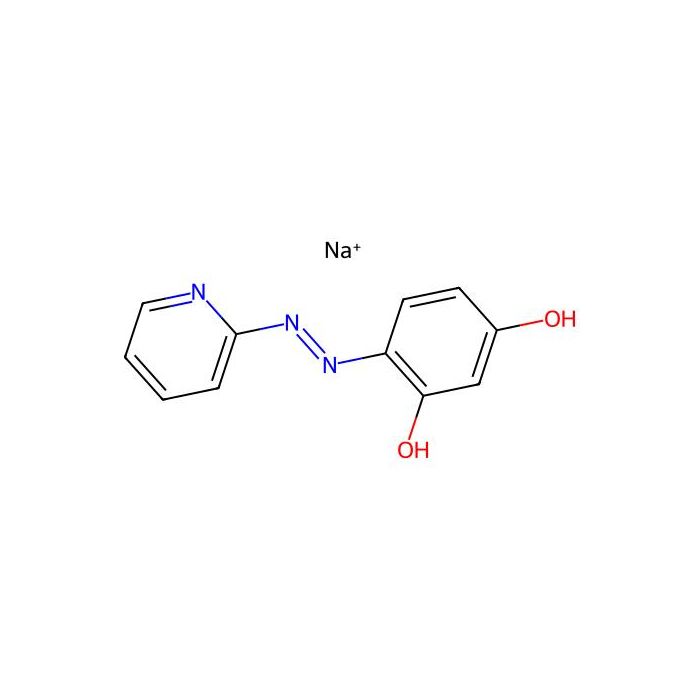
Lipase from Pseudomonas fluorescens, CAS No.9001-62-1

CAS: 9001-62-1 Cat. No.: L299014 Numéro CE: 232-619-9 PubChem CID: 135534490
DISPONIBLE À COMMANDE
QUALITÉ & PURETÉ EnzymoPure™ ? EnzymoPure™ — Aladdin's line of high-quality enzymatic solutions. Use when enzyme purity and defined activity drive assay or process performance. ≥20,000 U/g
★
Taille
Allemagne (EU)
USA*
Prix
Qté
10g
L299014-10g
—
En stock ≥10
104,04€
50g
L299014-50g
—
1 En stock
268,04€
Enter a quantity for the sizes you want to add.

Vue d’ensemble

Product Application:

Lipase from Pseudomonas fluorescens can be used as a biocatalyst in the hydrolysis and transesterification of parabens (para-hydroxybenzoic acid esters),enzymatic kinetic resolution of chlorohydrins,regio-selective acylation of andrographolide with different acylating agents to synthesize andrographolide derivatives. Lipase can also immobilized on silk fibroin spheres to prepare optically active epoxides by enzymatic kinetic resolution of halohydrins.Usually used industrially for the resolution of chiral compounds and the transesterification production of biodiesel.

Spécifications

Product Name
Lipase from Pseudomonas fluorescens, CAS No.9001-62-1
Synonymes
PPL | Lipase AY 30 | RIZOLIPASE | 1, 4-(2-pyridinylazo)-, disodium salt | sodium;4-(pyridin-2-yldiazenyl)benzene-1,3-diol | Lipase, triacylglycerol
Grade
EnzymoPure™
Spécifications et pureté
EnzymoPure™, ≥20,000 U/g
Mécanismes biochimiques et physiologiques
Lipases catalyze the hydrolysis of esters in aqueous solutions,the hydrolysis of triacylglycerols into glycerol and free fatty acids, and the synthesis of esters in non-aqueous solutions,and also produce hydroxyl and carboxylic groups through the hydrolysis of ester linkages in poly(ethylene terephthalate).
CAS
9001-62-1
Numéro de commission de l'enzyme
3.1.1.3.
Type de molécule
Enzyme
Stockage et expédition
Concentration
≥20,000 U/g
Conditions de stockage de stockage
Store at 2-8°C
Expédié en
Wet ice

Données avancées

Taxonomic Classification

Taxonomy Tree

KingdomOrganic compounds
SuperclassBenzenoids
ClassePhenols
SubclassBenzenediols
Intermediate Tree Nodes Not available
Direct ParentResorcinols
Alternative Parents 1-hydroxy-4-unsubstituted benzenoids  1-hydroxy-2-unsubstituted benzenoids  Pyridines and derivatives  Benzene and substituted derivatives  Heteroaromatic compounds  Azo compounds  Organic alkali metal salts  Azacyclic compounds  Organopnictogen compounds  Organooxygen compounds  Hydrocarbon derivatives  Organic cations  
Molecular FrameworkAromatic heteromonocyclic compounds
Substituents Resorcinol - 1-hydroxy-4-unsubstituted benzenoid - 1-hydroxy-2-unsubstituted benzenoid - Pyridine - Monocyclic benzene moiety - Heteroaromatic compound - Azo compound - Azacycle - Organic alkali metal salt - Organoheterocyclic compound - Organic nitrogen compound - Organic oxygen compound - Organopnictogen compound - Hydrocarbon derivative - Organic salt - Organooxygen compound - Organonitrogen compound - Organic cation - Aromatic heteromonocyclic compound
DescriptionThis compound belongs to the class of organic compounds known as resorcinols. These are compounds containing a resorcinol moiety, which is a benzene ring bearing two hydroxyl groups at positions 1 and 3.
External Descriptors Not available
Certificats (CoA, COO, BSE/TSE et tableau d'analyse)
C of A & Other Certificates(BSE/TSE, COO):
Analytical Chart:

Find and download the COA for your product by matching the lot number on the packaging.

9 results found

Lot NumberCertificate TypeDateArticle
L2509486L2509486Certificate of AnalysisApr 11, 2025 L299014
L2509487L2509487Certificate of AnalysisApr 11, 2025 L299014
G2419543G2419543Certificate of AnalysisJul 12, 2024 L299014
G2419544G2419544Certificate of AnalysisJul 12, 2024 L299014
G2419571G2419571Certificate of AnalysisJul 12, 2024 L299014
F1917216F1917216Certificate of AnalysisJan 04, 2023 L299014
A2212069A2212069Certificate of AnalysisJan 24, 2022 L299014
B2210113B2210113Certificate of AnalysisJan 12, 2022 L299014
B2210163B2210163Certificate of AnalysisJan 12, 2022 L299014
FAQ et articles
Key Roles of Purified Proteins in the Cleaning Industry and Green Ecology
Lipase (Triacylglycerol Hydrolase): Interfacial Catalysis, Selectivity Classes, and Assay/Application Systems
Review of the Principles, Common Methods, and Key Application Considerations for the Determination of Glycerol and Triglyceride Contents
Review of the Structural Characteristics, Biological Functions, and Application Advances of Lycopene
Application of Fatty Acid Methyl Ester Sulfonate (MES) in Household Detergent and Cleaning Formulations: Detergency, Hard-Water Tolerance, and Selection Criteria
Performance Sources and Formulation Applications of Enzyme-Based Ingredients in Daily Chemical Products: Fermentation Transformation, Enzymatic Reactions, and Application Principles
Structure, Degradation Behavior, and Applications of Poly(trimethylene carbonate) (PTMC) in Flexible Absorbable Materials
Citations of This Product
Calculateurs de solution
Avis

Avis des clients

Besoin d'aide pour choisir la qualité ?

Notre guide de sélection des qualités couvre la pureté, le statut du stabilisant et l'adéquation à l'application pour toutes les variantes de notre catalogue.

Voir le guide des qualités EnzymoPure™ →

Souhaitez-vous que nous vous envoyions un message lorsque des réductions seront disponibles?

Me rappeler plus tard

Merci ! Veuillez vérifier votre boîte de réception e-mail pour confirmer.

Oups ! Les notifications sont désactivées.