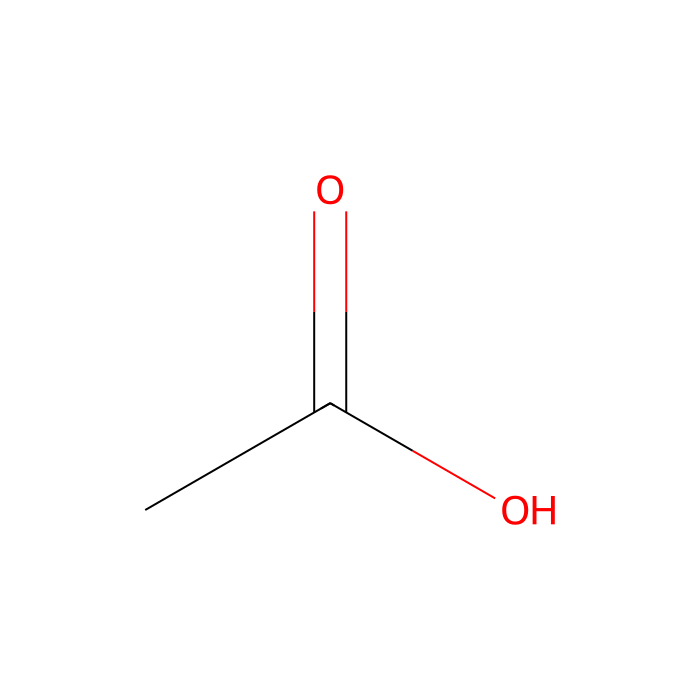
Acetic Acid - Moligand™, 0.100 Normal (N/10) , CAS No.64-19-7

CAS: 64-19-7 Cat. No.: A291613 Formula: CH3CO2H Peso molecolare: 60.05 Beilstein Registry Number: 506007 Numero EC: 200-580-7
Disponibile su ordine
QUALITÀ & PUREZZA Moligand™ ? Moligand™ — Aladdin's line of ligands and bioactive small molecules. Use for receptor, pathway, and binding studies needing defined small-molecule tools. 0.100 Normal (N/10)
Storage
Room temperature
Shipped In
FedEx DG Service
★
Dimensione
Germania (EU)
USA*
Prezzo
Qtà
500ml
A291613-500ml
Su ordinazione · 8–12 settimane

15,53€

19,00€
Salva 3,47 € (18.26%)
Enter a quantity for the sizes you want to add.

Specifiche

Specifiche e purezza
Moligand™, 0.100 Normal (N/10)
Condizioni di conservazione di stoccaggio
Room temperature
Spedito in
FedEx DG Service
Grado
Moligand™
Nomi e identificatori
Isomeri SMILES
CC(=O)O
WGK Germania
1
RTECS
AF1225000
Numero UN
2789
Gruppo di imballaggio
II
Peso molecolare
60.05
Beilstein
506007
Reaxys
506007
Reaxys-RN_link_address
https://www.reaxys.com/reaxys/secured/hopinto.do?context=S&query=IDE.XRN=506007&ln=

Dati avanzati

Obiettivi associati (umani)
FFAR2 Tchem Free fatty acid receptor 2 (0 Activities)
Activity TypeActivity Value -log(M)Mechanism of ActionActivity ReferencePublications (PubMed IDs)
FFAR3 Tchem Free fatty acid receptor 3 (0 Activities)
Activity TypeActivity Value -log(M)Mechanism of ActionActivity ReferencePublications (PubMed IDs)
Certificati (CoA, COO, BSE/TSE e tabella di analisi)
C of A & Other Certificates(BSE/TSE, COO):
Analytical Chart:

Find and download the COA for your product by matching the lot number on the packaging.

3 results found

Lot NumberCertificate TypeDataOggetto
J2613002J2613002Certificate of AnalysisOct 15, 2026 A291613
H2505047H2505047Certificate of AnalysisAug 05, 2025 A291613
H2109309H2109309Certificate of AnalysisFeb 19, 2024 A291613
Proprietà chimiche e fisiche
Indice di rifrazione1.37-1.373
Punto di infiammabilità (°C)40℃
Punto di ebollizione (°C)117-118°C
Punto di fusione (°C)16-16.5°C
Sicurezza e pericoli (GHS)
Pictogrammi
Segnale
Danger
Indicazioni di pericolo

H303:May be harmful if swallowed

H314:Causes severe skin burns and eye damage

Precauzioni

P264:Wash hands [and …] thoroughly after handling.

P280:Wear protective gloves/protective clothing/eye protection/face protection.

P363:Wash contaminated clothing before reuse.

P301+P330+P331:IF SWALLOWED: Rinse mouth. Do NOT induce vomiting.

P303+P361+P353:IF ON SKIN (or hair): Take off Immediately all contaminated clothing. Rinse SKIN with water [or shower].

P405:Store locked up.

P501:Dispose of contents/container to an approved waste disposal plant.

P304+P340+P310:IF INHALED: Remove person to fresh air and keep comfortable for breathing. Immediately call a POISON CENTER/ doctor.

P305+P351+P338+P310:IF IN EYES: Rinse cautiously with water for several minutes. If contact lenses are worn and can be easily removed, remove Contact lenses. Continue rinsing. Immediately call an emergency center/doctor.

WGK Germania
1
RTECS
AF1225000
Reaxys
506007
Reaxys-RN_link_address
https://www.reaxys.com/reaxys/secured/hopinto.do?context=S&query=IDE.XRN=506007&ln=
Classe
8 (3)
Indice Merck
55
RIDADR
UN 2789PSN1 3(8) / PGII
Domande frequenti e articoli
Common Questions and Answers for SDS-PAGE Experiments
Peptide Mapping for Protein Structure Identification
A New Esterification Method — Rapid Esterification Mediated by the Coupling Reagent NDTP
Why Is EDTA So Widely Used?
Protein Tris-Acetate Electrophoresis System Standard Operating Procedure
Protein Tris-Tricine Electrophoresis System Standard Operating Procedure
Stripping, Cleaning, and Metal Recharging Workflow for Ni²⁺–Agarose Resins
Common Protein Gel Staining Methods
TRAP Staining: Principle and Procedure
GST-Tagged Protein Purification
Hematoxylin–Eosin (H&E) Staining Standard Operating Procedure (SOP)
Fatty Acids from Basics to Lab Practice: Structural Classification, Research Uses, and Selection Tips (with an Aladdin Representative Product Quick-Reference Table)
TEMPO-Catalyzed Oxidation Quick Reference (Alcohol Oxidation Focus): Three Regeneration Routes (NaOCl / Cu–O₂ / PIDA) + Selection & Troubleshooting
PAS Staining (Periodic Acid–Schiff, PAS) Standard Operating Procedure (SOP)
Masson’s Trichrome Stain (Masson’s Trichrome) Standard Operating Procedure (SOP)
Physicochemical Properties, Staining Mechanisms, and Practical Application Specifications of Hematoxylin
Installing a Redox Switch on Biomolecules: Principles, Conjugation Essentials, and an Application Guide for ATTO MB2 NHS ester
Small-Molecule Inhibitors: A Practical Guide for Research Selection — A Minimal Evidence Chain and Scenario-Based Validation Framework (Including a Selection Matrix, Case Cards, and Product Tables 1–4)
Practical Guide to Sodium Carboxymethyl Cellulose (CMC-Na): Thickening/Stabilizing Mechanisms, Key Controls for Solution Preparation, and Selection Navigation (including Table 1 and Tables A–C)
Secondary Effects Behind Chromatographic Peak Tailing and Unstable Peak Shapes: How Residual Silanols (Si–OH) Affect Basic Compounds, and the Shortest Troubleshooting/Remediation Path (with Product Navigation and Tables 1–3)
2-Methylpyridine–Borane (2-Picoline·BH₃) Reductive Amination Guide: Process Drivers for Replacing NaBH₃CN, the Practical Operating Window, and Scale-Up/Quench Close-Out Essentials (Including Product Tables 1–3)
Inulin: Structural Features, Physicochemical Properties, Application Development, and Research Progress in Experimental Settings
Methodological essentials for mineralization visualization: Alizarin Red S staining vs. Von Kossa silver staining
Recent Advances in Methods for Measuring Plant Fiber-Related Indices and Application-Oriented Selection
Functions and Significance of Common Physiological and Biochemical Indices in Animals and Plants
Recent Advances in Methods for Measuring Starch-Related Indices in Plants and Their Application-Oriented Selection
How Organic Acids “Stabilize a System”: Selection Logic via the pH Window, Salt Forms, and Metal-Ion Management (with a navigation guide to Tables A–E)
Acid Phosphatase: Dephosphorylation Reactions in Acidic Microenvironments and Their Research, Assay, and Detection Applications
Amino Acid Oxidases: Oxygen-Dependent Oxidative Deamination Systems and Their Analytical and Applied Uses
Agarose Precast Gels: Composition, Advantages, and Application Workflows for Standardized Nucleic Acid Electrophoresis Matrices
Chymosin: A Review of Molecular Features, Coagulation Kinetics, and Activity Evaluation
Hemicellulases: A Review of Substrate Specificity, Catalytic Systems, and Research and Industrial Applications
Phytase: Enzymological Properties, Mechanism of Action, and Applications in Feed and Food
Chlorophyll: Structural Features, Physicochemical Properties, and Key Points for Research and Industrial Applications
Chitinases: Substrate-Specific Degradation Mechanisms, Enzymatic Properties, and Application Directions
Ferulic Acid: Structural Features, Preparation Routes, and Key Points for Research Applications
Flavones: Structural Features, Physicochemical Properties, and Key Points for Research and Applications
β-Acyloxy Alkenyl Amides (AAAs): A New Approach to Amide Bond and Peptide Bond Construction Worth Attention
Silane Precursors in Sol-Gel Film Formation: Precursor Selection and Its Influence on Film-Formation Outcomes
Revisiting Titanium Tetrachloride: New Advances in the Direct Amidation and Esterification of Carboxylic Acids
DAST-Mediated Amidation at Room Temperature: Method Features, Practical Value, and Scope of Applicability
Understanding ATD-DMAP: From Reagent Design to Esterification, Amidation, and Stereochemical Integrity
Understanding Cbz (Benzyloxycarbonyl): Selection Logic and Practical Value of a Classical Amino Protecting Group
The Core Value of the Trityl Family of Protecting Groups: Acid-Deprotection Hierarchies and Selective Route Design
Reassessing Trimethylaluminum: Method Design and Experimental Value of One-Pot Peptide Elongation from Unprotected Amino Acids
Phthaloyl: Its Role in Primary Amine Protection and Practical Considerations for Experimental Selection
Acetyl-Group Metabolic Enzyme Network and In Vitro Enzymology Analysis
Research Value of Polyelectrolyte Multilayers: Layer-by-Layer Design of Interfacial Composition, Mass Transport, and Function
Triphenylphosphine Dibromide (PPh₃Br₂) Is More Than Just a Brominating Reagent: Experimental Selection Logic from Alcohol-to-Alkyl Bromide Conversion to Carboxylic Acid Activation and One-Pot Esterification, Vinyl Bromide Formation, and Nitrile Constructi
Reaction Roles of DBU in Different Systems: Experimental Judgment from a Strong Organic Base to Nucleophilic Catalysis and Participation in the Reaction Pathway
Liquid Polyisoprene: Material Characteristics, Application Directions, and Selection Considerations
DMAP Is More Than Just an Organic Base: Experimental Judgment from Nucleophilic Acyl Transfer to Esterification and Macrolactonization
Experimental Evaluation of Triphosgene in Organic Synthesis: Understanding Its Selection Logic Through Reaction Tasks
Triphenylphosphine-Involved Carboxylic Acid Activation and Amide Bond Formation: Activation Pathways, Anhydride Competition, and Applicability Scenarios
Preparation Methods and Precautions for Silane Coupling Agent Primer Solutions
Experimental Research on Candidate Probiotics: From Strain Identification and Mechanistic Evaluation to Product Selection
Functional Distinction among Orange G-6, EA36, and EA50 in the Papanicolaou Staining System
Applications and Differences of Neisser Staining, Albert Staining, and Gram Staining in the Differentiation of Corynebacteria
Microbial Morphological Identification: Observation Systems, Staining Methods, and Result Interpretation
How to Troubleshoot Abnormal Impurities in Peptide Synthesis? Locating Process Issues Through Amino-Related Side Reactions
Selection and Formulation Design Guidelines for Phenolic Resins in Coatings: Applicable Scenarios, Application Limitations, and Performance Verification
Porous Graphitic Carbon (PGC) Chromatography Columns: Creating New Selectivity for Challenging Separations through Molecular Shape and the π-Electron Cloud on the Graphitic Surface
What Is Silica Sol: Mechanism of Action, Application Scenarios, and Selection Criteria for Nanosilica Dispersions
Principles, Method Selection, and Result Interpretation for Malondialdehyde Content Detection
Application of Shellac, a Natural Film-Forming Resin, in Coatings: Alcohol-Soluble Fast-Drying Film Formation, Sealing and Repair, and Performance Boundaries
Mechanisms and Control of Coating Yellowing: From Chromophoric Structure Formation to Source Diagnosis and Formulation Optimization
Differences, Functions, and Selection Guidelines for Sodium Hydroxide Flakes, Granules, Liquid Caustic Soda, and Caustic Soda in Household and Personal Care Product Manufacturing: The Functional and Application Logic of Sodium Hydroxide
Sodium Metasilicate in Cleaning Applications: Hydration-Form Differences, Mechanisms of Action, and Selection Logic
What Is an Etchant? Etching Mechanisms for Revealing Metallographic Microstructures, Selection Methods, and Applications of Related Wet-Etching Reagents
Performance Sources and Formulation Applications of Enzyme-Based Ingredients in Daily Chemical Products: Fermentation Transformation, Enzymatic Reactions, and Application Principles
Formation and Control of Carboxyl- and Hydroxyl-Related Impurities in Peptide Synthesis — Using Asp/Glu and Ser/Thr Residue Side Reactions as Examples
Why Do Rust Spots Appear on Neutral Wall Putty? Iron Sources, Moisture Migration, Oxidative Color Development, and Prevention Measures
Establishment and Evaluation of Animal Models of Gastric Ulcer: Chemical Induction, Stress Injury, Infection Models, and Healing Studies
Plant Tissue and Cell Wall Staining Methods: Selection of Light Green, Safranin, Fast Green, and Composite Staining Systems
Probiotics, Prebiotics, and Postbiotics in Skin Care: Conceptual Distinctions, Mechanisms of Action, and Their Applications in the Care of Dry, Itchy, and Rough Skin
Multilevel Moisturizing Mechanisms of Sodium Hyaluronate and Its Derivatives: Molecular Weight Modulation, Crosslinking, Acetylation, and Major Sites of Action
Sources, Host-Regulatory Mechanisms, and Tumor-Immune Effects of Gut Microbiota-Derived Metabolites
What Determines Collagen Function: From Triple-Helix Formation to Hierarchical Assembly, Crosslink Maturation, and Dynamic Remodeling
Differences Between Animal-Derived Collagen and Recombinant Collagen in Skincare: Sequence and Structure, Safety, Skin Effects, and Evidence Evaluation
3,3-Spiro-α-Proline Building Blocks: Structural Features, Complementary Synthetic Routes, and Multigram-Scale Preparation
Stereoretentive Decarboxylative Amidation with Dioxazolones: A Two-Electron Rearrangement Mechanism for Stereochemical Transfer from Chiral Carboxylic Acids
Desaturative Amination for the Synthesis of Amino Heteroarenes: Carbonyl-Site Predefinition of the C–N Bond-Forming Position and Subsequent Desaturative Aromatization
From Temporary Covalent Assembly to Intramolecular Smiles Aryl Migration: DCPDC-Mediated Phenol–Primary Amine C–N Cross-Coupling
Citations of This Product
Calcolatori di soluzioni
Recensioni

Recensioni dei clienti

Application Protocols

Not applicable. This listing is a chemical reagent rather than an antibody or assay kit. No validated protocols for WB, IHC, IF, or FC are associated. For practical use cases, consult the Reaction & Applications, Buffer Applications, and Reaction Conditions sections.

Biological Roles

General biochemistry context (no clinical claims):

  • Central metabolite (literature)

    • Acetate is a short-chain fatty acid produced by microbial fermentation and by oxidative metabolism of ethanol. Intracellularly, acetate is converted to acetyl-CoA via acetyl-CoA synthetase, entering central carbon metabolism (TCA cycle via citrate synthase) and serving as a two-carbon donor for biosynthesis (fatty acids, sterols) and acetylation reactions (histone and protein acetylation via acetyl-CoA).
  • Signaling aspects (literature)

    • Extracellular acetate can modulate GPCRs (e.g., FFAR2/FFAR3 in certain systems) and impact cellular pH gradients. As a weak acid (pKa ~4.76), it partitions across membranes in the protonated form and can contribute to intracellular acidification at low pH.
  • Buffering (literature)

    • The acetate/acetic acid pair provides buffering in the pH 3.6–5.6 range; acetate salts (Na+, K+, NH4+) are common in biochemical assays, enzyme storage, and nucleic acid precipitation workflows.
  • Practical laboratory use (general)

    • Employed to quench basic reactions, adjust pH, precipitate nucleic acids (with sodium acetate/isopropanol or ethanol), and modulate protein charge states in ion-exchange workflows.

Note: These are general roles of acetic acid/acetate; they do not reflect item-specific biological testing. This product is for research use only (per Product Data).

Buffer Applications

Acetate buffers are widely used for pH control in the mildly acidic range.

  • Effective pH range (literature)

    • ~pH 3.6–5.6, centered on pKa ~4.76 (25 °C). Suitable for DNA precipitation steps, certain enzyme assays, and chromatography mobile phases requiring weak acidity.
  • Typical recipes (literature examples)

    • Aqueous buffer: Prepare 0.1 M acetic acid and 0.1 M sodium acetate stock solutions. Mix appropriate volumes to target pH per Henderson–Hasselbalch: pH = pKa + log([acetate]/[acetic acid]). For pH 4.76, mix equimolar quantities.
    • LC mobile phase: 0.1–1.0% (v/v) acetic acid in water or water–acetonitrile systems for UV or MS detection; adjust concentration for ionization efficiency and analyte retention.
  • Practical considerations

    • Ionic strength and temperature shift buffer capacity and pH; verify with a calibrated pH meter.
    • For MS, acetic acid offers a balance between volatility and ionization; formic acid may yield higher sensitivity for some analytes.
    • Avoid high concentrations in stainless-steel systems not passivated for acids; rinse with neutral solvents after runs to mitigate corrosion.

Item-specific specifications (purity, UV cutoff, metal content) are not provided; if using for analytical buffers, confirm suitability on the CoA or consider a dedicated LC/MS grade acid.

Green Alternatives

Selecting greener acids/solvents depends on volatility, toxicity, persistence, and performance.

  • Relative greenness (literature-based, general)

    • Acetic acid scores favorably in many solvent guides due to low toxicity, biodegradability, and renewability potential (bio-based production). Main concerns are corrosivity, odor, and flammability (fp ~39 °C).
  • Comparisons

    | Option | Strength/Volatility | MS compatibility | Environmental profile | Tradeoffs | |---|---|---|---|---| | Acetic acid | Moderate acid (pKa 4.76), moderate volatility | Good (low adducting) | Biodegradable, renewable routes | Corrosive; odor; fp ~39 °C | | Formic acid | Stronger, more volatile | Excellent | Biodegradable | Stronger corrosivity; potential over-reduction contexts | | Lactic acid (aq) | Weaker, low volatility | Limited (nonvolatile) | Bio-based, low toxicity | Water-bound; limited organic solvation | | CO2 (scCO2) | Non-acidic unless with cosolvents | Excellent | Benign | Requires pressure equipment; different chemistry | | Ethyl acetate | Neutral solvent alternative | Excellent | Low toxicity, biodegradable | No acid catalysis; different polarity |

  • Greener practice tips (general)

    • Use aqueous acetate buffers where feasible in place of neat acid media.
    • Recover/reuse acetic acid by simple distillation in closed systems to reduce VOC release.
    • Prefer bio-based acetic acid sourcing when sustainability documentation is required.
    • Minimize overuse as mobile phase; consider formic acid for MS sensitivity and lower corrosivity at equal pH control.
Pharmaceutical Uses

General, non-clinical information (no therapeutic claims):

  • Role in formulations (literature)

    • pH adjuster and buffering agent in parenteral, ophthalmic, and oral liquid formulations using acetate buffer systems.
    • Process reagent for salt formation (e.g., acetate salts of amines) and as a solvent in certain API intermediate steps.
  • Compendial context (general)

    • Acetic Acid appears in pharmacopeial monographs (e.g., USP/NF, Ph. Eur.) with defined tests for identity, impurities, and assay. This listing does not assert compliance; verify with CoA/specifications if compendial grade is required.
  • Analytical use in manufacturing (literature)

    • Mobile-phase modifier in HPLC for stability-indicating methods where TFA suppression is undesirable.
  • Materials compatibility and safety

    • Corrosive to some metals and elastomers; choose compatible container/closure systems (e.g., Type I glass, acid-resistant polymers) and validate extractables/leachables for pharmaceutical processes.

Item-specific claims and pharmacopeial grade are Not specified for this item; refer to CoA/Spec Sheet. Use is restricted to research and laboratory development per Product Data.

Physical Properties

Item-specific specifications are not provided in the Product Data; consult the CoA/Spec Sheet for verified lot data. The following are literature/reference values for neat acetic acid (glacial grade unless noted):

  • Appearance: Not specified for this item; refer to CoA/Spec Sheet.
  • Density: ~1.049 g/mL at 25 °C (literature)
  • Melting point (freezing point): ~16.6–16.7 °C (literature)
  • Boiling point: ~118.1 °C at 1 atm (literature)
  • Vapor pressure: ~15.7 mmHg at 25 °C (literature)
  • Refractive index: nD20 ~1.371 (literature)
  • pKa (HA ⇌ H+ + A−): ~4.76 at 25 °C in water (literature)
  • LogP (octanol/water): ~−0.3 (literature)
  • Dielectric constant (ε, 25 °C): ~6.2 (literature)
  • Solubility: miscible with water, ethanol, diethyl ether; soluble in many polar organics (literature)
  • Odor threshold: pungent, vinegar-like; low threshold (literature)

Practical implications (general):

  • Solidification below ~17 °C can yield a crystalline, ice-like solid; gentle warming to ambient re-liquefies.
  • Moderate vapor pressure and strong odor warrant good ventilation to control headspace acidity and odor.
  • Miscibility with water enables convenient preparation of aqueous acetate buffers over pH ~3.6–5.6.
Quality and Grades
  • Item-specific details (from Product Data)

    • Grade/Purity: Moligand™
    • Appearance: Not specified for this item; refer to CoA/Spec Sheet.
  • About Moligand™ (program context; general, not item-specific specifications)

    • Moligand™ is an Aladdin designation used for reagents curated for demanding synthesis workflows, often intersecting with organometallic, coordination, or ligand-intensive chemistry. For this acetic acid, it indicates catalog curation rather than a formal pharmacopeial or HPLC grade standard.
  • What is NOT specified for this item

    • Percent purity, water content, trace metals, UV cutoff, stabilizers/inhibitors: Not specified for this item; refer to CoA/Spec Sheet.
  • Interpreting “grade” in use (general guidance)

    • For acid-sensitive or catalysis applications, confirm specs such as water content, nonvolatile residue, and metal contaminants.
    • For chromatographic use (e.g., LC-UV/LC-MS), consider low-UV or LC-MS grades when baseline noise and background ions matter; if this item is to be used in such applications, verify UV absorbance and residue on evaporation on the lot CoA.
    • For bioconjugation or moisture-critical steps, consider drying or distillation to the required specification (see Reaction Conditions).
Reaction and Applications

This reagent serves as both solvent and reagent across classical organic synthesis and catalysis.

  • As reagent (literature)

    • Esterification: Fischer–Speier esterification of alcohols to acetates under reflux with catalytic mineral acid or by azeotropic water removal. Acetylation more commonly uses acetic anhydride or acetyl chloride, but neat acetic acid can drive equilibrium with dehydrating conditions.
    • Acetate source: Generation of tetrabutylammonium acetate or metal acetates in situ; nucleophilic acetoxylation (with oxidants/catalysts) of benzylic or allylic positions.
    • Oxidant partner: Solvent/reagent in Jones, PCC/PDC (with CH2Cl2 co-solvent), KMnO4, or peracetic acid systems.
  • As solvent (literature)

    • Homogeneous acid medium for electrophilic aromatic substitution, halogenation, and nitration variants where water inhibits selectivity.
    • Transition-metal catalysis: Pd-catalyzed Wacker oxidations sometimes tolerate acetic acid as co-solvent; ligand exchange with acetate can modulate catalyst speciation.
  • Purification/processing (literature)

    • Crystallization solvent for amines via acetate salt formation; deprotection medium for acid-sensitive protecting groups (milder than mineral acids).
  • Practical tips

    • Water content strongly influences equilibria; dry via molecular sieves (3Å/4Å preconditioned for acids) or distill over acetic anhydride if very low water is required (use appropriate safety controls).
    • For acetylations, consider switching to acetic anhydride with catalytic acid for higher conversions; quench carefully with ice/cold base.
    • Use glass or acid-resistant alloys; avoid reactive metals and basic alumina during workup to prevent neutralization losses.
Reaction Conditions

General literature guidance (verify experimentally for your system):

  • Fischer esterification (ROH + HOAc ⇌ ROAc + H2O)

    • Solvent: neat acetic acid or toluene with catalytic HOAc/H2SO4
    • Catalyst: H2SO4 (1–5 mol%) or p-TsOH
    • Temperature: reflux (HOAc bp ~118 °C) or azeotropic removal of water (Dean–Stark)
    • Time/yield: 2–24 h; equilibrium-limited unless water removed; typical isolated yields 60–90% with optimized conditions (literature)
  • Benzylic/allylic acetoxylation

    • Catalyst: Pd(OAc)2 (1–10 mol%) with Cu(OAc)2 or peroxides as co-oxidant
    • Solvent: acetic acid or AcOH/Ac2O mix
    • Temperature: 60–120 °C; O2 or air may be used
    • Outcome: selective C–H functionalization to –OAc; yields substrate-dependent (literature)
  • Oxidations in acetic acid

    • KMnO4 or Cr(VI) oxidations of alcohols/alkenes; acetic acid moderates reactivity versus aqueous mineral acids.
    • Peracetic acid (generated in situ from H2O2 + HOAc + catalyst) for epoxidations/baeyer–villiger; observe strict safety controls.
  • Drying/purification (general)

    • Dry over 3Å/4Å molecular sieves compatible with acids; or distill under reduced pressure; guard against water pickup.
    • Removal: vacuum concentration or simple distillation; co-evaporation with toluene/EtOAc helps reduce residual odor.
  • Safety notes

    • Exothermic mixing with bases and oxidants; control addition and temperature.
    • Use acid-resistant apparatus; vented setups for gas-evolving steps.
Safety and Handling

Item-specific hazard fields in Product Data are not populated. Refer to the SDS accompanying your shipment for authoritative safety details. The following are general, literature-based GHS hazards for acetic acid (concentrated/glacial):

  • GHS classification (literature, typical for glacial acetic acid)
    • Flammable liquid, Category 3
    • Skin corrosion, Category 1A; Serious eye damage, Category 1
    • Specific target organ toxicity — single exposure, Category 3 (respiratory irritation)
  • Pictograms (literature): GHS02 (flame), GHS05 (corrosion), GHS07 (exclamation)
  • Signal word (literature): Danger
  • H-statements (typical literature): H226, H314, H318, H335

Handling and PPE (general best practice):

  • Use in a chemical fume hood; avoid inhalation of vapors/mists. Wear splash goggles/face shield, acid-resistant gloves (e.g., nitrile or butyl rated for organic acids), lab coat.
  • Add acid to water when diluting; exothermic heat release may cause boiling/splashing.
  • Storage incompatibilities: strong oxidizers (e.g., chromates, permanganates), strong bases, reactive metals, cyanides (forms HCN in strong acid), and acylation-sensitive materials. Keep away from sources of ignition.
  • Spill/first aid (overview; defer to SDS): neutralize small spills with sodium bicarbonate; absorb with inert media. For skin/eye contact, immediate decontamination with copious water for ≥15 minutes; seek medical evaluation.

Shipping/storage notes (from Product Data):

  • Shipped via FedEx DG Service.
  • Storage: Room temperature (see Storage & Reconstitution for additional guidance).
Solvent Selection

Acetic acid functions as a polar protic solvent and Brønsted acid with moderate hydrogen-bond donating ability.

  • Polarity/miscibility (literature)

    • Dielectric constant ~6.2 (25 °C); polarity similar to other low–moderate polarity protic solvents.
    • Miscible with water, alcohols, and many polar organics; dissolves many salts poorly but can solubilize certain organic bases as acetate salts.
  • When to choose acetic acid (general)

    • Acid-catalyzed transformations (Fischer esterifications, acetal hydrolysis) where solvent and catalyst coincide.
    • Oxidations (e.g., with KMnO4, Cr(VI), peracids) where acidic medium improves selectivity or rate.
    • Electrophilic aromatic substitutions requiring mildly to strongly acidic, low-water media.
    • As a controllable mobile-phase modifier (0.1–1% v/v) for LC-UV or LC-MS when formic acid is too volatile/weak or TFA is too suppressive for MS.
  • When to avoid

    • Base-sensitive reagents; metal-catalyzed reactions inhibited by carboxylic acids; moisture- or acid-labile substrates.
  • Quick comparison (literature)

    • Formic acid: stronger volatility, slightly stronger acid in water (pKa 3.75), more MS-friendly; can be too reactive (hydride transfer) in some reductions.
    • TFA: stronger acid (pKa ~0.23), excellent for peptide workflows but MS-ion suppression and corrosivity are higher.
    • 2-MeTHF/EtOAc: greener neutral solvents when acidity is undesired; lack the acid catalytic role.

Confirm compatibility with substrates/catalysts and any equipment elastomers (acids can swell/damage certain seals).

Storage and Reconstitution
  • Item-specific storage/shipping (from Product Data)

    • Storage Conditions: Room temperature
    • Shipped In: FedEx DG Service
  • General storage guidance (literature/best practice)

    • Store tightly closed in corrosion-resistant containers (e.g., amber glass) in a cool, well-ventilated area away from bases, oxidizers, and ignition sources.
    • Secondary containment recommended to protect shelves from acid corrosion and odor.
    • Acetic acid solidifies below ~16.6 °C; if crystallized, warm gently to ambient and mix thoroughly before use.
    • Minimize headspace to reduce vapor loss and odor; consider PTFE-lined caps. Verify elastomer compatibility for bottle liners and septa.
  • Reconstitution

    • Not applicable; product is supplied as a liquid. For concentrated stocks or defined molarity, prepare using volumetric techniques; always add acid to water with stirring and cooling.
  • Stability

    • Chemically stable under recommended storage; avoid prolonged exposure to air if anhydrous content is critical (water uptake) and to strong oxidizers (risk of peracid formation under certain conditions).

Always consult the product CoA/SDS for lot-specific guidance (e.g., assay, water content) prior to use in moisture- or UV-critical applications.

Structure and Identity

Acetic acid is a simple monocarboxylic acid widely used as a reagent, solvent, and buffer component.

  • Item-specific identifiers (from Product Data)

    • Product name: Acetic Acid (SKU: A291613)
    • CAS: 64-19-7; PubChem CID: 176
    • Grade/Purity: Moligand™ (see Quality & Grades)
  • Literature/computed identifiers (general reference; not item-specific specs)

    • Molecular formula: C2H4O2 (literature)
    • Molecular weight: 60.05 g/mol (literature)
    • SMILES: CC(=O)O (literature)
    • InChIKey: QTBSBXVTEAMEQO-UHFFFAOYSA-N (literature)
  • Structural features (general chemistry knowledge)

    • Functional group: terminal carboxylic acid (–CO2H)
    • Backbone: two-carbon (acetyl) chain with a methyl group attached to a carboxyl carbon
    • 2D description: a methyl (CH3–) group bonded to a carbonyl carbon (C=O) which is also bonded to a hydroxyl (–OH); no stereocenters, no rings
    • Acidic proton on the hydroxyl oxygen; conjugate base is acetate (CH3COO−), resonance-stabilized over the two oxygens
  • Notes

    • This listing is for laboratory/research use only (per Product Data).
Synthetic Utility

Acetic acid’s carboxylic acid functionality enables numerous transformations while its acidity provides catalytic utility.

  • Functional group transformations (literature)

    • Esterification to form acetates (Fischer–Speier; equilibrium-driven, enhanced by water removal or acid catalysis).
    • Conversion to acyl derivatives: acetic anhydride formation (via dehydrating agents), acetyl chloride formation (e.g., SOCl2, oxalyl chloride) when stronger acyl donors are required.
    • Acetoxylation: introduction of –OAc at benzylic/allylic positions under oxidative conditions (e.g., Pd/Cu-catalyzed C–H functionalization with O2 or peroxides).
    • As acetate counterion: generation of metal acetates (e.g., Pd(OAc)2, Cu(OAc)2 in situ), influencing catalyst solubility and reactivity.
  • Medium effects (literature)

    • Polar protic, acidic environment stabilizes carbocations and protonates carbonyls to facilitate nucleophilic additions, acetal exchange, and EAS.
    • As a co-solvent/regulator in reductive aminations and nitrations to moderate basicity or water content.
  • Workup and protection (general)

    • Temporary salt formation with amines to modulate solubility/crystallization.
    • Selective deprotection under mild acidic conditions versus strong mineral acids.

For highly water-sensitive steps, dry or distill acetic acid prior to use. Confirm catalyst compatibility, as carboxylates can bind metal centers and alter activity/selectivity.

Target Specificity

Not applicable. This product is a small-molecule reagent (acetic acid), not a biological affinity reagent. No antigen/epitope specificity, clone, isotype, or species reactivity applies.

Domande frequenti

What is Moligand??
Moligand? is one of Aladdin Scientific's premium product lines, formulated for high-purity applications across multiple workflows. Compared to standard grades in the same workflow, Moligand? products typically offer tighter specifications, more rigorous QC, and stronger lot-to-lot consistency.
How should this product be stored?
Store at room temperature.
How is this product shipped?
This product is classified as dangerous goods and ships via FedEx DG Service. Ground and other economy services are not available, and delivery to some destinations or address types may be restricted.
What are the CAS number, molecular formula and molecular weight?
The CAS Number is 64-19-7, the molecular formula is C2H4O2, and the molecular weight is 60.05 g/mol.
What documentation is provided?
Available product documentation, including Certificates of Analysis (COA), Safety Data Sheets (SDS), and specification sheets, is shown in the product document area. Document availability and access follow the current site policy.

Desidera che le inviamo un messaggio quando avremo sconti disponibili?

Ricordamelo più tardi

Grazie! Controlli la sua casella di posta per confermare.

Ops! Le notifiche sono disabilitate.