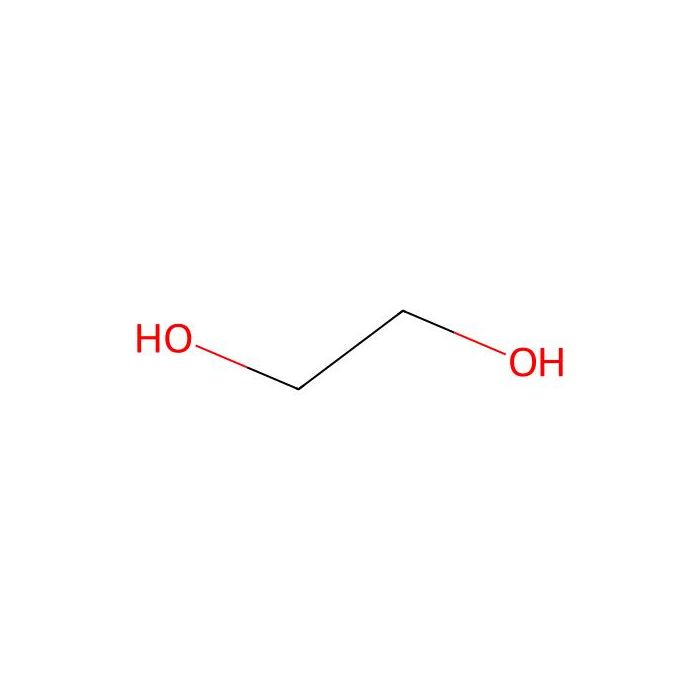
Polyethylene glycol(PEG) - average Mn 10000 , CAS No.25322-68-3

CAS: 25322-68-3 Cat. No.: P103731 Formula: HO(CH2CH2O)nH Numero EC: 500-038-2
Disponibile su ordine
QUALITÀ & PUREZZA average Mn 10000
Synonyms
PEG
Storage
Room temperature,Desiccated,Cool
Shipped In
Normal
★
Dimensione
Germania (EU)
USA*
Prezzo
Qtà
100g
P103731-100g
—
Disponibile ≥10
8,59€
250g
P103731-250g
—
2 Disponibile
12,93€
500g
P103731-500g
3 Disponibile
4 Disponibile
18,14€
12×500g
P103731-12×500g
Su ordinazione · 8–12 settimane
182,14€
Enter a quantity for the sizes you want to add.

Panoramica

Usually used to modify therapeutic proteins and peptides to increase their solubility and lower their toxicity.

Specifiche

Sinonimi
PEG
Specifiche e purezza
average Mn 10000
Condizioni di conservazione di stoccaggio
Room temperature,Desiccated,Cool
Spedito in
Normal
Nomi e identificatori
WGK Germania
1
Reaxys
505945
Reaxys-RN_link_address
https://www.reaxys.com/reaxys/secured/hopinto.do?context=S&query=IDE.XRN=505945&ln=

Dati avanzati

Certificati (CoA, COO, BSE/TSE e tabella di analisi)
C of A & Other Certificates(BSE/TSE, COO):
Analytical Chart:

Find and download the COA for your product by matching the lot number on the packaging.

37 results found

Lot NumberCertificate TypeDataOggetto
G2615588G2615588Certificate of AnalysisJul 24, 2026 P103731
G2615563G2615563Certificate of AnalysisJul 24, 2026 P103731
G2615562G2615562Certificate of AnalysisJul 24, 2026 P103731
G2615561G2615561Certificate of AnalysisJul 24, 2026 P103731
A2623459A2623459Certificate of AnalysisFeb 03, 2026 P103731
A2623462A2623462Certificate of AnalysisFeb 03, 2026 P103731
A2623463A2623463Certificate of AnalysisFeb 03, 2026 P103731
A2623464A2623464Certificate of AnalysisFeb 03, 2026 P103731
K2606724K2606724Certificate of AnalysisJan 22, 2026 P103731
K2606677K2606677Certificate of AnalysisJan 22, 2026 P103731
K2606723K2606723Certificate of AnalysisJan 22, 2026 P103731
K2606678K2606678Certificate of AnalysisJan 22, 2026 P103731
E2528781E2528781Certificate of AnalysisDec 27, 2024 P103731
E2528700E2528700Certificate of AnalysisDec 27, 2024 P103731
E2528697E2528697Certificate of AnalysisDec 27, 2024 P103731
E2528693E2528693Certificate of AnalysisDec 27, 2024 P103731
A2508260A2508260Certificate of AnalysisDec 27, 2024 P103731
A2508259A2508259Certificate of AnalysisDec 27, 2024 P103731
J2425547J2425547Certificate of AnalysisSep 23, 2024 P103731
J2425546J2425546Certificate of AnalysisSep 23, 2024 P103731
J2425545J2425545Certificate of AnalysisSep 23, 2024 P103731
J2425544J2425544Certificate of AnalysisSep 23, 2024 P103731
J2416639J2416639Certificate of AnalysisSep 23, 2024 P103731
J2416629J2416629Certificate of AnalysisSep 23, 2024 P103731
H2324620H2324620Certificate of AnalysisDec 21, 2023 P103731
H2324645H2324645Certificate of AnalysisDec 21, 2023 P103731
H2324644H2324644Certificate of AnalysisDec 21, 2023 P103731
H2324643H2324643Certificate of AnalysisDec 21, 2023 P103731
J2318646J2318646Certificate of AnalysisJun 16, 2023 P103731
I2214685I2214685Certificate of AnalysisJul 19, 2022 P103731
I2214684I2214684Certificate of AnalysisJul 19, 2022 P103731
I2214683I2214683Certificate of AnalysisJul 19, 2022 P103731
I2214674I2214674Certificate of AnalysisJul 19, 2022 P103731
G2424024G2424024Certificate of AnalysisJul 19, 2022 P103731
E2305080E2305080Certificate of AnalysisJul 19, 2022 P103731
A2304184A2304184Certificate of AnalysisSep 24, 2021 P103731
A2304186A2304186Certificate of AnalysisSep 24, 2021 P103731
Proprietà chimiche e fisiche
Sensibilitàmoisture sensitive
Indice di rifrazione1.460
Punto di infiammabilità (°F)519.8 °F
Punto di infiammabilità (°C)271.00 °C
Punto di ebollizione (°C)> 200 °C
Punto di fusione (°C)61-64℃
Sicurezza e pericoli (GHS)
WGK Germania
1
Reaxys
505945
Reaxys-RN_link_address
https://www.reaxys.com/reaxys/secured/hopinto.do?context=S&query=IDE.XRN=505945&ln=
Indice Merck
7568
Domande frequenti e articoli
Enzyme Protectants and Common Methods to Prolong Enzymatic Activity
Buffer exchange of a sample using a dialysis bag
Why Can Biotinylated Peptides Test Negative in Biotin Assays?
How to Choose Plasma Cell-Free DNA Extraction Reagents
Differences Between Transformation and Transfection
PEGylation in Drug Modification and Delivery: Applications to Proteins, Peptides, Small Molecules and Liposomes
Polyethylene Glycol (PEG): Properties, Applications Across Multiple Fields, and Product Selection Guide
PEG–Dialysis Tubing Method for Protein Concentration
Application Guide to Super Fluor 680 / 750 Near-Infrared Dyes for In Vivo Small-Animal Fluorescence Imaging
7 Types of DNA Ligases: Functions and Features
General Principles of Antibody Labeling with NHS-Activated Esters, F/P Calculation, and Troubleshooting Guide
Polyethylene Glycol (PEG) and Its Derivatives: End-Group Design and Applications in PROTACs, ADCs, and Medical Device
Sources, Biological Functions, Isolation/Characterization, and Emerging Applications of Exosomes
Photo-Crosslinking and Patterning of PEG-Based Hydrogels (2D/3D): Principles, Method Comparisons, and Product Selection Guidelines
SOFC Solid Oxide Fuel Cells: From “What It Is and How It Generates Power” to a Key Materials Map, Application Scenarios, and Selection Navigation (Electrolytes / Electrodes / Interconnects / Sealing)
A Complete Guide to Choosing Resins for SPPS (Solid-Phase Peptide Synthesis): Fmoc/Boc Routes, C-Terminal Acid/Amide, and a Key-Parameter Navigator
Materials Can “Switch”: How Smart Polymers Respond to Temperature, pH, and Light (with Experimental Selection Tips & Product Navigation)
Understanding Hydrophilic Polymers in Aqueous Systems: Hydration Mechanisms, Structural Knobs, and Task-Oriented Selection Guide (Including Tables 1–3)
Biomedical Polymer Insights: Role-Based Task Map, Six Key Material Levers, and a Risk-Driven Evidence Chain (including the Product Navigation Guide and Product Tables 1–3)
Pharmaceutical Formulation and Delivery in Research Settings: Core Definitions, Controllable Frameworks and Practical Guidelines
Plant Omics Panorama: Workflow Frameworks and Multi-Omics Integration from Genomics to Transcriptomics, Proteomics, and Metabolomics
Hemicellulases: A Review of Substrate Specificity, Catalytic Systems, and Research and Industrial Applications
Key Judgments in Medical Hydrogel R&D: From Polymer Source and Crosslinking Strategy to Sterilization Planning, Scale-Up Feasibility, and Quality Control
Injectable Thermosensitive Gels: Gelation Behavior, Rheological Properties, and Drug Release Characteristics
Protein Structure Analysis: An Experimental Path from Defining the Question to Functional Validation
How Degradable Poly(ethylene glycol) Hydrogels Build Tunable Cellular Microenvironments: Adhesion, Degradation, Release, and Experimental Interpretation in 2D/3D Culture
Designing Hydrogel Scaffolds as Programmable Cell Microenvironments: From Click-Chemistry Functionalization to 3D Cell Culture Experimental Design
Adding a Temperature-Triggered Switch to NCO: How Blocked Isocyanates Affect the Storage, Curing, and Film Performance of 1K Baking Coatings
How Do Isocyanates and Polyols Affect the Performance of Polyurethane Coating Films: Structure, Raw Material Selection, and Performance Design Essentials
Comprehensive Performance Analysis of Polyurethane Coating Films: Soft/Hard Segment Structure, Microphase Separation, Crosslinking and Curing, and Selection of Representative Chemicals
Failure Mechanisms, Application Limitations, and Systematic Improvement Directions for Polyester Coatings
Peptide Intermediates Difficult to Dissolve and Separate? Route Design and Workup Strategies for Tag-Assisted Liquid-Phase Peptide Synthesis (TAG-LPPS)
Causes, Diagnosis, and Control Strategies for Elevated Off-State Current in Semiconducting Single-Walled Carbon Nanotube Transistors
Polyurethane Coating Resins: Not a Single Resin, but a Designable High-Performance System
Application of Shellac, a Natural Film-Forming Resin, in Coatings: Alcohol-Soluble Fast-Drying Film Formation, Sealing and Repair, and Performance Boundaries
The Role of Polyether-Modified Polysiloxanes in Controlling Coating Leveling and Smooth Tactile Feel: Molecular Structure, Surface Migration, and Interfacial Control Mechanisms
Resin Polarity in Coating Formulations: From Molecular Structure to Dissolution, Compatibility, Interfacial Interactions, and Formulation Design
Solvents, Co-solvents, and Solubilization Systems in Home and Personal Care Formulations: Classification, Functions, and Selection Guide
Why Do Alcohols Differ in Function: Why Is Glycerol Mainly Moisturizing, Propylene Glycol Mainly Solubilizing, and Isopropyl Alcohol Fast-Drying? — Understanding Personal Care Formulation Functions from Structural Differences
Signal Transduction Mechanism of Graphene Biosensors: From Molecular Recognition to Electrical/Optical Signal Readout and Materials Selection
What Is Synthetic Biology? The Industrialization Pathway from Upstream Reagent Toolchains to Biomanufacturing Applications
From Structure to Selection: Mechanisms and Application Assessment of Low-Foam Oil and Wax Removal with Fatty Acid Methyl Ester Ethoxylates (FMEE)
Mechanism of Action and Selection Logic of Defoamers for Daily Chemical Products: Foam Stability, Foam-Breaking Mechanisms, and Representative Raw Material Analysis
Mechanisms and Troubleshooting of Foam Reduction in Personal and Household Care Formulations: Film Rupture, Weak Interfacial Films, Insufficient Surfactant Supply, and Phase-State Disturbance
Application of Conductive Carbon Black in Coatings: Selection Criteria, Dispersion Control, and Conductive Network Construction
Key Variable in the Long-Term Stability of Waterborne Pigment Concentrates: How Dispersant Molecular Weight Distribution (MWD) Affects Pigment Dispersion, Surface Adsorption-Layer Formation, and Storage Stability
Influencing Factors and Control Strategies for Blistering in Neutral Wall Putty: An Experimental Analysis Based on HPMC Dosage, Viscosity, and Ground Calcium Carbonate Fineness
How to Select Binding/Gel Materials for Neutral Wall Putty? A Comparison of Pregelatinized Starch, PVA, and Redispersible Polymer Powder Based on Four Application Trials
General Conjugation Protocols of PEG linkers——PEG Amine
General Conjugation Protocols of PEG linkers——PEG Acid
General Conjugation Protocols of PEG linkers——PEG-NHS Ester
General Conjugation Protocols of PEG linkers——PEG Maleimide
General Conjugation Protocols of PEG linkers——PEG Thiol
General Conjugation Protocols of PEG linkers——PEG PFP Ester
General Conjugation Protocols of PEG linkers——PEG SPDP
General Conjugation Protocols of PEG linkers——PEG Aldehyde
General Conjugation Protocols of PEG linkers——PEG ONH2
Degradable Poly(ethylene glycol) Hydrogels for 2D and 3D Cell Culture
Versatile Cell Culture Scaffolds via Bio-orthogonal Click Reactions
Structure, Degradation Behavior, and Applications of Poly(trimethylene carbonate) (PTMC) in Flexible Absorbable Materials
Antioxidant Mechanisms of Ferulic Acid in Skincare, Vitamin C/E Synergy, and Stable Delivery Applications
Exosome-Related Ingredients in Skincare Products: Sources and Preparation, Quality Control, Evidence of Efficacy, and Safety Assessment
Differences Between Cast CPU and Thermoplastic TPU in Structure, Processing, Performance, and Applications
What Is Direct Compression? Process Characteristics, Suitability Criteria, and Excipient Selection
Solid Supports in Packed Gas Chromatography Columns: Definition, Mechanisms of Action, Classification, and Selection
Citations of This Product
Calcolatori di soluzioni
Recensioni

Recensioni dei clienti

Prodotti correlati

Polyethylene glycol(PEG) - average Mn 1000 , CAS No.25322-68-3
Polyethylene glycol (PEG) - average Mn 300, used for Poly(ethylene glycol) (PEG) has been used as a coating agent for the synthesis and in vitro safety assessment of magnetic bacterial cellulose (MBC) pellicles, performed on porcine aortic smooth muscle c
Polyethylene glycol(PEG) - average Mn 200 , CAS No.25322-68-3
Polietilenglicole - media Mn 6000 , CAS No.25322-68-3
Polyethylene glycol(PEG) - average Mn 600 , CAS No.25322-68-3
Polyethylene glycol(PEG) - average Mn 2000 , CAS No.25322-68-3
Polietilenglicole - media Mn 8000 , CAS No.25322-68-3
Polietilenglicole - media Mn 4000 , CAS No.25322-68-3
Polietilenglicole - media Mn 1500 , CAS No.25322-68-3
Polyethylene glycol(PEG) - average Mn 800 , CAS No.25322-68-3
Polyethylene glycol(PEG) - average Mn 400 , CAS No.25322-68-3
Polyethylene glycol(PEG) - average Mn 20000 , CAS No.25322-68-3
Polyethylene glycol(PEG) - BioReagent, 8000, used for Poly(ethylene glycol) has been used: in the transformation buffer in yeast as a constituent of dengue virus isolation buffer for concentration of lentivirus particles in the crystallization of herpesvi
Polyethylene glycol solution(PEG) - UltraBio™, Suitable for molecular biology, Ultra pure, 50% in H2O, 1,000 , CAS No.25322-68-3
Poly(ethylene glycol)(PEG) - BioReagent Plus,average mol wt 3,350,powder , CAS No.25322-68-3
Polyethylene glycol solution(PEG) - 40 % (w/w) in H2O, average mol wt 8,000 , CAS No.25322-68-3
Poly(ethylene glycol)(PEG) - 35000 , CAS No.25322-68-3
Polyethylene glycol(PEG) - UltraBio™, Ultra pure, 1000 , CAS No.25322-68-3
Poly(ethylene glycol)(PEG) - average Mn3350 , CAS No.25322-68-3
Poly(ethylene oxide) - average Mv ~900,000, powder , CAS No.25322-68-3
Poly(ethylene glycol)(PEG) - UltraBio™, Ultra pure, 35000 , CAS No.25322-68-3
Poly(ethylene oxide) - average Mv ~8,000,000, powder , CAS No.25322-68-3
Polyethylene Glycol (PEG) - PharmPure™, Ph.Eur., average Mn 1500, used for Polyethylene glycol (PEG) is a multipurpose polymer which can be applied in solid, semi-solid and liquid formulations. Its broad functional spectrum includes e.g. improvement of AP
Poly(ethylene glycol)(PEG) - UltraBio™, Ultra pure, 3350 , CAS No.25322-68-3
Poly(ethylene glycol)(PEG) - UltraBio™, Suitable for molecular biology, Ultra pure, 6000 , CAS No.25322-68-3
Poly(ethylene glycol)(PEG) - UltraBio™, Suitable for molecular biology, Ultra pure, 8000 , CAS No.25322-68-3
Poly(ethylene oxide) - average Mv 200,000, powder , CAS No.25322-68-3
Poly(ethylene oxide)(PEO) - average Mv 400,000, powder , CAS No.25322-68-3
Polyethylene glycol 4000(PEG) - PharmPure™,Ph.Eur. , CAS No.25322-68-3
Polyethylene glycol 400(PEG) - PharmPure™,Ph.Eur. , CAS No.25322-68-3
Tetraethylene glycol - ≥96% , CAS No.25322-68-3
Polyethylene glyco(PEG) - UltraBio™, average Mn 10000, used for Poly(ethylene glycol) has been used: 1. in cryopreservation of cell-laden multi-assay platforms (MAPs); 2. as a macromolecular crowder to study its effects on fluorescein isothiocyanate (FITC
Poly(ethylene oxide) - Viscosity 65-115cps , CAS No.25322-68-3
Poly(ethylene glycol)(PEG) - UltraBio™, Ultra pure, 20000 , CAS No.25322-68-3
Poly(ethylene glycol)(PEG) - UltraBio™, Ultra pure, 400 , CAS No.25322-68-3
Poly(ethylene glycol)(PEG) - UltraBio™, Ultra pure, 2000 , CAS No.25322-68-3
Poly(ethylene glycol)(PEG) - UltraBio™, Ultra pure, 8000 , CAS No.25322-68-3
Polyethylene Glycol 1500(PEG) - Mr ~1500, solution , CAS No.25322-68-3
Poly(ethylene glycol)(PEG) - UltraBio™, Ultra pure, 4000 , CAS No.25322-68-3
Poly(ethylene glycol) - UltraBio™, Ultra pure, 6000 , CAS No.25322-68-3
Poly(ethylene glycol)(PEG) - UltraBio™, Ultra pure, 200 , CAS No.25322-68-3
Poly(ethylene glycol)(PEG) - UltraBio™, Ultra pure, 300 , CAS No.25322-68-3
Poly(ethylene glycol)(PEG) - UltraBio™, Ultra pure, 600 , CAS No.25322-68-3
Poly(ethylene glycol)(PEG) - UltraBio™, 1,500(average M.W.1300-1600) , CAS No.25322-68-3
Poly(ethylene glycol)(PEG) - average Mn 2,050,chips , CAS No.25322-68-3
Poly(ethylene glycol)(PEG) - average mol wt 1,450 , CAS No.25322-68-3
Polyethylene glycol solution(PEG) - 50 % (w/v), average mol wt 1,450, sterile-filtered, BioReagent, suitable for hybridoma , CAS No.25322-68-3

Desidera che le inviamo un messaggio quando avremo sconti disponibili?

Ricordamelo più tardi

Grazie! Controlli la sua casella di posta per confermare.

Ops! Le notifiche sono disabilitate.