GRAU & PUREZACarrier Free?Carrier-free — supplied without added carrier protein/stabilizer. Use when carriers (e.g. BSA) would interfere with conjugation or sensitive assays.ExactAb™?ExactAb™ — Aladdin's antibody line emphasizing precision and validated quality. Use for reliable, specificity-validated antibody applications.Azide Free?Azide-free — without sodium azide preservative. Use in conjugations, cell work, or assays where azide is toxic or inhibitory.Validated?Validated grade — performance confirmed in defined applications before release. Use when you want documented assurance the reagent works as stated.High Performance?High-performance grade with optimized purity and performance characteristics. Use for sensitive analyses where ordinary grades fall short.See COA
Rabbit anti Human Galectin 3 Antibody, Polyclonal, could be used for WB, IHC, ICC/IF and so on. Application WB: 0.1-2 µg/mL IHC: 5-20 µg/mL ICC/IF: 5-20μg/mL Protein Function Galactose-specific lectin which binds IgE. May mediate with the alpha-3, beta-1 integrin the stimulation by CSPG4 of endothelial cells migration. Together with DMBT1, required for terminal differentiation of columnar epithelial cells during early embryogenesis.
Especificações
Product Name
Galectin 3 Antibody - Primary antibody, specific to Galectin 3, Rabbit IgG
Carrier Free, ExactAb™, Azide Free, Validated, High Performance, See COA
Espécie hospedeira
Rabbit
Especificidade
Galectin 3
Imunogénio
Recombinant Galectin 3 expressed in E.coli (AA 1-250)
Controlo positivo
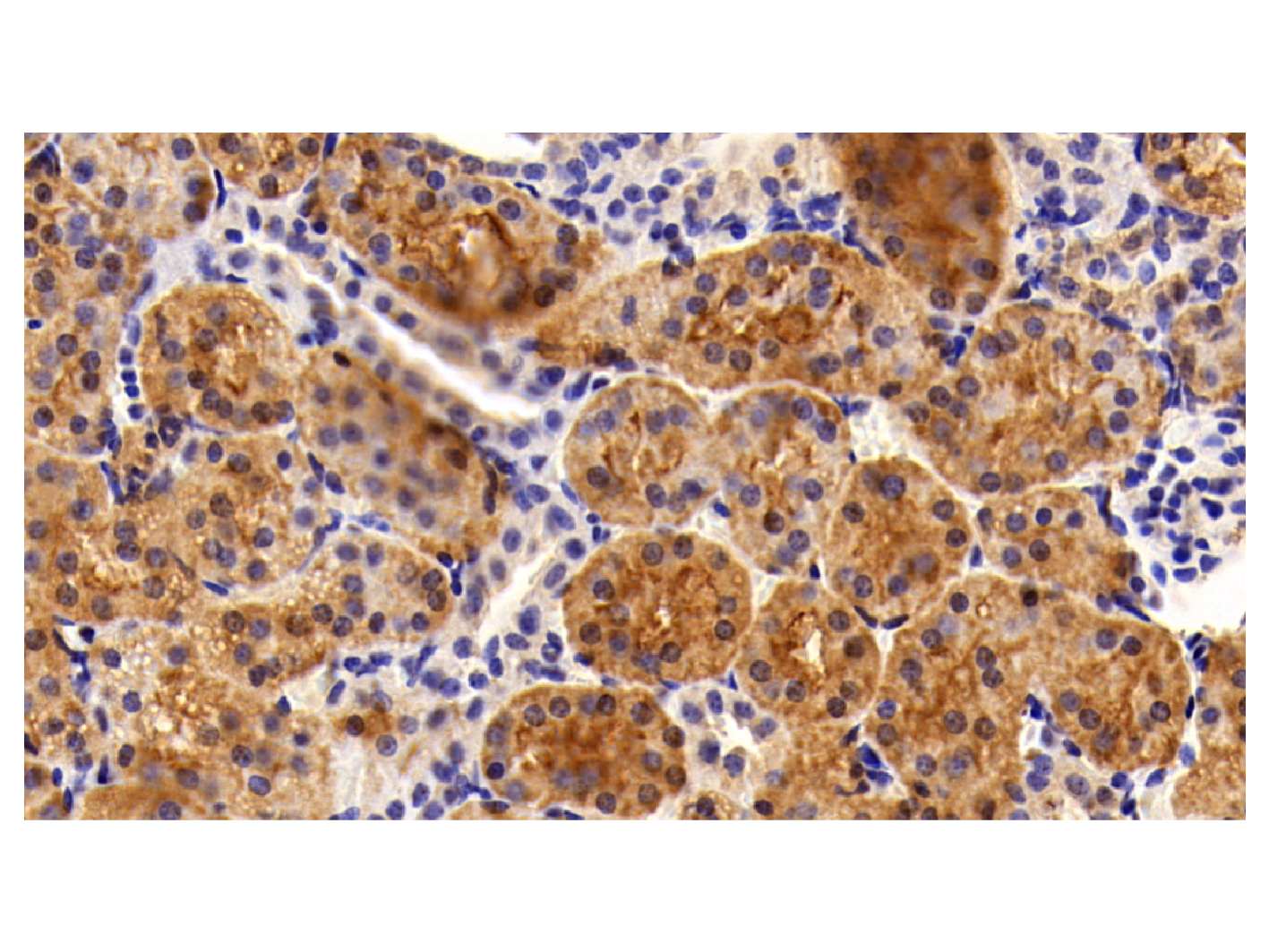
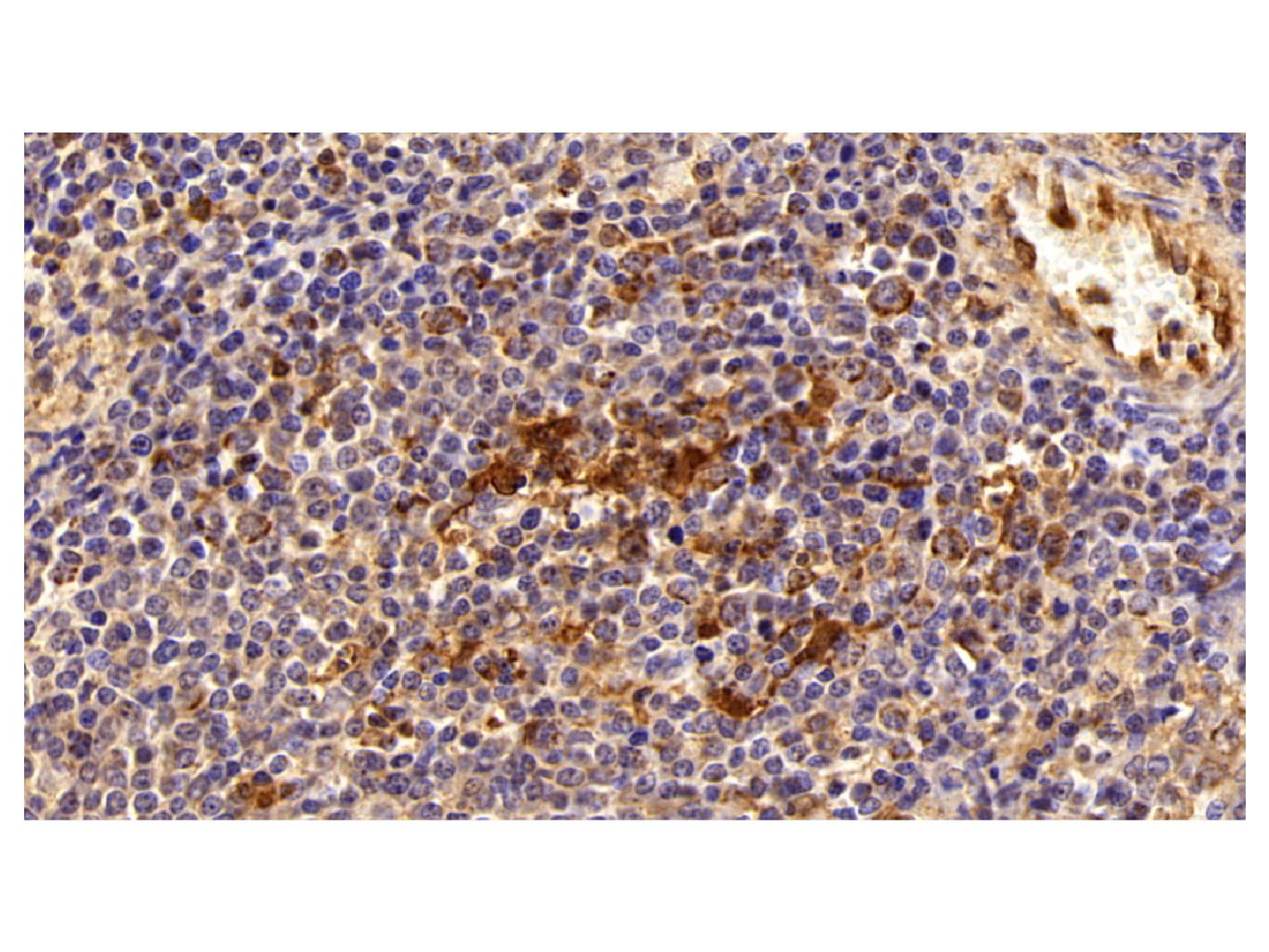
WB: C6, NIH/3T3, Hep G2, A549, HeLa, MCF7 and A431 cell lysates. IHC: Human colorectal cancer, lung cancer, ovarian cancer tissues; Porcine small intestine, kidney and spleen tissues. IHC: MCF7 cells.
Conjugação
Unconjugated
Grau
Azide Free, Carrier Free, ExactAb™, High Performance, Validated
Isótipo
Rabbit IgG
SDS-PAGE
150 kDa
Método de purificação
Antigen affinity purified and Protein A purified
Concentração
See COA
Product Line
Produtos biológicos
Armazenamento e envio
Forma
Liquid
Condições de armazenamento de armazenamento
Store at -20°C,Avoid repeated freezing and thawing
Enviado em
Ice chest + Ice pads
Estabilidade e armazenamento
Store at 4℃ short term (1-2 weeks). Store at -20℃ long term (24 months). Upon receipt, it is recommended to aliquot. Avoid freeze/thaw cycle.
Imagens
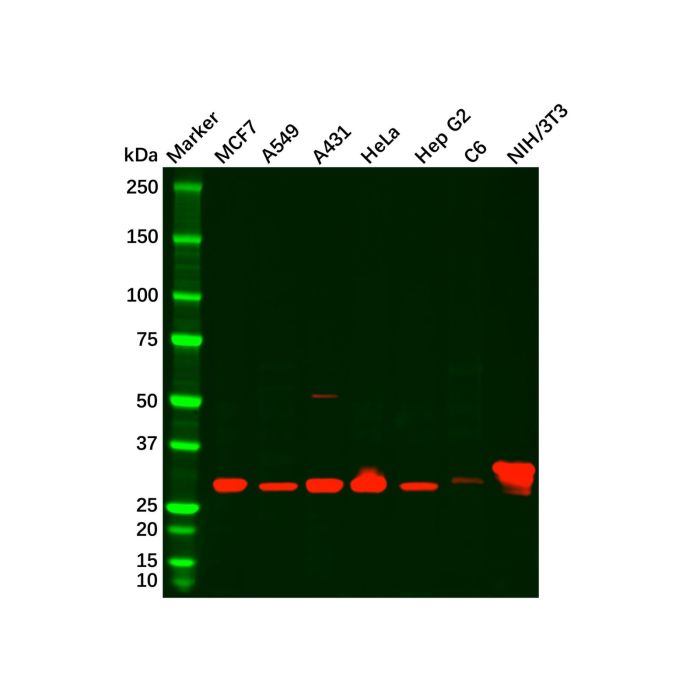
Galectin 3 Antibody (Ab104584) - Western Blot All lanes: Galectin 3 Antibody (Ab104584) at 1/1000 dilution Samples: Lysates at 20 µg per lane Secondary: Goat Anti-Rabbit IgG H&L (HRP) (Ab170144) at 1/20000 dilution
Predicted band size: 28 kDa Observed band size: 29 kDa Exposure time: 0.1 s
Galectin 3 Antibody (Ab104584) - IF FITC staining on IF Samples: Human MCF7 cells Primary Ab: 20 μg/mL Galectin 3 Antibody (Ab104584) Second Ab: 1 μg/ml FITC-Linked Caprine Anti-Rabbit IgG Polyclonal Antibody.
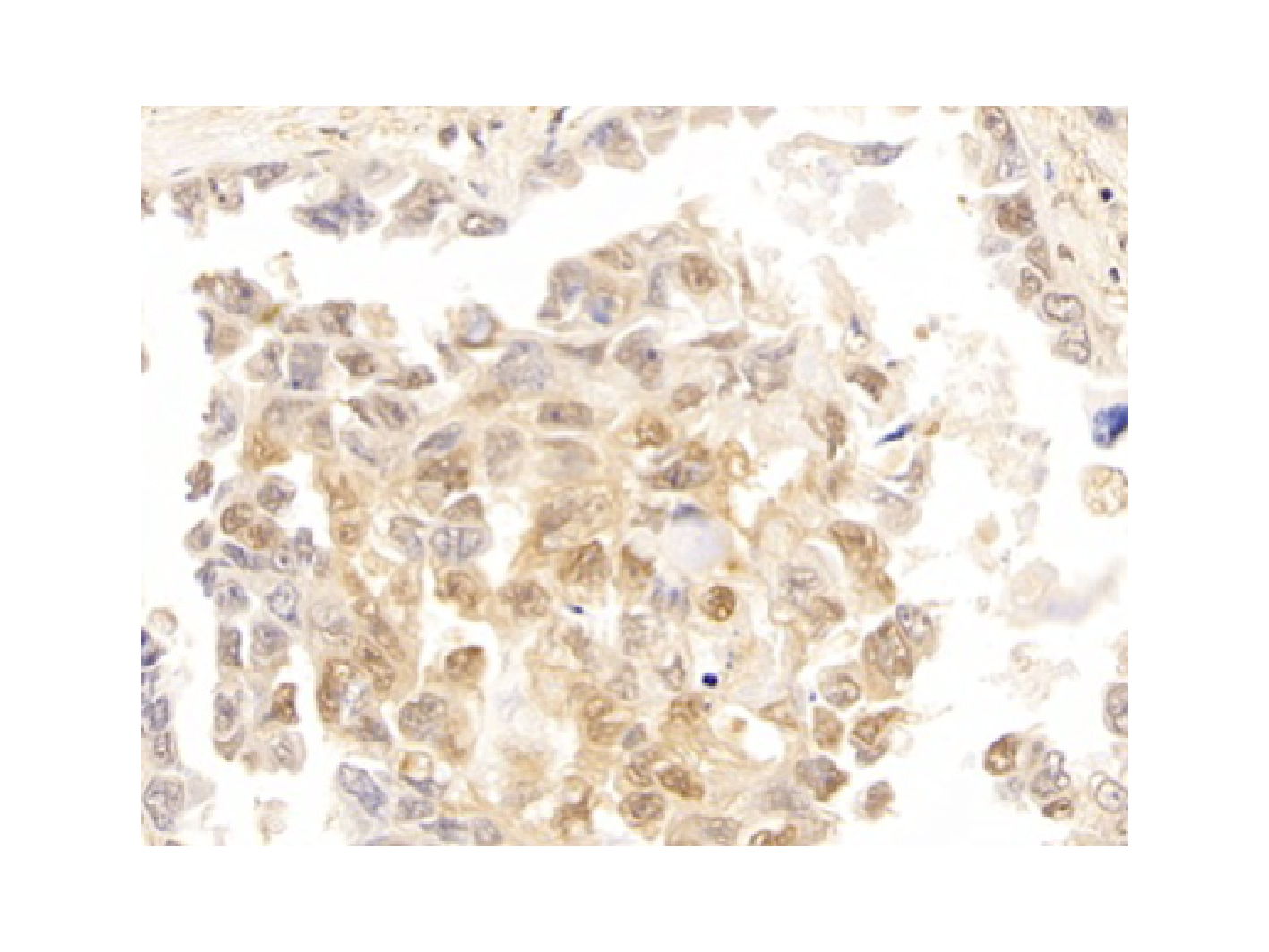
Galectin 3 Antibody (Ab104584) - IHC DAB staining on IHC Samples: Human Colorectal cancer Tissue Primary Ab: 10 μg/mL Galectin 3 Antibody (Ab104584) Second Ab: 2 µg/mL HRP-Linked Caprine Anti-Rabbit IgG Polyclonal Antibody.
Galectin 3 Antibody (Ab104584) - IHC DAB staining on IHC Samples: Human Lung cancer Tissue Primary Ab: 10 µg/mL Galectin 3 Antibody (Ab104584) Second Ab: 2 µg/mL HRP-Linked Caprine Anti-Rabbit IgG Polyclonal Antibody.
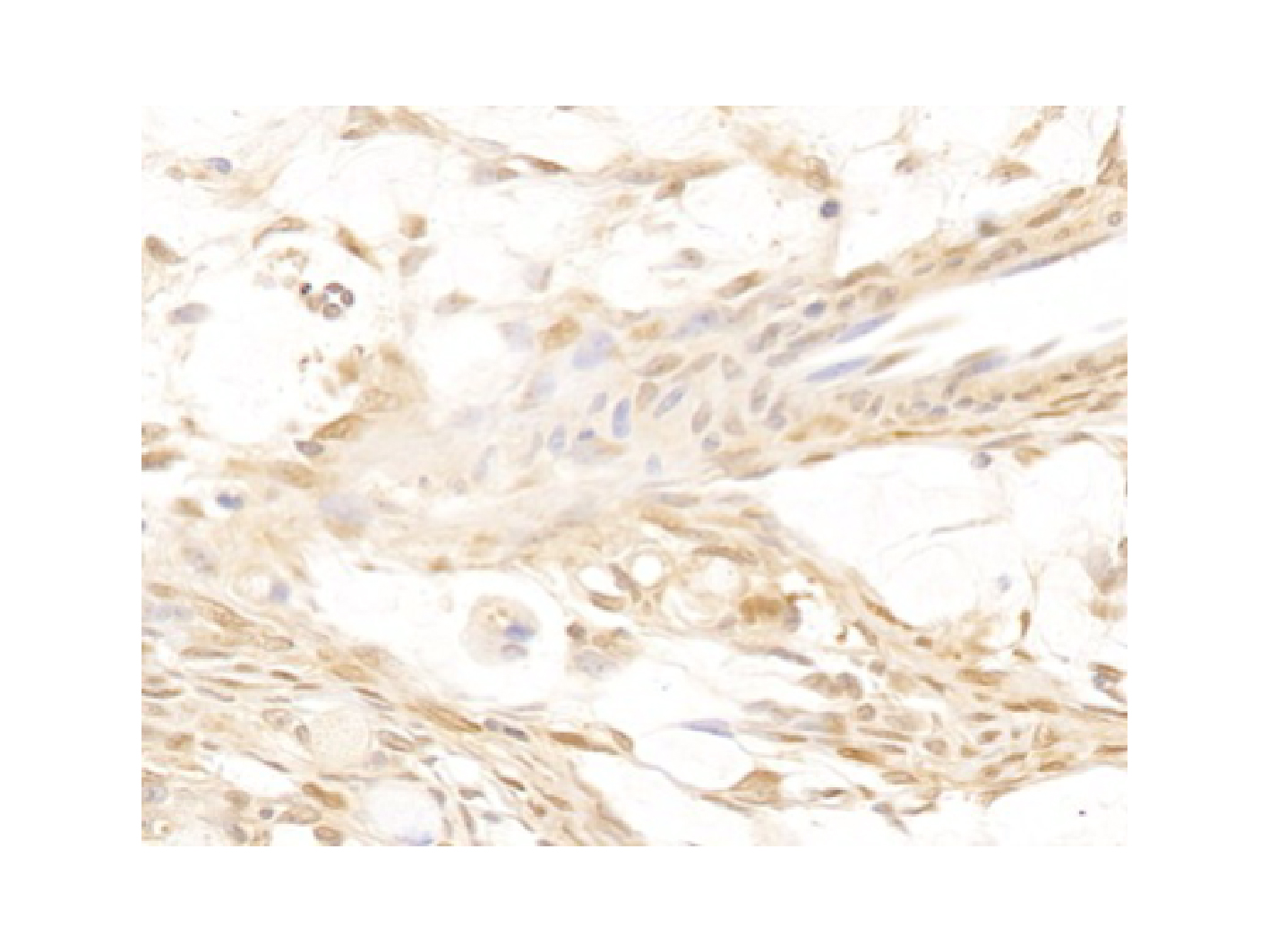
Galectin 3 Antibody (Ab104584) - IHC DAB staining on IHC Samples: Human Ovarian cancer Tissue Primary Ab: 10 µg/mL Galectin 3 Antibody (Ab104584) Second Ab: 2 µg/mL HRP-Linked Caprine Anti-Rabbit IgG Polyclonal Antibody.
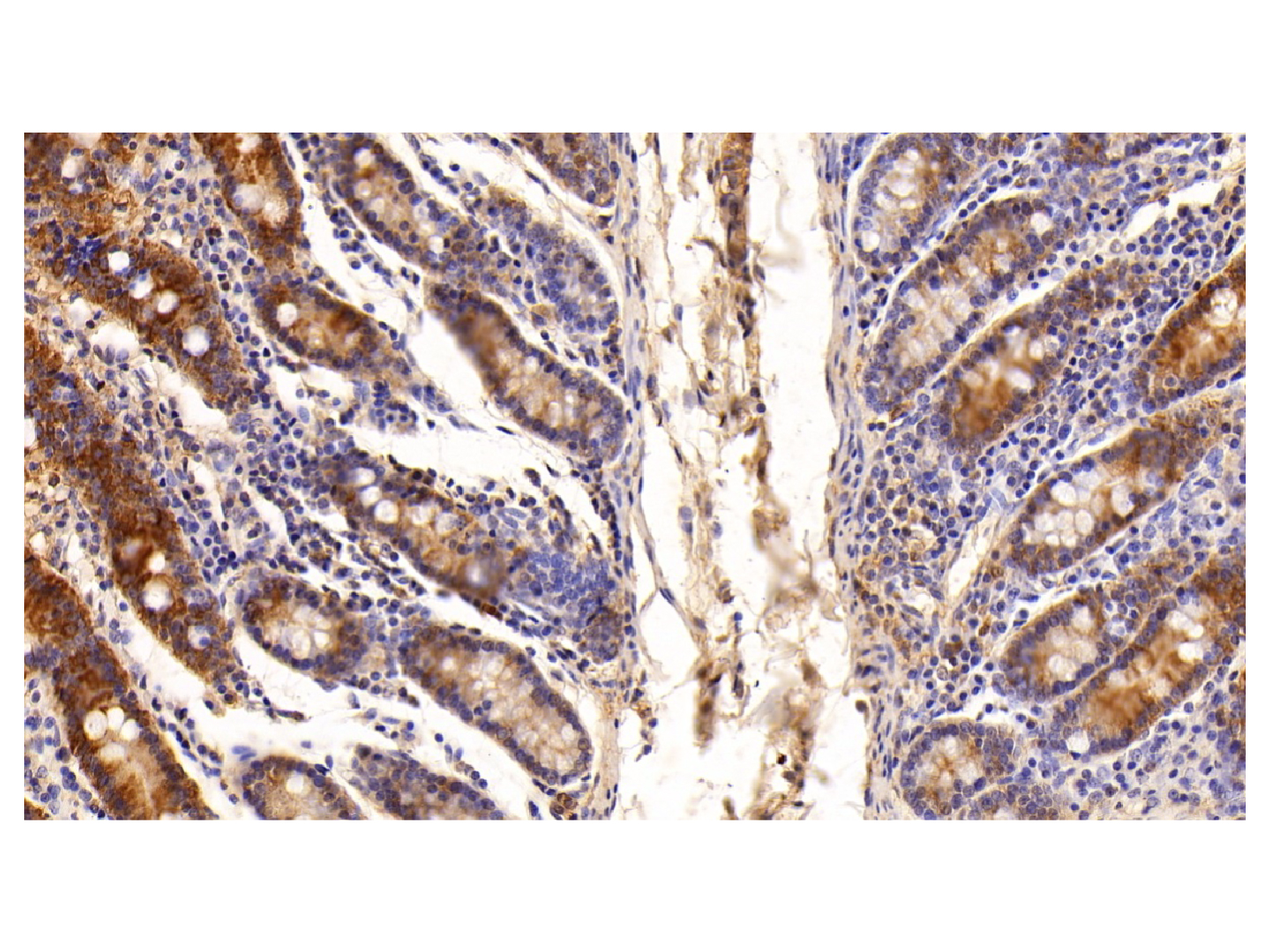
Galectin 3 Antibody (Ab104584) - IHC DAB staining on IHC Sample: Porcine Small intestine Tissue Primary Ab: 10 µg/mL Galectin 3 Antibody (Ab104584) Second Ab: 2 µg/mL HRP-Linked Caprine Anti-Rabbit IgG Polyclonal Antibody.
Determine the necessary mass, volume, or concentration for preparing a solution.
Dilution Calculator
Determine the dilution needed to prepare a stock solution.
Reconstitution Calculator
Revisões
Avaliações dos Clientes
Application Protocols
Tested applications, recommended dilutions, and positive control materials are not provided in the Product Data for this SKU.
Applications (WB, IHC, IF, ELISA, IP, FC) and working dilutions are therefore not specified for this item; refer to the CoA/Spec Sheet.
Users should perform in-house optimization and validation in the intended assay format and matrix.
Biological Roles
Target context (Galectin‑3; literature background, not clinical claims):
Identity: Galectin‑3 (gene LGALS3) is a soluble β‑galactoside–binding lectin with a unique chimeric structure comprising a C‑terminal carbohydrate recognition domain (CRD) and an N‑terminal proline/glycine‑rich region that mediates oligomerization.
Cellular localization: Predominantly cytosolic and nuclear; also secreted and found at the cell surface or extracellular matrix where it binds β‑galactoside–containing glycoconjugates.
Functions: Modulates cell–cell and cell–matrix adhesion, endocytosis, and trafficking; influences apoptosis, autophagy, and inflammasome signaling; participates in fibrosis-related extracellular remodeling; and regulates glycan-dependent receptor clustering and signaling.
Binding partners: β‑galactoside glycans (e.g., N‑acetyllactosamine repeats) on glycoproteins/glycolipids; interacts with diverse receptors through glycan-dependent mechanisms.
Experimental implications: Antibodies to Galectin‑3 are used to map subcellular distribution, quantify expression changes in response to perturbations, and interrogate glycan-mediated interaction networks. Epitope-specific antibodies may differentially recognize oligomeric vs monomeric forms or masked epitopes depending on glycan occupancy.
Note: The biological description above contextualizes the antigen only. It does not assert any diagnostic or therapeutic application for this product. The antibody is for research use only.
Buffer Applications
Antibody reagents are used in a variety of buffered systems. No item-specific buffer formulation is provided for this SKU (Carrier Free, Azide Free); therefore, the following are general, literature-based practices for assay buffers. They are not specifications for this product.
Capture/detection ELISA: Carbonate–bicarbonate coating buffer (pH ~9.6) for plate adsorption; blocking with protein or polymer blockers; sample/detection in PBS or TBS with 0.05% Tween‑20 and 0.1–1% protein blocker.
Western blot: Transfer buffer (e.g., Tris–glycine–methanol), blocking in 5% milk or BSA in TBS‑T, primary incubation in TBS‑T with blocker at 4°C overnight, followed by HRP/AP detection.
IHC/IF: PBS or TBS at pH 7.2–7.6; include permeabilizer (0.1–0.3% Triton X‑100 or saponin) for intracellular targets; add 0.05–0.1% Tween‑20 to reduce nonspecific binding. Optimize antigen retrieval for FFPE as needed (heat-induced, citrate or EDTA buffers).
Flow cytometry: Isotonic PBS with 1–2% serum/albumin and 2–5 mM EDTA to minimize aggregation; maintain 4°C to reduce internalization.
Reminder: Because this SKU is azide‑free and carrier‑free, users can tailor buffers to specific applications (e.g., enzyme conjugation, live-cell work). For exact product composition and any recommended diluents for Ab104584, consult the CoA/Spec Sheet.
Green Alternatives
Environmental and safety considerations for antibody reagents focus on preservative choice, cold-chain logistics, and waste minimization.
Preservative strategy: This SKU is Azide Free, which avoids sodium azide (acute aquatic toxicity and inhibition of heme enzymes). As an alternative, users may employ sterile technique, single-use aliquots, or short-term 2–8°C storage to maintain integrity without hazardous preservatives. Tradeoff: increased aseptic handling demands.
Additive minimization: Carrier Free formulation reduces non-essential components (e.g., BSA, glycerol), lowering bioburden and simplifying downstream purification, with the benefit of reduced interference in green analytical procedures. Tradeoff: potentially less freeze–thaw resilience; mitigate via aliquoting and controlled-rate freezing.
Packaging and cold chain: Consolidate orders and plan shipments to reduce transport emissions. If local SOPs permit, reuse/recycle ice packs and EPS containers.
Small comparison (general):
Sodium azide–preserved vs azide‑free: Azide provides robust antimicrobial protection but poses toxicity and disposal challenges. Azide‑free favors safer waste streams and compatibility with oxidase/peroxidase assays but requires stricter asepsis.
Glycerol‑containing vs glycerol‑free: Glycerol allows −20°C storage without freezing (reduced ice damage) but increases viscosity and adds organic carbon load; glycerol‑free reduces additives and VOC burden but may require −80°C storage for long-term, depending on formulation (not specified here).
Pharmaceutical Uses
This product is designated For research use only and is not intended for diagnostic, therapeutic, or clinical applications.
Non-clinical roles in pharmaceutical R&D and manufacturing (general):
Analytical controls: Reagent antibody for development/qualification of immunoassays (e.g., ligand-binding assays to quantify Galectin‑3 in preclinical matrices), system suitability testing, and platform bridging studies.
Mechanistic studies: Tool for pathway interrogation in cell-based assays assessing glycan-mediated signaling or trafficking influenced by Galectin‑3.
Conjugate development: Carrier‑free, azide‑free format is well-suited to generate antibody conjugates (enzymes, fluorophores, chelators) used as detection reagents in bioanalytical workflows.
Bioprocess monitoring: Reagent for in-process analytics (e.g., ELISA or Western blot) during upstream/downstream development where Galectin‑3 is a CQa of interest in model systems.
Any GMP suitability, pharmacopoeial status, or release testing attributes (e.g., endotoxin limits) are not specified for this item; refer to CoA/Spec Sheet if applicable.
Physical Properties
Item-specific physicochemical specifications are not provided for this antibody preparation.
Appearance: Not specified for this item; refer to CoA/Spec Sheet.
Concentration/formulation: Not specified for this item; refer to CoA/Spec Sheet.
Molecular weight (item-specific): Not specified for this item; refer to CoA/Spec Sheet.
General/literature guidance for antibodies (context only, not item-specific specs):
Typical IgG molecular mass: ~150 kDa (about 50 kDa heavy chains and 25 kDa light chains).
pI range: ~6–9 depending on isotype and glycosylation.
Solubility: Highly soluble in aqueous buffers near neutral pH (e.g., PBS, TBS); sensitive to extremes of pH, high ionic strength, and denaturants.
Stability considerations: Repeated freeze–thaw can denature or aggregate proteins; stabilizers (e.g., glycerol, carriers) can improve freeze–thaw tolerance but may interfere with conjugation or cell-based uses.
Do not interpret any of the above as specifications for SKU Ab104584. For exact values (e.g., concentration, buffer composition, extinction coefficient), consult the CoA/Spec Sheet.
Quality and Grades
Item-specific quality attributes from Product Data:
Grade/Purity: Carrier Free, ExactAb™, Azide Free, Validated, High Performance.
What these designations typically imply (general definitions; not additional specs):
Carrier Free: Formulated without protein carriers (e.g., BSA) or similar additives. Advantages include cleaner backgrounds in assays, reduced risk of interference in conjugation chemistries (NHS ester, maleimide, click), and improved mass-balance accuracy. Tradeoff: potentially greater sensitivity to freeze–thaw and microbial contamination.
Azide Free: No sodium azide preservative. Suited to live-cell applications, peroxidase-based assays, and downstream conjugations where azide would inhibit enzymes or react with coupling reagents. Maintain aseptic technique and consider sterile filtration if appropriate.
ExactAb™: Proprietary quality branding indicating high lot-to-lot consistency and performance verification. Practically, users can expect reproducible titer/affinity behavior across lots; refer to certificate for exact testing metrics.
Validated / High Performance: Each lot is tested against defined application criteria and specificity/affinity benchmarks. The precise test panels and acceptance criteria are not specified here; consult the CoA/Spec Sheet for details.
Not specified for this item; refer to CoA/Spec Sheet:
Host, clonality (mono/polyclonal), isotype/subclass, concentration, affinity/avidity metrics, purity method (e.g., Protein A/G), endotoxin level, and formulation buffer.
Reaction and Applications
Manufacturer application list is not provided in the Product Data for this SKU; therefore, specific tested uses are not stated here. The following are general use cases for Galectin‑3 antibodies (literature/generic guidance, not item-specific claims):
Immunodetection: Western blot (denatured lysates), ELISA (capture/detection), immunocytochemistry/immunofluorescence (cellular localization), immunohistochemistry (FFPE or frozen sections), and flow cytometry (surface or intracellular with permeabilization). Validation in the relevant matrix and species is essential.
Immunoprecipitation/Co‑IP: Enrichment of endogenous Galectin‑3 complexes to study lectin–glycan interactions and binding partners; optimize lysis buffers to preserve carbohydrate-mediated interactions (consider inclusion of lactose or competing sugars in controls).
Neutralization/blocking assays: Antibody may be used to block Galectin‑3 carbohydrate-recognition domain (CRD) in functional assays; epitope and isotype dependence apply.
Conjugation workflows: Carrier‑free, azide‑free format facilitates labeling with enzymes (HRP, AP), fluorophores (NHS esters), chelators (DOTA), oligonucleotides, and solid supports (beads/plates).
Important: Because item-specific validation data are not supplied here, users should perform pilot titrations, include appropriate positive/negative controls, and verify species reactivity and epitope compatibility before scale-up.
Reaction Conditions
No item-specific application conditions are provided for this SKU. The following outlines general conditions for common antibody modifications and uses (literature guidance; verify experimentally):
NHS–ester fluorophore labeling (amines): 10–50 mM phosphate or bicarbonate buffer, pH 7.8–8.5; 2–10 molar equivalents dye per IgG; 30–60 min at RT; quench with Tris or ethanolamine; purify by desalting. Avoid primary amine buffers (e.g., Tris) during coupling.
Maleimide–thiol coupling: Reduce selectively (e.g., mild TCEP 0.25–1 mM) to expose thiols without over-reducing interchain disulfides; react at pH 6.5–7.0 for 30–120 min; remove excess reagent via SEC.
Enzyme conjugation (HRP/AP): Periodate-activate glycoprotein enzyme, then couple to amines on antibody in sodium carbonate buffer pH ~9.0; stabilize with sugars post-conjugation.
Immobilization to NHS-activated beads: Couple in pH 7.4–8.5 buffer (no amines), 1–4 h at RT or overnight at 4°C; block residual actives with ethanolamine.
Immunoassay incubation: Primary antibody incubations often at 4°C overnight or 1–2 h at RT in PBS/TBS with blocker; titrate from low nM to sub-nM depending on assay sensitivity.
Because formulation, concentration, and isotype are not specified for Ab104584, start with conservative conditions, include controls, and re-optimize as needed.
Safety and Handling
Safety classification information is not provided in the Product Data for this item.
GHS/SDS
Signal word: Not specified for this item; refer to CoA/Spec Sheet/SDS.
Hazard statements, pictograms, classification: Not specified for this item; refer to CoA/Spec Sheet/SDS.
General laboratory safety for protein antibodies (guidance only):
PPE: Wear lab coat, nitrile gloves, and safety glasses. Avoid aerosol generation and ingestion.
Handling: Work on ice or at 2–8°C during setup to minimize proteolysis/denaturation. Avoid repeated freeze–thaw; aliquot upon first thaw.
Incompatibilities: Strong oxidants, proteases, extreme pH (<5 or >9), and organic solvents/denaturants can degrade antibodies. Avoid microbial contamination, especially for azide‑free formulations.
First aid (general): If skin/eye contact occurs, rinse with water. If inhaled (aerosols), move to fresh air. If ingested, rinse mouth. Seek medical attention as needed. Defer to SDS for authoritative guidance.
Waste: Dispose of proteinaceous and biologically derived materials per institutional biosafety procedures. If buffers contain preservatives (e.g., azide in other products), follow specific disposal rules; this SKU is azide‑free per Product Data.
Research use only: Not for human or animal therapeutic, diagnostic, or clinical use.
Solvent Selection
This product is an aqueous antibody reagent; selection of organic solvents is not typically applicable.
Ionic strength: 100–200 mM total salt commonly balances solubility and stability; higher salt can reduce nonspecific binding but may promote aggregation in some clones.
Additives (not present in this SKU by design): Carriers (BSA), sugars (trehalose), and polyols (glycerol) can stabilize during storage; however, this item is Carrier Free and Azide Free. Users may add stabilizers post-aliquoting if compatible with downstream applications.
Surfactants: Trace nonionic detergents (e.g., 0.01% Tween‑20) may reduce adsorption to plastics during assay setup; verify assay compatibility.
When to choose this reagent format vs alternatives:
Choose Carrier Free/Azide Free for clean bioconjugation (enzymatic or chemical), live-cell or peroxidase-based assays, or when carriers/preservatives confound analyses.
Consider carrier-containing/preserved formulations (alternative SKUs) when maximal freeze–thaw robustness or long-term refrigerated storage is prioritized over conjugation readiness.
Storage and Reconstitution
Item-specific conditions (from Product Data):
Storage: Store at −20°C. Avoid repeated freezing and thawing.
Shipping: Ice chest + ice pads.
General best practices (guidance; not item-specific specs):
Upon receipt: If frozen, thaw gently on ice. Spin briefly to collect contents. Because the SKU is Carrier Free and Azide Free, immediately aliquot into single-use volumes in sterile, low-protein-binding tubes to minimize freeze–thaw and microbial contamination.
Working buffer: For short-term use, many antibodies are handled in PBS or TBS at pH ~7.2–7.6; if compatible with your downstream application, users may add stabilizers (e.g., 0.1–1% carrier protein, sugars, or 10–50% glycerol) after aliquoting to enhance stability. Do not add sodium azide if the antibody will be used with peroxidase enzymes or live cells.
Storage duration: At −20°C, proteins are generally stable for months; for long-term archiving of carrier-free proteins, −80°C is often preferred. Exact shelf life for Ab104584 is not specified; refer to CoA/Spec Sheet.
Freeze–thaw: Minimize cycles. Avoid frost-free freezers. Consider snap-freezing aliquots in a dry-ice/ethanol bath prior to storage to reduce ice-crystal damage.
Research Use Only: Not for human or animal therapeutic or diagnostic use.
Structure and Identity
High-performance research antibody specific for Galectin-3 (LGALS3).
SKU: Ab104584
Product name: Galectin 3 Antibody
Category: Antibody reagent (research use only)
Item-specific identifiers (from Product Data):
Molecular formula: Not specified for this item; refer to CoA/Spec Sheet.
Molecular weight: Not specified for this item; refer to CoA/Spec Sheet.
SMILES: Not specified for this item; refer to CoA/Spec Sheet.
InChIKey: Not specified for this item; refer to CoA/Spec Sheet.
CAS/CID: Not specified for this item; refer to CoA/Spec Sheet.
Structural features (general antibody architecture; literature):
Typical IgG antibodies are heterotetrameric glycoproteins (~150 kDa) composed of two heavy and two light chains linked by disulfide bonds, with variable domains forming the antigen-binding sites that recognize epitopes on Galectin‑3.
Modular domains: variable (VH/VL) for specificity; constant regions (CH/CL) for structural stability. Glycosylation may be present on the Fc region (isotype-dependent).
2D description in words: Y-shaped protein with two identical Fab arms (antigen binding) and one Fc stem; surface-exposed complementarity-determining regions (CDRs) mediate recognition of Galectin‑3 epitopes.
Notes
Isotype, clonality (mono/polyclonal), host species, sequence, and epitope mapping are not provided in the Product Data and are therefore not specified for this item; refer to CoA/Spec Sheet.
Synthetic Utility
While not a small-molecule building block, an antibody can be a versatile scaffold for bioconjugation and assay construction.
Functional handles (general): Primary amines (lysines, N‑termini), thiols (reduced interchain disulfides or engineered cysteines), carbohydrate moieties on Fc (for periodate oxidation), and carboxylates (Asp/Glu) enable diverse chemistries.
Conjugation chemistries: NHS‑ester or isothiocyanate labeling (amines), maleimide/haloacetyl (thiols), click chemistry (azide–alkyne CuAAC or SPAAC; note this SKU is azide‑free, simplifying alkyne-first strategies), oxime/hydrazone formation (aldehyde‑functional glycans), enzymatic tagging (sortase A, transglutaminase, glycan remodeling with EndoS2/GalT).
Solid-phase immobilization: Passive adsorption to polystyrene (ELISA plates), covalent coupling to activated matrices (NHS-activated agarose, epoxy/magnetic beads) to construct affinity resins for immunoprecipitation or target capture.
Architectural control: Site‑specific methods (e.g., engineered cysteines, Fc glycan oxidation at N297, enzymatic tags) improve homogeneity and preserve antigen-binding.
Item-specific features such as isotype, glycan profile, and engineered tags are not specified for this SKU; select conjugation strategies compatible with unknowns (e.g., mild pH 7.4 NHS labeling, low equivalents to preserve activity) and validate binding post-modification.
Target Specificity
Item-specific information from Product Data:
Target name: Galectin 3 (LGALS3)
Not specified for this item; refer to CoA/Spec Sheet:
Epitope/region recognized (e.g., CRD vs N‑terminal domain)
Species reactivity (human, mouse, rat, etc.)
Host species and clonality (monoclonal/polyclonal)
Isotype/subclass, light chain type
Cross-reactivity and blocking/neutralizing capacity
Notes
Galectin‑3 is a β‑galactoside–binding lectin. Epitope location can affect recognition of oligomeric vs monomeric states and sensitivity to glycan masking; verify epitope compatibility with your assay system.
Perguntas frequentes
What does Carrier Free mean?
Carrier Free indicates that the material has been processed and tested for specialty industrial processing. Specifications focus on the impurities that affect performance in that application — for example, metal content for electronics, particle size for batteries, refractive index for optics, or moisture content for moisture-sensitive processes.
How should this product be stored?
Store at ?20 °C. Avoid repeated freeze–thaw cycles. Aliquot into single-use volumes before freezing.
How is this product shipped?
This product ships in an insulated container with ice pads. Unpack on arrival and transfer it to the storage condition stated above.
What documentation is provided?
Available product documentation, including Certificates of Analysis (COA), Safety Data Sheets (SDS), and specification sheets, is shown in the product document area. Document availability and access follow the current site policy.
Which species reactivity has this antibody been validated against?
Validated reactivity is listed on the PDP and on each lot's datasheet. We validate against the most commonly tested species for the target (Galectin 3 Antibody); cross-reactivity in untested species may exist but is not guaranteed. Contact technical support for specific species inquiries.
What does ExactAb? mean?
ExactAb? indicates the product has been validated for use in rigorous antibody validation workflows. Validation may include positive/negative control samples, signal-to-noise testing, and protocol-specific QC. Lot-specific test data is published on the Certificate of Analysis where available.
Precisa de ajuda para escolher o grau?
O nosso guia de seleção de graus abrange pureza, estado do estabilizador e adequação à aplicação para todas as variantes do nosso catálogo.
Usamos cookies para garantir o funcionamento adequado do site e, quando permitido, para melhorar a sua experiência. Você pode gerenciar suas preferências a qualquer momento nas Configurações. Saiba mais em nossa Política de Cookies.
Deseja que lhe enviemos uma mensagem quando tivermos descontos disponíveis?
Lembrar-me mais tarde
Obrigado! Por favor, verifique a sua caixa de entrada de e-mail para confirmar.
Products are supplied to verified businesses, institutions, and qualified professionals for research and development use only. Not for use in humans, animals, diagnosis, or therapy.



 ZJ24F0911306
