CALIDAD & PUREZAMoligand™?Moligand™ — Aladdin's line of ligands and bioactive small molecules. Use for receptor, pathway, and binding studies needing defined small-molecule tools.≥98%
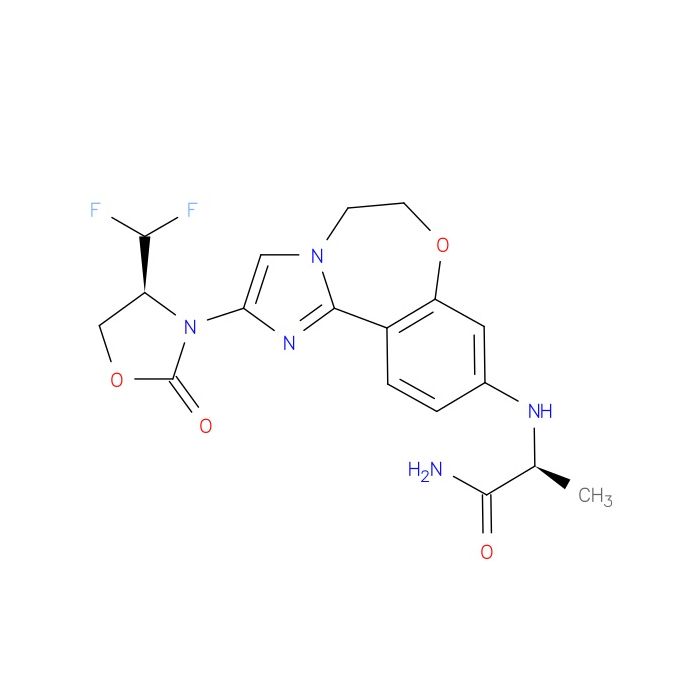
This compound belongs to the class of organic compounds known as secondary alkylarylamines. These are secondary alkylarylamines with the general formula HN(R)R' (R = alkyl, R' = aryl).
External Descriptors
Not available
1. Djoumbou Feunang Y, Eisner R, Knox C, Chepelev L, Hastings J, Owen G, Fahy E, Steinbeck C, Subramanian S, Bolton E, Greiner R, and Wishart DS. ClassyFire: Automated Chemical Classification With A Comprehensive, Computable Taxonomy. Journal of Cheminformatics, 2016, 8:61.
Determine the necessary mass, volume, or concentration for preparing a solution.
Dilution Calculator
Determine the dilution needed to prepare a stock solution.
Reconstitution Calculator
Reseñas
Reseñas de cliente
Application Protocols
No vendor-validated protocols are provided for this SKU.
General starting points (guidance; optimize per assay)
Enzyme inhibition assays: Prepare serial dilutions from a DMSO stock; maintain constant DMSO percentage across wells. Include positive/negative controls and determine IC50 via 4-parameter logistic fitting.
Cell-based studies: Titrate over a broad range (e.g., 0.1 nM to 10 µM) to map response curves. Monitor pathway markers (e.g., p-AKT) by Western blot or phospho-ELISA after appropriate incubation (typically 0.5–4 h for acute signaling effects).
Thermal shift/DSF: Mix protein with SYPRO dye and compound across a concentration series; track Tm shifts to assess binding.
SPR/BLI: Use low DMSO mismatch conditions; verify compound stability and minimize non-specific binding.
Important
These are literature-style starting points only. Establish assay-specific conditions (buffers, incubation times, temperatures, detection methods) empirically. Consult the SDS and CoA for handling details.
Biological Roles
General literature context (no clinical claims)
Pathway focus: GDC-0077 is reported as a chemical tool directed at the PI3K/AKT/mTOR signaling axis, a central regulator of cell growth, metabolism, and survival.
Isoform selectivity (literature): Used to interrogate PI3Kα-dependent signaling events. Comparative profiling versus PI3Kβ/δ/γ can elucidate isoform-specific biology and compensatory mechanisms.
Cellular readouts: Phosphorylation states of AKT (Ser473/Thr308), PRAS40, S6K, and 4E-BP1 are commonly monitored to quantify downstream pathway modulation.
Systems biology: Perturbation of PI3Kα can reveal feedback loops with RTKs, MAPK signaling, and metabolic rewiring (e.g., glucose uptake and glycolysis), providing mechanistic insights in oncology and metabolic research models.
Chemical probe best practices: Validate on-target effects using rescue experiments (e.g., PIK3CA-mutant versus wild-type models), genetic knockdown/knockout, or orthogonal chemical probes to confirm specificity of observed phenotypes.
Caveats
Biological potency and selectivity are assay- and context-dependent. Users should determine activity profiles under their exact conditions and avoid extrapolating literature potencies to new systems without verification.
Buffer Applications
Not typically applicable. GDC-0077 is a bioactive small molecule rather than a buffering agent.
Practical note
For aqueous work, prepare stock solutions in DMSO and dilute into your chosen biological buffer (e.g., PBS, HEPES-buffered saline, serum-containing media) keeping final organic solvent content low and consistent across controls. Confirm compound stability and precipitation risk in the specific buffer system used.
Green Alternatives
Context: Although GDC-0077 itself is the active research material (no direct “green alternative” to the molecule), solvent and workflow choices can be optimized to reduce environmental impact while maintaining data quality.
Greener handling strategies (general guidance)
Prefer aqueous-compatible delivery: When feasible, dilute DMSO stocks into buffered saline with minimal organic cosolvent (≤0.1–0.5% v/v) to lower VOC use.
Choose greener solvents for cleaning and preparative steps: Replace chlorinated solvents with ethanol or isopropanol for benchtop cleaning and glassware pre-rinses when compatible.
Right-size aliquots: Prepare small, single-use aliquots to avoid discard of aged solutions and reduce repeated freeze–thaw cycles.
Waste minimization: Consolidate DMSO/organic waste streams and label for energy-efficient disposal; avoid unnecessary evaporation steps.
DMF/NMP: Higher regulatory scrutiny and worker exposure concerns; reserve for cases where DMSO solubility is inadequate.
Note: Always prioritize assay fidelity; verify that any greener adjustment does not compromise compound stability or target engagement.
Pharmaceutical Uses
This product is sold strictly for research use only.
Research/manufacturing context (no therapeutic claims)
Reference standard/control: Suitable as a reference material in non-clinical discovery workflows, including analytical method development (e.g., LC–MS retention benchmarks) and in vitro assay controls.
Formulation screening (preclinical research): Can be used to explore enabling formulations (e.g., cosolvents, lipidic systems, cyclodextrins) for improved solubility and stability in model systems. Any formulation data should be generated de novo and is not provided with this SKU.
Compatibility checks: Evaluate adsorption to plastics, stability in common excipients, and light/moisture sensitivity as part of pre-formulation studies.
Regulatory note
Not an API, not GMP-produced, and not accompanied by pharmacopeial monographs. For any GLP/GMP contexts, users must independently qualify the material and verify suitability.
Physical Properties
Item-specific specifications
Appearance: Not specified for this item; refer to CoA/Spec Sheet.
Molecular weight (spec): Not specified for this item; refer to CoA/Spec Sheet.
Molecular formula (spec): Not specified for this item; refer to CoA/Spec Sheet.
Melting point / boiling point / density / refractive index / pKa / logP / UV cutoff / water or peroxide content: Not specified for this item; refer to CoA/Spec Sheet.
Literature/general expectations for PI3K-class small molecules (not lot specifications)
Physical state: Typically isolated as a solid (often crystalline or amorphous) at ambient temperature.
Solubility profile: Frequently soluble in high-polarity aprotic organics (e.g., DMSO, DMF) and sparingly soluble in aqueous buffers unless formulated with cosolvents or cyclodextrins. Always confirm with lot-specific data.
Stability: Many kinase inhibitors are chemically stable under inert, dry, cold storage; sensitivity to moisture, light, or oxidation varies by scaffold and must be verified for GDC-0077 from the item CoA/SDS.
Important note
Where precise numeric values are required for method validation or regulatory documentation, consult the Certificate of Analysis (CoA) or Specification Sheet for this SKU. Do not rely on generalized literature ranges for experimental setup or QC acceptance criteria.
Quality and Grades
Item-specific information
Grade/Purity: Moligand™ (Aladdin Scientific library-grade small-molecule ligand standard intended for research screening, assay development, and reference purposes).
Stabilizers/Inhibitors: Not specified for this item; refer to CoA/Spec Sheet.
What Moligand™ signifies
Intended use: Research-only applications such as biochemical/biophysical assays, target engagement studies, cellular pathway interrogation, and profiling. Not for human or animal therapeutic, diagnostic, or food use.
Identity & purity control: Lots are qualified by analytical methods appropriate for small-molecule reference standards (e.g., LC/MS, NMR, HPLC). Exact acceptance criteria and numeric purity are provided on the CoA for each lot.
Performance suitability: Emphasis on batch-to-batch consistency for screening libraries and medicinal chemistry workflows. Low non-volatile residue and controlled impurity profiles support reproducible assay readouts.
How this differs from generic grades
Unlike commodity reagent grades, Moligand™ prioritizes analytical characterization relevant to bioactivity studies (identity confirmation, potency-preserving handling, and packaging under inert conditions when appropriate).
Documentation
For method validation, release testing, or cross-lab comparability, reference the lot-specific CoA/Spec Sheet for numerical purity, residual solvents, and any stabilizer information.
Reaction and Applications
Scope of use: As a Moligand™ bioactive small molecule, GDC-0077 is intended for chemical biology and assay applications rather than as a synthetic reagent.
Research applications (general; expand-on-manufacturer intent)
Target engagement studies: Evaluate binding to PI3K pathway components using biochemical assays (e.g., enzyme inhibition, thermal shift, SPR) and cellular readouts (e.g., p-AKT levels by Western blot).
Selectivity profiling: Cross-screen against class I PI3K isoforms and off-target kinases to build a selectivity map; useful in SAR and phenotypic deconvolution.
Mechanistic pathway interrogation: Modulate PI3K/AKT/mTOR signaling to probe feedback loops, resistance mechanisms, and combination effects with orthogonal pathway modulators.
Chemical probe benchmarking: Use as a comparator/control in studies employing orthogonal PI3Kα inhibitors to validate on-target phenotypes.
Practical considerations
Solution handling: Prepare fresh DMSO stocks or use single-use aliquots to minimize degradation and adsorption losses.
Assay design: Include vehicle controls for DMSO content and time-matched treatments; titrate over multiple logs to determine IC50/EC50 relationships (values are assay-dependent; consult literature and determine in-house).
Data integrity: Confirm compound identity/purity by LC–MS before critical studies, especially after prolonged storage or multiple freeze–thaw cycles.
Reaction Conditions
This section is minimally applicable because GDC-0077 is supplied as a finished bioactive small molecule, not a reagent for chemical transformations.
General laboratory conditions for use in assays (guidance, not specifications)
Stock preparation: Dissolve in anhydrous DMSO to a convenient concentration (e.g., 10–20 mM). Vortex and, if necessary, sonicate briefly. Filter through 0.2 µm PTFE if particulates remain.
Working solutions: Dilute into pre-equilibrated assay buffer/media to reach the desired final concentration while keeping DMSO low (≤0.1–1% v/v). Mix thoroughly to avoid local supersaturation.
Temperature/light: Prepare and handle solutions at room temperature unless assay dictates otherwise. Protect from strong light if photolability is suspected.
Stability checks: Monitor by LC–MS over the course of the assay to ensure no significant degradation or adsorption losses.
For users performing custom chemistry on GDC-0077 (e.g., tagging/immobilization), consult primary literature for functional group compatibility and use mild conditions that preserve the kinase-binding pharmacophore.
Safety and Handling
Authoritative safety information resides in the product SDS. The following summarizes available item data and general best practices.
Item-specific hazard information
GHS Classification: Not specified for this item; refer to SDS.
Signal Word: Not specified for this item; refer to SDS.
Hazard (H) statements: Not specified for this item; refer to SDS.
Pictograms: Not specified for this item; refer to SDS.
General guidance for research-only small molecules
PPE: Laboratory coat, nitrile gloves, and safety glasses as a minimum. Use a certified chemical fume hood when weighing, dissolving, or aliquoting powders/solutions.
Avoid exposure: Prevent inhalation of dust or aerosols and skin/eye contact. Handle solutions in closed containers; wipe spills promptly with compatible absorbents.
First aid (overview): If inhaled, move to fresh air; if on skin, wash with soap and water; if in eyes, rinse cautiously with water for several minutes; if ingested, rinse mouth. Seek medical attention according to SDS guidance.
Storage incompatibilities: Keep away from strong oxidizers and acids/bases unless compatibility is documented. Protect from moisture and prolonged light.
Special risks: Bioactive kinase inhibitors can have potent cellular activity at low concentrations—minimize exposure and avoid environmental release. Dispose of waste as hazardous organic chemical according to institutional and local regulations.
Always consult the current SDS before first use and train personnel accordingly.
Solvent Selection
Applicability: GDC-0077 is a bioactive, hydrophobic small molecule per literature precedents for PI3K inhibitors. Solvent choice should prioritize solubility, chemical stability, and assay compatibility.
General guidance (literature/experience-based; not a specification)
Primary stock solvent: DMSO is commonly used to prepare concentrated stocks (e.g., 10–20 mM) for kinase-class inhibitors due to strong solvating power and broad assay compatibility.
Co-solvent systems for aqueous assays: Dilute DMSO stocks into buffers to a final DMSO fraction typically ≤0.1–1% v/v to minimize cell or enzyme perturbation; confirm tolerance for your assay format.
Alternative solvents: DMF or NMP can dissolve highly lipophilic scaffolds; ethanol or isopropanol may be suitable for some applications when DMSO is undesirable. Verify solubility and stability experimentally.
Surfactant-assisted delivery: For challenging aqueous formulations, consider Pluronic/F127, Tween-80, or cyclodextrin inclusion complexes. Validate that excipients do not interfere with readouts.
Polarity/miscibility context (general)
DMSO: Highly polar aprotic, fully miscible with water and organics; excellent for small-volume aliquots and serial dilutions.
Ethanol/IPA: Protic, water-miscible; can influence protein stability—test controls accordingly.
Practical tips
Filter stock solutions (0.2 µm PTFE) to remove particulates if needed.
Record solvent lot, concentration, and freeze–thaw cycles to ensure assay reproducibility.
Storage and Reconstitution
Item-specific storage & shipping
Storage Conditions: Store at −20°C, Argon charged (per Product Data). Keep container tightly closed in a dry, inert atmosphere.
Shipped In: Ice chest + ice pads.
Appearance: Not specified for this item; refer to CoA/Spec Sheet.
Reconstitution and handling (general guidance; not specifications)
Solvent for stocks: Use anhydrous DMSO to prepare concentrated stock solutions. Record the exact concentration and solvent lot.
Aliquoting: Dispense into small, single-use aliquots in inert vials (amber recommended) to minimize headspace oxygen/moisture and freeze–thaw cycles.
Working solutions: Prepare immediately before use by diluting the DMSO stock into buffer or media; mix thoroughly to avoid precipitation.
Freeze–thaw: Avoid repeated cycles. If necessary, limit to ≤3 cycles and monitor by LC–MS for degradation.
Stability: Lot-specific solution/solid stability is not provided; verify empirically and consult the CoA/SDS for any additional constraints.
Disposal
Dispose of unused material and solutions as hazardous organic chemical waste following institutional and local regulations.
Research use note
For research use only. Not for human or animal therapeutic use.
Structure and Identity
Brief overview: GDC-0077 (also known in the literature as a PI3Kα-selective small-molecule inhibitor) is supplied as a research-only small molecule in our Moligand™ collection.
Item-specific facts (from Product Data)
SKU: G419993
Product Name: GDC-0077
CAS: 2060571-02-8
PubChem CID: 124173720
InChIKey (as provided): 335115 (vendor record). Full standardized InChIKey: Not specified for this item; refer to CoA/Spec Sheet.
SMILES: Not specified for this item; refer to CoA/Spec Sheet.
Molecular formula: Not specified for this item; refer to CoA/Spec Sheet.
Molecular weight: Not specified for this item; refer to CoA/Spec Sheet.
Literature/structural notes (general)
GDC-0077 is reported in the literature as a phosphoinositide 3-kinase alpha (PI3Kα) pathway inhibitor used in chemical biology and signaling studies.
Typical structural motifs for PI3K-class inhibitors include heteroaromatic cores and H-bonding functionality designed to engage the ATP-binding pocket; consult primary literature for the definitive atom connectivity of GDC-0077.
2D structural description (general, literature)
Reported as a compact, heteroatom-containing aromatic scaffold tailored for kinase hinge binding, with substituents that tune PI3Kα selectivity. Exact ring systems and stereochemistry should be verified against the CoA/SDS and primary references for this specific lot.
Synthetic Utility
Not a primary synthetic building block. As a fully elaborated, bioactive small molecule, GDC-0077 is generally used as a tool compound rather than a reagent.
When synthetic considerations are relevant (general)
Analytical characterization: If users derivatize or label GDC-0077 for mechanistic or imaging studies, orthogonal analytics (LC–MS/MS, NMR, HRMS) should confirm integrity and substitution sites.
Probe derivatization: Creation of photoaffinity or biotin-tagged analogs may require linker installation on solvent-exposed positions identified by structure–activity data (consult literature on GDC-0077 SAR). Maintain the hinge-binding pharmacophore.
Metabolite synthesis: For DMPK studies, oxidative or dealkylated metabolites can be generated synthetically or via preparative microsomal incubations; compare to in vitro metabolite profiles by LC–HRMS.
Note: Exact functional groups and derivatization handles for GDC-0077 must be confirmed from primary structural references and are not specified in this listing.
Target Specificity
Item-specific test data are not provided in this listing.
From literature (general context; not vendor-verified data)
GDC-0077 is described as a PI3Kα-focused small-molecule inhibitor used to interrogate the PI3K/AKT pathway. Selectivity versus other class I PI3K isoforms and kinases should be experimentally confirmed under your assay conditions.
Vendor note
Any numeric potency/selectivity values, off-target panels, or cell-based activity data are not specified for this item; refer to peer-reviewed publications and generate in-house confirmation for your application.
Preguntas frecuentes
What is the purity of this product?
This product is supplied at ≥98% purity (chemical assay). Lot-specific values are stated on the Certificate of Analysis.
What is Moligand??
Moligand? is one of Aladdin Scientific's premium product lines, formulated for high-purity applications across multiple workflows. Compared to standard grades in the same workflow, Moligand? products typically offer tighter specifications, more rigorous QC, and stronger lot-to-lot consistency.
How should this product be stored?
Store at ?20 °C under argon. It is supplied under an argon blanket; reseal under inert gas after each use.
How is this product shipped?
This product ships in an insulated container with ice pads. Unpack on arrival and transfer it to the storage condition stated above.
What are the CAS number, molecular formula and molecular weight?
The CAS Number is 2060571-02-8, the molecular formula is C18H19F2N5O4, and the molecular weight is 407.37 g/mol. InChIKey SGEUNORSOZVTOL-CABZTGNLSA-N.
What documentation is provided?
Available product documentation, including Certificates of Analysis (COA), Safety Data Sheets (SDS), and specification sheets, is shown in the product document area. Document availability and access follow the current site policy.
¿Necesita ayuda para elegir la calidad?
Nuestra guía de selección de calidades cubre la pureza, el estado del estabilizador y la idoneidad de la aplicación para todas las variantes de nuestro catálogo.
Utilizamos cookies para garantizar el correcto funcionamiento del sitio web y, cuando esté permitido, para mejorar su experiencia. Puede gestionar sus preferencias en cualquier momento en Configuración. Más información en nuestra Política de Cookies.
¿Quieres que te enviemos un mensaje cuando tengamos descuentos disponibles?
Recordármelo más tarde
¡Gracias! Por favor, revisa tu bandeja de entrada de correo electrónico para confirmar.
Products are supplied to verified businesses, institutions, and qualified professionals for research and development use only. Not for use in humans, animals, diagnosis, or therapy.

 E2626416