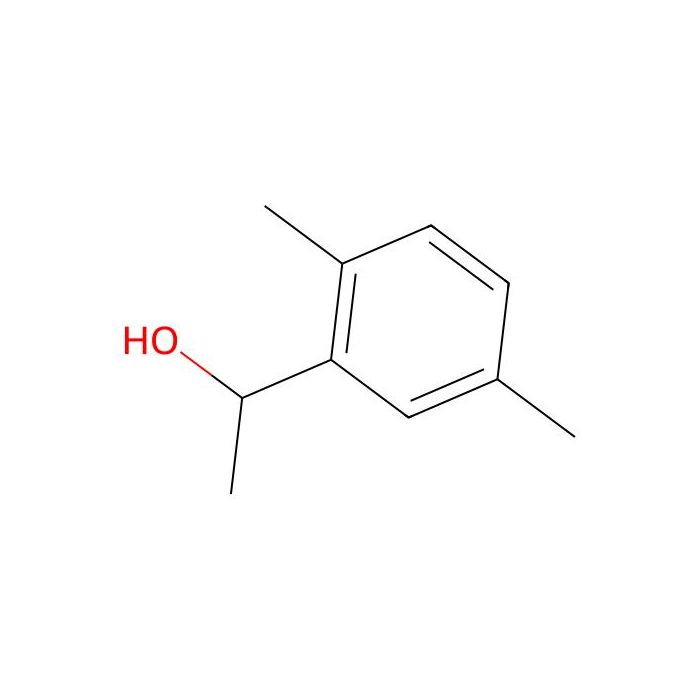
This compound belongs to the class of organic compounds known as p-xylenes. These are aromatic compounds that contain a p-xylene moiety, which is a monocyclic benzene carrying exactly two methyl groups at the 1- and 4-positions.
External Descriptors
Not available
1. Djoumbou Feunang Y, Eisner R, Knox C, Chepelev L, Hastings J, Owen G, Fahy E, Steinbeck C, Subramanian S, Bolton E, Greiner R, and Wishart DS. ClassyFire: Automated Chemical Classification With A Comprehensive, Computable Taxonomy. Journal of Cheminformatics, 2016, 8:61.
Determine the necessary mass, volume, or concentration for preparing a solution.
Dilution Calculator
Determine the dilution needed to prepare a stock solution.
Reconstitution Calculator
리뷰
고객 리뷰
Application Protocols
No application protocols (e.g., WB, IHC, IF, FC) apply to this small-molecule reagent. For synthetic procedures, refer to the Reaction Conditions and Synthetic Utility sections for general laboratory guidance. If you require an SOP for a specific transformation (oxidation, dehydration, esterification), adapt standard literature protocols to your scale and consult the compound’s CoA/SDS.
Biological Roles
This compound is a small-molecule benzylic alcohol used predominantly as a synthetic intermediate. It is not a biological buffer, enzyme cofactor, or biomolecule. No biological role is assigned in the Product Data.
General context (literature):
Benzylic alcohols can appear as motifs in natural products and xenobiotics; however, 1-(2,5-dimethylphenyl)ethanol is a synthetic aryl alcohol without a known endogenous role.
Metabolic considerations (theoretical): If exposed biologically, oxidative metabolism would likely proceed via alcohol dehydrogenase to the corresponding ketone (2,5-dimethylacetophenone), then further to benzylic acids or undergo ring hydroxylation—paralleling generic aryl-alkyl metabolism. Such information is offered solely for chemical context and does not imply suitability for biological use.
Research Use Note: For research use only. Not for human or veterinary use, clinical diagnostics, or household applications.
Buffer Applications
This product is not a buffering agent and is not typically used to prepare aqueous buffer systems. It has low water solubility and lacks acid/base pairs appropriate for physiological buffering.
Practical guidance:
If aqueous handling is required (e.g., biocatalysis), employ co-solvents (e.g., ≤10–30% v/v MeCN, EtOH, 2-propanol) or emulsions to solubilize the substrate in the chosen buffer. Optimize pH to protect enzyme stability and minimize benzylic oxidation or dehydration.
For buffer selection in reactions involving this compound (e.g., biotransformations), consult enzyme supplier recommendations rather than generic buffer recipes.
Green Alternatives
While this product is a reagent/substrate rather than a bulk solvent, greener choices can be made in transformations involving 1-(2,5-dimethylphenyl)ethanol.
Prefer ethyl acetate, 2-MeTHF, or cyclopentyl methyl ether (CPME) over dichloromethane or DMF when reaction chemistry permits. MeCN is a practical compromise for many oxidations with better environmental profile than chlorinated solvents.
Greener oxidation and activation strategies:
Oxidation to ketone: Catalytic TEMPO with aqueous bleach (NaOCl) or O2, or catalytic IBX variants in safer solvents, can replace stoichiometric chromium(VI) reagents. Electrochemical or photoredox oxidations may also offer waste reduction.
Esterification/activation: Use carbodiimide-free coupling (e.g., CDI, isourea-based activators) or biocatalytic acylation (lipases) in green solvents.
Dehydration to alkene: Employ solid acids (Amberlyst-15, zeolites) under flow or batch to minimize corrosive mineral acid use and simplify workup.
Comparative overview (general):
DCM vs EtOAc: EtOAc offers lower toxicity and easier disposal; however, DCM can give cleaner separations and lower-temperature control. Evaluate mass intensity and EHS scores.
Chromium oxidants vs TEMPO/bleach: Significant reduction in toxic metal waste with catalytic TEMPO; manage halogenated effluent appropriately.
Mineral acids vs solid acids: Solid acids reduce aqueous acidic waste and can be regenerated; may require higher temperatures or longer contact times.
Adopt in-process metrics (E-factor, PMI) and solvent-selection guides (e.g., CHEM21, GSK) to balance performance, safety, and sustainability for your specific transformation.
Pharmaceutical Uses
No pharmacopeial or excipient status is provided for this item. It is offered for research and laboratory synthesis, not for formulation use in drug products.
Context (general, non-clinical):
Aryl secondary alcohols can serve as intermediates en route to APIs or performance additives (e.g., via oxidation to ketones or dehydration to styrenes). Any use in pharmaceutical manufacturing would occur upstream in chemical synthesis, followed by thorough purification and qualification.
Regulatory note: If considering use in GMP settings as an intermediate, establish full impurity profiles, residual solvent limits, and where relevant, chiral purity. Reference ICH Q3, Q7, and applicable monographs if a compendial listing exists (none is indicated here).
Research Use Note: For research use only. Not for human or veterinary use.
Physical Properties
Item-specific specifications (this catalog item):
Appearance: Not specified for this item; refer to CoA/Spec Sheet.
Grade/Purity: Not specified for this item; refer to CoA/Spec Sheet.
Water, peroxides, metal content, UV cutoff: Not specified for this item; refer to CoA/Spec Sheet.
Literature/general properties for 1-(2,5-dimethylphenyl)ethanol (not item-specific; for context only):
Physical state: typically a colorless to pale liquid or low-melting solid depending on purity and temperature; benzylic secondary alcohols of this size are commonly oils at room temperature.
Odor: faint aromatic/alcoholic (qualitative).
Density: benzylic secondary alcohols with C10 frameworks often fall near 0.95–1.02 g/mL at 20–25 °C (literature, compound-class guidance; verify experimentally for this exact compound).
Boiling/melting behavior: benzylic secondary alcohols in this carbon range usually distill in the ~220–260 °C range at atmospheric pressure and may distill at significantly lower temperatures under reduced pressure (literature, compound-class guidance). Exact BP/MP for this exact isomer should be confirmed from primary data before process design.
Solubility: low solubility in water; miscible with many organic solvents (e.g., dichloromethane, ethyl acetate, THF, ethers, aromatics, alcohols) (literature expectations for benzylic alcohols).
Refractive index/logP/pKa: Not established here; consult primary literature or measure under your conditions.
Practical notes (general):
The benzylic OH engages in hydrogen bonding and can influence chromatography (streaking) unless eluents contain a small protic modifier (e.g., 1–2% MeOH in hexanes/EtOAc systems). Always verify exact constants for this item via CoA or internal QC before specification setting.
Quality and Grades
Item-specific (from Product Data):
Grade/Purity: Not specified for this item; refer to CoA/Spec Sheet.
Guidance on grades and implications (general, for professional users):
Analytical/Reagent grade: Typically implies tight control of non-volatile residue, trace metals, and organic impurities; suitable for QC methods, synthesis, and routine analytics. If a low UV-absorbance grade is required (e.g., HPLC grade solvent), note that this substance is a reagent/substrate rather than a chromatography solvent, so “HPLC grade” is generally not applicable.
Synthetic grade: Often adequate for most organic transformations; user may further purify (e.g., by vacuum distillation or silica filtration) for sensitive steps such as enantioselective catalysis or polymerizations.
Chiral quality: Because 1-(2,5-dimethylphenyl)ethanol is chiral, enantiomeric excess (ee) may be relevant for asymmetric work. Unless an enantiopure grade is specified on the label/CoA, assume racemic material. Confirm ee by chiral HPLC/GC or derivatization (e.g., Mosher ester) before use in stereosensitive applications.
Stabilizers/antioxidants:
None are listed for this item. If stabilizers are critical to your process (e.g., to suppress dehydration or oxidation), verify on the CoA. Avoid acid contamination that can catalyze dehydration to the corresponding alkene.
Recommendation:
Consult the specific CoA/Spec Sheet for this SKU to confirm identity (NMR/IR/GC), assay, and residual solvents. Establish internal acceptance criteria aligned to your process sensitivity.
Reaction and Applications
As a benzylic secondary alcohol, 1-(2,5-dimethylphenyl)ethanol is a versatile intermediate in aryl-alkyl frameworks. The adjacent aromatic ring stabilizes carbocation and radical intermediates, enabling diverse transformations.
Typical transformations (literature/general):
Oxidation to ketone: 2,5-dimethylacetophenone via Dess–Martin periodinane (DMP), Swern, PCC, or catalytic TEMPO/bleach; benzylic positions oxidize cleanly under mild conditions.
Dehydration to alkene: Formation of 2,5-dimethylstyrene under acid catalysis (H2SO4, p-TsOH) or via POCl3/pyridine (E1/E2-like). Controlled heating in toluene or neat can aid removal of water shifts.
Esterification/Carbonate formation: Reaction with acyl chlorides/anhydrides or chloroformates to tune leaving-group ability or prepare protecting-group derivatives. Mitsunobu coupling (DEAD/DIAD + PPh3) can furnish inverted secondary ethers/esters with appropriate nucleophiles.
Substitution/Activation: Conversion to halides (PBr3, SOCl2) or sulfonates (MsCl/TsCl) to enable cross-couplings or SN1/SN2 reactions at the benzylic position.
Redox resolutions/kinetic resolutions: Enzymatic or organocatalytic acylations/oxidations can deliver enantioenriched alcohol or ketone.
Synthesis and building-block roles:
Precursor to 2,5-dimethyl-substituted styrenes, acetophenones, and corresponding benzylic halides—useful for polymer monomers, liquid crystals, or as handles for further ring functionalization (Friedel–Crafts, electrophilic substitutions maintaining methyl-directing effects).
Practical tips:
Dry the substrate (e.g., MgSO4, Na2SO4) before moisture-sensitive steps. Avoid strong acids if dehydration is not desired. When targeting enantioselective chemistry, establish ee via chiral HPLC or Mosher-ester analysis. Control temperatures to minimize side reactions such as rearrangements or over-oxidation at benzylic sites.
Reaction Conditions
General literature guidance for common transformations of 1-(2,5-dimethylphenyl)ethanol. Adjust to your substrate, scale, and equipment; verify with small-scale trials.
Oxidation to 2,5-dimethylacetophenone:
DMP (1.3–1.6 equiv) in DCM at 0–25 °C for 1–3 h; quench with aqueous NaHCO3; typical benzylic alcohol oxidations afford high yields. Alternatively, TEMPO (5–10 mol%), NaOCl (bleach, pH 8.6, KBr co-catalyst), MeCN/H2O, 0–5 °C to RT.
Dehydration to 2,5-dimethylstyrene:
p-TsOH (5–20 mol%) in toluene, Dean–Stark at reflux, 2–6 h; or POCl3/pyridine, 0 °C to RT then warm. Monitor for rearrangements and polymerization at elevated temperatures.
Conversion to benzylic halides/sulfonates:
PBr3 (1.1–1.5 equiv), ether/THF, 0 °C to RT; or SOCl2 (1.5–2.0 equiv) with DMF catalytic, DCM, 0–25 °C. For sulfonates, MsCl or TsCl (1.1–1.5 equiv) with Et3N, DCM, 0–25 °C.
Esterification:
Acyl chloride (1.1–1.5 equiv), base (pyridine or Et3N), DCM, 0–25 °C; or EDC·HCl (1.2–1.5 equiv) with DMAP (5–10 mol%) in DCM/DMF, RT.
Enantioselective options:
Kinetic resolution via CAL-B (lipase) in solvent such as MTBE or 2-MeTHF with vinyl acetate at RT; monitor ee by chiral HPLC.
Notes:
Remove water and oxygen where they interfere (e.g., for carbocation-sensitive or radical processes). Control acid strength to avoid over-dehydration or Friedel–Crafts side reactions. Reaction times and yields vary; consult the primary literature for optimization on this exact substrate.
Safety and Handling
Product Data (item-specific):
Storage Conditions: Room temperature.
Signal Word: Not specified for this item; refer to SDS.
H-Statements: Not specified for this item; refer to SDS.
GHS Classification: Not specified for this item; refer to SDS.
Pictograms: Not specified for this item; refer to SDS.
General safety information for benzylic secondary alcohols (literature/practice; consult SDS for authoritative guidance):
Hazards: May cause skin/eye irritation; ingestion/inhalation of vapors or aerosols may be harmful. Not typically classified as highly flammable like low-MW alcohols, but combustible; keep away from ignition sources and strong oxidizers.
Incompatibilities: Strong oxidizing agents (e.g., chromates, nitric acid), strong dehydrating acids (may promote elimination to alkenes), acid chlorides/anhydrides (react to form esters), alkali metals.
PPE: Safety glasses or goggles, lab coat, and appropriate chemically resistant gloves (e.g., nitrile). Use in a fume hood to minimize inhalation exposure during handling, heating, or when generating aerosols.
First aid (overview; follow your institutional SOP):
Skin: Wash with soap and water. Remove contaminated clothing.
Eyes: Rinse cautiously with water for several minutes; remove contact lenses if present and easy to do.
Inhalation: Move to fresh air; seek medical attention if symptoms persist.
Ingestion: Rinse mouth; do not induce vomiting unless advised; seek medical attention.
Spill/Fire response: Absorb small spills with inert material (vermiculite, sand). For fire, use CO2, dry chemical, or foam. Cool containers with water spray if exposed to fire.
Always defer to the SDS for this specific catalog item for definitive hazard classification and response guidance.
Solvent Selection
This product is a substrate/reagent rather than a process solvent. Nevertheless, choosing appropriate media for handling, purification, and reactions is important.
Polarity and miscibility (literature expectations for benzylic secondary alcohols):
Low water solubility; readily soluble in common organic solvents (EtOAc, DCM, THF, ethers, toluene, alcohols). Solubility increases with temperature and in more polar organics.
Selection guidance by use-case:
Purification by flash chromatography: Use hexanes/EtOAc or toluene/EtOAc systems; add 0.5–2% MeOH to sharpen bands and reduce tailing of the alcohol.
Oxidations (to ketone): Acetonitrile, DCM, EtOAc, or MeCN/water biphasic systems are common depending on oxidant (e.g., TEMPO/bleach, Dess–Martin). Avoid strongly acidic media if dehydration is undesirable.
Dehydration (to alkene) or etherification: Nonpolar aromatics (toluene) or chlorinated solvents (DCM) under acid catalysis; consider azeotropic water removal (Dean–Stark) in toluene/xylene.
Esterification: DCM, toluene, or neat conditions with catalytic acids or coupling reagents (DCC/EDC) in DMF/DCM.
Brief comparison (contextual):
Toluene vs DCM: Toluene enables higher-temperature operations and Dean–Stark water removal; DCM offers lower temperature control and easier removal but is less green.
Ethyl acetate/MeCN: Greener polarity options for catalytic oxidations or acylations; compatible with many organocatalysts.
Always verify solvent compatibility with catalysts/reagents and consult process safety data before scale-up.
Storage and Reconstitution
Item-specific (from Product Data):
Storage Conditions: Room temperature.
Shipped In: Not specified for this item; refer to CoA/Spec Sheet.
General storage guidance for benzylic secondary alcohols (literature/practice):
Store tightly closed in amber glass at ambient temperature (typically 15–25 °C) away from strong acids, bases, and oxidants. Normal laboratory atmosphere is acceptable; for long-term storage, an inert headspace (N2/Ar) can minimize slow oxidative discoloration.
Moisture sensitivity: Low; however, avoid acid contaminants and strong dehydrating agents that may promote elimination to the corresponding styrene.
Stability: Generally stable for months to years under recommended conditions. Monitor for changes in color or GC purity over time; purify by short-path distillation or silica if needed.
Reconstitution/Preparation for use:
If solidified or viscous, gently warm (e.g., 30–40 °C water bath) to liquefy; mix thoroughly before aliquoting. Dry with anhydrous salts (MgSO4/Na2SO4) if water-sensitive chemistry is planned, then filter. For precise assays, determine water content by Karl Fischer as needed (not specified for this item; verify per method requirements).
Research Use Note: For research use only. Not for human or veterinary use.
Structure and Identity
Short description: 1-(2,5-Dimethylphenyl)ethanol is a benzylic secondary alcohol bearing two methyl substituents on the aromatic ring (ortho- and meta- to the benzylic carbon), creating a chiral center at the carbinol carbon.
Item-specific (from Product Data):
SKU: E695565
Product Name: 1-(2,5-Dimethylphenyl)ethanol
CAS: 32917-52-5
CID: 118010
InChIKey: 379162 (as provided)
SMILES: Not specified for this item; refer to CoA/Spec Sheet.
Literature/computed identifiers and features (general chemistry, not item-specific specs):
Functional groups: aromatic ring (phenyl), secondary alcohol (benzylic), two ring methyl substituents (2- and 5-positions).
Stereochemistry: one stereogenic center at the benzylic carbon; materials produced via non-enantioselective routes are typically racemic unless otherwise specified.
2D structural description (verbal):
A benzene ring bearing the benzylic substituent –CH(OH)–CH3 at the 1-position. Additional methyl groups are attached at the 2- and 5-positions of the ring relative to the benzylic substituent. The benzylic carbon carries a hydroxyl group and a methyl group, forming a secondary alcohol adjacent to the aromatic system.
Note: Where exact identifiers (e.g., definitive SMILES or InChIKey) are required for regulatory filings or method development, consult the CoA/Specification Sheet for this specific catalog item.
Synthetic Utility
Key functional elements: a benzylic secondary alcohol adjacent to an electron-rich, 2,5-dimethyl-substituted arene. The methyl substituents are ortho-/meta-directing (weakly activating), which can steer further electrophilic substitution on the ring, while the benzylic C–O(H) can be transformed selectively.
Disconnections and forward synthesis (literature/general):
From ketone: Reduction of 2,5-dimethylacetophenone with NaBH4 (achiral) or CBS/enzymatic catalysts (enantioselective) furnishes racemic or enantioenriched alcohol.
To ketone: Oxidation with DMP, PCC, Swern, or catalytic TEMPO to 2,5-dimethylacetophenone.
To alkene: Acid-catalyzed dehydration to 2,5-dimethylstyrene, enabling subsequent hydroboration–oxidation, epoxidation, or polymerization.
To leaving groups: Mesylate/tosylate formation or halogenation (SOCl2, PBr3) to produce benzylic electrophiles suited for SN1/SN2 or cross-coupling after conversion to boronates.
Protection: Formation of silyl ethers (TBS, TBDPS) or carbonates when needed to mask the alcohol during harsh conditions.
Leveraging the ring substituents:
The 2,5-dimethyl pattern can bias regioselectivity in subsequent electrophilic substitution (e.g., bromination, Friedel–Crafts) and can modulate sterics in metalation (ortho-metalation adjacent to methyls may be feasible with strong bases).
Stereochemical opportunities:
The benzylic center allows access to both enantiomers via kinetic resolution (enzymatic acylation) or asymmetric reduction/transfer hydrogenation routes. Confirm configuration via chiroptics or chiral chromatography.
Target Specificity
This product is a small-molecule chemical reagent and does not have biological target specificity (no antigen/epitope, clone, or isotype). No such attributes are provided in the Product Data and are not applicable.
We use cookies to ensure the website functions properly and, where permitted, to improve your experience. You can manage your preferences at any time in Settings. Learn more in our Cookie Policy.
Shall we send you a message when we have discounts available?
Remind me later
Thank you! Please check your email inbox to confirm.
Products are supplied to verified businesses, institutions, and qualified professionals for research and development use only. Not for use in humans, animals, diagnosis, or therapy.