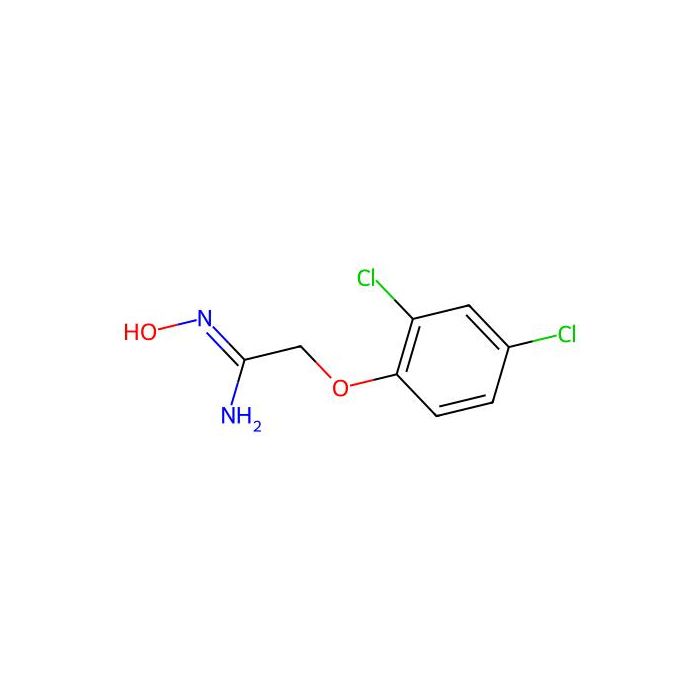
This compound belongs to the class of organic compounds known as dichlorobenzenes. These are compounds containing a benzene with exactly two chlorine atoms attached to it.
External Descriptors
Not available
1. Djoumbou Feunang Y, Eisner R, Knox C, Chepelev L, Hastings J, Owen G, Fahy E, Steinbeck C, Subramanian S, Bolton E, Greiner R, and Wishart DS. ClassyFire: Automated Chemical Classification With A Comprehensive, Computable Taxonomy. Journal of Cheminformatics, 2016, 8:61.
Determine the necessary mass, volume, or concentration for preparing a solution.
Dilution Calculator
Determine the dilution needed to prepare a stock solution.
Reconstitution Calculator
리뷰
고객 리뷰
Application Protocols
No vendor-validated biological application protocols are provided for this SKU. As a synthetic intermediate, usage is highly context-dependent. General laboratory guidance:
Stock preparation for screening chemistry: Dissolve at 10–50 mg/mL in anhydrous DMSO or DMF; vortex/sonicate gently; store aliquots to limit freeze–thaw.
For aqueous assays: Pre-dissolve in DMSO, then dilute into buffer with vigorous mixing to ≤1% DMSO v/v. Verify solution clarity and stability by HPLC/UV.
Reaction setup (heterocycle formation): Combine amidoxime with carboxylic partner and coupling agent under inert atmosphere; monitor by TLC/LC–MS; quench with aqueous base and extract.
Hydrogenation (N–O reduction): Charge ethanol solution under inert gas, add Pd/C, then introduce H2 at controlled pressure; filter through celite and concentrate.
Always adapt solvent, temperature, and stoichiometry to your substrate scope, and confirm identity/purity of products by orthogonal methods (NMR, HRMS, HPLC).
Biological Roles
This product is intended strictly for research use, not for diagnostic or therapeutic applications.
General context (literature; not specific to this SKU):
Amidoxime functional group: Known as a pro-moiety in medicinal chemistry to transiently mask strongly basic amidines, improving absorption; enzymatic reduction in vivo can unmask the amidine. This is a conceptual role and does not imply any biological activity for this specific compound.
Halogenated phenoxy motif: 2,4-dichlorophenoxy fragments appear in various agrochemical and discovery-chemistry scaffolds as lipophilicity and metabolic-stability enhancers. The ether linkage offers conformational flexibility.
Chelation/H-bonding: Amidoximes can act as bidentate ligands toward certain metal ions under appropriate pH, although this compound is primarily used as a synthetic intermediate rather than as a ligand.
No experimentally validated biological targets, pathways, or activities are provided for this SKU in the Product Data. If biological evaluation is intended, establish purity, counter-ion content (if salt forms are used), and pH-dependent ionization before assay. Always include appropriate vehicle controls (e.g., DMSO ≤0.5% v/v in cells/enzymes) and confirm solubility to avoid colloidal artifacts.
Buffer Applications
This material is a small-molecule synthetic intermediate and is not a conventional buffering agent. It lacks a defined, narrow pKa window suitable for high-capacity buffering in biological systems.
Not typically used to prepare buffer systems for electrophoresis, cell culture, or biochemical assays.
If dissolution into aqueous buffers is required for research assays, adjust pH cautiously and use minimal organic cosolvent (e.g., DMSO 1–5% v/v), confirming solubility and stability by analytical methods (HPLC).
For actual buffering needs, use established buffers (HEPES, MOPS, phosphate, acetate) chosen for the target pH range.
Green Alternatives
Selection of greener media can reduce environmental burden without sacrificing performance for amidoxime transformations.
Replacement for DMF/NMP in acylations/cyclizations:
2-MeTHF or CPME with catalytic DMAP and coupling reagents (e.g., T3P, CDI). Often compatible with phase-transfer or slight heating.
Propylene carbonate as a polar aprotic alternative for some base-promoted O-acylations.
Replacement for DCM in workups:
Ethyl acetate or MTBE for extractions and chromatographic elution.
For hydrogenations (N–O bond reduction):
Ethanol or i-PrOH as solvent with H2/Pd reduce hazard vs. DMF; ensure proper hydrogen safety protocols.
Concise comparison (general):
DMF/NMP: high solubility, but reproductive toxicity concerns and difficult removal.
2-MeTHF/CPME: renewable origin (2-MeTHF), hydrophobic, easy workup; may need cosolvent for highly polar amidoximes.
Ethyl acetate: biodegradable, low toxicity; limited solubility for very polar substrates.
Trade-offs:
Greener solvents may lower substrate solubility; mitigate via temperature, cosolvents, or in situ activation (T3P, CDI).
Catalyst compatibility must be verified when switching media (particularly for Pd-catalyzed couplings and dehydrative cyclizations).
Pharmaceutical Uses
No pharmacopeial status or excipient role is provided in the Product Data for this SKU. This material is supplied for research use only.
General R&D context (literature; not specific to this item):
Amidoxime-containing compounds are frequently employed as synthetic intermediates in discovery chemistry to access amidines and 1,2,4-oxadiazoles (bioisosteres for amides/esters), enabling SAR exploration of polarity and H-bonding.
The 2,4-dichlorophenoxy motif can serve as a lipophilic handle to modulate physicochemical properties (permeability, metabolic stability) during lead optimization.
Manufacturing/formulation notes (general):
If formulated as a research reagent stock, dissolve in high-purity DMSO or ethanol and filter-sterilize through 0.22 µm PTFE for assay compatibility; confirm no degradation under storage.
For solid handling, ensure low bioburden and controlled humidity; amidoximes can form salts under acidic conditions—define salt/free-base form on documentation if relevant.
No therapeutic claims are made or implied. For any preclinical use, perform full characterization (identity, purity, residual solvents, water) and stability studies under ICH-like conditions as appropriate for internal R&D.
Physical Properties
Item-specific specifications are not provided in the Product Data for this SKU. Do not treat the following as specifications; they are general expectations for amidoxime-bearing aryl ethers and should be verified experimentally for this item.
Appearance (item-specific): Not specified for this item; refer to CoA/Spec Sheet.
Melting point (literature, amidoximes of comparable size): often crystalline solids with MP typically in the 100–200 °C range, but values are highly structure-dependent. Not specified for this item; consult literature/CoA.
Boiling point: Not applicable (decomposes before boiling under ambient pressure for most amidoximes). Not specified for this item; refer to CoA/Spec Sheet.
Density: Not specified for this item; refer to CoA/Spec Sheet.
Solubility (general behavior):
Good solubility in polar aprotic solvents (DMSO, DMF, NMP) and alcohols (MeOH, EtOH).
Limited solubility in nonpolar hydrocarbons and chlorinated solvents due to the polar amidoxime functionality.
Aqueous solubility can increase under acidic conditions via protonation of the amidoxime nitrogens.
LogP/logD (qualitative): The dichloro-phenoxy group raises lipophilicity, whereas the amidoxime increases polarity; expect amphiphilic behavior with pH-dependent logD (literature, qualitative).
pKa (literature, amidoxime family): amidoximes typically exhibit basic pKa values for protonation on N (~pKa 10–12) and acidic pKa for the oxime OH (~pKa 11–12); exact values depend on substitution. Not specified for this item.
Refractive index: Not applicable for solids. Not specified for this item.
Quality and Grades
Grade/Purity: Not specified for this item; refer to CoA/Spec Sheet.
Appearance: Not specified for this item; refer to CoA/Spec Sheet.
Interpretive guidance (general):
If offered as “research grade,” the material is suitable for synthetic and exploratory laboratory work. For trace analysis or bioassay-critical applications, request CoA detailing purity basis (e.g., HPLC/GC area %, residual solvents, water by KF) and impurity profile.
For chromatographic applications or photochemical studies, low UV-absorbing grades are sometimes specified; no such designation is provided here.
Stabilizers: None are listed for this SKU. Amidoximes are generally stable under ambient dry conditions but can undergo dehydration or rearrangement under harsh acidic/dehydrating conditions. Absence of a stabilizer implies normal bench handling is acceptable; avoid prolonged exposure to strong acids/bases.
Batch-to-batch documentation: For regulated or highly sensitive research, request:
Analytical purity method and result (HPLC/GC),
Water content (KF), residual solvents,
Identity confirmation (1H/13C NMR, HRMS, IR),
Inorganic residues/metals if catalytic steps are involved in synthesis.
If you require a particular assay basis or impurity control (e.g., halide content, ash, specific UV cutoffs), contact us to discuss custom specifications for this SKU.
Reaction and Applications
Amidoximes are versatile intermediates. The 2,4-dichlorophenoxy substituent further offers opportunities for downstream aryl functionalization.
Key application families (literature/general):
Heterocycle construction: 1,2,4-oxadiazole formation via O-acylation of the amidoxime followed by cyclodehydration with carboxylic acid derivatives (e.g., using CDI, DCC/DMAP, SOCl2, POCl3, or T3P). Useful for bioisosteric replacements of amides/esters in discovery chemistry.
Amidine synthesis: Reduction of the N–O bond (e.g., with Raney Ni, Pd/C under H2, or Zn/AcOH) to convert amidoximes to amidines, often avoiding harsh Pinner conditions.
O-/N-Functionalization: Selective O-alkylation/acylation versus N-alkylation can be tuned by base/solvent; O-acyl amidoximes are common intermediates en route to oxadiazoles.
Nitrile regeneration: Under strong dehydrating conditions, amidoximes can be dehydrated back to nitriles (less common but documented).
Aryl elaboration: The 2,4-dichloro pattern is amenable to SNAr (especially at the para position) and to Pd-catalyzed cross-couplings (Buchwald–Hartwig, Suzuki, etc.) after appropriate protection of the amidoxime if needed.
Practical tips:
Dry conditions and base (e.g., DIPEA, pyridine) favor acylation steps.
Protect the amidoxime (e.g., O-acyl) when engaging in metal-catalyzed couplings on the aryl chloride to minimize catalyst poisoning.
Monitor regioselectivity in SNAr; para-chloro is typically more reactive than ortho in 2,4-dichloro systems.
Reaction Conditions
The following are literature-style general conditions for amidoxime transformations; they are not specifications for this SKU. Optimize for your system.
1,2,4-Oxadiazole formation:
From carboxylic acids: amidoxime (1.0 eq), acid (1.1–1.5 eq), coupling agent (e.g., T3P 50% in EtOAc, 2.0–3.0 eq or CDI 1.5–2.0 eq), base (DIPEA 2.0 eq), solvent (2-MeTHF, EtOAc, or DMF), 25–80 °C, 2–16 h. Typical isolated yields reported in the literature: 50–85% depending on substrate.
From acid chlorides/anhydrides: O-acylation in DCM/DMF with pyridine or triethylamine, then cyclodehydration with POCl3 or SOCl2 (0–80 °C).
Conversion to amidines (N–O bond reduction):
H2, Pd/C (5–10%) in EtOH or MeOH, rt to 50 °C, 2–12 h; or Raney Ni under H2. Add acid (e.g., HCl in dioxane) to isolate amidine salts.
Zn/AcOH in MeOH or THF, rt to reflux, 1–6 h, offers metal-free hydrogenation equivalent.
SNAr on the 2,4-dichloro ring:
NuH (amines/thiols, 1.2–2.0 eq), base (K2CO3/Cs2CO3), polar aprotic solvent (DMF/DMSO), 60–120 °C, 4–24 h; para position typically reacts first.
Pd-catalyzed cross-coupling (on aryl chlorides):
Catalyst systems such as Pd2(dba)3/XPhos or Pd(OAc)2/BrettPhos, base (NaOtBu or K3PO4), solvent (toluene, 2-MeTHF, or dioxane), 80–110 °C.
Notes:
Protect or mask the amidoxime when using strong bases or Pd catalysis to minimize side reactions and catalyst poisoning.
Verify chemoselectivity between O- and N-functionalization; temperature and base choice are key levers.
Safety and Handling
Hazard classification and specific GHS elements are not provided in the Product Data for this SKU. Always consult the product SDS for authoritative safety information.
GHS/Signal word/Pictograms: Not specified for this item; refer to SDS.
Likely hazards (general for amidoximes/aryl chlorides): May cause irritation to skin, eyes, and respiratory tract. Avoid inhalation of dust and contact with skin/eyes. Handle in a fume hood.
PPE: Laboratory coat, nitrile gloves (double-glove for extended contact), splash goggles; use a NIOSH-approved respirator if dust/aerosols may form and engineering controls are insufficient.
Handling notes:
Avoid strong oxidizers and strong acids/bases which may degrade the amidoxime functionality.
Amidoximes can engage in condensation/dehydration reactions; minimize exposure to strong dehydrating agents unless intended.
Prevent moisture ingress; keep containers tightly closed to maintain material integrity.
First aid (general):
Inhalation: Move to fresh air; seek medical attention if symptoms persist.
Skin contact: Wash with soap and water; remove contaminated clothing.
Eye contact: Rinse cautiously with water for several minutes; remove contact lenses if present and easy to do; continue rinsing and seek medical advice if irritation continues.
Ingestion: Rinse mouth; do not induce vomiting; seek medical attention.
Fire safety: Use standard dry chemical, CO2, or foam. Combustion may release HCl/HCl-containing fumes from chlorinated aromatics.
Waste: Collect as halogenated organic waste; dispose in accordance with institutional and regulatory requirements.
Solvent Selection
This compound combines a polar amidoxime headgroup with a lipophilic 2,4-dichlorophenoxy tail. Practical implications for dissolution and processing:
Recommended primary solvents (lab practice):
Polar aprotics: DMSO, DMF, NMP — typically give the highest solubility and chemical stability for amidoximes.
Protic: MeOH, EtOH, i-PrOH — good solubility; monitor for potential O-alkylation only under strongly activating conditions (not typical for storage).
Mixed systems: DMSO or DMF cosolubilized into aqueous buffers (≤5–10% v/v) for biochemical assays when appropriate.
Generally poor solvents: Hexanes, heptane; limited solubility expected in toluene/EtOAc due to strong H-bonding of the amidoxime.
Dielectric/polarity (qualitative): Medium overall; pH-dependent apparent polarity. Protonation of the amidoxime increases water compatibility.
When to choose alternatives:
If moisture sensitivity of your transformation is a concern, prefer anhydrous MeCN or THF for reactions involving acylation/dehydration of the amidoxime; solubility may require a polar cosolvent.
For green considerations, see the Green Alternatives tab for choices like 2-MeTHF or CPME where compatible.
Practical tips:
Warm gently (25–40 °C) or use sonication to aid dissolution in alcohols.
For aqueous work, pre-dissolve in DMSO (5–50 mg/mL) then dilute into buffer while mixing to avoid precipitation.
Storage and Reconstitution
Item-specific storage from Product Data:
Storage conditions: Room temperature.
Shipped in: Not specified for this item; refer to CoA/Spec Sheet.
Appearance: Not specified for this item; refer to CoA/Spec Sheet.
Practical guidance (general for amidoxime solids):
Store tightly closed in a dry place, protected from excessive humidity and direct light. Consider desiccation if ambient humidity is high.
Avoid prolonged exposure to strong acids/bases or dehydrating agents that may induce rearrangement or cyclization.
If long-term storage (>12 months) is anticipated, periodic recheck by HPLC for purity is recommended.
Reconstitution tips:
Preferred solvents: DMSO, DMF, ethanol, methanol. Begin with 5–20 mg/mL; warm gently (≤40 °C) or sonicate to aid dissolution.
For aqueous use: Pre-dissolve in DMSO (e.g., 10–100 mM), then dilute into buffer with rapid mixing to the desired final concentration. Confirm absence of precipitation.
Aliquot solutions to minimize freeze–thaw; store DMSO stocks at −20 °C or −80 °C if stability allows (verify experimentally for your application).
Research use only: This product is not intended for human or veterinary use.
Structure and Identity
This item is an aryl-ether–substituted amidoxime, consistent with the name 2-(2,4-dichlorophenoxy)-N'-hydroxyethanimidamide. The scaffold can be described as an o,p-dichlorophenyl ring connected through an ether oxygen to a methylene that bears an amidoxime functionality (C(=NOH)–NH2). The molecule thus combines a lipophilic, halogenated phenoxy fragment with a strongly hydrogen-bonding, polar amidoxime headgroup.
Item-specific identifiers (from Product Data):
CAS: 79295-15-1
InChIKey: 33968 (as provided; full-format InChIKey not specified for this item)
SMILES: Not specified for this item; refer to CoA/Spec Sheet.
Molecular formula: Not specified for this item; refer to CoA/Spec Sheet.
Molecular weight: Not specified for this item; refer to CoA/Spec Sheet.
Structural features (general/interpretive, based on name):
Functional groups: amidoxime (N'-hydroxyamidinium oxide; R–C(=NOH)–NH2), aryl ether (Ar–O–CH2–), and aryl chlorides at the 2- and 4-positions.
Hydrogen bonding: one hydroxyl (oxime OH) donor and two basic nitrogens capable of H-bonding/ionization under acidic conditions.
2D description in words: a 2,4-dichlorophenyl ring attached via oxygen to a methylene; that methylene is directly alpha to a C(=N–OH)–NH2 amidoxime carbon.
Stereochemistry: none expected (acyclic, no stereocenters in the named core).
Synthetic Utility
This compound is a bifunctional building block merging an electrophile-tunable aryl chloride pattern with a nucleophilic/ambident amidoxime. Representative utilities (literature/general):
Access to 1,2,4-oxadiazoles: O-acylate the amidoxime with carboxylic acids (CDI, DCC, or acid chlorides), then cyclodehydrate (POCl3, SOCl2, or T3P) to forge 1,2,4-oxadiazoles linked to the phenoxyethyl fragment.
Amidine synthesis: Reduce the N–O bond (H2/Pd, Raney Ni, or Zn/AcOH) to deliver the corresponding amidine—useful for generating cationic centers without nitrile Pinner chemistry.
SNAr and cross-coupling on the aryl chloride positions: The 4-chloro site is typically more reactive; perform Pd-catalyzed couplings (Suzuki, Buchwald–Hartwig) after temporary protection of the amidoxime (e.g., as O-acyl) to avoid catalyst inhibition.
Derivatization of the ether linkage: Under strong conditions, benzylic-like activation at the –O–CH2–C(=N) center can allow further functionalization; typically, transformations proceed on the amidoxime or aryl ring instead.
Protecting-group strategies: O-Acyl or O-alkyl protection of the amidoxime can control ambident reactivity and steer selectivity in multi-step sequences.
Analytical considerations: Track transformations by 1H NMR (diagnostic oxime OH/NH signals), IR (C=N and N–O stretches), and LC–MS. Tautomerism (syn/anti oxime) may broaden NMR resonances—variable-temperature NMR can help.
Target Specificity
Not applicable. This product is a small-molecule research chemical and not a biological macromolecule or affinity reagent.
Antigen/epitope: Not applicable.
Species reactivity/clone/isotype: Not applicable.
For target engagement studies in biochemical assays, any observed selectivity would arise from your designed derivatives or assay context, not from inherent specificity of this starting material.
We use cookies to ensure the website functions properly and, where permitted, to improve your experience. You can manage your preferences at any time in Settings. Learn more in our Cookie Policy.
Shall we send you a message when we have discounts available?
Remind me later
Thank you! Please check your email inbox to confirm.
Products are supplied to verified businesses, institutions, and qualified professionals for research and development use only. Not for use in humans, animals, diagnosis, or therapy.