
Structural and Functional Differences Between Idebenone and Coenzyme Q10: From Side-Chain Structure to Redox Cycling and Mitochondrial Electron Transport
Structural and Functional Differences Between Idebenone and Coenzyme Q10: From Side-Chain Structure to Redox Cycling and Mitochondrial Electron Transport
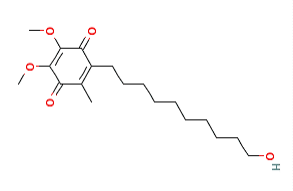
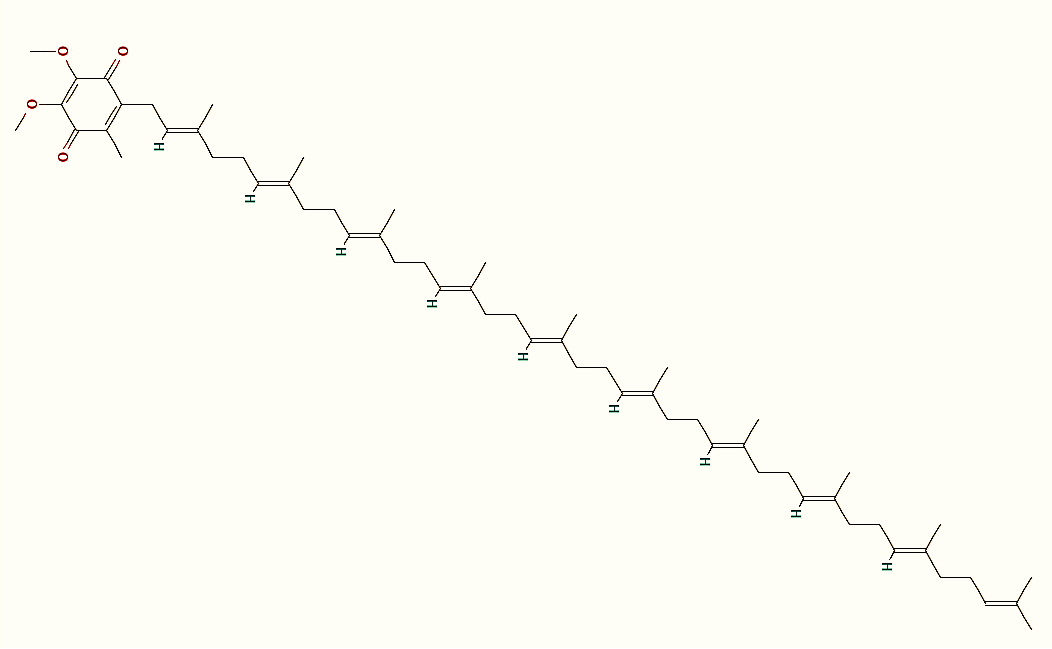
Idebenone and coenzyme Q10 (CoQ10) are clearly structurally related: both contain a substituted 1,4-benzoquinone structure with redox activity, but the side chains attached to the quinone ring differ markedly.
CoQ10 contains a long polyisoprenoid side chain composed of 10 isoprene units. The INCI name of idebenone in cosmetics is Hydroxydecyl Ubiquinone, and its side chain is a saturated 10-carbon alkyl chain bearing a terminal hydroxyl group.[1,2]
Changes in the side chain alter the molecule’s lipophilicity, membrane-partitioning characteristics, and ability to react with cellular reductases. As a result, idebenone exhibits redox cycling and mitochondrial electron transport behavior that differ from those of CoQ10.
1. What Are the Structural Differences Between Idebenone and CoQ10?
1.1 The Quinone Ring Is Similar, but the Side Chain Is Different
Both idebenone and CoQ10 contain a benzoquinone core substituted with two methoxy groups and one methyl group. This quinone ring can undergo reversible redox reactions and provides the chemical basis for electron transfer by both compounds.
The major difference between the two lies in their side chains.[1,2]
Comparison Item | Idebenone | Coenzyme Q10 (CoQ10) |
Redox-active core | Substituted 1,4-benzoquinone ring | Substituted 1,4-benzoquinone ring |
Side chain | Saturated 10-carbon alkyl chain with a terminal hydroxyl group | Long polyisoprenoid chain composed of 10 isoprene units |
Relative molecular mass | Approx. 338.4 | Approx. 863.3 |
Lipophilicity | Clearly lipophilic, but less so than CoQ10 | Highly lipophilic |
NQO1-mediated reduction | Can be efficiently reduced experimentally | No substantial NQO1-dependent reduction detected under the same experimental conditions |
Physiological role | Synthetic short-chain coenzyme Q analog | Endogenous electron carrier in the human respiratory chain |
It is worth noting that the lower lipophilicity of idebenone does not mean that it becomes a water-soluble molecule. Idebenone still has a strong affinity for lipid phases, and its topical delivery remains influenced by solubility, carrier systems, and formulation composition.
1.2 The Long Side Chain of CoQ10 Has a Defined Physiological Significance
The long polyisoprenoid side chain of CoQ10 enables the molecule to remain stably distributed within lipid membranes, making it particularly well suited to the mitochondrial inner membrane.
Within the mitochondrial respiratory chain, CoQ10 accepts electrons from Complex I, Complex II, and other flavoprotein dehydrogenases and transfers them to Complex III. Its long side chain helps maintain the position and function of CoQ10 as an intramembrane electron carrier.[4,5]
With its shorter side chain, idebenone has different lipid-phase/water-phase partitioning characteristics. A comparative study of 70 short-chain quinones showed that whether a short-chain quinone can be reduced by NQO1, inhibit lipid peroxidation, and restore ATP in models of impaired Complex I depends closely on the physicochemical properties of the entire molecule, particularly its lipid/water partitioning characteristics, rather than on the quinone ring alone.[3]
2. The Antioxidant Activity of Idebenone Arises from Quinone–Hydroquinone Redox Cycling
2.1 Idebenone and Idebenol Represent Two Different Redox States
Idebenone can interconvert between an oxidized quinone form and a reduced hydroquinone form:
Idebenone + 2e⁻ + 2H⁺ ⇌ Idebenol
Idebenone is the oxidized form, whereas idebenol is the reduced form produced after accepting two electrons and two protons.
During free-radical chain termination, reduced idebenol has a more direct ability to donate electrons or hydrogen atoms. It can provide reducing equivalents to radical reaction intermediates and is subsequently converted back to the oxidized form.[2,3]
Therefore, the antioxidant activity of idebenone depends not only on the molecule itself, but also on whether oxidized idebenone can be reduced again within the cellular environment.
2.2 NQO1 Catalyzes the Two-Electron Reduction of Idebenone
NAD(P)H:quinone oxidoreductase 1 (NQO1) is a flavin-dependent oxidoreductase that can use reducing equivalents supplied by NADH or NADPH to catalyze the two-electron reduction of a variety of quinones to their corresponding hydroquinones.[2,3]
Here, “NAD(P)H” is shorthand indicating that the reduced coenzyme involved in the reaction may be either NADH or NADPH. In this reaction, NADH or NADPH serves as the electron donor, NQO1 is the enzyme that catalyzes the reaction, and idebenone is the substrate that accepts electrons and is reduced.
The NQO1-catalyzed reduction of idebenone can be shown as:
Idebenone + NAD(P)H + H⁺
—NQO1 catalysis→ Idebenol + NAD(P)⁺
Where:
· NAD(P)H: NADH or NADPH, which provides reducing equivalents;
· NQO1: catalyzes the two-electron reduction reaction;
· Idebenone: oxidized idebenone, i.e., the quinone form;
· Idebenol: reduced idebenone, i.e., the hydroquinone form;
· NAD(P)⁺: NAD⁺ or NADP⁺, the oxidized form produced after NADH or NADPH loses reducing equivalents.
Considering only the redox change of idebenone itself, the reaction can also be represented in simplified form as:
Idebenone (quinone form) + 2e⁻ + 2H⁺ → Idebenol (hydroquinone form)
Studies by Haefeli et al. showed that idebenone can serve as a substrate for NQO1 and be efficiently reduced. This process consumes cellular NADH or NADPH and generates reduced idebenol.[2]
NQO1 uses a two-electron reduction mechanism, allowing quinones to be converted directly to hydroquinones while avoiding the intermediate step of one-electron reduction to a semiquinone radical. By contrast, semiquinones generated through one-electron reduction can, under certain conditions, participate in redox cycling and promote the formation of reactive oxygen species.[3,6]
This reduction process also provides an important basis for the subsequent antioxidant and mitochondrial electron-transfer activities of idebenone: oxidized idebenone accepts reducing equivalents from NADH or NADPH and is converted to idebenol through NQO1 catalysis; idebenol can then act as an electron or hydrogen donor to participate in the termination of lipid radical chain reactions and, in specific models of impaired Complex I, transfer electrons to mitochondrial Complex III.
3. How Does Idebenone Inhibit Lipid Peroxidation?
3.1 The Harm of Lipid Peroxidation Results from Chain Propagation
After the skin is exposed to ultraviolet radiation and other forms of oxidative stress, reactive oxygen species can attack polyunsaturated fatty acids in cell membranes and initiate lipid peroxidation.
The initiation and propagation processes can be simplified as follows:
X• + LH → XH + L•
The initiating radical X• abstracts a hydrogen atom from the lipid molecule LH, generating a lipid radical L•.
Subsequently:
L• + O₂ → LOO•
The lipid radical reacts with oxygen to form a lipid peroxyl radical, LOO•.
LOO• then continues to attack neighboring lipids:
LOO• + LH → LOOH + L•
A new lipid radical is generated, allowing the reaction to continue spreading to surrounding lipids.
Lipid peroxidation differs from a one-time episode of free-radical generation. It has a chain-amplification characteristic and may continuously damage membrane lipids while generating lipid hydroperoxides and downstream reaction products.
3.2 Idebenol Acts on the Propagation of Lipid Radical Chains
Reduced idebenol has electron- and hydrogen-donating capacity and can participate in the termination of lipid radical chain reactions, thereby reducing the continued formation of new lipid radicals. Idebenol is oxidized back to idebenone during this process.[3]
Structure–activity studies of short-chain quinones have found a clear correlation between the effects of idebenone and related quinones on lipid peroxidation and their molecular logD values. Excessive hydrophilicity limits access to lipid environments, whereas excessive lipophilicity alters exchange with cytosolic reducing systems. Appropriate lipid-phase/water-phase partitioning properties facilitate redox cycling of short-chain quinones between membrane environments and reductase systems.[3]
The anti-lipid-peroxidation activity of idebenone therefore involves two interconnected processes:
Idebenone is reduced to idebenol
→ Idebenol participates in terminating lipid radical chain reactions
→ Idebenol is reoxidized to idebenone
→ In an environment with appropriate reducing capacity, it re-enters the redox cycle.
4. Idebenone and CoQ10 Do Not Play the Same Role in Mitochondria
4.1 CoQ10 Is a Normal Component of the Mitochondrial Electron Transport Chain
Within the electron transport chain (ETC) of the mitochondrial inner membrane, CoQ10 serves as an endogenous electron carrier:
Complex I / Complex II
↓
CoQ10 ⇌ CoQ10H₂
↓
Complex III
↓
Cytochrome c
↓
Complex IV
Electron transfer and transmembrane proton transport together establish a proton electrochemical gradient, which subsequently drives the synthesis of adenosine triphosphate (ATP).
CoQ10 is therefore both a redox-active quinone and a natural component of the electron transport system in the mitochondrial inner membrane.[4]
4.2 Idebenone Can Bypass Complex I in Specific Models of Complex I Impairment
One important feature of idebenone in mitochondrial research is that, after reduction by cytosolic NQO1, it can under certain conditions direct electrons to downstream components of the respiratory chain.
In cellular models in which Complex I is inhibited by rotenone, this process can be represented as:
Cytosolic NAD(P)H
→ NQO1
→ Idebenone is reduced to idebenol
→ Electrons enter mitochondrial Complex III
→ Downstream electron transport and ATP production are supported
Haefeli et al. found that, after Complex I inhibition, idebenone could partially restore cellular ATP levels. Inhibition of either NQO1 or Complex III reduced this effect, indicating that it depends on NQO1-mediated reduction and Complex III.[2]
A subsequent study of 70 short-chain quinones further found that short-chain quinones with suitable physicochemical properties could display similar Complex I bypass activity, and that the extent of ATP restoration correlated with the overall lipophilic/hydrophilic properties of the molecules.[3]
4.3 Idebenone Cannot Replace the Natural Intramembrane Function of CoQ10
Although idebenone can function as an electron bypass in certain models of Complex I dysfunction, it is not equivalent to CoQ10.
In studies of human fibroblasts with primary CoQ10 deficiency, sustained supplementation with CoQ10 improved ATP levels and the ATP/ADP ratio, whereas short-side-chain analogs such as idebenone did not restore the same bioenergetic state. The researchers therefore concluded that short-chain quinones cannot simply replace the function of CoQ10 in the mitochondrial respiratory chain.[4]
Early studies using isolated mitochondria likewise found that idebenone is a good electron acceptor/donor for Complex II and Complex III, but performs considerably less effectively as a substrate for Complex I.[12]
In addition, the oxidized and reduced forms of idebenone do not exert identical effects in mitochondria. Some studies using isolated mitochondria and cellular models have observed that oxidized idebenone may affect Complex I, mitochondrial membrane potential, and reactive oxygen species generation, whereas fully reduced idebenol is more favorable for transferring electrons to Complex III.[5,6]
5. How Can These Mechanisms Translate into Skincare Effects?
After exposure to ultraviolet radiation and other oxidative stimuli, the skin may exhibit increased reactive oxygen species, membrane lipid peroxidation, protein oxidation, and alterations in cellular redox homeostasis. Mitochondria are involved in cellular energy metabolism while also being susceptible to oxidative stress.
NQO1 is expressed in human epidermal keratinocytes, and its expression increases with keratinocyte differentiation, supporting the biological relevance of the NQO1-related mechanisms described above to the epidermal environment.[7]
Current cellular and biochemical studies provide the following mechanistic basis for the potential skincare effects of idebenone:
Process | Known Mechanism | Potential Relevance to Skin |
Quinone reduction | Idebenone can be reduced to idebenol by NQO1 | Generates the reduced form with stronger electron-donating capacity |
Lipid peroxidation | Idebenol participates in terminating lipid radical chain reactions | Reduces continued oxidation of membrane lipids |
Redox cycling | Idebenol can be reoxidized to idebenone | Allows participation in cycling within cellular environments with reducing capacity |
Mitochondrial electron transport | In models of impaired Complex I, electrons can be directed to Complex III | Provides a mechanistic basis for research on oxidative stress and mitochondrial dysfunction |
5.1 What Evidence Is Available from Human Topical Studies?
A human topical study conducted in 2005 enrolled 41 women with moderate photodamage who used formulations containing either 0.5% or 1.0% idebenone twice daily for six weeks. The study reported improvements in clinical parameters such as fine lines and skin roughness and also observed changes in certain histological and inflammation-related indicators.[9]
This study used a nonvehicle control design (nonvehicle control study) and did not include a matching formulation without idebenone as a control. Therefore, the study supports the possibility that idebenone-containing formulations may improve the appearance of photodamaged skin, but it cannot attribute the entire effect specifically to idebenone.[9]
6. What Does an EPF Score of 95 Mean?
The frequently cited “score of 95” for idebenone comes from the Environmental Protection Factor (EPF) proposed by McDaniel et al. in 2005.[8]
The researchers compared idebenone, dl-α-tocopherol, kinetin, CoQ10, L-ascorbic acid, and dl-α-lipoic acid and integrated the results of multiple oxidative-stress assays, including free-radical scavenging, lipoprotein and microsomal lipid oxidation, UVB-irradiated keratinocytes, and human sunburn cell-related testing.[8]
The final composite scores were as follows:
Ingredient | EPF Score |
Idebenone | 95 |
dl-α-Tocopherol | 80 |
Kinetin | 68 |
CoQ10 | 55 |
L-Ascorbic Acid | 52 |
dl-α-Lipoic Acid | 41 |
The score of 95 means that, according to the multiple experiments and equal-weight aggregation method established in that paper, idebenone achieved a composite oxidative-stress protection score of 95 among the six ingredients compared.
7. The Presence of an Ingredient Does Not Mean That the Active Compound Has Reached Its Site of Action
The relative molecular mass of idebenone is substantially lower than that of CoQ10, but a “smaller molecule” does not directly imply greater transdermal delivery efficiency.
Topically applied ingredients must be released from the formulation, enter the stratum corneum, and partition into the epidermis. Idebenone itself is clearly lipophilic, and formulation composition can significantly influence its distribution within the skin.
Using ex vivo porcine skin, Montenegro et al. investigated idebenone-loaded solid lipid nanoparticles and found that lipid carriers could alter the delivery and retention of idebenone in the upper layers of the skin.[10]
The actual performance of an idebenone-containing skincare product depends not only on whether the ingredient is present, but also on factors such as the concentration used, chemical stability, dissolution state, carrier system, and skin tolerability.
In addition, cases of allergic contact dermatitis associated with idebenone-containing anti-aging creams have been reported, and individual tolerability should therefore still be considered in practical topical use.[11]
8. Representative Chemicals Related to Idebenone and Coenzyme Q Structure, Redox Cycling, and Mitochondrial Mechanisms
Table 1. Core Research Materials and Coenzyme Q Structural Series
Category | CAS No. | Aladdin Cat. No. | Name | Specification or Purity | Product Features and Applications |
Core research material | 58186-27-9 | Idebenone | ≥98% | Core compound for mechanistic studies of idebenone; used for quinone/hydroquinone redox studies, lipid peroxidation, mitochondrial electron transport, and cellular oxidative-stress research | |
Core research material | 58186-27-9 | Idebenone | 10 mM in DMSO | Ready-to-use idebenone solution; used for studies of cellular oxidative stress, mitochondrial function, lipid peroxidation, and redox pathways | |
Coenzyme Q structural control | 303-98-0 | Coenzyme Q10 | Analytical standard, ≥98% | Structural control for idebenone; used to compare the long polyisoprenoid side chain, membrane partitioning, electron-carrier function in the mitochondrial inner membrane, and redox properties | |
Coenzyme Q redox control | 992-78-9 | Reduced Coenzyme Q10 | ≥95% | Used to study the reduced state of coenzyme Q, quinone/hydroquinone interconversion, membrane-lipid antioxidation, and lipid peroxidation | |
Alkyl ubiquinone structural control | 55486-00-5 | Decylubiquinone (2,3-Dmdb) | Moligand™, ≥98%, 25 mg/mL in ethanol | Ubiquinone analog with a decyl side chain; used to investigate side-chain hydrophobicity, membrane partitioning, mitochondrial quinone-binding sites, and electron transport | |
Short-chain ubiquinone structural control | 727-81-1 | Coenzyme Q₁ | Moligand™, ≥95% | Short-side-chain ubiquinone homolog; used for comparative studies of side-chain length, quinone reduction, membrane partitioning, and mitochondrial electron transport | |
Short-chain ubiquinone structural control | 606-06-4 | Coenzyme Q2 | Moligand™, ≥95% | Short-side-chain ubiquinone homolog; used to investigate relationships between coenzyme Q side-chain length and redox behavior, membrane affinity, and respiratory-chain electron transport | |
Ubiquinone control without an isoprenoid side chain | 605-94-7 | 2,3-Dimethoxy-5-methyl-1,4-benzoquinone | ≥97% | Coenzyme Q0-type benzoquinone structure; used to study the ubiquinone quinone ring, effects of side-chain absence, quinone reduction, and oxidative stress |
Table 2. Redox and Mitochondrial Mechanism Research
Category | CAS No. | Aladdin Cat. No. | Name | Specification or Purity | Product Features and Applications |
NQO1 reduction cofactor | 606-68-8 | Reduced Coenzyme I Disodium Salt (β-NADH) | ≥98% | Provides reducing equivalents; used for NQO1-mediated two-electron reduction of idebenone, quinone/hydroquinone cycling, and cellular energy-metabolism research | |
NQO1 reduction cofactor | 2646-71-1 | Reduced Coenzyme II Tetrasodium Salt Hydrate (β-NADPH Tetrasodium Salt Hydrate) | ≥99% | Provides reducing equivalents; used for NQO1-mediated quinone reduction, formation of reduced idebenone, and cellular redox research | |
NQO1 mechanistic research tool | 66-76-2 | Dicoumarol | Moligand™, ≥98% | NQO1 inhibition research tool; used to verify the NQO1 dependence of idebenone reduction, cellular redox cycling, and mitochondrial electron bypass | |
Quinone redox model | 58-27-5 | Menadione | PharmPure™, USP | Redox-active quinone model; used for studies of NQO1-mediated quinone reduction, semiquinone formation, reactive oxygen species generation, and quinone redox mechanisms | |
Mitochondrial Complex I research tool | 83-79-4 | Rotenone | Analytical standard, Moligand™, ≥96% | Used for mitochondrial Complex I inhibition studies; used to establish models of Complex I inhibition and investigate idebenone-mediated electron bypass, Complex III electron transport, and ATP changes |
Table 3. Comparative Research on Antioxidants and Environmental Protection Factor
Category | CAS No. | Aladdin Cat. No. | Name | Specification or Purity | Product Features and Applications |
Aqueous-phase antioxidant control | 50-81-7 | L-Ascorbic Acid | Anhydrous grade, Moligand™, ACS, ≥99% | Aqueous-phase antioxidant reference; used for free-radical scavenging, oxidative-stress studies, UV-induced damage, and Environmental Protection Factor comparison studies | |
Environmental Protection Factor research control | 525-79-1 | Kinetin | Suitable for plant cell culture, ≥99% (HPLC) | Representative ingredient used in Environmental Protection Factor comparison research; used for studies of UV-induced oxidative stress and comparative cellular protective effects | |
Lipid-phase antioxidant control | 59-02-9 | (+)-α-Tocopherol | From Type V vegetable oil, approximately 1000 IU/g | Lipid-phase chain-breaking antioxidant reference; used for membrane lipid peroxidation, lipid radical chain propagation, and Environmental Protection Factor comparison studies | |
Redox antioxidant control | 1077-28-7 | DL-Lipoic Acid | ≥99% | Redox-active antioxidant reference; used for studies of free radicals, oxidative stress, and Environmental Protection Factor comparisons |
Note: The products listed above are representative Aladdin research-related products. Specific applications should be determined according to the product specification, batch COA, and the intended reaction or evaluation system. Additional information on product specifications, grades, and COAs can be searched on the Aladdin website using the product name/CAS number/catalog number.
References
[1] Expert Panel for Cosmetic Ingredient Safety. Safety Assessment of Ubiquinone Ingredients as Used in Cosmetics. Final Report. Cosmetic Ingredient Review; 2022.
[2] Haefeli RH, Erb M, Gemperli AC, et al. NQO1-dependent redox cycling of idebenone: effects on cellular redox potential and energy levels. PLoS One. 2011;6(3):e17963. doi:10.1371/journal.pone.0017963.
[3] Erb M, Hoffmann-Enger B, Deppe H, et al. Features of idebenone and related short-chain quinones that rescue ATP levels under conditions of impaired mitochondrial complex I. PLoS One. 2012;7(4):e36153. doi:10.1371/journal.pone.0036153.
[4] López LC, Quinzii CM, Area E, et al. Treatment of CoQ10 deficient fibroblasts with ubiquinone, CoQ analogs, and vitamin C: time- and compound-dependent effects. PLoS One. 2010;5(7):e11897. doi:10.1371/journal.pone.0011897.
[5] Giorgio V, Petronilli V, Ghelli A, et al. The effects of idebenone on mitochondrial bioenergetics. Biochim Biophys Acta. 2012;1817(2):363-369. doi:10.1016/j.bbabio.2011.10.012.
[6] King MS, Sharpley MS, Hirst J. Reduction of hydrophilic ubiquinones by the flavin in mitochondrial NADH:ubiquinone oxidoreductase (Complex I) and production of reactive oxygen species. Biochemistry. 2009;48(9):2053-2062. doi:10.1021/bi802282h.
[7] Piao MS, Choi JY, Lee DH, et al. Differentiation-dependent expression of NADP(H):quinone oxidoreductase-1 via NF-E2 related factor-2 activation in human epidermal keratinocytes. J Dermatol Sci. 2011;62(3):147-153. doi:10.1016/j.jdermsci.2011.02.003.
[8] McDaniel DH, Neudecker BA, DiNardo JC, Lewis JA II, Maibach HI. Idebenone: a new antioxidant—Part I. Relative assessment of oxidative stress protection capacity compared to commonly known antioxidants. J Cosmet Dermatol. 2005;4(1):10-17. doi:10.1111/j.1473-2165.2005.00152.x.
[9] McDaniel DH, Neudecker BA, DiNardo JC, Lewis JA II, Maibach HI. Clinical efficacy assessment in photodamaged skin of 0.5% and 1.0% idebenone. J Cosmet Dermatol. 2005;4(3):167-173. doi:10.1111/j.1473-2165.2005.00305.x.
[10] Montenegro L, Sinico C, Castangia I, Carbone C, Puglisi G. Idebenone-loaded solid lipid nanoparticles for drug delivery to the skin: in vitro evaluation. Int J Pharm. 2012;434(1-2):169-174. doi:10.1016/j.ijpharm.2012.05.046.
[11] Mc Aleer MA, Collins P. Allergic contact dermatitis to hydroxydecyl ubiquinone (idebenone) following application of anti-ageing cosmetic cream. Contact Dermatitis. 2008;59(3):178-179. doi:10.1111/j.1600-0536.2008.01388.x.
[12] Degli Esposti M, Ngo A, Ghelli A, Benelli B, Carelli V, McLennan H, Linnane AW. The interaction of Q analogs, particularly hydroxydecyl benzoquinone (idebenone), with the respiratory complexes of heart mitochondria. Arch Biochem Biophys. 1996;330(2):395-400. doi:10.1006/abbi.1996.0267.
For more related articles, see below:
Antioxidant Mechanisms, Stability, and Delivery Strategies of Resveratrol in Skincare Research
Beneath the Skin: Protein- and Peptide-Based Actives in Skincare and Aesthetic Medicine
Hyaluronidase: Unlocking a “Magic Enzyme” in Biomedicine
Trehalose: Physicochemical Characteristics, Manufacturing Processes, and Application Guidelines
Sources, Biological Functions, Isolation/Characterization, and Emerging Applications of Exosomes
Applicability Comparison of Vitronectin, Laminin and Fibronectin in Cell Culture Coating Systems
Ferulic Acid: Structural Features, Preparation Routes, and Key Points for Research Applications
Role of Sphingolipid Metabolic Remodeling in Apoptotic and Inflammatory Signaling
How to decipher the whitening code?
Niacin (Vitamin B3): Structural Features, Metabolic Roles, and Application Landscape
The "Six Key Checkpoints" of Skin Lightening
Tyrosinase: a key regulatory enzyme in melanin synthesis and its biological and applied significance