≥98% for sensitive chromatographic and analytical workflows requiring minimal baseline interference.
🌡
Storage & shipping
Store at -20°C,Argon charged Ships Ice chest + Ice pads Check lot-specific COA for exact specifications.
📋
Quality documents
SDS, COA, datasheet, and spec sheet available for download. Lot-specific COA accessible via lot number lookup.
📚
Literature proof
Cited in 7 peer-reviewed publications across chromatography, organic synthesis, and cross-coupling reactions.
Übersicht
Glycolide is a cyclic dimer of α-hydroxy acid that can be used in the formation of aliphatic polyester. It is synthesized by the dimerization of glycolic acid. It forms a low toxic synthetic biodegradable polymer that can be used in medical applications. It is majorly used in the formation of a highly crystalline poly(glycolide) by ring opening polymerization.
Application:
Glycolide can be used as a monomer in the preparation of poly(lactic-co-glycolide)(PGLA) via copolymerization with lactide monomer. PGLA is further used in the following applications: Porous PGLA microsphere scaffolds are used in bone repair applications. Encapsulated PGLA nanoparticles can be used in drug delivery and tissue engineering applications. Polymeric micro/nanoparticles made from PLGA have gained significant interest for their appealing characteristics, including biodegradability, biocompatibility, prolonged drug release, and safeguarding the drug against degradation. It can also be used to synthesize poly(glycolide-caprolactone)(PGCL) copolymers applicable as bioabsorbable suture materials.
This compound belongs to the class of organic compounds known as 1,4-dioxanes. These are organic compounds containing 1,4-dioxane, an aliphatic six-member ring with two oxygen atoms in ring positions 1 and 4.
External Descriptors
Not available
1. Djoumbou Feunang Y, Eisner R, Knox C, Chepelev L, Hastings J, Owen G, Fahy E, Steinbeck C, Subramanian S, Bolton E, Greiner R, and Wishart DS. ClassyFire: Automated Chemical Classification With A Comprehensive, Computable Taxonomy. Journal of Cheminformatics, 2016, 8:61.
Wir verwenden Cookies, um die ordnungsgemäße Funktion der Website sicherzustellen und, soweit zulässig, Ihr Nutzererlebnis zu verbessern. Sie können Ihre Einstellungen jederzeit unter „Einstellungen“ verwalten. Weitere Informationen finden Sie in unserer Cookie-Richtlinie.
Shall we send you a message when we have discounts available?
Remind me later
Thank you! Please check your email inbox to confirm.
Products are supplied to verified businesses, institutions, and qualified professionals for research and development use only. Not for use in humans, animals, diagnosis, or therapy.

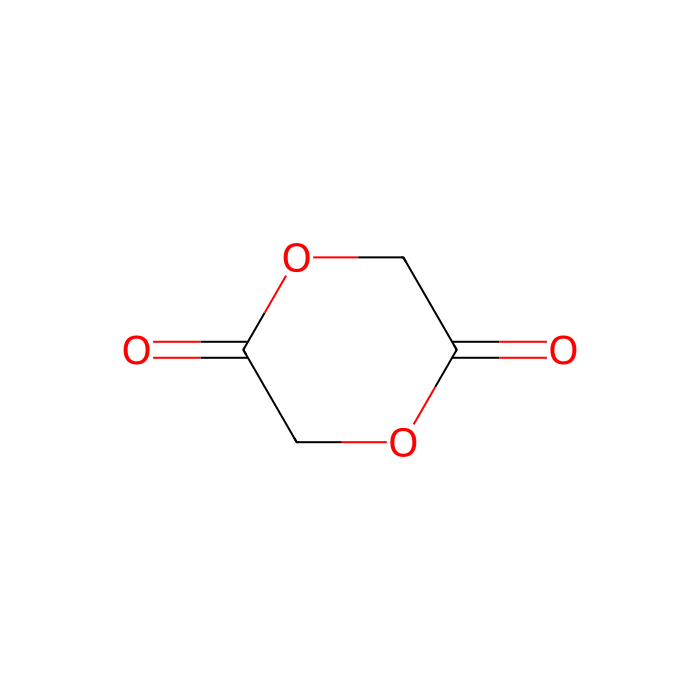
 I2214508