Determine the necessary mass, volume, or concentration for preparing a solution.
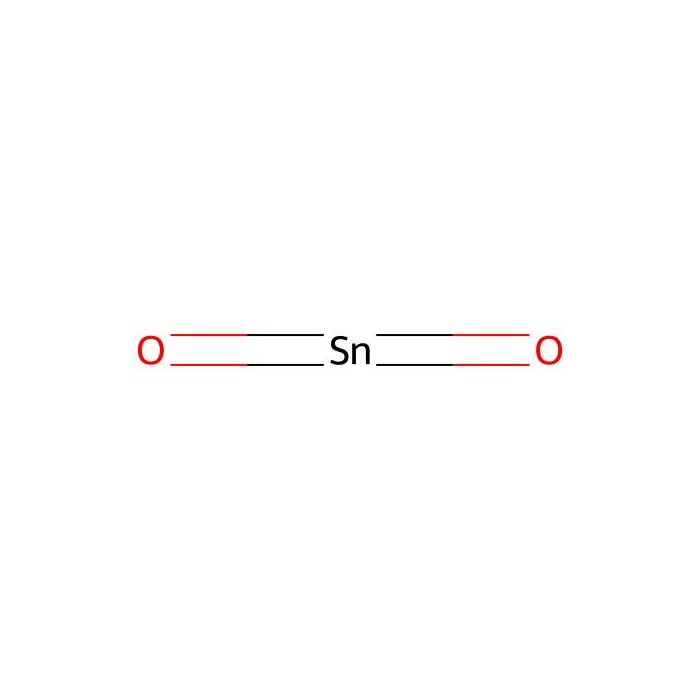
Tin(IV) oxide - ≥99.9% metals basis, powder,≤100nm , CAS No.18282-10-5
Zu bestellen verfügbar
Synonyms
Stannic oxide, Tin oxide
Storage
Room temperature

We are committed to bringing you Greener Alternative Products, which adhere to one or more of The 12 Principles of Greener Chemistry. This product has been enhanced for energy efficiency. Find details here . Tin(IV) oxide nanopowder is a class of electrode material that can be used in the fabrication of lithium-ion batteries. Lithium-ion batteries consist of anode, cathode, and electrolyte with a charge-discharge cycle. These materials enable the formation of greener and sustainable batteries for electrical energy storage. Tin oxide is n type semiconductor with wide band gap. Thermal stability of tin oxide was studied. It′s unique characteristics such as low cost, high gas sensing abilities, low response time and fast recovery makes it a promising material for gas sensors. In addition, it has potential applications in detecting polluted or toxic gases and other species, as well as successful use in optoelectronic devices. Mesoporous tin oxide paste based photo anodes for solar cells. In this process, a printable paste with high viscosity is printed onto semi processed silica wafers using screen printing. This process resulted in integrated microarrays with excellent fabrication yield. Tin oxide nanoparticles may be synthesized by precipitation, hydrothermal, sol gel, hydrolytic, polymeric precursor method and carbothermal reduction.
Application
A comparative study of nanocrystalline SnO 2 materials for thermocatalytic and semiconductor gas sensor applications.
Find and download the COA for your product by matching the lot number on the packaging.
| Lot Number | Certificate Type | Datum | Artikel |
|---|---|---|---|
 J2622164 | Certificate of Analysis | Oct 27, 2026 | T432253 |
| J2622163 | Certificate of Analysis | Oct 24, 2026 | T432253 |
| G2328049 | Certificate of Analysis | May 19, 2026 | T432253 |
| G2328059 | Certificate of Analysis | May 19, 2026 | T432253 |