
Where Does the Selectivity in Piperidine C–H Functionalization Come From? — Nitrogen Effects, Chair Conformations, and Four Classes of Key Intermediates
Where Does the Selectivity in Piperidine C–H Functionalization Come From? — Nitrogen Effects, Chair Conformations, and Four Classes of Key Intermediates
1 Introduction
Piperidine is a saturated six-membered nitrogen-containing ring commonly found in pharmaceutical molecules, alkaloids, and synthetic intermediates. Traditional synthetic routes generally install substituents before ring formation, whereas C–H functionalization can directly use an already-formed piperidine scaffold to convert existing C–H bonds into C–C, C–N, C–O, or other chemical bonds.[1,2]
The principal challenge in these reactions is not whether a C–H bond can be transformed, but how the target position can be distinguished from the multiple C–H bonds present in the same molecule. A piperidine C–H functionalization reaction generally requires control over three types of selectivity:
① Regioselectivity: whether the reaction occurs at C2, C3, or C4;
② Diastereoselectivity: whether the newly introduced substituent forms a cis or trans relationship with an existing substituent;
③ Enantioselectivity: which absolute configuration predominates at the newly formed stereogenic center.
These types of selectivity do not arise from a single factor. The nitrogen atom establishes the fundamental difference in reactivity between the α-position and more remote positions; the nitrogen substituent further modifies the electronic properties and coordination state; the chair conformation controls the spatial orientation of different C–H bonds; and the reaction conditions determine whether the substrate forms a carbanion, an iminium ion, a radical, or a cyclometalated intermediate.
Understanding piperidine C–H functionalization requires three questions to be answered in sequence:
① Why can the target C–H bond be recognized?
② What type of intermediate is formed after transformation of the C–H bond?
③ How does that intermediate enter the final bond-forming step?
2 Fundamental Reactivity Distribution in the Piperidine Ring
2.1 The α-, β-, and γ-Positions Are Not Equivalent
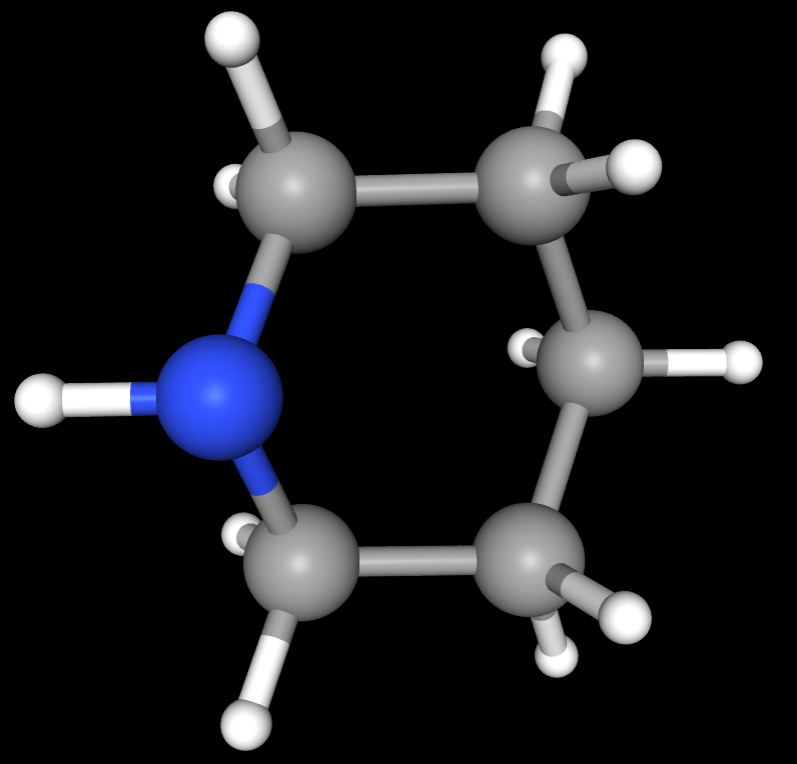
Taking the nitrogen atom as position 1, the carbon atoms in the piperidine ring can be divided into three groups according to their distance from nitrogen:
Position | Corresponding Carbon Atoms | Relationship to Nitrogen | Common Activation Modes |
α-Position | C2, C6 | Directly adjacent to nitrogen | Deprotonation, single-electron processes, hydrogen atom transfer, iminium formation |
β-Position | C3, C5 | Separated from nitrogen by one carbon atom | Directed metalation, β-deprotonation and elimination after iminium formation, remote radical processes, biocatalytic oxidation |
γ-Position | C4 | Opposite nitrogen | Directed metalation, remote radical processes, biocatalytic oxidation |
In unsubstituted piperidine, C2 and C6 are symmetry-related, as are C3 and C5. Introduction of a carbon substituent, an N-protecting group, or a directing group can disrupt this symmetry, causing originally equivalent C–H bonds to display different reactivities.
The α-position is generally more readily functionalized because the adjacent nitrogen atom can participate in the formation of multiple types of reactive intermediates. The β- and γ-positions do not experience the same degree of direct electronic influence and therefore usually require additional recognition modes, such as directing groups, remote hydrogen atom transfer, or enzymatic catalysis.[1,2]
2.2 C–H Bond Strength Alone Cannot Predict the Product
In radical reactions, bond dissociation energy is commonly used to assess the thermodynamic ease of homolytic C–H bond cleavage. However, this parameter alone cannot determine the final regioselectivity. The actual reaction is also influenced by the following factors:
① The polarity of the C–H bond and its polar matching with the hydrogen-abstracting reagent;
② Steric resistance encountered as the reagent approaches the target C–H bond;
③ The relative populations and reactivities of different chair conformations of piperidine;
④ Whether C–H cleavage and intermediate formation are reversible;
⑤ The rate at which an intermediate enters the subsequent bond-forming step;
⑥ Whether the product continues to undergo epimerization or other transformations.
Even if a particular C–H bond is relatively easy to cleave, the resulting intermediate may rapidly revert to the starting material or may not readily enter the subsequent bond-forming process. Conversely, even if an intermediate is formed in a relatively low proportion, it may still give the major product if it enters an irreversible reaction step sufficiently rapidly.
A 2024 report on α-C–H arylation of dialkylamine-derived ureas demonstrated that the initial hydrogen atom transfer and the subsequent radical aryl migration must be analyzed as a continuous reaction pathway. Certain more sterically hindered methylene or methine positions could undergo arylation preferentially over an N-methyl group. This preference did not arise because one individual C–H bond had a clear intrinsic bond-strength advantage, but because the overall activation energies of the competing pathways differed.[7]
3 How the Nitrogen Atom Changes α-Position Reactivity
3.1 The α-Carbon Can Enter Three Principal Electronic States
Depending on the reaction conditions, the carbon atom adjacent to nitrogen can form intermediates with different electronic properties.
State of the α-Carbon | Principal Mode of Formation | Reactivity of the α-Carbon | Common Subsequent Reactions |
Carbanion or organolithium species | Deprotonation with a strong base | Nucleophilic | Electrophilic trapping or transmetalation |
α-Amino radical | Single-electron process or hydrogen atom transfer | Single-electron reactivity | Radical addition, migration, or metal capture |
Iminium ion | Oxidation, dehydrogenation, or further oxidation of a radical | Electrophilic | Nucleophilic addition, hydration, or elimination |
The term “α-C–H bond activation” does not refer to a single fixed process. Deprotonation with a strong base converts the α-carbon into a nucleophilic center; homolytic hydrogen atom transfer converts it into a radical center; and oxidation to an iminium ion converts the α-carbon into an electrophilic center.
The essential difference among reaction conditions is that they convert the same α-carbon into different electronic states, thereby determining which types of reaction partners can form a bond at that position.
3.2 The Nitrogen Atom Influences Polar Matching in Hydrogen Atom Transfer
Hydrogen atom transfer (HAT) reactions are influenced not only by bond dissociation energies but also by polar effects. In many amines and their derivatives, α-C–H bonds have relatively hydridic character, which may provide favorable polar matching with electrophilic hydrogen-abstracting radicals.
The magnitude of this effect depends on the substitution and protection state of the nitrogen atom and cannot be generalized to mean that all piperidine derivatives possess identical α-C–H reactivity. The size of the HAT reagent, the spatial exposure of the target C–H bond, and the energy barriers of subsequent radical reactions also jointly influence the final site selectivity.[7]
3.3 The Nitrogen Substituent Acts as a Reaction-Control Element
Nitrogen substituents such as tert-butoxycarbonyl (Boc), acyl, sulfonyl, urea, and aryl groups can simultaneously alter multiple properties:
① The basicity and nucleophilicity of the nitrogen atom;
② The ease of α-deprotonation;
③ The redox properties of the amine or nitrogen-containing substrate;
④ The formation and stability of radicals and iminium ions;
⑤ The coordination modes of lithium ions or transition metals;
⑥ The conformational distribution and reactive conformations of the piperidine ring.
For N-Boc piperidine, the carbamate carbonyl can participate in lithium-ion coordination, thereby influencing α-deprotonation, organolithium aggregation, and configurational interconversion. Such systems commonly employ a strong organolithium reagent, a diamine ligand, and low-temperature conditions. Low temperatures also help reduce competitive attack of the organolithium reagent on the Boc carbonyl.[3,4]
Under oxidative conditions, the Boc-protected form can also support formation of the corresponding iminium intermediate. A 2025 photocatalytic study employed a Boc carbamate-stabilized iminium ion as a common intermediate and directed the reaction into either an α-hydroxylation pathway or a β-deprotonation–elimination pathway by changing the base.[5]
Therefore, the nitrogen substituent is not used merely to suppress side reactions involving the nitrogen atom; it also participates in controlling the reaction site, intermediate type, and direction of subsequent transformation.
4 How Chair Conformations Control Reaction Site and Stereochemistry
4.1 The Ground-State-Preferred Conformation Does Not Necessarily Directly Produce the Major Product
Piperidine generally adopts a chair conformation, in which carbon substituents and C–H bonds may occupy axial or equatorial orientations. Many carbon-substituted piperidines favor conformations in which larger substituents are equatorial, although the molecule can still interconvert between different chair conformations through ring inversion.
When analyzing reaction selectivity, three types of conformations must be distinguished:
Conformation Type | Meaning | Influence on Selectivity |
Ground-state-preferred conformation | The conformation present in a higher proportion before reaction | Determines the initial conformational distribution |
Reactive conformation | A conformation capable of entering the transition state through a relatively low energy barrier | Determines which C–H bond is actually activated |
Product-preferred conformation | The more stable conformation after bond formation or isomerization | Influences the cis/trans ratio measured at the end of the reaction |
A less populated conformation may still become the principal source of the major product if it undergoes C–H cleavage or bond formation through a lower energy barrier. Therefore, the reaction outcome cannot be predicted solely from whether a substituent prefers an axial or equatorial orientation in the ground state.
4.2 Differences Between Axial and Equatorial Orientations Involve the Overall Reaction Geometry
The distinction between axial and equatorial C–H bonds is not limited to steric hindrance. It also affects:
① The distance and angle between the C–H bond and the metal center;
② Whether a cyclometalated intermediate of an appropriate size and conformation can form;
③ The orbital and spatial relationships required for intramolecular radical migration;
④ The cis or trans relationship between a newly formed bond and an existing substituent;
⑤ Ring strain and nonbonded interactions in subsequent transition states.
In piperidines bearing an aminoquinoline amide directing group at C3, palladium catalysis can selectively achieve C4 arylation. Mechanistic studies indicate that both oppositely oriented C–H bonds at C4 can undergo initial activation, but the corresponding palladacyclic intermediates differ in ring strain and in the energy barriers for subsequent oxidative addition. As a result, the cis-3,4-disubstituted product is formed predominantly.[8,9]
4.3 The Final Diastereomeric Ratio May Change After Bond Formation
Under radical conditions, a C–H bond in the product may undergo HAT again, causing epimerization of the newly formed stereogenic center.
In radical aryl-migration reactions of certain 4-substituted piperidines, the trans-2,4-disubstituted product becomes progressively enriched as the reaction proceeds. The results support the involvement of reversible HAT in redistribution of the product stereochemistry.[7]
Therefore, the diastereomeric ratio measured at the end of the reaction may reflect both:
① The kinetic selectivity of the initial C–C bond-forming event;
② The distribution established after subsequent product epimerization.
5 How Four Classes of Key Intermediates Generate Selectivity
Intermediate Type | Principal Reaction Position | Nature of the Carbon Center | Principal Sources of Selectivity |
α-Metalated carbanion | α-Position | Nucleophilic | Coordinated deprotonation, aggregation state, configurational interconversion, and electrophilic trapping |
Iminium ion or dipolar nitrogen-containing intermediate | α-Position, or β-position affected by subsequent reaction | Electrophilic or 1,3-dipolar reactivity | Oxidation, trapping, elimination, and cycloaddition geometry |
α-Amino radical or remote carbon radical | α-Position or a remote position reached after migration | Single-electron reactivity | HAT polarity, spatial accessibility, migration, and subsequent capture |
Cyclometalated intermediate | β-Position, γ-position, or a position adjacent to a directing group | Metal–carbon bond reactivity | Directing-group coordination, metallacycle size, ring strain, and subsequent bond-forming steps |
5.1 α-Metalated Carbanions: Converting the α-Carbon into a Nucleophilic Center
N-Boc piperidine can undergo α-deprotonation in the presence of sec-butyllithium and N,N,N′,N′-tetramethylethylenediamine (TMEDA), forming 2-lithio-N-Boc piperidine.
The process can be represented by the following simplified net transformation:
N-Boc piperidine → 2-lithio-N-Boc piperidine → 2-substituted N-Boc piperidine
The first step generally requires sec-butyllithium, TMEDA, and low-temperature conditions, whereas the second step involves trapping with an electrophile. This simplified representation shows only the relationship among the substrate, intermediate, and product; it does not imply that the organolithium species exists as a single free structure in solution.
Deprotonation of N-Boc piperidine produces two enantiomeric configurations of the 2-lithiated species. In the presence of a chiral dilithiated diamino alkoxide ligand and TMEDA, the two organolithium species can form diastereomeric coordination complexes and undergo redistribution through ligand exchange and configurational interconversion. Differences in the stability and trapping rates of these complexes allow electrophilic trapping to generate enantioenriched 2-substituted piperidines.[3,4]
The enantioselectivity of this process is controlled primarily by four factors:
① The rate of interconversion between the two organolithium configurations;
② The binding and equilibrium between the chiral ligand and the organolithium species;
③ The relative stability of the different diastereomeric ligand complexes;
④ The rate of electrophilic trapping relative to configurational interconversion.
This route is suitable for electrophilic substitution at the α-position and can also proceed through lithium–zinc transmetalation to enter a Negishi coupling.[3] Its application is limited by the requirements for a strong base, low temperature, anhydrous conditions, and functional-group compatibility.
5.2 Iminium Ions and Dipolar Intermediates: Changing the Polarity and Bond-Forming Mode of the α-Carbon
5.2.1 Iminium Ions
Iminium ions can be generated from amines or N-protected piperidines through oxidation or dehydrogenation, or through further oxidation of an α-amino radical. The iminium carbon is electrophilic and can be trapped by water, alcohols, carbon nucleophiles, or other nucleophilic components.
This pathway has the opposite polarity to the organolithium route:
① The organolithium route converts the α-carbon into a nucleophilic center;
② The iminium route converts the α-carbon into an electrophilic center.
After formation of an iminium ion, regioselectivity can continue to diverge. In a 2025 photocatalytic study, a Boc-stabilized iminium ion served as the common intermediate for both α-hydroxylation and β-elimination. Depending on the base, water could trap the iminium ion at the α-position to form a stable, isolable α-hydroxy hemiaminal, or β-deprotonation could occur to form a vinyl carbamate.[5]
The α- and β-functionalized products in this system do not arise from two completely independent C–H activation events, but from different subsequent reactions of the same α-oxidized intermediate.
5.2.2 Azomethine Ylides
Azomethine ylides are nitrogen-containing 1,3-dipolar intermediates that can undergo cycloaddition with electron-deficient alkenes and other dipolarophiles.
A 2017 study reported that piperidine, promoted by 4-(trifluoromethyl)benzoic acid, reacted through an azomethine ylide intermediate with the corresponding dipolarophile to form spirooxindole products. Formally, the reaction involves net transformation of the piperidine N–H bond and multiple α- and β-C–H bonds. However, the selectivity arises primarily from formation of the azomethine ylide and the geometry of the cycloaddition, rather than from separate recognition of multiple C–H bonds by the reagents.[6]
Such dipolar reactions are suitable for rapidly constructing polycyclic or spirocyclic structures, but they generally depend on specific reaction components and dipolarophiles and do not represent a general method for single-site C–H substitution.
5.3 Radical Intermediates: Selectivity Depends on the Complete Reaction Cascade
Piperidine-related carbon radicals are formed mainly through three pathways:
① The amine first undergoes single-electron transfer (SET) to form a radical cation, followed by deprotonation at the α-position;
② A HAT reagent directly abstracts a hydrogen atom from the target C–H bond;
③ An initially formed radical migrates to a remote carbon atom through intramolecular HAT.
The resulting α-amino radical can react with an alkene, an aromatic ring, or a metal intermediate, or can undergo a further SET event to enter a radical–polar crossover process.
In the photocatalytic arylation of dialkylamine-derived ureas, a thiyl radical generated from triisopropylsilanethiol first performs α-HAT, and the resulting carbon radical subsequently undergoes an intramolecular 1,4-aryl migration. Mechanistic and computational studies indicate that, for the methylene-functionalization pathway, the higher energy barrier occurs in the initial hydrogen-abstraction step, whereas for the competing N-methyl pathway, the higher energy barrier occurs in the subsequent radical-addition step. The final regioselectivity is therefore determined by differences in the energy barriers of the complete reaction pathways.[7]
Radical reactions may also change the stereochemical outcome after bond formation through reversible HAT. Accordingly, analysis of such reactions requires simultaneous consideration of:
① Where the initial radical is formed;
② Whether the radical can undergo reverse HAT or positional migration;
③ Which radical enters an irreversible bond-forming step more rapidly;
④ Whether the product can regenerate a radical and undergo epimerization.
5.4 Cyclometalated Intermediates: Using Coordination Geometry to Reach Remote Positions
The α-position can directly enter multiple reaction pathways through the electronic influence of the nitrogen atom, whereas C3 and C4 generally lack an equivalent degree of intrinsic activation. Directed transition-metal catalysis coordinates the substrate to the metal and positions the metal center near the target C–H bond, thereby enabling remote functionalization.
A palladium-catalyzed reaction directed by a C3 aminoquinoline amide can achieve C4 arylation of piperidine and predominantly furnish the cis-3,4-disubstituted product.[8]
Subsequent mechanistic studies reached the following conclusions:
① Palladacycle formation occurs preferentially at C4;
② Both the cis- and trans-oriented C–H bonds at C4 can undergo initial activation;
③ Palladacycle formation is reversible;
④ The trans-palladacyclic intermediate has greater ring strain;
⑤ This energy difference persists into the subsequent transition states;
⑥ Oxidative addition is an important stereochemistry-determining step in this system.[9]
Therefore, the regioselectivity of the reaction originates mainly from the directing group and the geometry of palladacycle formation, whereas the cis/trans selectivity is associated with the strain of the palladacyclic intermediates and the energy barriers of the subsequent oxidative-addition step.
6 At Which Step Is Selectivity Established?
Selectivity in piperidine C–H functionalization can be established at different stages.
6.1 Control by C–H Bond Cleavage
When C–H bond cleavage is irreversible and the cleavage rates at different positions differ substantially, the position that forms the intermediate more rapidly generally corresponds to the major product.
Certain strong-base deprotonation and HAT reactions may approach this situation, although it remains necessary to determine whether subsequent trapping is sufficiently rapid and whether intermediate interconversion occurs.
6.2 Control by Intermediate Trapping
When different C–H bonds can reversibly form different intermediates, the intermediate that enters an irreversible bond-forming step more rapidly may determine the final selectivity.
In palladium-catalyzed C4 arylation, palladacycle formation is reversible, and the subsequent oxidative-addition step has an important influence on cis/trans selectivity.[9]
In iminium systems, the same intermediate can also produce different regioisomeric outcomes through competition between hydration and β-elimination.[5]
6.3 Control by Post-Bond-Formation Isomerization
When the product can regenerate a radical, carbanion, or another interconvertible species, the initial product ratio may change during the reaction.
Certain 2,4-disubstituted piperidines undergo reversible HAT under photocatalytic conditions, so the final cis/trans product ratio does not necessarily correspond to the ratio formed during the first C–C bond-forming event.[7]
The overall sequence of assessment can be summarized as follows:
Stage | Central Question |
Conformational distribution | Which C–H bonds are oriented in a reactive direction? |
C–H activation | Which C–H bond forms an intermediate more rapidly? |
Intermediate evolution | Is the intermediate reversible, interconverting, or capable of migration? |
Bond-forming step | Which intermediate enters an irreversible product-forming pathway more rapidly? |
Product transformation | Does the initial product continue to undergo isomerization or decomposition? |
7 How to Select a Reaction Strategy According to the Target Structure
Synthetic Objective | Strategy to Evaluate Preferentially | Principal Controlling Factors | Conditions Requiring Attention |
Introduction of an electrophilic fragment at C2 or C6 | α-Lithiation and electrophilic trapping | Coordinated deprotonation, configurational interconversion | Strong base, low temperature, anhydrous conditions |
Introduction of a nucleophilic fragment at C2 | Iminium-ion trapping | Oxidation site, nucleophilic addition | Overoxidation, hydrolysis, and elimination |
Radical arylation or alkylation at C2 | HAT- or SET-based radical pathway | Polar matching, spatial accessibility, subsequent capture | Regioselective competition and epimerization |
Site-selective functionalization at C3 or C4 | Directed cyclometalation | Coordination distance, metallacycle conformation | Installation and removal of the directing group, metal residues |
Oxidation at a remote position followed by bond formation | Biocatalytic oxidation and radical coupling | Enzymatic site and stereochemical recognition | Enzyme substrate scope and integration of the two steps |
Construction of polycyclic or spirocyclic structures | Azomethine ylide cycloaddition | Dipole formation and cycloaddition geometry | Dipolarophile structure and substrate scope |
A 2024 study used carboxylated piperidines, including piperidine-2-carboxylic acid and piperidine-3-carboxylic acid derivatives, as representative substrates to combine biocatalytic C–H oxidation with radical cross-coupling. Enzymatic oxidation controlled the reaction site and stereochemistry, after which radical reactions installed different carbon fragments.[10]
This combined strategy assigns site recognition and carbon–carbon bond formation to different reaction steps, reducing the difficulty of requiring a single catalytic system to solve multiple selectivity problems simultaneously.
When selecting a specific route, the following conditions should also be evaluated in sequence:
① Whether control of absolute configuration is required.
If the target product requires a specific enantiomer, it is necessary to determine whether a chiral ligand, chiral catalyst, enzymatic catalyst, or pre-existing stereogenic center can provide sufficient control.
② Whether installation and removal of a directing group are acceptable.
A directing group can improve remote regioselectivity, but its installation and removal add synthetic steps and may affect the overall yield and functional-group compatibility.
③ Whether the substrate contains functional groups that are sensitive to the reaction conditions.
Acidic protons, carbonyl groups, halides, unsaturated bonds, and readily oxidized groups may be affected by strong bases, oxidants, radicals, or metal-catalyzed conditions.
④ Whether the product may undergo epimerization.
If a newly formed stereogenic center still contains a C–H bond that can undergo deprotonation or HAT, the cis/trans ratio may change during the reaction.
⑤ Whether the reaction equipment and workup can meet the requirements for irradiation, low temperature, and metal removal.
Photochemical reactions require consideration of optical path length and heat dissipation; low-temperature organolithium reactions require stable temperature control and anhydrous operation; and transition-metal catalysis may require evaluation of residual-metal removal and analysis.
Transition-metal-free conditions are not necessarily mild or associated with a lower environmental burden. Strong organolithium reagents, stoichiometric oxidants, peroxides, low-temperature operation, and large quantities of solvent can likewise affect reaction safety, energy consumption, and scalability.
8 Classification and Research Applications of Representative Chemicals Related to Piperidine C–H Bond Selectivity Control, Key Intermediates, and Functionalization Studies
Note: The tables below include substrates, catalysts, and reagents used in the studies described in the references, as well as related products used for mechanistic verification, condition comparison, and route expansion. The inclusion of an expanded product does not indicate that it has been experimentally validated in the specific reaction systems discussed in this article.
Table 1. Core Piperidine Substrates, N-Protecting Reagents, and Position-Specific Reference Building Blocks
Category | CAS No. | Aladdin Cat. No. | Name | Specification or Purity | Product Features and Applications |
Core piperidine scaffold | 110-89-4 | P1506303 | Piperidine (Controlled Precursor Chemical) | ≥99% | A fundamental parent scaffold for studying piperidine C–H selectivity; used to compare the reactivity of the α-, β-, and γ-positions and to investigate nitrogen effects, chair conformations, and different functionalization pathways. |
tert-Butoxycarbonyl protecting reagent | 24424-99-5 | Di-tert-butyl dicarbonate | ≥99% | Used for tert-butoxycarbonyl protection of the piperidine nitrogen and for regulating α-deprotonation, redox properties, lithium-ion coordination, and metal-catalyzed reactivity. | |
Benzyloxycarbonyl protecting reagent | 501-53-1 | Benzyl chloroformate | ≥96%, contains 0.1% sodium carbonate as stabilizer | Used for benzyloxycarbonyl protection of the piperidine nitrogen and for comparative studies of the effects of different N-protecting groups on C–H activation, conformational distribution, and functional-group compatibility. | |
N-Acylated structural reference | 618-42-8 | 1-Acetylpiperidine | ≥98% (GC) | An N-acylpiperidine reference substrate; used to investigate the effects of N-acylation on α-C–H polarity, amine oxidation behavior, radical formation, and conformation. | |
α-Carboxylated piperidine building block | 98303-20-9 | N-Boc-DL-piperidine-2-carboxylic acid | ≥98% | Used for studies of C2 substitution, α-position stereochemistry, and carboxylic acid derivatization; it may also serve as a substrate for decarboxylative radical coupling and as a reference for site selectivity. | |
β-Carboxylated piperidine building block | 84358-12-3 | 1-(tert-Butoxycarbonyl)piperidine-3-carboxylic acid | ≥98% | Used to construct C3 amide-type directing substrates and to investigate directing-group-assisted C4 C–H arylation, remote site selectivity, and cis/trans stereochemical control. | |
γ-Carboxylated piperidine building block | 84358-13-4 | 1-Boc-piperidine-4-carboxylic acid | ≥99% | Used as a C4 structural reference and for carboxylic acid derivatization, redox-active ester preparation, and decarboxylative radical functionalization studies. | |
α-Oxidation-state reference building block | 85908-96-9 | 1-Boc-2-piperidone | ≥95% | Used for structural reference and synthetic studies involving the α-position oxidation state of piperidine, lactam reactivity, carbonyl transformations, and iminium-related pathways. |
Table 2. Reagents Related to α-Lithiation, Coordination Control, and Electrophilic Trapping
Category | CAS No. | Aladdin Cat. No. | Name | Specification or Purity | Product Features and Applications |
Lithium–zinc transmetalation reagent | 7646-85-7 | Zinc chloride | Guaranteed reagent, ≥98% | Used for lithium–zinc transmetalation of α-lithiated piperidines to generate organozinc intermediates and connect them with subsequent cross-coupling and carbon–carbon bond-forming studies. | |
Ether solvent for reactions and workup | 60-29-7 | D1506342 | Diethyl ether (Controlled Precursor Chemical) | For HPLC, ≥99%, stabilized with ethanol | Used for organic-reaction workup, extraction, and studies of ether-solvent effects; because this grade contains ethanol as a stabilizer, the influence of protic impurities must be evaluated when it is used in organolithium systems. |
Anhydrous ether reaction solvent | 109-99-9 | Tetrahydrofuran (THF) | Anhydrous grade, ≥99.9%, unstabilized | Used for organolithium deprotonation, lithium-ion coordination, low-temperature reactions, and lithium–zinc transmetalation, providing an anhydrous ether medium for α-metalation studies. | |
Borylation electrophilic trapping reagent | 121-43-7 | Trimethyl borate | ≥99.997% metals basis | Used to trap α-lithiated piperidines and construct boron-containing intermediates or boronic acid-derived synthetic interfaces, which can be connected with subsequent oxidation, coupling, and functional-group interconversion studies. | |
Organolithium coordination additive | 110-18-9 | Tetramethylethylenediamine (TMEDA) | Distillation grade, ≥99.5% (GC) | Used to regulate the aggregation state and basicity of organolithium reagents, promote α-deprotonation of N-protected piperidines, and investigate the effects of coordination equilibria on regioselectivity and stereoselectivity. | |
Carbonyl electrophilic trapping reagent | 100-52-7 | Benzaldehyde | Distillation grade, ≥99.5% | Used to trap α-metalated piperidines, construct hydroxyl-containing carbon–carbon bond-forming products, and evaluate organolithium formation efficiency and diastereoselectivity. | |
Strong organolithium base and condition-control reagent | 109-72-8 | n-Butyllithium | 2.7 M in hexane (25% solution) | Used for strong-base deprotonation, lithiation-condition screening, and organolithium-reactivity controls to investigate the effects of base structure on α-metalation of piperidines and competing side reactions. | |
Strong base for α-lithiation | 598-30-1 | sec-Butyllithium (s-BuLi) | 1.3 M in n-hexane | Used for selective α-deprotonation of N-protected piperidines to form 2-lithiated piperidines and for studies of electrophilic trapping, dynamic resolution, and stereochemical control. | |
Alkylating electrophilic trapping reagent | 74-88-4 | Iodomethane solution | ≥99%, 2.0 M in tert-butyl methyl ether | Used to trap α-metalated piperidines and introduce a methyl group, enabling evaluation of the deprotonation site, organolithium reactivity, and α-substitution efficiency. |
Table 3. Reagents Related to Iminium, Photoredox, and Radical Processes
Category | CAS No. | Aladdin Cat. No. | Name | Specification or Purity | Product Features and Applications |
Organic-dye photocatalyst | 17372-87-1 | Eosin Y, water-soluble | Indicator grade | Used for screening visible-light photoredox conditions, single-electron oxidation of amines, radical generation, and studies of the effects of irradiation on piperidine C–H functionalization. | |
Organic-dye photocatalyst | 632-69-9 | Rose Bengal | Biological stain | Used for visible-light sensitization, electron-transfer processes, and amine oxidation involving reactive oxygen species; it may also serve as a reference for comparing different organic-dye photocatalytic systems. | |
Radical-trapping and oxidation reagent | 2564-83-2 | TEMPO | Sublimation grade, ≥99% | Used to trap carbon radicals and verify radical pathways; it can also be used for selective oxidation of alcohols and related substrates and in mechanistic control experiments. | |
Iridium photoredox catalyst | 94928-86-6 | Tris[2-phenylpyridinato-C²,N]iridium(III) | Sublimation grade | Used for visible-light single-electron transfer, activation of radical precursors, generation of carbon radicals, and studies of radical–polar crossover processes. | |
Peroxide oxidant | 75-91-2 | tert-Butyl hydroperoxide (TBHP) | 5.0–6.0 M in decane | Used for amine oxidation, oxidative dehydrogenation, radical initiation, and screening of cross-dehydrogenative coupling conditions, as well as for studying the influence of peroxides on C–H transformations. | |
Hindered base and proton-transfer regulator | 108-75-8 | 2,4,6-Collidine | ≥99% | Used to study proton transfer, acid–base equilibria, and elimination conditions in photoredox and iminium systems while reducing interference from direct attack by nucleophilic bases. | |
Quinone oxidant | 84-58-2 | 2,3-Dichloro-5,6-dicyano-1,4-benzoquinone (DDQ) | ≥98% | Used for hydride transfer from amines, oxidative dehydrogenation, and iminium-ion formation, and for comparing two-electron oxidation pathways with radical pathways. | |
Promoter for azomethine ylide formation | 455-24-3 | 4-(Trifluoromethyl)benzoic acid | ≥98% | Used to promote the formation of piperidine-derived azomethine ylides and their 1,3-dipolar cycloaddition, enabling studies of net multisite transformations and spirocyclic scaffold construction. | |
Hypervalent iodine oxidant | 3240-34-4 | (Diacetoxyiodo)benzene (DIB) | ≥98% | Used for amine oxidation, activation of radical precursors, generation of reactive nitrogen-centered species, and screening of oxidative C–H functionalization conditions. | |
Photocatalytic hydrogen atom transfer catalyst | 68109-03-5 | Tetrabutylammonium decatungstate | ≥97% | Used for photoinduced hydrogen atom transfer from aliphatic C–H bonds to generate carbon radicals and to investigate the combined effects of polarity, steric hindrance, and conformation on site selectivity. | |
Amine-based hydrogen atom transfer catalyst | 100-76-5 | Quinuclidine | ≥97% | Used to form amine radical cations under photoredox conditions and mediate hydrogen atom transfer, enabling studies of polar matching and remote functionalization of piperidine C–H bonds. | |
Peracid oxidant | 937-14-4 | 3-Chloroperoxybenzoic acid (mCPBA) | ≥85% | Used for amine oxidation, amine oxide preparation, and oxidation-condition screening, as well as for studying the effects of nitrogen oxidation on the electronic properties of piperidines and their subsequent C–H transformations. |
Table 4. Reagents for Directed Palladium Catalysis, Arylation, and Radical-Coupling Interfaces
Category | CAS No. | Aladdin Cat. No. | Name | Specification or Purity | Product Features and Applications |
Palladium catalyst | 3375-31-3 | Palladium acetate | AR, Pd 46.0–48.0% | Used for directing-group-assisted C(sp³)–H activation and C4 arylation of piperidines and for studying palladacycle formation, regioselectivity, and cis/trans stereochemical control. | |
Inorganic base | 534-17-8 | Cesium carbonate | purum p.a., ≥98% (T) | Used for screening C–H activation, arylation, elimination, and nucleophilic substitution conditions and for regulating deprotonation and acid–base equilibria within catalytic cycles. | |
Supported silver-salt additive | 534-16-7 | Silver carbonate, supported | Extent of labeling: approximately 50 wt.% loading | Used to investigate silver-salt-mediated oxidative regeneration, halide capture, and heterogeneous additive effects and to evaluate the influence of silver salts on palladium-catalyzed C–H functionalization. | |
Silver-salt additive | 563-63-3 | Silver acetate | AR, ≥99.5% | Used for halide capture, oxidative regeneration, and investigation of acetate effects in palladium-catalyzed C–H functionalization; it may also serve as a comparative reagent for silver-free conditions. | |
Carboxylic acid activation and coupling reagent | 693-13-0 | N,N′-Diisopropylcarbodiimide (DIC) | ≥98.5% | Used for activation of piperidine carboxylic acids, construction of directing amides, and preparation of redox-active esters, connecting remote C–H studies with subsequent radical coupling. | |
Carboxylic acid additive | 75-98-9 | Pivalic acid (PivOH) | ≥99% | Used for screening carboxylate-assisted metalation–deprotonation conditions and for regulating the rate of palladium-catalyzed C–H activation, catalyst coordination, and competing side reactions. | |
Acyl-transfer catalyst | 1122-58-3 | 4-Dimethylaminopyridine | ≥99% | Used in amidation, esterification, and active-ester preparation of piperidine carboxylic acids to facilitate directing-group installation and radical-precursor construction. | |
Standard arylation coupling reagent | 591-50-4 | Iodobenzene | ≥99% | Used as a basic aryl source for palladium-catalyzed piperidine C–H arylation and for studying unsubstituted phenyl-group introduction, regioselectivity, and cis/trans product formation. | |
Electron-rich arylation coupling reagent | 696-62-8 | 4-Iodoanisole | ≥98% | Used as an electron-rich aryl iodide to investigate the effects of aryl-group electronics on oxidative addition, C–H arylation efficiency, and substrate scope. | |
Reagent for constructing a bidentate directing group | 578-66-5 | 8-Aminoquinoline | ≥98% | Used with piperidine-3-carboxylic acid to construct a bidentate amide directing group that positions the palladium center near C4 and enables studies of remote C–H activation and stereoselectivity. | |
Redox-active ester precursor | 524-38-9 | N-Hydroxyphthalimide (NHPI) | ≥98% | Used to prepare redox-active esters of piperidine carboxylic acids for studies of decarboxylative radical generation, carbon–carbon bond coupling, and position-defined functionalization. | |
Electron-deficient arylation coupling reagent | 455-13-0 | 4-Iodobenzotrifluoride | ≥97% | Used as an electron-deficient aryl iodide to study oxidative addition of trifluoromethyl-substituted aryl groups, C–H arylation reactivity, and electronic effects. |
Note: The products listed above are representative Aladdin research products. Additional product specifications, grades, and certificate of analysis information can be retrieved from the Aladdin website using the product name, CAS number, or catalog number.
References
[1] López-Mendoza P, Meza-León R L, Sartillo-Piscil F. The art of decorating piperidine scaffold into alkaloid precursors. Tetrahedron, 2025, 178: 134606. DOI: 10.1016/j.tet.2025.134606.
[2] Campos K R. Direct sp³ C–H bond activation adjacent to nitrogen in heterocycles. Chemical Society Reviews, 2007, 36: 1069–1084. DOI: 10.1039/B607547A.
[3] Beng T K, Gawley R E. Highly enantioselective catalytic dynamic resolution of N-Boc-2-lithiopiperidine: synthesis of (R)-(+)-N-Boc-pipecolic acid, (S)-(−)-coniine, (S)-(+)-pelletierine, (+)-β-conhydrine, and (S)-(−)-ropivacaine and formal synthesis of (−)-lasubine II and (+)-cermizine C. Journal of the American Chemical Society, 2010, 132: 12216–12217. DOI: 10.1021/ja105772z.
[4] Beng T K, Tyree W S, Parker T, Su C, Williard P G, Gawley R E. Dynamics of catalytic resolution of 2-lithio-N-Boc-piperidine by ligand exchange. Journal of the American Chemical Society, 2012, 134: 16845–16855. DOI: 10.1021/ja307796e.
[5] Rackl J W, Müller A F, Profyllidou A, Wennemers H. Regiodivergent α- and β-functionalization of saturated N-heterocycles by photocatalytic oxidation. Journal of the American Chemical Society, 2025, 147: 23381–23386. DOI: 10.1021/jacs.5c06177.
[6] Du Y, Yu A, Jia J, Zhang Y, Meng X. Direct N–H/α,α,β,β-C(sp³)–H functionalization of piperidine via an azomethine ylide route: synthesis of spirooxindoles bearing 3-substituted oxindoles. Chemical Communications, 2017, 53: 1684–1687. DOI: 10.1039/C6CC08996H.
[7] Xu J, Li R, Ma Y, Zhu J, Shen C, Jiang H. Site-selective α-C(sp³)–H arylation of dialkylamines via hydrogen atom transfer catalysis-enabled radical aryl migration. Nature Communications, 2024, 15: 6791. DOI: 10.1038/s41467-024-51239-3.
[8] Antermite D, Affron D P, Bull J A. Regio- and stereoselective palladium-catalyzed C(sp³)–H arylation of pyrrolidines and piperidines with C(3) directing groups. Organic Letters, 2018, 20: 3948–3952. DOI: 10.1021/acs.orglett.8b01521.
[9] Antermite D, White A J P, Casarrubios L, Bull J A. On the mechanism and selectivity of palladium-catalyzed C(sp³)–H arylation of pyrrolidines and piperidines at unactivated C4 positions: discovery of an improved dimethylaminoquinoline amide directing group. ACS Catalysis, 2023, 13: 9597–9615. DOI: 10.1021/acscatal.3c01980.
[10] He J, Yokoi K, Wixted B, Zhang B, Kawamata Y, Renata H, Baran P S. Biocatalytic C–H oxidation meets radical cross-coupling: simplifying complex piperidine synthesis. Science, 2024, 386: 1421–1427. DOI: 10.1126/science.adr9368.
For more related articles, see below:
Applications of imidazole and its derivatives
Substituted Azetidines in pharmaceutical chemistry, organic synthesis, and biochemistry