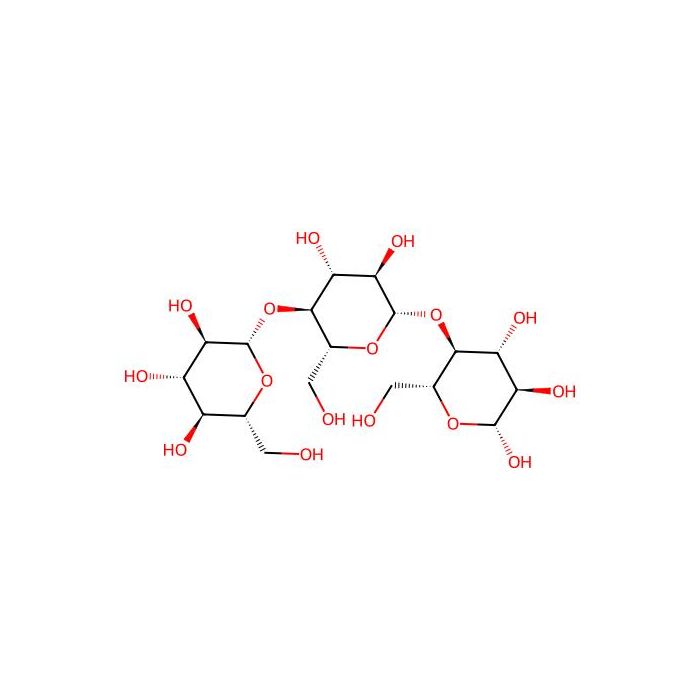
Cellulase from Trichoderma reesei, CAS No.9012-54-8

CAS: 9012-54-8 Cat. No.: C298999 EG-Nummer: 232-734-4
Zu bestellen verfügbar
QUALITÄT & REINHEIT Bioactive ? Bioactive grade — verified to retain biological activity in functional assays. Use when the molecule must be functionally active, not just pure. ActiBioPure™ ? ActiBioPure™ — Aladdin's premier line for bioactive and recombinant products. Use when both high purity and preserved biological activity are required. High Performance ? High-performance grade with optimized purity and performance characteristics. Use for sensitive analyses where ordinary grades fall short. EnzymoPure™ ? EnzymoPure™ — Aladdin's line of high-quality enzymatic solutions. Use when enzyme purity and defined activity drive assay or process performance. ≥700 EGU/g
Accession #
P07981,P07982
Bioactivity
≥700 EGU/g
★
Größe
Deutschland (EU)
USA*
Preis
Menge
50ml
C298999-50ml
—
1 Auf Lager

158,71€

185,61€
Speichern 26,90 € (14.49%)
250ml
C298999-250ml
—
1 Auf Lager

511,01€

596,92€
Speichern 85,91 € (14.39%)
Enter a quantity for the sizes you want to add.

Übersicht

Cellulase complexes with β-glucosidase for degrading cellobiose to glucose polymer. The lignin content in straw and furfural residues hampers cellulase production.
Cellulase from Trichoderma reesei is produced by submerged fermentation of a selected strain of the fungus Trichoderma reesei and catalyzes the breakdown of cellulose into glucose, cellobiose, and higher glucose polymers. It corresponds to a molecular mass of 68 kDa with optimum pH and temperature of 6 and 52° C, respectively.
Cellulase from Trichoderma reesei has been used:
for aqueous extraction of oil from corn germ
in the enzymatic hydrolysis of Sweet Sorghum Bagasse (SSB)
in the enzymatic digestion of paper grids

Spezifikationen

Product Name
Cellulase from Trichoderma reesei, CAS No.9012-54-8
Synonyme
Beta-D-Glucopyranosyl-(1->4)-Beta-D-Glucopyranosyl-(1->4)-Beta-D-Glucopyranose | (2S,3R,4S,5S,6R)-2-[(2R,3S,4R,5R,6S)-4,5-dihydroxy-2-(hydroxymethyl)-6-[(2R,3S,4R,5R,6R)-4,5,6-trihydroxy-2-(hydroxymethyl)oxan-3-yl]oxyoxan-3-yl]oxy-6-(hydroxymethyl)oxane-3,4,5-triol | CT3 | D-(+)-Cellotriose | beta-cellotriose | Cellulase | avicelase | bet Show more
Note
ActiBioPure™, Bioactive, High Performance, EnzymoPure™
Spezifikationen & Reinheit
Bioactive, ActiBioPure™, High Performance, EnzymoPure™, ≥700 EGU/g
Biochemische und physiologische Mechanismen
Endoglucanase (EG) that cleaves the internal beta-1,4-glucosidic bonds in cellulose. The degradation of cellulose involves an interplay between different cellulolytic enzymes. Hydrolysis starts with EGs, which cut internal glycosidic linkages to reduce the polymerization degree of the substrate and creates new chain ends for exocellobiohydrolases (CBHs). The CBH release the disaccharide cellobiose from the non-reducing end of the cellulose polymer chain. Finally, beta-1,4-glucosidases hydrolyze the cellobiose and other short cello-oligosaccharides into glucose units (Probable).
Bioaktivität
≥700 EGU/g
Beitritt #
CAS
9012-54-8
Enzym Kommissionsnummer
3.2.1.4
Molekültyp
Enzyme
Rechtliche Informationen
Lagerung und Versand
Konzentration
≥700 EGU/g
Storage
Store at 2-8°C
Verschickt in
Wet ice
Definition der Einheit
Under specified conditions, 1 EGU is defined as the amount of enzyme that hydrolyzes sodium carboxymethylcellulose (CMC-Na) and releases reducing sugars equivalent to 1 micromole (μmol) of glucose per minute per gram of enzyme.

Erweiterte Daten

Zertifikate (CoA, COO, BSE/TSE und Analyse-Diagramm)
C of A & Other Certificates(BSE/TSE, COO):
Analytical Chart:

Find and download the COA for your product by matching the lot number on the packaging.

15 results found

Lot NumberCertificate TypeDatumArtikel
H2627064H2627064Certificate of AnalysisAug 11, 2026 C298999
H2627065H2627065Certificate of AnalysisAug 11, 2026 C298999
F2625279F2625279Certificate of AnalysisJun 15, 2026 C298999
F2625337F2625337Certificate of AnalysisJun 15, 2026 C298999
H2604078H2604078Certificate of AnalysisJun 15, 2026 C298999
B2604269B2604269Certificate of AnalysisJan 26, 2026 C298999
B2604270B2604270Certificate of AnalysisJan 26, 2026 C298999
G2529065G2529065Certificate of AnalysisAug 08, 2025 C298999
D2408035D2408035Certificate of AnalysisJul 16, 2025 C298999
K2111677K2111677Certificate of AnalysisMay 09, 2025 C298999
K2111676K2111676Certificate of AnalysisAug 02, 2023 C298999
E2129100E2129100Certificate of AnalysisMar 09, 2023 C298999
J2316025J2316025Certificate of AnalysisOct 24, 2022 C298999
K2230508K2230508Certificate of AnalysisOct 24, 2022 C298999
K2230509K2230509Certificate of AnalysisOct 24, 2022 C298999
FAQs und Artikel
Cellulase: Composition of Multicomponent Enzyme Systems, Mechanisms of Action, and Key Application Considerations
Key Roles of Purified Proteins in the Cleaning Industry and Green Ecology
Extraction Methods and Process Selection for Flavonoid Compounds
Plant Cell Wall-Degrading Enzyme Systems and Their Research Applications
Mechanisms and Experimental Applications of Cell Wall Polysaccharide-Degrading Enzymes: Plant Cell Walls, Fungal Cell Walls, and Bacterial Peptidoglycan Systems
Application of Fatty Acid Methyl Ester Sulfonate (MES) in Household Detergent and Cleaning Formulations: Detergency, Hard-Water Tolerance, and Selection Criteria
Performance Sources and Formulation Applications of Enzyme-Based Ingredients in Daily Chemical Products: Fermentation Transformation, Enzymatic Reactions, and Application Principles
Mechanisms and Applications of Feruloyl Esterase in Feed and Food Fermentation
Experimental Evaluation of the Synergistic Actions of Endoglucanase, CBH I, and β-Glucosidase in Lignocellulosic Saccharification
Experimental Applications of Carboxymethyl Cellulose (CMC) Solution in Enzyme Assays, Suspension Systems, and Functional Materials
Aladdin® Plant Research Related Products
Catalytic Mechanisms, Functional Division, and Research Applications of Key Enzymes in Cellulose Degradation
Citations of This Product
Lösungsrechner
Bewertungen

Kundenbewertungen

Benötigen Sie Hilfe bei der Auswahl der Qualität?

Unser Leitfaden zur Qualitätsauswahl behandelt Reinheit, Stabilisatorstatus und Anwendungseignung für alle Varianten in unserem Katalog.

Bioactive Qualitätsleitfaden ansehen → ActiBioPure™ Qualitätsleitfaden ansehen → High Performance Qualitätsleitfaden ansehen → EnzymoPure™ Qualitätsleitfaden ansehen →

Dürfen wir Sie über Rabattaktionen informieren?

Später erinnern

Vielen Dank! Bitte überprüfen Sie Ihren E-Mail-Posteingang, um zu bestätigen.

Hoppla! Benachrichtigungen sind deaktiviert.