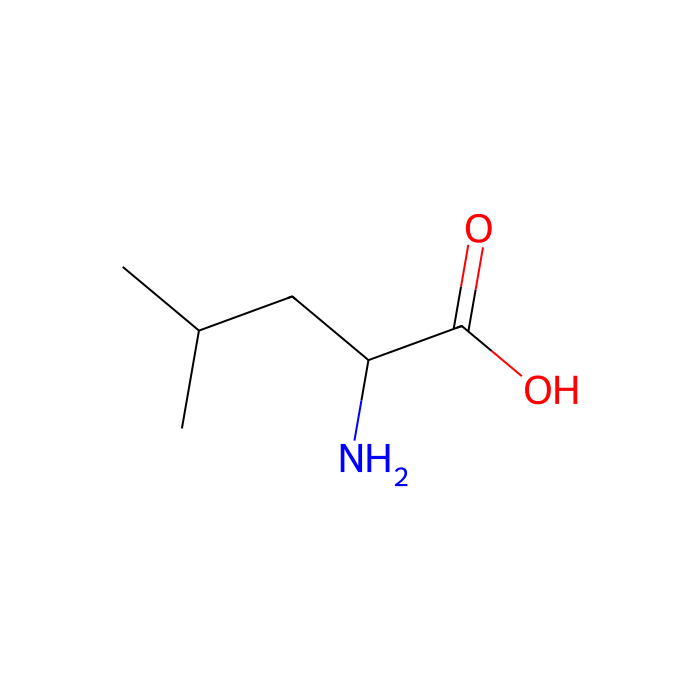
L-Leucine - Animal Free, USP, JP, Moligand™, Ph.Eur., for cell culture, ≥98.5% , CAS No.61-90-5

CAS: 61-90-5 Cat. No.: L433130 Summenformel: C6H13NO2 Molekulargewicht: 131.17 Beilstein Registry Number: 4437 EG-Nummer: 200-522-0
Zu bestellen verfügbar
QUALITÄT & REINHEIT Animal Free ? Animal-free — produced without animal-derived components to reduce contamination risk. Use in biomanufacturing and culture avoiding animal-origin material. USP ? United States Pharmacopeia grade — meets USP monograph specs for pharmaceutical use. Use for drug manufacturing, QC, and applications requiring US compendial compliance. JP ? Japanese Pharmacopoeia grade — conforms to JP monograph standards. Use for pharmaceutical products subject to Japanese regulatory requirements. Moligand™ ? Moligand™ — Aladdin's line of ligands and bioactive small molecules. Use for receptor, pathway, and binding studies needing defined small-molecule tools. Ph.Eur. ? European Pharmacopoeia grade — conforms to Ph.Eur. monographs across EU member states. Use for pharmaceutical work needing European compendial compliance. for Cell culture ? Cell-culture grade — low endotoxin and contaminants to support viable cell growth. Use in mammalian/other cell culture media and supplements. ≥98.5%
Synonyms
(S)-2-Amino-4-methylpentanoic acid|.alpha.-Amino-.gamma.-methylvaleric acid|LEUCINE [HSDB]|2-Amino-4-methylvaleric acid (L)|L-Leu|IS_LEUCINE-5,5,5-D3|(S)-2-Amino-4-methylpentanoate|L-LEUCINE [USP-RS]|Leucin [German]|Leucina [Latin,Spanish]|LEUCINE [WHO-DD]|starbld0005460|L-Norvaline, 4-methyl-|(S)-2-Amino-4-methylvaleric acid|Leucine (H-3)|L-Leucine, labeled with tritium|L-Leucine (JP17)|Norvaline, 4-methyl-|alpha-Aminoisocaproic acid|H-Leu-OH USP grade|leu|LEUCINE (EP MONOGRAPH)|LEUCINE [USP MONOGRAPH]|leucine|2-Amino-4-methylpentanoic acid, (S)-|Leucina [INN-Spanish]|L-LEUCINE [FCC]|H-Leu-OH|Leucine (L-Leucine)|Leucine [USAN:INN]|LEUCINE [VANDF]|LEUCINE (USP MONOGRAPH)|LEUCINE [INN]|L-leucine|Hleu|H-Leu|Valeric acid, 2-amino-4-methyl-, (S)-|L-.alpha.-Aminoisocaproic acid|(2S)-alpha-2-amino-4-methylvaleric acid|LEUCINE (MART.)|L-alpha-Aminoisocaproic acid|L-Leuzin|L-Leucine,(S)|2-Amino-4-methylpentanoic acid (L)|2-amino-4-methylvaleric acid|2-Amino-4-methyl-valeric acid|iso-C4H9CH(NH2)COOH|Leucina (INN-Spanish)|Leucine (USP)|LEUCINE [MI]|Leucine, l|LEUCINE, L-|Leuzin|L-LEUCINE [JAN]|(2S)-2-amino-4-methylpentanoate|Leucine (VAN)|Leucinum [INN-Latin]|L-(-)-2-Amino-4-methylpentanoic acid|Leucinum (INN-Latin)|L-a-Aminoisocaproate|Pentanoic acid, 2-amino-4-methyl-, (S)-|L-2-Amino-4-methylpentanoic acid|LEUCINE [MART.]|(S)-(+)-Leucine|(S)-Leucine|L-(+)-Leucine|Leucina (Latin,Spanish)|LEUCINE [EP MONOGRAPH]|Leucinum|(L)-leucine|(S)-2-Amino-4-methylvalerate|L-alpha-Aminoisocaproate|LEUCINE (II)|Pharmakon1600-01301005|3h-l-leucine|Leucina|(2S)-2-amino-4-methylpentanoic acid|(2S)-2-amino-4-methyl-pentanoic acid|L-a-Aminoisocaproic acid|L-Leucine;|L-Leu-OH|(2S)-alpha-leucine|(3H)Leucine|LEUCINE [INCI]|LEUCINE [USAN]|LeuOH
Storage
Protected from light,Room temperature
Shipped In
Normal
★
Größe
Deutschland (EU)
USA*
Preis
Menge
25g
L433130-25g
—
8 Auf Lager
65,86€
100g
L433130-100g
2 Auf Lager
2 Auf Lager
160,44€
500g
L433130-500g
1 Auf Lager
2 Auf Lager
676,75€
Enter a quantity for the sizes you want to add.

Übersicht

Application

L-leucine has been used as a hypertrophic agent to monitor its effects on myotubes. It has also been used as a component of PMG media for culturing yeast.

Spezifikationen

Synonyme
(S)-2-Amino-4-methylpentanoic acid | .alpha.-Amino-.gamma.-methylvaleric acid | LEUCINE [HSDB] | 2-Amino-4-methylvaleric acid (L) | L-Leu | IS_LEUCINE-5,5,5-D3 | (S)-2-Amino-4-methylpentanoate | L-LEUCINE [USP-RS] | Leucin [German] | Leucina [Latin,Spanish] | LEUCINE [WHO-DD] | starbld0005460 | L-Norvaline, 4-methyl- | (S)-2-Amino-4-methy Show more
Spezifikationen & Reinheit
Animal Free, USP, JP, Moligand™, Ph.Eur., for cell culture, ≥98.5%
Biochemische und physiologische Mechanismen
Leucine is a non-glucogenic, essential amino acid. It is a branched-chain amino acid that is a structural component of proteins. Leucine positively influences insulin release to eliminate toxic sugars out of the blood. The degradation of leucine leads to
Storage
Protected from light,Room temperature
Verschickt in
Normal
Note
Animal Free, für die Zellkultur, JP, Moligand™, Ph.Eur., USP
Reinheit
≥98.5%
Namen und Kennungen
Pubchem Sid
Pubchem Sid Url
https://pubchem.ncbi.nlm.nih.gov/substance/504750999
SMILES
CC(C)CC(C(=O)O)N
IUPAC Name
(2S)-2-amino-4-methylpentanoic acid
InChIKey
ROHFNLRQFUQHCH-YFKPBYRVSA-N
InChI
1S/C6H13NO2/c1-4(2)3-5(7)6(8)9/h4-5H,3,7H2,1-2H3,(H,8,9)/t5-/m0/s1
Isomere SMILES
CC(C)C[C@@H](C(=O)O)N
WGK Deutschland
1
Molekulargewicht
131.17
Beilstein
4437
Reaxys
636005
Reaxys-RN_link_address
https://www.reaxys.com/reaxys/secured/hopinto.do?context=S&query=IDE.XRN=636005&ln=

Erweiterte Daten

Taxonomic Classification

Taxonomy Tree

KingdomOrganic compounds
SuperclassOrganic acids and derivatives
KlasseCarboxylic acids and derivatives
SubclassAmino acids, peptides, and analogues
Intermediate Tree Nodes Amino acids and derivatives - Alpha amino acids and derivatives
Direct ParentLeucine and derivatives
Alternative Parents L-alpha-amino acids  Methyl-branched fatty acids  Amino acids  Monocarboxylic acids and derivatives  Carboxylic acids  Organopnictogen compounds  Organic oxides  Monoalkylamines  Hydrocarbon derivatives  Carbonyl compounds  
Molecular FrameworkAliphatic acyclic compounds
Substituents Leucine or derivatives - Alpha-amino acid - L-alpha-amino acid - Branched fatty acid - Methyl-branched fatty acid - Fatty acid - Fatty acyl - Amino acid - Monocarboxylic acid or derivatives - Carboxylic acid - Organic oxide - Organopnictogen compound - Primary amine - Organooxygen compound - Organonitrogen compound - Primary aliphatic amine - Carbonyl group - Organic oxygen compound - Amine - Organic nitrogen compound - Hydrocarbon derivative - Aliphatic acyclic compound
BeschreibungThis compound belongs to the class of organic compounds known as leucine and derivatives. These are compounds containing leucine or a derivative thereof resulting from reaction of leucine at the amino group or the carboxy group, or from the replacement of any hydrogen of glycine by a heteroatom.
External Descriptors Common amino acids
3D-Struktur
Interaktives chemisches Strukturmodell


Zugehörige Ziele (menschlich)
CYP2D6 Tclin Cytochrome P450 2D6 (33882 Activities)
Activity TypeRelationActivity valueUnitsAction TypeJournalPubMed IddoiAssay Aladdin ID
CYP1A2 Tchem Cytochrome P450 1A2 (26471 Activities)
Activity TypeRelationActivity valueUnitsAction TypeJournalPubMed IddoiAssay Aladdin ID
CYP2C9 Tchem Cytochrome P450 2C9 (32119 Activities)
Activity TypeRelationActivity valueUnitsAction TypeJournalPubMed IddoiAssay Aladdin ID
CYP2C19 Tchem Cytochrome P450 2C19 (29246 Activities)
Activity TypeRelationActivity valueUnitsAction TypeJournalPubMed IddoiAssay Aladdin ID
CYP3A4 Tclin Cytochrome P450 3A4 (53859 Activities)
Activity TypeRelationActivity valueUnitsAction TypeJournalPubMed IddoiAssay Aladdin ID
Homo sapiens (32628 Activities)
Activity TypeRelationActivity valueUnitsAction TypeJournalPubMed IddoiAssay Aladdin ID
SLC7A5 Tchem L-type amino acid transporter 1 (388 Activities)
Activity TypeRelationActivity valueUnitsAction TypeJournalPubMed IddoiAssay Aladdin ID
ALPL Tchem Alkaline phosphatase, tissue-nonspecific isozyme (1551 Activities)
Activity TypeRelationActivity valueUnitsAction TypeJournalPubMed IddoiAssay Aladdin ID
Liver microsomes (16955 Activities)
Activity TypeRelationActivity valueUnitsAction TypeJournalPubMed IddoiAssay Aladdin ID
PLAA Tchem Phospholipase A-2-activating protein (44 Activities)
Activity TypeRelationActivity valueUnitsAction TypeJournalPubMed IddoiAssay Aladdin ID
SLC36A1 Tchem Proton-coupled amino acid transporter 1 (102 Activities)
Activity TypeRelationActivity valueUnitsAction TypeJournalPubMed IddoiAssay Aladdin ID
SLC16A10 SLC16A10 protein (28 Activities)
Activity TypeRelationActivity valueUnitsAction TypeJournalPubMed IddoiAssay Aladdin ID
Zugehörige Ziele (nicht menschlich)
Hdac6 Histone deacetylase 6 (222 Activities)
Activity TypeRelationActivity valueUnitsAction TypeJournalPubMed IddoiAssay Aladdin ID
Iap Intestinal alkaline phosphatase (419 Activities)
Activity TypeRelationActivity valueUnitsAction TypeJournalPubMed IddoiAssay Aladdin ID
Pseudomonas aeruginosa (123386 Activities)
Activity TypeRelationActivity valueUnitsAction TypeJournalPubMed IddoiAssay Aladdin ID
Klebsiella pneumoniae (43867 Activities)
Activity TypeRelationActivity valueUnitsAction TypeJournalPubMed IddoiAssay Aladdin ID
Staphylococcus aureus (210822 Activities)
Activity TypeRelationActivity valueUnitsAction TypeJournalPubMed IddoiAssay Aladdin ID
Staphylococcus epidermidis (22802 Activities)
Activity TypeRelationActivity valueUnitsAction TypeJournalPubMed IddoiAssay Aladdin ID
Escherichia coli (133304 Activities)
Activity TypeRelationActivity valueUnitsAction TypeJournalPubMed IddoiAssay Aladdin ID
Bacillus subtilis (32866 Activities)
Activity TypeRelationActivity valueUnitsAction TypeJournalPubMed IddoiAssay Aladdin ID
Aspergillus fumigatus (16427 Activities)
Activity TypeRelationActivity valueUnitsAction TypeJournalPubMed IddoiAssay Aladdin ID
Cryptococcus neoformans (21258 Activities)
Activity TypeRelationActivity valueUnitsAction TypeJournalPubMed IddoiAssay Aladdin ID
Candida albicans (78123 Activities)
Activity TypeRelationActivity valueUnitsAction TypeJournalPubMed IddoiAssay Aladdin ID
Candida parapsilosis (8521 Activities)
Activity TypeRelationActivity valueUnitsAction TypeJournalPubMed IddoiAssay Aladdin ID
Plasmodium berghei (192651 Activities)
Activity TypeRelationActivity valueUnitsAction TypeJournalPubMed IddoiAssay Aladdin ID
Mus musculus (284745 Activities)
Activity TypeRelationActivity valueUnitsAction TypeJournalPubMed IddoiAssay Aladdin ID
Sporothrix schenckii (1580 Activities)
Activity TypeRelationActivity valueUnitsAction TypeJournalPubMed IddoiAssay Aladdin ID
MDCK (10148 Activities)
Activity TypeRelationActivity valueUnitsAction TypeJournalPubMed IddoiAssay Aladdin ID
RAW264.7 (28094 Activities)
Activity TypeRelationActivity valueUnitsAction TypeJournalPubMed IddoiAssay Aladdin ID
NIH3T3 (5395 Activities)
Activity TypeRelationActivity valueUnitsAction TypeJournalPubMed IddoiAssay Aladdin ID
rep Replicase polyprotein 1ab (378 Activities)
Activity TypeRelationActivity valueUnitsAction TypeJournalPubMed IddoiAssay Aladdin ID
Trichophyton mentagrophytes (4846 Activities)
Activity TypeRelationActivity valueUnitsAction TypeJournalPubMed IddoiAssay Aladdin ID
Slc16a10 Monocarboxylate transporter 10 (73 Activities)
Activity TypeRelationActivity valueUnitsAction TypeJournalPubMed IddoiAssay Aladdin ID
SLC16A2 Monocarboxylate transporter 8 (28 Activities)
Activity TypeRelationActivity valueUnitsAction TypeJournalPubMed IddoiAssay Aladdin ID
Lipopolysaccharide (LPS) (376 Activities)
Activity TypeRelationActivity valueUnitsAction TypeJournalPubMed IddoiAssay Aladdin ID
SARS-CoV-2 (38078 Activities)
Activity TypeRelationActivity valueUnitsAction TypeJournalPubMed IddoiAssay Aladdin ID
Wirkungsmechanismen
Zertifikate (CoA, COO, BSE/TSE und Analyse-Diagramm)
C of A & Other Certificates(BSE/TSE, COO):
Analytical Chart:

Find and download the COA for your product by matching the lot number on the packaging.

9 results found

Lot NumberCertificate TypeDatumArtikel
H2605063H2605063Certificate of AnalysisAug 17, 2026 L433130
D2623842D2623842Certificate of AnalysisApr 25, 2026 L433130
E2326859E2326859Certificate of AnalysisMar 11, 2026 L433130
E2326860E2326860Certificate of AnalysisMar 11, 2026 L433130
E2326861E2326861Certificate of AnalysisMar 11, 2026 L433130
E2326862E2326862Certificate of AnalysisMar 11, 2026 L433130
E2327315E2327315Certificate of AnalysisMar 11, 2026 L433130
E2326855E2326855Certificate of AnalysisMay 12, 2023 L433130
F2504013F2504013Certificate of AnalysisMay 12, 2023 L433130
Chemische und physikalische Eigenschaften
Löslichkeit1 M HCl: 50mg/mL
EmpfindlichkeitSensitive to light; Sensitivity to humidity
Spezifische Drehung [α][α]20/D +15.5±0.5°, c = 5% in 5 M HCl
Siedepunkt (°C)122-134 °C
Schmelzpunkt (°C)270-340 °C (decomposition)
Molekulargewicht131.17
XLogP3-1.500
Hydrogen Bond Donor Count2
Hydrogen Bond Acceptor Count3
Rotatable Bond Count3
Exact Mass131.095 Da
Monoisotopic Mass131.095 Da
Topological Polar Surface Area63.300 Ų
Heavy Atom Count9
Formal Charge0
Complexity101.000
Isotope Atom Count0
Defined Atom Stereocenter Count1
Undefined Atom Stereocenter Count0
Defined Bond Stereocenter Count0
Undefined Bond Stereocenter Count0
The total count of all stereochemical bonds0
Covalently-Bonded Unit Count1
Sicherheit und Gefahren (GHS)
Signal
Warning
Gefahrenhinweise

H315:Causes skin irritation

H319:Causes serious eye irritation

H335:May cause respiratory irritation

Sicherheitshinweise

P261:Avoid breathing dust/fume/gas/mist/vapors/spray.

P305+P351+P338:IF IN EYES: Rinse cautiously with water for several minutes. Remove contact lenses if present and easy to do - continue rinsing.

WGK Deutschland
1
Reaxys
636005
Reaxys-RN_link_address
https://www.reaxys.com/reaxys/secured/hopinto.do?context=S&query=IDE.XRN=636005&ln=
Merck-Index
5451
FAQs und Artikel
Guidelines For Common Cell Culture Media
From Spec to Bench: Understanding and Using USP Grade Reagents
JP Grade Reagents Explained
For Cell Culture
List of Natural Amino Acids
Peptide Basics
β-Acyloxy Alkenyl Amides (AAAs): A New Approach to Amide Bond and Peptide Bond Construction Worth Attention
Silicon Reagent-Assisted Peptide Synthesis: Research Progress and Methodological Value of Peptide Bond Formation from Unprotected Substrates
From Analytical Instrument to Synthetic Platform: A New Strategy for Reconstructing Automated Flow Solid-Phase Peptide Synthesis with Standard Analytical HPLC
Reassessing Trimethylaluminum: Method Design and Experimental Value of One-Pot Peptide Elongation from Unprotected Amino Acids
Central–Peripheral Signaling Networks Regulated by Neuropeptides and the Integration of Energy Metabolism
Methods and Applications for the Determination of Amino Acid Content and Composition
Analysis of Hydrolyzed Pearl as a Cosmetic Raw Material: Preparation Process, Active Components, and Skincare Formulation Applications
Sources, Host-Regulatory Mechanisms, and Tumor-Immune Effects of Gut Microbiota-Derived Metabolites
Citations of This Product
Lösungsrechner
Bewertungen

Kundenbewertungen

Application Protocols

No item‑specific, validated application protocols are provided for this product. Typical laboratory uses include:

  • Preparation of stock solutions for cell culture media and feeds (filter sterilize at 0.22 µm; adjust pH for solubility).
  • Use as a component in peptide synthesis workflows (generally via protected derivatives).
  • Biochemical assays of branched‑chain amino acid metabolism.

For detailed, step‑by‑step protocols, consult standard cell culture and peptide synthesis references and adapt to your system. Always verify compatibility (endotoxin/bioburden, osmolarity) with your specific application.

Biological Roles

General biochemistry (literature; not product specifications or clinical claims):

  • Essential amino acid: L‑Leucine is one of the three branched‑chain amino acids (BCAAs) required in the diet of many organisms; it is incorporated co‑translationally into proteins by the ribosome.
  • Metabolic roles: Catabolized primarily in muscle via branched‑chain aminotransferase (BCAT) to α‑ketoisocaproate (KIC), then through branched‑chain α‑keto acid dehydrogenase (BCKDH) to acyl‑CoA derivatives feeding into the TCA cycle and ketogenesis (ketogenic amino acid).
  • Signaling: Acts as a nutrient signal that influences mTORC1 activity via sensors (e.g., Sestrin2/GATOR complex), modulating protein synthesis and autophagy; effects are context‑ and concentration‑dependent.
  • Structural/biophysical: Hydrophobic side chain promotes core packing in proteins, stabilizes α‑helices/β‑sheets, and contributes to leucine zippers and coiled‑coil motifs.
  • Transport: Cellular uptake is mediated by system L transporters (e.g., LAT1/LAT2, antiport with intracellular amino acids) and system B0,+ in some tissues; in cell culture, transporter expression and competing amino acids influence uptake kinetics and growth.
  • Bioprocess relevance: In chemically defined media, leucine concentration impacts growth rate, specific productivity (qP), glycosylation patterns (indirectly via metabolism), and byproduct formation; careful balance with valine/isoleucine mitigates feedback inhibition.

Note: For research use only (per Product Data). No medical or clinical claims are made or implied.

Buffer Applications

Applicability: L‑Leucine is not a standard laboratory buffer. As a zwitterionic amino acid with pKa ≈ 2.36 (COOH) and 9.60 (NH3+), it exhibits minimal buffering capacity around its isoelectric point (pI ≈ 5.98) compared to dedicated buffers.

  • When it may be used (literature):

    • As a component in defined media where slight buffering near pH ~6 is acceptable and where introducing conventional buffers (e.g., phosphate, MOPS) is undesirable.
    • As a co‑solite to modulate ionic strength and stabilize proteins/peptides through preferential interactions rather than strong buffering.
  • Practical notes:

    • To prepare a leucine solution at near‑neutral pH, dissolve in water and adjust pH with HCl/NaOH. Expect low buffering capacity; pair with a true buffer (e.g., 10–50 mM MOPS, HEPES) for experiments requiring pH stability.
    • Typical working concentrations in culture media are in the hundreds of mg/L to g/L range, chosen for nutritional requirements rather than buffering power.

For robust buffering between pH 6–8, select Good’s buffers (HEPES, MOPS, PIPES) or phosphate. Use leucine primarily for nutritional/biophysical roles rather than as a buffer.

Green Alternatives

Context: L‑Leucine itself is a biogenic, renewable molecule typically produced by fermentation, aligning well with green chemistry principles. Greener choices focus on solvent systems and protection strategies in its use.

  • Greener handling of L‑Leucine (literature/guidance):

    • Prefer aqueous media for dissolution and reactions when feasible (biocatalysis, enzymatic coupling) to avoid dipolar aprotics.
    • For peptide synthesis, select less hazardous coupling systems (e.g., DIC + OxymaPure) and minimize DMF/NMP by using water‑compatible coupling or greener solvents (e.g., Cyrene, NBP, GBL) where validated.
    • Replace acid chlorides with carbodiimide or CDI activation under milder conditions to reduce corrosive byproducts.
  • Comparison examples (literature; tradeoffs):

    • Traditional: DMF or NMP as peptide solvent — excellent solubility/kinetics but reproductive toxicity concerns.
    • Alternative: N‑butylpyrrolidone (NBP) or dimethyl isosorbide — improved EHS profile, sometimes slower coupling; validate for sequence‑dependent performance.
    • Traditional: HOBt as additive — energetic hazard (explosive when dry).
    • Alternative: OxymaPure (ethyl cyano(hydroxyimino)acetate) — lower hazard, comparable coupling efficiency.
  • Process intensification:

    • Employ aqueous micellar catalysis or enzyme‑mediated ligations (e.g., sortase, butelase, protease‑catalyzed peptide bond formation) to reduce organic solvent usage.

Always confirm material compatibility with the target application (especially for cell culture) and assess residual solvent limits against compendial guidelines.

Pharmaceutical Uses

Scope (formulation/manufacturing context only; no therapeutic claims):

  • Grade relevance (item-specific): USP/JP/Ph.Eur. listings indicate suitability for use as an excipient or active ingredient in compliance with pharmacopeial quality tests when supported by full GMP controls. Animal Free and cell culture suitability benefit upstream bioprocess development and ancillary materials.

  • Typical excipient roles (literature):

    • Lyophilization/SD stabilizer and bulking agent: Improves cake structure and reduces collapse in protein or peptide formulations.
    • Inhalation powders: Enhances aerosolization and dispersibility in dry powder inhalers due to surface activity and particle engineering; commonly used at a few percent w/w with actives.
    • Taste‑masking and osmotic balancing: Incorporated in oral solid dosage development to adjust organoleptics and tablet hardness.
    • pH‑independent co‑former in co‑amorphous systems with APIs to enhance physical stability and dissolution.
  • Manufacturing considerations (literature):

    • Controls: Particle size distribution and specific surface area influence flow and blending; water content and residual solvents must meet compendial limits.
    • Compatibility: Generally compatible with many actives; avoid strong oxidizers and nitrosating conditions. Evaluate Maillard reaction risk in presence of reducing sugars during thermal processing.
    • Regulatory: Verify monograph conformity (identification, specific rotation, assay, related substances, heavy metals/elemental impurities) and establish supplier qualification.

For clinical/commercial use, implement GMP sourcing and perform full excipient compatibility and stability studies.

Physical Properties
  • Item-specific (from Product Data):

    • Appearance: Not specified for this item; refer to CoA/Spec Sheet.
  • Literature/Computed (general reference values; not item specifications):

    • Form: White crystalline solid (literature)
    • Melting point: ~293–295 °C (dec.) (literature)
    • Boiling point: Not applicable; decomposes before boiling (literature)
    • pKa values: pKa1 (COOH) ≈ 2.36; pKa2 (NH3+) ≈ 9.60; isoelectric point (pI) ≈ 5.98 (literature)
    • Solubility: Water ≈ 22 g/L at 25 °C; more soluble in acidic or basic media; sparingly soluble in ethanol and practically insoluble in nonpolar solvents (literature)
    • LogP (neutral form): not meaningful under physiological pH due to zwitterionic character; leucine exhibits low apparent lipophilicity in water without transporters (literature note)
    • Optical rotation (for L‑form, reference): [α]D 20 ≈ +14° to +17° (c ≈ 2, 6 M HCl) depending on source (literature)
    • Density: ~1.29 g/cm³ (literature, at RT)

Notes:

  • Actual values for this catalog item (water content, heavy metals, UV cutoff, specific optical rotation range, residual solvents) are Not specified for this item; refer to CoA/Spec Sheet.
  • Solubility and pKa strongly depend on temperature and ionic strength; prepare solutions with measured pH for reproducible behavior.
Quality and Grades

Item-specific certifications/grades (from Product Data):

  • Animal Free: Manufactured without animal-derived materials, suitable for workflows seeking to minimize risk of adventitious agents of animal origin.
  • USP / JP / Ph.Eur.: Conforms to compendial monographs for United States, Japanese, and European Pharmacopoeias. These standards typically control identity, purity, related substances, heavy metals, loss on drying, and assay (consult the specific monographs and the item’s CoA for exact limits).
  • Moligand™: Branded quality line by Aladdin Scientific, denoting consistent lot-to-lot performance for research and manufacturing development.
  • For Cell Culture: Suitable for preparation of basal and feed media and supplements in cell culture applications; low bioburden and endotoxin expectations, but exact limits are Not specified for this item; refer to CoA/Spec Sheet.

What these grades imply (general guidance):

  • USP/JP/Ph.Eur. grades are intended to meet pharmacopeial tests; however, release to GMP use requires full qualification and quality agreements. Always verify compendial compliance on the provided CoA.
  • Animal Free and cell culture suitability support use in upstream bioprocess development (media optimization, feeds, lyophilized formulations). Endotoxin, bioburden, and trace metal controls are critical for sensitive cell lines—confirm values on the lot-specific CoA.

Not provided for this item (do not assume; verify on CoA): water content, specific optical rotation range, residue on ignition/ash, heavy metal limits, UV cutoff, residual solvents, and endotoxin/bioburden.

Reaction and Applications

Focus: As a chiral, bifunctional building block, L‑Leucine is central to peptide chemistry, bioconjugation, and as a component of cell culture media (nutritional nitrogen/carbon source).

  • Cell culture/media (item intent): For Cell Culture grade supports use in basal media and feeds; leucine availability modulates growth, productivity, and recombinant protein quality attributes. Typical use is gram‑per‑liter concentrations in chemically defined media; optimize ratios with other BCAAs and aromatic amino acids.

  • Peptide synthesis (literature):

    • Solution or solid‑phase synthesis generally employs protected leucine (e.g., Fmoc‑L‑Leu‑OH). Coupling reagents: HATU/HBTU/DIC+Oxyma, with DIPEA/NMM bases in DMF/NMP.
    • Side chain is aliphatic (no protection required). Racemization risk is low but not negligible; minimize base exposure and use uronium/oxyma systems.
  • Small‑molecule derivatization (literature):

    • Amide formation via activation of the carboxylate (e.g., EDC/HOBt) or mixed anhydrides; esterification (MeOH/HCl(g) or SOCl2‑mediated) affords methyl/ethyl esters for further transformations.
    • Transamination and oxidative deamination produce corresponding keto acids for metabolic studies.
  • Chiral pool synthesis (literature):

    • Leucine serves as a chiral auxiliary or source of (S)‑stereochemistry; N‑acyl derivatives participate in stereocontrolled alkylations and cyclizations after conversion to oxazolones or imines.
  • Bioconjugation/Materials (literature):

    • Incorporation into peptides/proteins to modulate hydrophobicity; leucine‑rich motifs influence secondary structure (e.g., coiled coils) in designed biomaterials.

Note: Manufacturer Applications field was not provided; the above expands typical laboratory uses consistent with the listed grades.

Reaction Conditions

General literature guidelines (not item specifications):

  • Peptide coupling with Fmoc‑L‑Leu‑OH (solid phase):

    • Solvent: DMF or NBP; concentration 0.1–0.2 M.
    • Reagents: 4 eq Fmoc‑L‑Leu‑OH, 3.9–4 eq HATU (or DIC 4 eq + Oxyma 4 eq), 8 eq DIPEA.
    • Temperature/time: RT, 20–60 min (double coupling for hindered sequences). Monitor with Kaiser/ chloranil test.
    • Notes: Minimize base exposure to reduce epimerization; wash with greener solvents (e.g., DCM‑free workflows) where validated.
  • Solution‑phase amide formation (unprotected leucine):

    • Solvent: Water/MeCN (1:1) or DMF; maintain pH 7.5–8.5 with NaHCO3/Na2CO3.
    • Activation: EDC·HCl (1.1–1.5 eq) + Oxyma/HOAt (1.1–1.2 eq); amine nucleophile 1.1–2.0 eq.
    • Temperature/time: 0–25 °C, 1–12 h depending on substrate.
    • Expected outcomes: Good to excellent yields with minimal racemization when pH < 9.
  • Esterification to methyl leucinate:

    • Method A: MeOH, dry HCl (g) or acetyl chloride (5–10% v/v), 0–25 °C to reflux, 2–6 h; workup neutralization then evaporation.
    • Method B: SOCl2 (1.1–1.5 eq) in MeOH at 0–25 °C; short reaction times; avoid over‑chlorination.
  • Transamination/BCAT assays (biochemical):

    • Buffer: 50 mM Tris‑HCl, pH 8.0; pyridoxal phosphate as cofactor; 25–37 °C; monitor KIC formation by HPLC/UV.

These are representative conditions from literature; optimize for scale, substrate scope, EHS profile, and downstream purification.

Safety and Handling
  • GHS classification and hazards (item-specific): Not specified for this item; refer to SDS.
  • Signal word / H-statements / pictograms: Not specified for this item; refer to SDS.

General laboratory guidance (literature/standard practice; not a substitute for SDS):

  • Expected hazards: L‑Leucine is a common amino acid and typically presents low acute toxicity; dust may cause mechanical irritation to eyes/respiratory tract.
  • PPE: Wear lab coat, safety glasses, and appropriate gloves. Avoid creating dust; use local exhaust or handle in a fume hood when weighing fine powders.
  • Incompatibilities: Strong oxidizers; avoid contact with nitrosating agents (amines can be nitrosated under harsh conditions). Thermal decomposition can produce nitrogen oxides and carbon oxides.
  • Handling tips: Hygroscopicity is low to moderate; keep container tightly closed to prevent caking and moisture uptake. Use anti-static measures when dispensing fine powders.
  • First aid (overview):
    • Inhalation: Move to fresh air; seek medical attention if symptoms persist.
    • Eye contact: Rinse cautiously with water for several minutes; remove contact lenses if present and easy; continue rinsing.
    • Skin contact: Wash with soap and water.
    • Ingestion: Rinse mouth; seek medical advice if large amounts are ingested.
  • Spill response: Avoid dust generation; sweep or vacuum using HEPA filtration; place in suitable container for disposal according to local regulations.
  • Waste: Dispose in compliance with institutional and local regulations. Always consult the Aladdin Scientific SDS for authoritative, item-specific safety information.
Solvent Selection

Applicability: L‑Leucine is a zwitterionic solid; solvent selection focuses on dissolution for solution prep, media, and coupling chemistry.

  • Polarity/miscibility (literature):

    • Water: Moderate solubility at neutral pH (~22 g/L at 25 °C), markedly higher in acidic (pH < 2.5) or basic (pH > 10) conditions due to ionization.
    • Alcohols (MeOH, EtOH, i‑PrOH): Sparingly soluble to practically insoluble at neutral pH; solubility can improve with added water or by forming salts/esters.
    • Polar aprotic (DMF, DMSO): Increased solubility relative to water for the neutral/esterified forms; free amino acid may require small amounts of water or gentle warming.
    • Nonpolar solvents (EtOAc, hexanes, toluene): Insoluble.
  • Practical choices:

    • Aqueous buffers (pH 1–2 or 9–11) for stock solutions in biochemical studies; adjust ionic strength to match media.
    • DMSO or DMF co-solvent (≤10–20%) can aid dissolution in bioassays that tolerate organic content.
    • For peptide coupling, use protected derivatives (e.g., Fmoc‑L‑Leu‑OH) in DMF/NMP; the free amino acid is less tractable in purely organic media.
  • Comparison to related BCAAs (literature): Leucine < isoleucine < valine in aqueous solubility at neutral pH; leucine is more hydrophobic than many polar amino acids, hence slower wetting and dissolution.

Always filter sterilize (0.22 µm) for cell culture; verify compatibility of co-solvents with cells or enzymes.

Storage and Reconstitution
  • Item-specific (from Product Data):

    • Storage conditions: Protected from light, Room temperature.
    • Shipped in: Normal.
  • General guidance (literature/best practice; not item specifications):

    • Container: Keep tightly closed in a dry place. Protect from excessive humidity to prevent caking and from light to preserve CoA‑verified attributes (e.g., specific rotation).
    • Shelf life: Refer to the product label/CoA for retest or expiry dating.
  • Reconstitution/solution prep:

    • Water solubility at neutral pH is moderate; to prepare concentrated stocks, acidify to pH ~1.5–2.0 (HCl) or basify to pH ~10–11 (NaOH), then readjust to target pH after dilution.
    • Typical stock concentrations for cell culture: 50–200 g/L in water with pH adjustment; sterile filter (0.22 µm) into endotoxin‑free containers.
    • For organic media or coupling: Use protected derivatives or form salts/esters to enhance solubility in DMF/NMP; dry solvents and maintain inert atmosphere as required by the downstream chemistry.
  • Freeze–thaw: Dry solid is stable at RT as indicated; aqueous solutions should be aliquoted and stored refrigerated or frozen to maintain integrity and microbiological quality. Avoid repeated freeze–thaw of solutions.

Always consult the lot‑specific CoA/Spec Sheet for definitive storage limits, solution stability, and any additional handling instructions. Research use only (per Product Data).

Structure and Identity

Brief overview: L‑Leucine is a branched‑chain, proteinogenic α‑amino acid with an isobutyl side chain and one stereogenic center (L configuration).

  • Item-specific (from Product Data):

    • Product name: L‑Leucine (SKU: L433130)
    • CAS: 61‑90‑5
    • PubChem CID: 6106
    • InChIKey: 321624 (as provided)
    • SMILES: Not specified for this item; refer to CoA/Spec Sheet.
  • Literature/Computed (general reference values; not item specifications):

    • Molecular formula: C6H13NO2 (literature)
    • Molecular weight: 131.17 g/mol (literature)
    • Example SMILES (L‑enantiomer): CC(C)CC@HC(=O)O (literature)
    • Stereochemistry: One chiral center at the α‑carbon; L‑leucine corresponds to the (S) configuration by Cahn–Ingold–Prelog rules.
  • Structural features (descriptive):

    • Functional groups: α‑amino (–NH2/–NH3+ depending on pH), α‑carboxyl (–COOH/–COO–), aliphatic isobutyl side chain [–CH2–CH(CH3)2].
    • Zwitterionic at neutral pH: –NH3+ and –COO– present simultaneously.
    • 2D description: A two‑carbon backbone bearing on Cα both the amino group and the carboxylate, with the side chain extending as –CH2–CH(CH3)2 (branched at the β‑carbon).
Synthetic Utility

L‑Leucine is a versatile chiral pool building block featuring an α‑amino and α‑carboxyl functional pair plus a hydrophobic isobutyl side chain.

  • Transformations (literature):

    • Peptide bond formation: Convert to protected forms (e.g., Boc‑ or Fmoc‑L‑Leu‑OH) and couple via HATU/HBTU/DIC+Oxyma. Side chain requires no protection.
    • Esterification: Acid‑catalyzed (MeOH/HCl) or thionyl chloride/alcohol affords leucine esters, improving solubility in organic media and enabling further derivatization (e.g., SN2, amidation).
    • Amide formation: EDC/HOAt or CDI approaches provide N‑acyl leucine derivatives; mixed anhydrides permit coupling with hindered amines.
    • Oxazolone/Schotten–Baumann routes: N‑acyl leucine can be converted to oxazolones for stereocontrolled α‑functionalization (risk of racemization mitigated by mild conditions and additives).
    • Decarboxylation/oxidation: Access to isocaproic derivatives and α‑keto acids for mechanistic and metabolic probes.
  • Stereochemical relay:

    • Utilize the (S) center to induce diastereoselectivity in auxiliary‑based alkylations and cyclizations; subsequent cleavage regenerates or transforms the leucine fragment.
  • Materials/bioconjugation:

    • Hydrophobic leucine motifs modulate peptide amphiphilicity; leucine‑rich segments enhance self‑assembly and membrane interaction in designed peptides.

Practical tip: For solution‑phase couplings with unprotected leucine, form the hydrochloride salt (–NH3+Cl–) to suppress self‑condensation; use water‑miscible solvents (DMF/MeCN) and in situ activation to limit racemization.

Target Specificity

Not applicable. This product is a small‑molecule amino acid, not an antibody, protein, or targeted biological reagent. No antigen/epitope, clone, isotype, or species reactivity information applies. For functional biological context, see the Biological Roles section.

Häufig gestellte Fragen

What is the purity of this product?
This product is supplied at ≥98.5% purity (chemical assay). Lot-specific values are stated on the Certificate of Analysis.
What does Animal Free mean?
Animal Free indicates that the material has been processed and tested for specialty industrial processing. Specifications focus on the impurities that affect performance in that application — for example, metal content for electronics, particle size for batteries, refractive index for optics, or moisture content for moisture-sensitive processes.
What does USP mean?
USP indicates that the material complies with the published monographs of the relevant pharmacopoeia (USP). Specifications include identity, assay, impurity limits, residual solvents and other tests defined in the monograph. USP-compliant material is suitable for pharmacopoeia-compliant pharmaceutical use, including pharmaceutical manufacturing, QC and regulatory submission.
How should this product be stored?
Store at room temperature, protected from light. The material is light-sensitive — keep it in its original opaque or amber container.
How is this product shipped?
This product ships under standard ambient conditions. No temperature-controlled packaging is required.
What are the CAS number, molecular formula and molecular weight?
The CAS Number is 61-90-5, the molecular formula is C6H13NO2, and the molecular weight is 131.17 g/mol. InChIKey ROHFNLRQFUQHCH-YFKPBYRVSA-N.
What documentation is provided?
Available product documentation, including Certificates of Analysis (COA), Safety Data Sheets (SDS), and specification sheets, is shown in the product document area. Document availability and access follow the current site policy.

Benötigen Sie Hilfe bei der Auswahl der Qualität?

Unser Leitfaden zur Qualitätsauswahl behandelt Reinheit, Stabilisatorstatus und Anwendungseignung für alle Varianten in unserem Katalog.

Animal Free Qualitätsleitfaden ansehen → USP Qualitätsleitfaden ansehen → JP Qualitätsleitfaden ansehen → Moligand™ Qualitätsleitfaden ansehen → Ph.Eur. Qualitätsleitfaden ansehen → for Cell culture Qualitätsleitfaden ansehen →

Dürfen wir Sie über Rabattaktionen informieren?

Später erinnern

Vielen Dank! Bitte überprüfen Sie Ihren E-Mail-Posteingang, um zu bestätigen.

Hoppla! Benachrichtigungen sind deaktiviert.