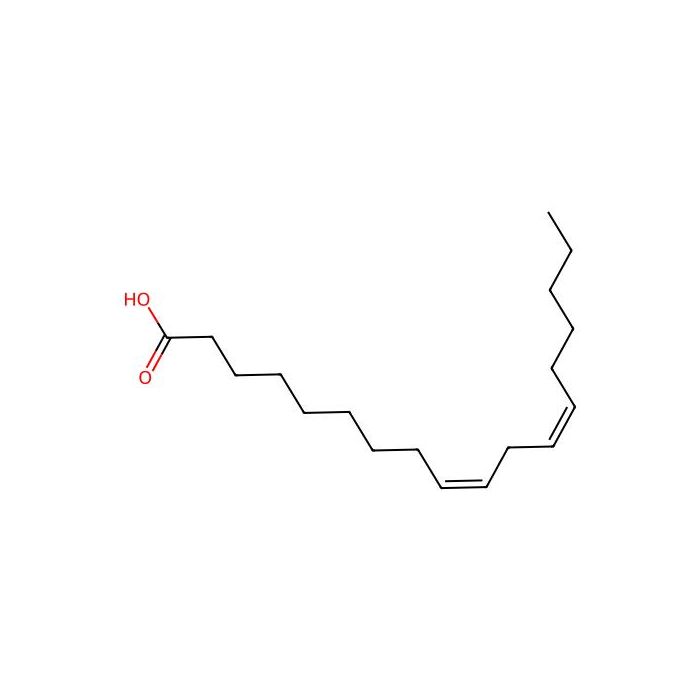
Linoleic acid - PharmPure™, Microbial Limit≤1000cfu/g , CAS No.60-33-3

CAS: 60-33-3 Cat. No.: L755885 Summenformel: C18H32O2 Molekulargewicht: 280.45 Beilstein Registry Number: 1727101 EG-Nummer: 200-470-9
Zu bestellen verfügbar
GRADE & PURITY PharmPure™ ? PharmPure™ — Aladdin's line of biopharmaceutical raw and starting materials. Use for pharma manufacturing inputs needing high purity and documentation. Microbial Limit≤1000cfu/g
Storage
Store at 2-8°C
Shipped In
Wet ice
★
Size
Deutschland (EU)
USA*
Price
Qty
100g
L755885-GMP-100g
Auf Bestellung · 8–12 Wochen
2.681,23€
Enter a quantity for the sizes you want to add.
🧪
Why this grade

PharmPure™, Microbial Limit≤1000cfu/g PharmPure™ for sensitive chromatographic and analytical workflows requiring minimal baseline interference.

🌡

Storage & shipping

Store at 2-8°C Ships Wet ice Check lot-specific COA for exact specifications.

📋

Quality documents

SDS, COA, datasheet, and spec sheet available for download. Lot-specific COA accessible via lot number lookup.

📚

Literature proof

Cited in 180 peer-reviewed publications across chromatography, organic synthesis, and cross-coupling reactions.

Specifications

Spezifikationen & Reinheit
PharmPure™, Microbial Limit≤1000cfu/g
Biochemische und physiologische Mechanismen
Linoleic acid increases cell proliferation and gene expression of PPARα and its target genes such as acyl-CoA oxidase in primary duck hepatocytes .
Storage
Store at 2-8°C
Verschickt in
Wet ice
Dieses Produkt erfordert Kühlkettenversand. Grundversand und andere Economy-Optionen sind nicht verfügbar.
Note
PharmPure™
Product Line
L755885-GMP-100g
Namen und Kennungen
Isomere SMILES
CCCCC/C=C\C/C=C\CCCCCCCC(=O)O
WGK Deutschland
1
RTECS
RF9990000
Molekulargewicht
280.45
Beilstein
1727101
Reaxy-Rn
1727100
Reaxys-RN_link_address
https://www.reaxys.com/reaxys/secured/hopinto.do?context=S&query=IDE.XRN=1727100&ln=

Documentation

📋 Safety Data Sheet (SDS)

Comprehensive hazard, handling, storage, and regulatory compliance document.

Download SDS →

✅ Certificate of Analysis (COA)

Lot-specific quality data. Enter your lot number to retrieve the exact COA.

Look up COA →

📊 Datasheet

Quick-reference summary of product specifications and applications.

View datasheet →

🔬 Specification Sheet

Full quality attributes and acceptance criteria for this grade.

View spec sheet →

Advanced Data

Zertifikate (CoA, COO, BSE/TSE und Analyse-Diagramm)
C of A & Other Certificates(BSE/TSE, COO):
Analytical Chart:
Chemische und physikalische Eigenschaften
Brechungsindex1.466
Flammpunkt (°C)>113°C
Siedepunkt (°C)229-230 °C/16 mmHg
Schmelzpunkt (°C)-5°C
FAQs und Artikel
GMP
Fatty Acids from Basics to Lab Practice: Structural Classification, Research Uses, and Selection Tips (with an Aladdin Representative Product Quick-Reference Table)
Functional Systems of Plasma Proteins in Metal Transport, Inflammatory Responses, and Tissue Injury
Selection Strategies for Animal-Derived Serum, Functionalized Serum, and Non-Animal-Derived Culture Supplementation Systems in Cell Culture
Alkyd Resins: From Oil/Fatty-Acid-Modified Polyesters to Autoxidative Drying — Understanding Their Structure and Film-Formation Mechanism
Guide to Traditional Natural Varnish Resins: Transparency, Gloss, Film Formation, Aging, and Application Selection of Dammar, Mastic, and Copal
What Is the Difference Between Triethanolamine and Diethanolamine: Understanding Their Formulation Functions, Application Differences, and Selection Logic from a Molecular-Structure Perspective
Understanding Ceramides from the Perspective of the Stratum Corneum Lipid Barrier: Moisturizing and Barrier-Repair Mechanisms, Ingredient Selection, and Formulation Research Considerations
Tocopherols in the Vitamin E Family: How They Block the Chain Reaction of Lipid Peroxidation in Skin Lipids
Moisturizing Mechanism of Polyglutamic Acid: From the γ-Glutamyl Structure to Hydration Networks and Surface Film-Forming Behavior
Probiotics, Prebiotics, and Postbiotics in Skin Care: Conceptual Distinctions, Mechanisms of Action, and Their Applications in the Care of Dry, Itchy, and Rough Skin
The Moisturizing and Low-Moisture Protective Mechanisms of Trehalose: From Its α,α-1,1 Structure and Hydration Dynamics to In Vitro Skin Barrier Research
Protective and Potential Reparative Mechanisms of Prinsepia utilis Seed Oil on the Skin Barrier: Fatty Acid Composition, Epidermal Lipid Metabolism, and Research Evidence
Structure, Stratum Corneum Distribution, and Stratum Corneum Conditioning Mechanism of Capryloyl Salicylic Acid: Barrier Effects and Safety Evaluation
Potential Mechanisms of Tea Polyphenols in Oily, Acne-Prone Skin: Effects of EGCG on Sebum Production, Lipid Peroxidation, and Inflammatory Responses
The Sebum-Regulating Potential of Zinc PCA and Its Relationship with Stratum Corneum Hydration
Structure and Functions of Fibronectin: Cell Adhesion, Cutaneous Wound Repair, and Topical Applications
Mechanisms by Which Fructan-Rich Ophiopogon japonicus Tuberous Root Extract Supports Skin Moisturization and Barrier Function
Multilevel Moisturizing Mechanisms of Sodium Hyaluronate and Its Derivatives: Molecular Weight Modulation, Crosslinking, Acetylation, and Major Sites of Action
Mechanistic Basis of Acetyl Hexapeptide-8 in the Management of Expression Lines: SNARE Complex Interference, Constraints on Percutaneous Delivery, and Combination Strategies
Niacinamide Brightening Mechanisms and Formulation Design: Melanosome Transfer, pH Regulation, and Combination Strategies
How Ectoine Regulates Skin Hydration: Zwitterionic Structure, Preferential Hydration, and Barrier-Support Mechanisms
Are Lipids Fats? Understanding the Multiple Functions of Lipids from Cellular Metabolism to mRNA Delivery
Bakuchiol Is Not “Plant Retinol”: Chemical Structure, Anti-Aging Mechanisms, and Functional Similarities and Differences Compared with Retinol
Structure, Emollient and Moisturizing Effects, and Source Identification of Squalane: From Complete Hydrogenation of Squalene to Stable Isotope Analysis
Stratum Corneum Penetration and Skin Mechanisms of Panthenol: Moisturization, Barrier Repair, and Soothing Effects
Citations of This Product
Lösungsrechner
Bewertungen

Kundenbewertungen

Häufig gestellte Fragen

What are the CAS number, molecular formula and molecular weight?
The CAS Number is 60-33-3, the molecular formula is C18H32O2, and the molecular weight is 280.45 g/mol.

Dürfen wir Sie über Rabattaktionen informieren?

Später erinnern

Vielen Dank! Bitte überprüfen Sie Ihren E-Mail-Posteingang, um zu bestätigen.

Hoppla! Benachrichtigungen sind deaktiviert.