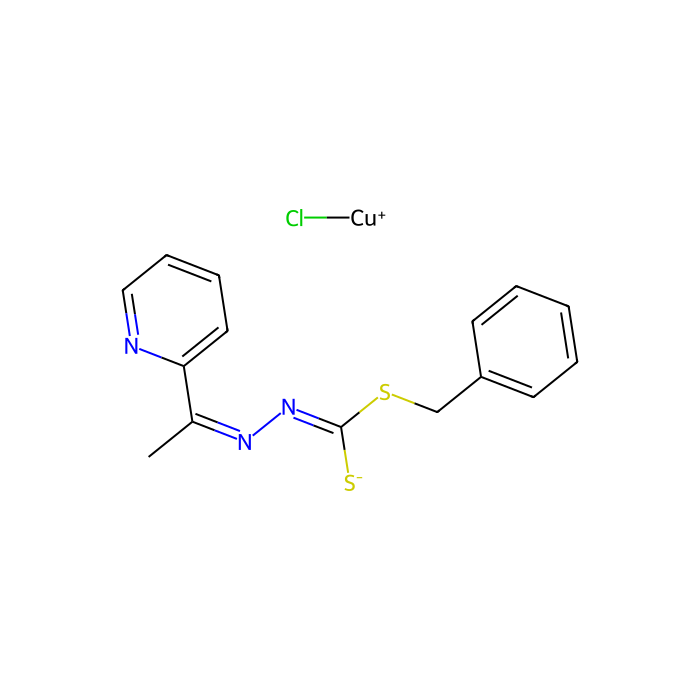
Zertifikate (CoA, COO, BSE/TSE und Analyse-Diagramm)
C of A & Other Certificates(BSE/TSE, COO):
Analytical Chart:
Chemische und physikalische Eigenschaften
Löslichkeit
Soluble in DMSO: >5 mg/mL
Lösungsrechner
Molarity Calculator
Determine the necessary mass, volume, or concentration for preparing a solution.
Dilution Calculator
Determine the dilution needed to prepare a stock solution.
Reconstitution Calculator
Bewertungen
Kundenbewertungen
Application Protocols
No vendor-validated bioassay or analytical protocols are supplied for this item.
General small-molecule handling for screening (non item-specific):
Stock preparation: Dissolve at 10–50 mM in dry DMSO. Vortex/sonicate gently. Filter if needed (0.22 µm PTFE). Prepare single-use aliquots (10–50 µL) to avoid repeated freeze–thaw.
Plate handling: Equilibrate frozen plates to room temperature in a desiccator before unsealing to prevent condensation. Mix thoroughly after dilution into assay buffer; maintain final DMSO ≤0.5–1% v/v.
Stability checks: Run pre/post-assay LC–MS to confirm no degradation or adsorption losses. Include vehicle controls and, where relevant, counter-screens to detect assay interference (fluorescence, redox, aggregation).
Data quality: Use triplicates and appropriate positive/negative controls. Record lot number (SKU N352361), preparation date, solvent, and storage conditions in your ELN.
For analytical characterization, standard 1H/13C NMR, LC–MS, and HPLC purity determination are recommended prior to critical experiments.
Biological Roles
Compound-specific biological roles and targets are not provided in the current listing.
Known targets/pathways: Not specified for this item; consult public databases (PubChem, ChEMBL) using CAS 77111-29-6, CID 15969967, or NSC 295642, and verify any claims against primary literature.
Mechanistic annotations: Not specified for this item; refer to CoA/Spec Sheet and database curation notes.
General considerations for library compounds:
NSC-designated molecules often have historical screening data in NCI resources. However, annotations can vary by salt form, stereochemistry, or lot quality—ensure you are comparing like-for-like.
Before assigning mechanism-of-action hypotheses, implement triage assays to detect common assay interferences (fluorescence quenching, redox activity, colloidal aggregation, metal chelation) and confirm activity across orthogonal readouts.
For cell-based work, assess cytotoxicity windows independently and include vehicle controls. Determine permeability and efflux liability if interpreting cellular potency.
Data integrity:
Maintain a clear lineage from vendor lot to internal IDs. Record preparation conditions (solvent, concentration, pH, time) and storage history, as many chemotypes show time-dependent potency drift due to degradation or adsorption losses.
For definitive biological role assignment, consult peer-reviewed studies mapped to the exact identifier set for this compound and confirm with your in-house QC.
Buffer Applications
This product is a small-molecule screening compound and is not itself a buffer component.
There are no established buffer systems or pH ranges specific to this compound in our listing.
For assay work, prepare stock solutions in an appropriate solvent (commonly DMSO) and dilute into your chosen assay buffer (e.g., PBS, HEPES, Tris) while keeping the final organic cosolvent fraction low (typically ≤0.5–1% v/v) to minimize vehicle effects.
If the compound is ionizable (determine from structure), buffer pH may influence apparent solubility and activity. Optimize buffer conditions empirically and verify compound stability by LC–MS during the assay window.
Green Alternatives
With structure-specific properties undisclosed, solvent and process greenness can only be addressed generally.
Stock solutions: DMSO is the de facto solvent for discovery compounds but has environmental and worker-exposure considerations at scale. Where feasible, consider bio-derived or lower-toxicity solvents for downstream processing.
Illustrative comparison (general guidance):
DMSO vs. greener polar aprotics
DMSO: Broad solvency, relatively benign compared to DMF/NMP, fully miscible with water; odor and disposal volumes can be concerns.
Cyrene (dihydrolevoglucosenone): Bio-based alternative with dipolar aprotic character; viscosity and limited miscibility profile may constrain HTS workflows.
Propylene carbonate: Low volatility, good polarity; higher viscosity and limited compatibility in some bioassays.
Protic alternatives for assay dilution steps
Ethanol or isopropanol can serve as intermediate co-solvents for difficult dissolutions before dilution into buffer, reducing reliance on high DMSO fractions.
Best practices (non item-specific):
Minimize solvent volumes in plate-based assays; use acoustic dispensing where available to reduce DMSO usage.
Verify compound stability in any alternative solvent by LC–MS before adopting into screening SOPs.
Given the lack of compound-specific reactivity data, selection of greener media should be validated experimentally for solubility, stability, and assay compatibility.
Pharmaceutical Uses
No pharmacopeial or excipient role is provided for this item.
Status: Supplied strictly for research use only. Not for human or veterinary use, diagnostic procedures, or as an active ingredient/excipient in commercial formulations.
Formulation context (general research guidance): For in vivo exploratory studies (non-clinical), vehicles such as 10–20% PEG 400, 10–20% Solutol HS 15, 0.5–1% methylcellulose, or Captisol may be evaluated, contingent on the compound’s solubility and stability. Such uses require full internal safety and IACUC/ethical approvals and are outside the scope of this listing.
Regulatory: No USP/EP/JP monograph is indicated for this compound. No GMP grade is offered in this listing; if needed, inquire about custom synthesis and quality upgrades.
Please consult your institutional guidelines and risk assessments before any formulation development. Our product is provided for laboratory research only.
Physical Properties
Item-specific physical constants are not included in the current listing.
Appearance: Not specified for this item; refer to CoA/Spec Sheet.
Melting point: Not specified for this item; refer to CoA/Spec Sheet.
Boiling point: Not specified for this item; refer to CoA/Spec Sheet.
Density: Not specified for this item; refer to CoA/Spec Sheet.
Refractive index: Not specified for this item; refer to CoA/Spec Sheet.
pKa/logP/logD: Not specified for this item; refer to CoA/Spec Sheet.
Aqueous/organic solubility: Not specified for this item; refer to CoA/Spec Sheet.
Practical guidance (general, not item-specific):
For unknown solids in discovery libraries, begin solubility screening at 10 mM in anhydrous DMSO, then dilute into assay buffers to ≤1% DMSO v/v. If precipitation occurs, evaluate co-solvents (DMF, ethanol) or reduce stock concentration.
If the compound is moisture- or light-sensitive (determine from CoA/SDS), handle under dry, inert conditions and protect from light. Conduct a small thermogravimetric or DSC screen when thermal behavior must be known before scale-up.
For chromatographic method development, start with a generic gradient (e.g., 5–95% acetonitrile or methanol in water with 0.1% formic acid) and adjust per observed retention; confirm UV maxima from literature if available for diode-array detection.
Quality and Grades
Grade/Purity (item-specific): Not specified for this item; refer to CoA/Spec Sheet.
Context and expectations for library/screening compounds (general guidance):
Discovery-library small molecules are typically supplied at research grade with identity verified by LC–MS and/or NMR. Purity is often reported as HPLC area % at a specified wavelength; acceptance criteria commonly range from ≥95% to ≥98% for screening, but confirm on the CoA for this SKU.
Impurity profile: Unknown for this item. For sensitive assays, consider parallel testing of a fresh lot and perform in-house QC (LC–MS, 1H NMR, water content by Karl Fischer if hygroscopic behavior is suspected).
Stabilizers/inhibitors: Not specified for this item; refer to CoA/Spec Sheet. If the structure contains hydrolytically or oxidatively labile motifs (e.g., aldehydes, anilines), suppliers may recommend inert-atmosphere handling—verify in the SDS/CoA.
Documentation: The CoA should list batch-specific results (purity method and result, identification methods, residual solvents where applicable). For regulated workflows, retain CoA and shipping documents in your QA archive.
Practical note:
If analytical applications (e.g., HPLC reference) are intended, ensure the grade meets your method suitability criteria (low UV background, defined water content, residual solvent limits). If not specified, request a detailed specification sheet prior to critical use.
Reaction and Applications
This product is supplied as a research small molecule from a compound library and is not primarily marketed as a synthetic reagent or catalyst.
Synthetic reaction use: Without a disclosed structure and functional group profile, recommending specific reaction families (e.g., cross-coupling, nucleophilic substitutions, oxidations) would be speculative. If you intend to use this molecule as a building block, first confirm its reactive handles via spectral characterization and literature query using the CAS/CID.
Screening and discovery: NSC-designated compounds are frequently employed in phenotypic or target-based screening cascades. Typical applications include primary HTS, orthogonal secondary assays, mechanism-of-action hypothesis generation, and SAR-by-catalog when analogs are available.
Informatics: Leverage the NSC and CID identifiers to retrieve assay annotations and bioactivity summaries from public repositories. Validate any reported activities with fresh, authenticated material and in-house QC.
Practical tips:
Prepare single-use DMSO aliquots to avoid freeze–thaw-induced precipitation or degradation.
Track exact exposure time and temperature in plates; some chemotypes show time-dependent activity loss or assay interference (e.g., aggregation, redox cycling). Employ control assays (detergent sensitivity, light absorption/emission scans) to de-risk artifacts.
If a defined synthetic transformation is required, consult the definitive structure and plan conditions accordingly (see Synthetic Utility and Reaction Conditions once structural data are in hand).
Reaction Conditions
Item-specific reaction parameters (solvents, catalysts, temperatures) are not applicable without the compound’s disclosed structure and functional groups.
General planning framework when conditions are unknown:
Start with small-scale scouting (5–25 mg) to evaluate solubility and stability in common media (DMSO, DMF, MeCN, dioxane, alcohols) and under inert atmosphere if sensitivity is suspected.
Use analytical LC–MS to monitor transformation and detect labile behavior (hydrolysis, oxidation, rearrangement) before committing to multistep routes.
If halogenated or aryl-boron motifs are present (to be confirmed), standard Pd-catalyzed cross-coupling conditions (e.g., Pd2(dba)3 or Pd(OAc)2 with dialkylbiaryl phosphines, 50–100°C) may be applicable; adjust base and solvent per substrate.
For amide couplings, test modern reagents (HATU, T3P, EDCI) and assess epimerization risk if stereocenters exist.
Because the structure is not provided in this listing, do not rely on the above as specific guidance for this SKU. Confirm the definitive structure (CAS/CID) and tailor conditions accordingly.
Safety and Handling
Hazard classification for this specific item is not provided in the listing.
Signal word: Not specified for this item; refer to SDS.
H-statements: Not specified for this item; refer to SDS.
GHS classification/pictograms: Not specified for this item; refer to SDS.
General laboratory precautions (advisory; defer to SDS as authoritative):
Use appropriate PPE: lab coat, safety glasses, and nitrile gloves. Handle powders in a fume hood to minimize inhalation exposure. Avoid skin/eye contact and ingestion.
Storage incompatibilities: Until specific chemistry is confirmed from the CoA/SDS, segregate from strong oxidizers and acids/bases. Keep container tightly closed to prevent moisture uptake or contamination.
First aid overview: In case of skin contact, wash with soap and water. For eye exposure, rinse cautiously with water for several minutes and seek medical attention. If inhaled, move to fresh air; if symptoms persist, get medical advice. If swallowed, rinse mouth and get medical attention—do not induce vomiting unless directed.
Spill response: Avoid dust generation. Collect mechanically or with dampened absorbent, place in a sealed container for disposal per institutional guidelines. Decontaminate area with suitable solvent/detergent.
Waste: Dispose of as organic laboratory waste in accordance with local regulations and your EHS policies.
Always consult the product-specific SDS supplied with the shipment for definitive hazard data and emergency procedures.
Solvent Selection
Item-specific solubility data are not provided. Select solvents empirically based on small-molecule screening best practices.
Recommended workflow (general):
Primary stock: Attempt dissolution at 10–50 mM in anhydrous DMSO with gentle warming (≤40°C) and vortex/sonication. Filter through a 0.22 µm PTFE syringe filter if particulate remains.
Secondary options: If DMSO is inadequate, test DMF, NMP, ethanol, isopropanol, or mixtures (e.g., DMSO:water, DMSO:ethanol) while monitoring for degradation by LC–MS.
Aqueous use: Dilute DMSO stocks into assay buffer to a final DMSO fraction typically ≤0.5–1.0% v/v to minimize vehicle effects. Include vehicle controls.
pH effects: When ionizable groups are suspected (to be verified from structure/CoA), modulate medium pH to enhance solubility, using compatible buffers (avoid precipitating counterions or salting-out).
Comparison notes (general, not item-specific):
DMSO provides broad solvency and chemical compatibility for diverse chemotypes; DMF and NMP can enhance solubility but may complicate biological assays due to higher cytotoxicity.
Protic solvents (ethanol, isopropanol) are useful for some neutral or lipophilic compounds and are easier to remove by evaporation if needed for solid-form studies.
Always confirm chemical stability in the chosen solvent over the planned assay window by LC–MS or HPLC.
Storage and Reconstitution
Item-specific instructions provided:
Storage Conditions: Store at -20°C.
Shipped In: Ice chest + Ice pads.
Additional guidance (general, not item-specific):
Protect from moisture and light unless the CoA/SDS indicates the compound is insensitive. Keep the container tightly closed. For long-term storage, consider desiccation and inert atmosphere (argon/nitrogen), especially for hydrolysis- or oxidation-prone chemotypes.
Reconstitution: If supplied as a solid, prepare a concentrated stock in anhydrous DMSO (typ. 10–50 mM). If supplied as a solution, verify the exact concentration on the label/CoA before use. Filter sterilize through 0.22 µm PTFE if needed for cell-based assays.
Aliquoting: Prepare single-use aliquots to avoid freeze–thaw cycles that can promote precipitation or degradation. Store aliquots at -20°C in amber vials when light sensitivity is suspected.
Handling frozen plates/tubes: Thaw at room temperature in a desiccator; vortex before opening to re-dissolve any precipitate.
Stability: Shelf-life and solution stability are Not specified for this item; refer to CoA/Spec Sheet. Verify stability experimentally by LC–MS/HPLC over the intended assay duration.
Research Use Note: For research use only.
Structure and Identity
Research-grade small molecule listed in the NCI/DTP library.
Product identifiers (item-specific):
SKU: N352361 (Aladdin Scientific)
Product Name: NSC 295642 (NCI designation)
CAS: 77111-29-6
PubChem CID: 15969967
InChIKey: 218800 (as provided)
Molecular formula: Not specified for this item; refer to CoA/Spec Sheet.
Molecular weight: Not specified for this item; refer to CoA/Spec Sheet.
SMILES: Not specified for this item; refer to CoA/Spec Sheet.
Structural features (general guidance):
The precise 2D/3D structure, functional groups, and stereochemistry are not included in the current listing. Use the identifiers above (CAS, CID, NSC number) to retrieve the definitive structure from primary databases (PubChem, NCI/DTP, ChemIDplus) and align with the product’s CoA before experimental design.
For informatics and inventory control, we recommend linking your ELN/LIMS entry to the CAS and CID along with the vendor SKU to ensure unambiguous traceability.
Notes on identity control (practical):
Prior to deployment in assays, confirm identity by orthogonal techniques where feasible (e.g., LC–MS with exact mass match; 1H/13C NMR comparison to literature or reference). Ensure the NSC number corresponds exactly to the same stereochemical form (if applicable) reported in public repositories.
Synthetic Utility
Specific synthetic utility cannot be detailed without the disclosed structure and functional groups.
General guidance if using a library compound as a building block:
Functional-group reconnaissance: Acquire the structure (via CAS/CID) and confirm by spectroscopy. Identify potential handles (halides, boronates, carboxylates, amines, alcohols, heteroaryl sites) and assess compatibility with planned transformations.
Protection/deprotection: If multiple nucleophilic/acidic sites are present, develop a protecting-group strategy mindful of stability in storage solvents (DMSO/DMF) and assay media.
Late-stage diversification: If the scaffold tolerates cross-coupling, modern methods (e.g., Buchwald–Hartwig, Suzuki–Miyaura, Chan–Lam, Minisci) can furnish analogs for rapid SAR—conditional on the presence of appropriate handles.
Derivatization for probes: Consider biotinylation or click-chemistry tags (azide/alkyne) if permitted by the scaffold for chemoproteomics or pull-down studies; verify that modifications do not abrogate activity.
Caveat: Proceed only after verifying exact stereochemistry and salt form, as these can dramatically alter reactivity and properties. Consult the Reaction Conditions section once structure-specific details are available.
Target Specificity
This item is a small molecule and not an antibody or biological affinity reagent.
Antigen/epitope: Not applicable.
Species reactivity/clone/isotype: Not applicable.
If you are investigating biochemical target engagement, determine targets empirically (e.g., thermal shift, CETSA, pull-down with derivatized analogs) after confirming the compound’s structure and purity. Any target annotations found in public databases should be validated with the exact same compound identity and lot.
Wir verwenden Cookies, um die ordnungsgemäße Funktion der Website sicherzustellen und, soweit zulässig, Ihr Nutzererlebnis zu verbessern. Sie können Ihre Einstellungen jederzeit unter „Einstellungen“ verwalten. Weitere Informationen finden Sie in unserer Cookie-Richtlinie.
Shall we send you a message when we have discounts available?
Remind me later
Thank you! Please check your email inbox to confirm.
Products are supplied to verified businesses, institutions, and qualified professionals for research and development use only. Not for use in humans, animals, diagnosis, or therapy.