
Hesperidin: A Multifunctional Flavonoid Hidden in Citrus Peels
Hesperidin: A Multifunctional Flavonoid Hidden in Citrus Peels
Hesperidin is a flavonoid glycoside widely found in citrus fruits. It is one of the key components responsible for the yellow to yellow-orange color of peels from oranges, mandarins, and grapefruits. In plants, hesperidin participates in defense against oxidative stress and pathogen invasion, while also contributing to the distinctive color and flavor of citrus. From an application standpoint, its role is becoming increasingly important—from food ingredients to pharmaceutical research, and as a commonly used small-molecule tool compound in laboratories.
I. Sources and Distribution
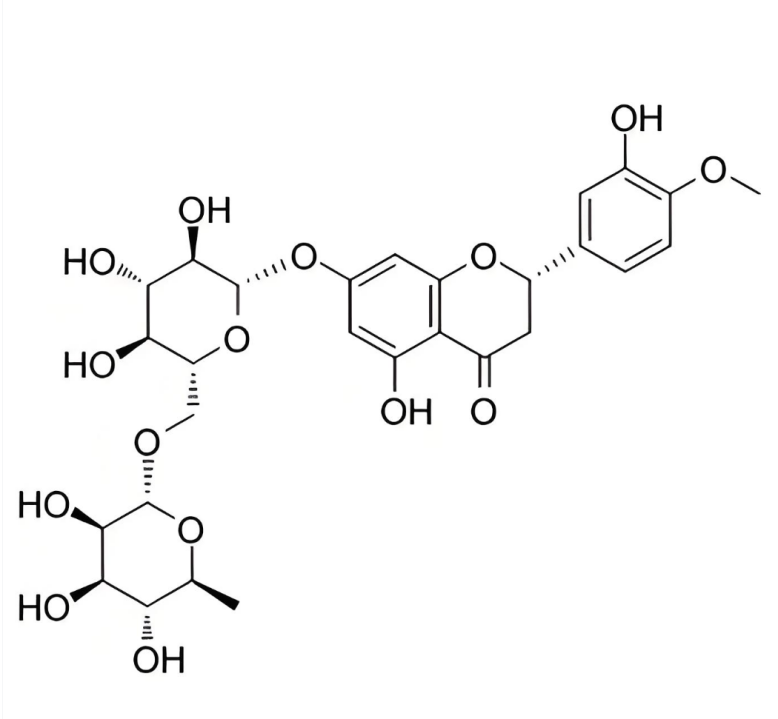
Figure 1. Chemical structure of hesperidin
1) Plant and traditional herbal sources
Hesperidin is mainly enriched in citrus peels, where its content is about 25 times higher than that in the pulp. Therefore, industrial extraction often uses peels, pomace, and other citrus-processing by-products as raw materials. Besides fresh fruits, hesperidin is also present in traditional herbal materials derived from citrus, such as dried tangerine peel and related botanicals. In traditional medicine, these materials are commonly used for regulating qi, harmonizing the stomach, and resolving phlegm. Modern studies suggest that hesperidin and other citrus flavonoids are among the material bases for some of these pharmacological effects.
2) Forms used in experiments and analysis
In analytical assays and pharmacological studies, high-purity hesperidin reference standards (e.g., for HPLC) are typically used to ensure accuracy and comparability in quantification and method validation. In cell-based or animal experiments, hesperidin is often dissolved in DMSO or buffer to prepare stock solutions at defined concentrations, serving as a small-molecule intervention reagent together with assay kits and fluorescent probes to form complete experimental systems.
II. Chemical Structure and Characteristics
Hesperidin is a flavonoid compound widely found in citrus fruits and belongs to the class of dihydroflavone (flavanone) glycosides. Its chemical name is 7-[[6-O-(6-deoxy-α-L-mannopyranosyl)-β- D-glucopyranosyl]oxy]-2,3-dihydro-5-hydroxy-2-(3-hydroxy-4-methoxyphenyl)-4H-1-benzopyran-4-one, with CAS No. 520-26-3, a molecular formula of C₂₈H₃₄O₁₅, and a molecular weight of 610.56.Hesperidin has a flavanone (flavanone-type) basic skeleton, with a rhamnose–glucose disaccharide (rutinoside) linked at the C-7 position of the molecule, and is therefore classified as a flavanone-7-rutinoside. Its corresponding aglycone is hesperetin.
Typical features include:
1) At room temperature it is a pale-yellow crystalline powder with a slightly bitter taste;
2) It has low solubility in water but dissolves well in organic solvents such as ethanol and methanol;
3) It is relatively stable under neutral and mildly acidic conditions, but prone to structural degradation under strongly alkaline conditions;
4) The molecule contains multiple phenolic hydroxyl groups, which confer strong hydrogen-donating and free radical–scavenging capacities, forming the structural basis of its antioxidant activity.
III. Extraction, Isolation, and Quantitative Analysis
3.1 Extraction and Isolation
The preparation of hesperidin mainly follows a “solvent extraction + purification and separation” strategy:
1) Raw material pretreatment
Dried citrus peels or herbal materials are used and milled to an appropriate particle size to reduce the barrier of the cell wall.Defatting and other pretreatment steps may be applied to reduce interference from lipophilic components.
2) Solvent extraction
Ethanol–water (e.g., 50%–80% ethanol) or methanol–water systems are commonly used, with extraction carried out under reflux, maceration, or ultrasound-assisted conditions.Temperature and extraction time are controlled to balance extraction efficiency and component stability.
3) Crude fractionation and purification
After concentration of the extract, impurities such as sugars, polyphenols, and pigments can be removed by liquid–liquid partitioning, resin adsorption, recrystallization, and related methods.Further purification is typically performed by column chromatography (e.g., reversed-phase C18, polyamide, silica gel) to obtain high-purity hesperidin.
3.2 Analytical Determination and Quality Control
Common analytical methods include:
1)HPLC–UV or HPLC–DAD
A reversed-phase C18 column is used, with mobile phases typically consisting of acetonitrile/methanol–water containing a small amount of acid, and detection is usually carried out at around 280 nm.This allows simultaneous quantification of hesperidin and related flavonoids such as hesperetin and naringin.
2)LC–MS/MS
Used for confirmation and trace quantification of hesperidin in complex samples, especially biological matrices such as plasma and urine.It can also provide information on metabolites, including hesperetin glucuronides and sulfate conjugates.
3)Other quality indices
Assay (calculated as hesperidin), moisture, ash, insoluble matter, pesticide residues, and heavy metals are also important indices for evaluating the quality of raw materials or preparations.
IV. In Vivo Metabolism and Pharmacokinetic Characteristics
Hesperidin is mainly administered orally, and its metabolic features in vivo have important implications for pharmacodynamic studies and dosage-form design:
1)Absorption
Hesperidin shows limited absorption in the small intestine; most of it reaches the colon, where it is hydrolyzed by intestinal microbiota and glycosidases to its aglycone hesperetin and related forms, which are then absorbed. The aqueous and lipid solubility of hesperidin and its aglycones, as well as their interactions with transporters, collectively influence oral bioavailability.
2)Distribution and biotransformation
After being absorbed into the bloodstream, hesperetin undergoes phase II metabolism such as glucuronidation and sulfation to form multiple conjugated metabolites. These metabolites coexist in plasma in both free and conjugated forms, and their contributions to the overall pharmacological effect need to be comprehensively assessed using in vivo studies.
3)Excretion
Hesperidin and its metabolites are mainly excreted via bile and urine, and some parent compound and metabolites may transiently reside within the enterohepatic circulation. Pharmacokinetic studies typically focus on parameters such as Tmax, Cmax, and AUC to compare in vivo exposure among different dosage forms or derivatives.
V. Pharmacological Effects of Hesperidin
1)Antioxidant activity
Hesperidin contains polyphenolic hydroxyl groups that can scavenge reactive oxygen species and inhibit lipid peroxidation, thereby reducing oxidative damage to cell membranes, proteins, and nucleic acids. In vitro evaluations often combine hesperidin with DPPH or ABTS radical assays, or intracellular ROS probes (such as DCFH-DA), and quantify antioxidant effects by measuring radical-scavenging rates or changes in cellular fluorescence intensity.
2)Anti-inflammatory activity
Hesperidin can modulate inflammation-related signaling pathways and suppress the production of cytokines such as TNF-α and IL-6, thereby alleviating inflammatory responses. In models of inflammatory diseases including chronic bronchitis and asthma, hesperidin shows measurable anti-inflammatory potential. In cellular studies, LPS-induced inflammation models are commonly used; after hesperidin treatment, cytokine ELISA kits or RT-qPCR systems are applied to assess cytokine expression and explore underlying mechanisms.
3)Cardiovascular protective effects
Studies indicate that hesperidin helps improve capillary permeability and microcirculation and can regulate lipid metabolism, lowering plasma total cholesterol and triglyceride levels. In cardiovascular experiments, animals are administered hesperidin and evaluated with standard lipid biochemical assays (TC, TG, HDL-C, LDL-C, etc.) and vascular function measurements to comprehensively assess its effects on endothelial function, lipid profiles, and local circulation.
4)Anti-tumor–related effects
In vitro and animal models suggest that hesperidin may inhibit proliferation, induce apoptosis, and suppress migration in certain tumor cells, possibly through regulation of cell-cycle proteins, apoptosis-related factors, and oxidative-stress pathways. Typical experiments combine cell viability assays (e.g., CCK-8), apoptosis detection (Annexin V/PI staining), and western blot workflows. Different hesperidin concentrations are applied to observe changes in tumor-cell growth and apoptosis.
5)Immunomodulatory and radioprotective effects
Hesperidin may influence immune-cell activity and cytokine expression, exerting immunomodulatory effects that enhance anti-infection and anti-stress capacity in some models. Its antioxidant properties also make it a candidate in radioprotection research. In such settings, hesperidin is administered before and/or after irradiation, and DNA-damage detection tools and cell-survival assays are used to evaluate mitigation of radiation-induced injury.
VI. Overview of Application Fields
1)Food and nutrition
In the food industry, hesperidin serves as a natural functional component derived from citrus. It can be incorporated into products such as jellies, jams, juices, and confectionery, leveraging citrus by-products to provide antioxidant and nutritional benefits aligned with market demand for “natural” and “functional” ingredients.
2)Pharmaceuticals and health products
In pharmaceutical and nutraceutical development, hesperidin is widely studied in relation to chronic bronchitis, asthma, chronic hepatitis, and dyslipidemia. Early-stage R&D typically uses laboratory-grade hesperidin together with biochemical assay kits and in vivo/in vitro model systems to evaluate efficacy and safety, before extending toward intermediates, active ingredients, or functional formulations targeting antioxidant, anti-inflammatory, and cardiovascular-protective properties.
3)Cosmetics and skin-science applications
Owing to its antioxidant and anti-inflammatory activities, hesperidin is used in skincare products such as serums, creams, eye creams, and masks to alleviate oxidative stress and mild inflammation triggered by UV exposure and environmental pollutants, improving dullness and fine lines. During formulation development and efficacy validation, hesperidin solutions are tested with in vitro skin models, cell-viability assays, collagen-degrading enzyme activity tests, and cytokine-related assays to systematically evaluate protection of the skin barrier and dermal matrix.
4)Biochemical reagents and analytical applications
In laboratory research, hesperidin, hesperetin, and related biochemical reagents can be used as standardized flavonoid controls in cell and animal models to evaluate various indices of oxidative stress, inflammation, and vascular responses. They may also serve as external standards or reference substances in HPLC or LC–MS/MS assays for the quantification of hesperidin in plant extracts, food samples, or biological specimens. In addition, hesperidin can be combined with other natural antioxidants (such as quercetin, rutin, and procyanidins) to design multi-component intervention schemes.
VII. Aladdin-related products for hesperidin
Product Name | Catalog No. | CAS | Grade and Purity |
Hesperidin | 520-26-3 | ≥80% | |
Hesperidin | 520-26-3 | 10mM in DMSO | |
Hesperidin | 520-26-3 | ≥97% | |
Hesperidin | 520-26-3 | analytical standard | |
Neohesperidin | 13241-33-3 | 10 mM in DMSO | |
Neohesperidin | 13241-33-3 | ≥97% | |
Neohesperidin | 13241-33-3 | Analytical standard, ≥97% | |
Quercetin-3-O-neohesperidin | 32453-36-4 | Analytical standard, ≥98% | |
Hesperidin methyl chalcone | 24292-52-2 | ≥95% | |
Hesperidin methyl chalcone | 24292-52-2 | 10 mM in DMSO | |
Hesperetin | 520-33-2 | Moligand™, 10mM in DMSO | |
Hesperetin | 520-33-2 | Analytical standard,Moligand™ ,≥98% | |
Hesperetin | 520-33-2 | Moligand™, ≥97% | |
(Rac)-Hesperetin | 69097-99-0 | Moligand™, 10 mM in DMSO | |
Hesperetin | 69097-99-0 | ≥95% |
VIII. Experimental Design and Precautions
1)Solubility and choice of solvent
Because hesperidin has limited water solubility, it is usually first dissolved in DMSO, ethanol, or other permitted organic solvents to prepare a concentrated stock solution for cell-based experiments, and then diluted with culture medium to the desired working concentration. The final DMSO concentration is generally recommended to be kept at 0.1% (v/v) or below, and a negative control with the same solvent concentration should always be included.
2)Setting of concentration and exposure time
Different cell types vary in their sensitivity to hesperidin, and commonly used in vitro concentrations fall within the range of approximately 1–200 μM. Gradient pre-experiments should be performed to determine a concentration window that does not significantly affect basal cell viability while still allowing observable biological effects.
3)Photosensitivity and stability
Hesperidin solutions should be protected from light. For short-term use, they may be stored at 4 °C, whereas for long-term storage, aliquoting and low-temperature conditions are recommended. Culture media or formulations containing hesperidin should be prepared freshly whenever possible, and prolonged standing at room temperature should be avoided.
4)Synergy and interfering factors
In studies related to one-carbon metabolism, cardiovascular function, and inflammation, hesperidin is often used together with other vitamins, flavonoids, or lipid mediators. Experimental design should therefore include both single-agent and combination groups to distinguish synergistic effects from the effects of hesperidin alone.
Overall, hesperidin is both a naturally enriched citrus flavonoid glycoside found in peels and several citrus-derived herbal materials, and an increasingly valued functional factor in foods, health products, and cosmetics. In research settings, it frequently appears as high-purity reference standards or small-molecule reagents for cell and animal experiments, working alongside biochemical assay kits, fluorescent probes, and analytical methods. As understanding of its dose–effect relationships, metabolic pathways, and safety continues to deepen, this citrus-derived flavonoid is likely to gain more refined and diverse applications in functional food development, drug discovery, and biochemical reagent toolkits.
Aladdin: https://www.aladdinsci.com/