
Inulin: Structural Features, Physicochemical Properties, Application Development, and Research Progress in Experimental Settings
Inulin: Structural Features, Physicochemical Properties, Application Development, and Research Progress in Experimental Settings
Inulin is a naturally occurring reserve fructan and is classified as a soluble dietary fiber and a prototypical prebiotic substrate. It consists predominantly of a linear backbone of D-fructosyl residues linked by β(2→1) glycosidic bonds, typically terminated by a single glucosyl residue; its degree of polymerization (DP) commonly spans 2–60. Because humans lack the hydrolases required for its degradation, inulin resists digestion and absorption in the small intestine, reaches the colon, and is selectively fermented by beneficial microbiota to produce short-chain fatty acids (SCFAs) while modulating the gut ecosystem. The chain-length distribution of inulin governs differences in solubility, sweetness, gel-forming behavior, and fermentation kinetics, thereby determining suitability across food formulation, functional preparations, and research applications. Beyond nutrition and food-related uses, inulin has established value in renal function assessment (inulin clearance), metabolic studies in cellular and microbial systems, pharmaceutics for delivery, and materials science, supporting a range of stable and widely adopted experimental research scenarios.
Keywords: inulin; fructan; soluble dietary fiber; prebiotic; degree of polymerization; short-chain fatty acids; inulin clearance
I. Discovery History and Conceptual Definition
1.1 Discovery and Naming
In 1804, Valentin Rose first isolated this class of plant polysaccharides while studying the roots of elecampane (Inula helenium). Based on the genus name "Inula," he coined the term "inulin," which has remained in use and helped catalyze subsequent investigations into the structures and functions of plant fructans.
1.2 Definition and Classification Boundaries
Inulin is a member of the fructan family, composed primarily of fructosyl residues and characterized as a dietary fiber that is "non-digestible yet fermentable." Functionally, it is often divided according to DP distribution into short-chain fractions (low DP, higher solubility, faster fermentation) and long-chain fractions (high DP, greater structural contribution, stronger gelation and fat-mimetic capacity). Naturally extracted inulin is typically a mixture of chain lengths. For research and application development, particular attention should be paid to mean DP, DP distribution, and free-sugar content, as these parameters can markedly influence solution behavior and biological responses.
II. Chemical Structure and Physicochemical Properties
2.1 Structural Characteristics and DP Distribution
Inulin is mainly a linear polysaccharide formed by β(2→1)-linked D-fructosyl residues, usually capped by a terminal glucosyl unit. Its empirical representation is often expressed as C6H11O5 (C6H10O5)nOH. The broad DP range (commonly 2–60) underlies continuous variations in solubility, sweetness perception, texture contribution, and fermentation behavior. In experimental systems, chain-length distribution can affect osmotic pressure, viscosity, and diffusion coefficients, thereby influencing cellular uptake, microbial fermentation rates, and film-forming/gelation behavior in material constructs.
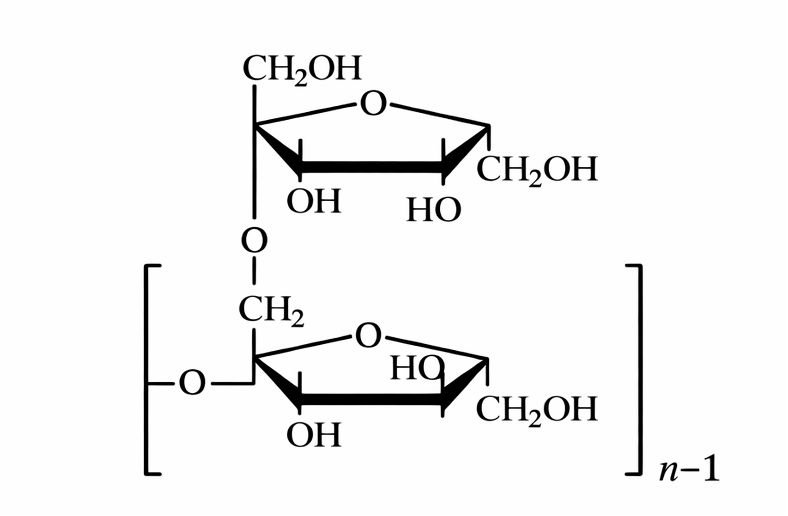
Fig. 1. Schematic diagram of the molecular structure of sucrose–fructose-type inulin
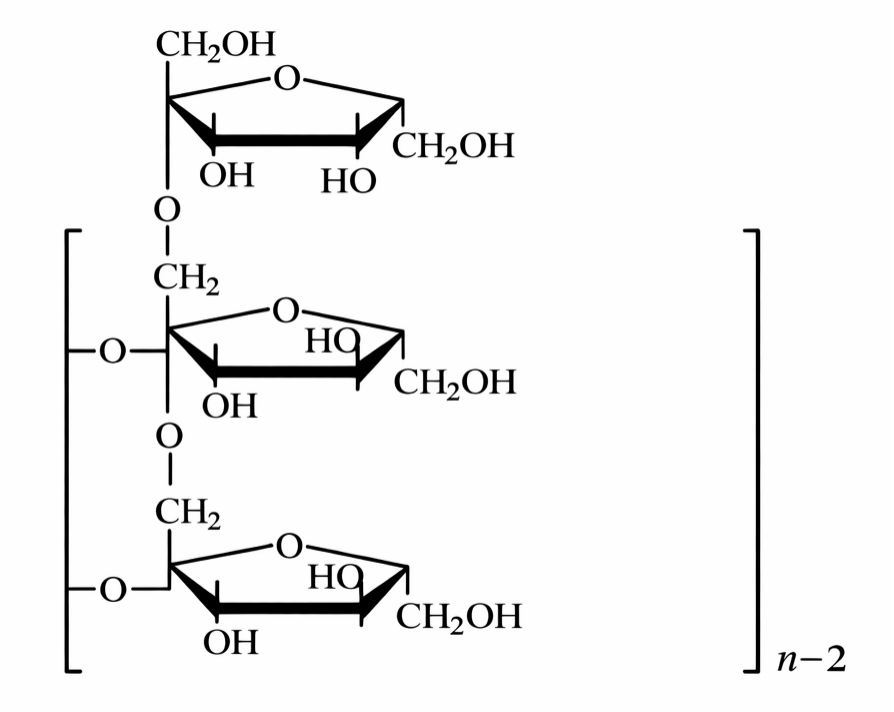
Fig. 2. Schematic diagram of the molecular structure of fructose–fructose-type inulin
2.2 Physicochemical Properties and Chain-Length–Dependent Mechanisms
(1) Solubility and Temperature Dependence
① Inulin solubility increases markedly with temperature; hot dissolution is generally advantageous for obtaining clear and stable solutions.
② Short-chain fractions typically exhibit higher solubility than long-chain fractions and are therefore better suited for cold-mix formulations, buffer preparation, or systems requiring lower viscosity.
③ A high proportion of long-chain inulin may dissolve slowly or yield slight turbidity under cold-mix conditions; process optimization should consider dispersion strategy, shear input, and temperature–solubility profiles. Stepwise addition and sufficient hydration are recommended to prevent local agglomeration and concentration gradients.
(2) Sweetness and Sensory Contribution
① Overall sweetness is lower than sucrose and is inversely related to DP: short-chain fractions tend to provide more perceptible sweetness, whereas long-chain fractions contribute minimal sweetness.
② In reduced-sugar systems, inulin is primarily used to restore bulk and mouthfeel, mitigating the "thinness" and sharp flavor profile often associated with sugar reduction.
③ In microbial culture or fermentation research, sweetness per se is not critical; however, the proportion of free sugars can alter carbon-source strength and metabolic outputs and should be controlled consistently across comparative experiments.
(3) Gelation and Fat-Mimetic Function
① Within certain solids-content ranges, inulin can form gel networks; long-chain inulin more readily forms microcrystals and structural networks, contributing viscosity and shape stability.
② Long-chain inulin can generate a fine, fat-like structure in aqueous phases, enabling texture rebuilding and partial fat replacement in low-fat formulations.
③ In materials and pharmaceutics, these gel/microstructural properties can be leveraged to construct polysaccharide-based carriers, improve protein stability, or modulate release behavior; systematic characterization should incorporate molecular-weight distribution, concentration, ionic strength, and thermal history.
(4) Hygroscopicity and Water Management
① Inulin can bind free water and reduce water activity in certain systems, which may help suppress moisture loss and delay textural deterioration.
② In protein-, salt-, or acid-rich matrices, interactions may induce viscosity changes or syneresis risk; compatibility and stability evaluations are therefore necessary.
③ In freeze-drying protection, spray-drying, or solid dispersion research, hygroscopicity and glass-transition behavior are tightly linked to storage stability; moisture content and packaging conditions should be closely managed.
III. Digestive and Metabolic Characteristics and the Basis of Physiological Functions
3.1 Non-Digestibility and Colonic Fermentation
Inulin is resistant to hydrolysis and absorption in the small intestine, reaches the colon, and is selectively utilized and fermented by beneficial microbes such as Bifidobacterium spp., producing SCFAs and, to some extent, gases. Its physiological effects are closely coupled to the sequence "microbiota compositional change—metabolite shift—local environmental alteration (e.g., pH)." Accordingly, inulin is frequently employed as a standard prebiotic substrate in microbiota intervention studies, fermentation-based metabolomics, and validation using gut-model systems.
3.2 Major Functional Directions and Key Scientific Wording Considerations
(1) Modulation of Gut Microbiota and Support of Intestinal Function
① By providing fermentable substrate, inulin can promote the proliferation of beneficial microbes and improve gut ecological structure.
② Fermentation-driven acidification lowers colonic pH, which may help suppress certain unfavorable microbial activities.
③ Associations have been reported with bowel movement frequency and stool characteristics, but functional claims should strictly reflect evidence levels and regulatory requirements; in scientific writing, "mechanistic evidence" should be clearly distinguished from "clinical endpoints."
(2) Support of Lipid and Glycemic Metabolism
① Some studies suggest that SCFAs generated from inulin fermentation may participate in regulation of lipogenesis and cholesterol metabolism.
② Because inulin is not degraded into absorbable monosaccharides in the small intestine, its direct contribution to postprandial glycemic excursions is limited.
③ Study designs should control dietary background, baseline fiber intake, and energy intake, and should evaluate SCFA profiles, bile acid metabolism, and hepatic pathways in parallel to strengthen causal inference.
(3) Mechanistic Basis for Enhanced Mineral Utilization
① SCFA-mediated pH reduction in the colon can increase the solubility and bioaccessibility of divalent ions such as calcium and magnesium.
② Fermentation may also improve the colonic mucosal environment, potentially facilitating mineral utilization.
③ Validation can follow a tiered pipeline of in vitro dissolution → cell-based uptake models → animal/human studies, combined with quantitative methods such as ion-selective electrodes and ICP-MS.
IV. Natural Sources, Industrial Feedstocks, and Production Processes
4.1 Natural Occurrence and Selection of Commercial Feedstocks
Inulin is widely distributed in nature, particularly in storage organs (roots, tubers) of plants such as those in the Asteraceae and Campanulaceae families. Industrial production predominantly relies on chicory root and Jerusalem artichoke due to stable supply, relatively high inulin content, and mature extraction technologies. For experimental research, it is advisable to specify source, purity, DP distribution, and free-sugar control metrics to ensure cross-batch comparability and reproducibility.
Table 1. Inulin content in common plants
Plant (Latin name) | Inulin content (%) |
Wheat (Triticum aestivum) | 1–4 |
Onion (Allium cepa) | 2–6 |
Leek (Allium porrum) | 10–15 |
Asparagus (Asparagus officinalis) | 10–15 |
Chicory (Cichorium intybus) | 13–20 |
Jerusalem artichoke (Helianthus tuberosus) | 15–20 |
Red salsify (Tragopogon ruber) | 15–20 |
Dahlia tuber (Dahlia pinnata) | 15–20 |
Garlic (Allium sativum) | 15–25 |
4.2 Industrial Manufacturing Workflow and Critical Control Points
(1) Representative Process Flow
① Raw material washing and size reduction: minimizes exogenous contaminants and improves extraction efficiency.
② Hot-water extraction and clarification: produces an inulin-containing extract and removes suspended solids.
③ Ion exchange/membrane filtration: removes proteins, minerals, pigments, and other impurities to improve purity and stability.
④ Concentration and spray drying: yields powder products with controlled moisture content and flowability.
(2) Chain-Length Control and Product Line Differentiation
① Through fractionation, separation, or tuning of processing parameters, products can be enriched in short-chain, long-chain, or specific DP profiles.
② DP profiles should be matched to application goals: short-chain fractions favor cold dissolution and rapid fermentation studies; long-chain fractions favor gelation, delivery, and texture support.
③ Key characterization information (e.g., moisture, ash, free sugars, mean DP or molecular-weight distribution) should be documented to support methodological consistency.
V. Application Areas and Formulation Engineering Considerations
5.1 Food Industry Applications
(1) Low-Fat Foods and Fat Replacement
① Long-chain inulin provides smoothness, thickness, and flavor retention via microstructure formation, enabling partial fat replacement.
② Applicable to yogurt, dairy desserts, spreads, certain sauces, and frozen desserts.
③ Interactions with proteins and emulsified systems should be evaluated to avoid syneresis, phase separation, or a chalky mouthfeel.
(2) Fiber Fortification and Nutrition Label Optimization
① As a source of soluble dietary fiber, inulin can increase fiber content while improving bulk and mouthfeel.
② It is well suited to cereals, meal replacements, baked goods, and dairy beverages.
③ Free-sugar content and sensory balance should be controlled to minimize flavor defects associated with "fiber addition."
(3) Mouthfeel Reconstruction in Reduced-Sugar Systems
① By restoring bulk and modulating sweetness perception curves, inulin can alleviate thin mouthfeel and insufficient aftertaste typical of sugar reduction.
② When combined with high-intensity sweeteners or syrups, osmotic pressure, freezing point, viscosity, and flavor release should be assessed systematically.
③ For cold-mix beverages, short-chain or short-chain–enriched inulin is generally preferred, and dissolution processes should be optimized to ensure clarity.
5.2 Health and Functional Formulation Applications
(1) Synbiotic Strategies
① As a prebiotic substrate, inulin provides nutritional support for supplemented probiotic strains and may promote their survival and proliferation in the intestinal environment.
② It can also enhance the activity of endogenous beneficial microbiota, contributing to more stable ecological modulation.
③ Formulation should account for strain-specific traits, water activity, processing temperature, and shelf-life viability.
(2) Synergistic Strategies for Mineral Supplements
① By lowering colonic pH through fermentation and enhancing mineral solubility, inulin can provide formulation synergy that improves utilization efficiency.
② In vitro dissolution studies and human tolerance assessments are recommended for calcium- and magnesium-focused products.
③ Efficacy statements should remain within regulatory boundaries, using compliant language such as "supports mineral utilization."
VI. Experimental Research Scenarios
6.1 Inulin Clearance for Renal Function Assessment
Inulin is freely filtered by the glomerulus and, under normal physiological conditions, is minimally reabsorbed or secreted by renal tubules; thus, inulin clearance has long been regarded as a classic reference method for estimating glomerular filtration rate (GFR). Studies commonly quantify in vivo kinetics using HPLC, enzymatic assays, or tracer-labeled inulin. Such work should comply with animal ethics or clinical research requirements, and should rigorously define dosing routes, blood/urine sampling schedules, sample recovery completeness, and model parameters.
6.2 Substrate Use in Gut Microbiota and Fermentation Research
(1) In Vitro Anaerobic Fermentation and Simulated Gut Models
① As a standard prebiotic substrate, inulin is used to compare how different DP profiles affect microbiota composition, SCFA spectra, and gas production.
② Integration with multi-omics (16S/shotgun metagenomics, metabolomics, transcriptomics) enables elucidation of "substrate–microbiota–metabolites–phenotype" relationships.
③ Establishing batch-consistent substrate characterization reduces systematic errors introduced by variability in free sugars and DP distributions.
(2) Mechanistic Studies in Cell and Organoid Models
① By applying fermentation supernatants or SCFA exposures, studies assess changes in barrier-related proteins, inflammatory mediators, and signaling pathways.
② In intestinal epithelial or immune-cell systems, it is essential to specify whether the treatment is intact inulin, fermentation products, or their combination, thereby avoiding conceptual conflation.
③ Isotonic controls and carbon-source controls are recommended to exclude confounding effects from osmotic pressure and energy substrate differences.
6.3 Materials Science and Pharmaceutics for Delivery
(1) Construction of Polysaccharide Carriers and Gel Systems
① Long-chain inulin can be used to construct polysaccharide networks via gelation and microstructure formation, enabling control over pore architecture and diffusion behavior.
② When co-formulated with proteins, polyphenols, or inorganic ions, interactions and their impacts on rheology, phase behavior, and stability should be evaluated systematically.
③ Structure–property relationships can be established using rheology, DSC, XRD, particle sizing, and microscopic structural analyses.
(2) Stabilization and Solid Dosage/Formulation Studies
① In freeze-drying or spray-drying, inulin can function as a structural excipient or protective component, influencing glass-transition behavior and reconstitution performance.
② Hygroscopicity may introduce storage-stability risks; moisture control and packaging barrier properties should be validated.
③ For bioactive systems, activity retention should be assessed alongside key quality attributes (KQAs).
VII. Safety, Tolerability, and Compliance Considerations
7.1 Tolerability and Intake Management
Due to its fermentability, inulin may cause gastrointestinal responses such as bloating and increased flatulence, with substantial inter-individual variability. Product formulation and instructions should manage single-dose intake and evaluate additive effects with other fermentable carbohydrates; intervention studies should record adverse events and implement dose-escalation and discontinuation criteria.
7.2 Regulatory Landscape and Standardized Quality Control
Regulatory approvals, use scopes, and health-claim governance for inulin vary across regions. Industrial applications should undergo compliance assessment under local regulations and current standards; in research settings, critical characterization metrics and batch-consistency documentation should be strengthened to support reproducibility and traceability.
VIII. Related Products
8.1 List of Aladdin Products Related to Inulin
Catalog No. | Product Name | CAS No. | Grade and Purity | Application / Notes |
FITC-inulin | -- | 4.5 kDa | Fluorescently labeled inulin; commonly used for intestinal permeability assessment, tracer/distribution studies, and uptake/imaging (FITC channel). | |
Inulin–FITC | -- | Dahlia tuber | FITC-labeled inulin from plant source; suitable for polysaccharide tracing and in vitro/in vivo barrier function and permeability-related assays. | |
Inulin-FITC | -- | -- | General-purpose FITC-inulin tracer; used for permeability testing (e.g., serum fluorescence after oral gavage), tissue distribution, and imaging. | |
Inulinase from Aspergillus niger | 9025-67-6 | lyophilized, powder, brown-gray, ~25 U/mg | Inulin-hydrolyzing enzyme; used to degrade inulin/fructans (producing fructose and fructooligosaccharides), suitable for preparing reaction systems or enzyme characterization. | |
Inulinase from Aspergillus niger | 9025-67-6 | EnzymoPure™, aqueous glycerol solution | Inulin-hydrolyzing enzyme in glycerol solution for direct dosing; suitable for continuous reactions/high-throughput work and when enhanced activity stability is needed. | |
Inulin from Helianthus tuberosus L.(Jerusalem artichoke) | 9005-80-5 | Biochemical reagent | Substrate/inulin matrix; can be used as an enzymatic reaction substrate, carbon source/fermentation studies, standard curve preparation, or functional polysaccharide research. |
8.2 Key Substances Related to Inulin Research and Use Notes
Name | English Name | CAS No. | Use Positioning |
Inulin | Inulin | Prebiotic substrate; an upstream substrate/intervention material for SCFA production via fermentation; also used as a substrate for in vitro fermentation and metabolism studies. | |
Fructooligosaccharides (short-chain fructan control) | Fructooligosaccharides (FOS) | A commonly used control prebiotic (short-chain fructans); used for comparison with inulin in terms of fermentation rate, acid-production profile, and microbiota responses. | |
Acetic acid (SCFA target) | Acetic acid | SCFA analyte/standard; used for GC/LC calibration curves, method validation, and spike-and-recovery tests. | |
Propionic acid (SCFA target) | Propionic acid | SCFA analyte/standard; used for quantification and method control. | |
Butyric acid (SCFA target) | Butyric acid | SCFA analyte/standard; used for quantification and method control (often reported as a key functional SCFA indicator). |
Inulin combines engineerable structural attributes with quantifiable biological effects, making it a pivotal polysaccharide linking food formulation development and life-science research. A recommended framework centers on "structural characterization (DP distribution, free sugars, impurity profiles) → solution and rheological behavior → biological-system responses → quantitative analytical methodology," and closes the application-development loop through "DP-profile matching → system compatibility → process route → tolerability management → compliant scientific wording." This approach can enhance comparability of experimental outcomes and practical feasibility of product development, while systematically expanding inulin’s value across gut health, metabolic research, renal function assessment, and polysaccharide-based materials.
References
[1] Center for Food Safety and Applied Nutrition. Guidance for Industry: The Declaration of Certain Isolated or Synthetic Non-Digestible Carbohydrates as Dietary Fiber on Nutrition and Supplement Facts Labels. U.S. Food and Drug Administration, 2020-02-01.
[2] Singh R S, Chauhan Kanika, Pandey Ashok, Larroche Christian. Biocatalytic strategies for the production of high fructose syrup from inulin. Bioresource Technology, 2018-07-01, 260. ISSN 0960-8524. doi:10.1016/j.biortech.2018.03.127.
[3] Richards A N, Westfall B B, Bott P A. Renal Excretion of Inulin, Creatinine and Xylose in Normal Dogs. Experimental Biology and Medicine, 1934-10-01, 32(1). ISSN 1535-3702. doi:10.3181/00379727-32-7564P.
[4] Shannon J A, Smith H W. The Excretion of Inulin, Xylose and Urea by Normal and Phlorizinized Man. The Journal of Clinical Investigation, 1935-07-01, 14(4). ISSN 0021-9738. PMCID: PMC424694. PMID: 16694313. doi:10.1172/JCI100690.
[5] Coulthard M G, Ruddock V. Validation of inulin as a marker for glomerular filtration in preterm babies. Kidney International, 1983-02, 23(2). ISSN 0085-2538. doi:10.1038/ki.1983.34.
[6] Hsu C-yuan, Bansal Nisha. Measured GFR as “Gold Standard”—All that Glitters Is Not Gold?. Clinical Journal of the American Society of Nephphrology, 2011-08, 6(8). ISSN 1555-9041. doi:10.2215/CJN.06040611.