≥99% for sensitive chromatographic and analytical workflows requiring minimal baseline interference.
🌡
Storage & shipping
Store at 2-8°C,Protected from light,Desiccated Ships Wet ice Check lot-specific COA for exact specifications.
📋
Quality documents
SDS, COA, datasheet, and spec sheet available for download. Lot-specific COA accessible via lot number lookup.
📚
Literature proof
Cited in 0 peer-reviewed publications across chromatography, organic synthesis, and cross-coupling reactions.
Overview
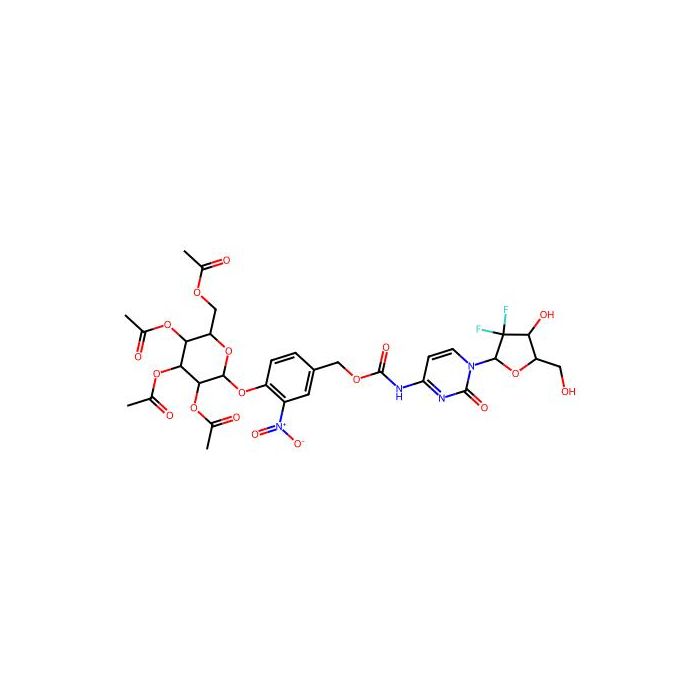
SSK1, a senescence-specific killing compound, is a β-galactosidase-targeted proagent attenuates inflammation. SSK1 is activated by lysosomal β-galactosidase and selectively killed senescent cells through the activation of p38 MAPK and induction of apoptosis.
In Vitro
SSK1 (0.5 µM; 12-72 hours) activates the phosphorylation levels of both p38 MAPK and MKK3/MKK6 in senescent cells. SSK1 kills senescent cells through the activation of the p38 MAPK signaling pathway. SSK1 is able to induce mitochondrial DNA damage in senescent cells. SSK1 (0.01-1 µM; 3 days) selectively and potently eliminates β-galactosidase-positive senescent cells within a wide therapeutic window. MCE has not independently confirmed the accuracy of these methods. They are for reference only. Cell Proliferation AssayCell Line: Primary mouse fibroblasts Concentration: 0.5 µM Incubation Time: 12 hours, 24 hours, 36 hours, 48 hours, 72 hours Result: Both p38 MAPK and MKK3/MKK6 were activated by phosphorylation in senescent cells.
In Vivo
SSK1 (0.5 mg/kg; i.p.; two days every week; for four weeks) could eliminate senescent cells and decrease senescence-associated markers in lung-injured mice . In aged mice (20-month-old), SSK1 (0.5 mg/kg; 3 days every 2 weeks for 8 weeks) effectively clears senescent cells in different tissues, decreases the senescence- and age-associated gene signatures, attenuates low-grade local and systemic inflammation, and restores physical function . MCE has not independently confirmed the accuracy of these methods. They are for reference only. Animal Model: Mice (3-6-month-old) were subjected to transtracheal injection of Bleomycin Dosage: 0.5 mg/kg Administration: Intraperitoneally injection; two days every week; for four weeks Result: SSK1 significantly reduced the percentage of SA-β-gal-positive cells in lung by 3.8-fold compared with that in vehicle-treated lung-injured mice
Form:Solid
Specifications
Specifications & Purity
≥99%
Biochemical and Physiological Mechanisms
SSK1, a senescence-specific killing compound, is a β-galactosidase-targeted proagent attenuates inflammation. SSK1 is activated by lysosomal β-galactosidase and selectively killed senescent cells through the activation of p38 MAPK and induction of apoptos
Storage
Store at 2-8°C,Protected from light,Desiccated
Shipped In
Wet ice
This product requires cold chain shipping. Ground and other economy services are not available.
Determine the necessary mass, volume, or concentration for preparing a solution.
Dilution Calculator
Determine the dilution needed to prepare a stock solution.
Reconstitution Calculator
Reviews
Customer Reviews
Frequently Asked Questions
What is the purity of this product?
This product is supplied at ≥99% purity (chemical assay). Lot-specific values are stated on the Certificate of Analysis.
How should this product be stored?
Store at 2–8 °C, protected from light, desiccated. Keep the container tightly closed with desiccant — the material is moisture-sensitive.
How is this product shipped?
This product ships chilled on wet ice. Unpack on arrival and transfer it to the storage condition stated above.
What are the CAS number, molecular formula and molecular weight?
The CAS Number is 2629250-69-5, the molecular formula is C31H34F2N4O18, and the molecular weight is 788.61 g/mol. InChIKey DLQYTWCQXUJEML-XERWOCHESA-N.
What documentation is provided?
Available product documentation, including Certificates of Analysis (COA), Safety Data Sheets (SDS), and specification sheets, is shown in the product document area. Document availability and access follow the current site policy.
We use cookies to ensure the website functions properly and, where permitted, to improve your experience. You can manage your preferences at any time in Settings. Learn more in our Cookie Policy.
Shall we send you a message when we have discounts available?
Remind me later
Thank you! Please check your email inbox to confirm.
Products are supplied to verified businesses, institutions, and qualified professionals for research and development use only. Not for use in humans, animals, diagnosis, or therapy.