≥95% for sensitive chromatographic and analytical workflows requiring minimal baseline interference.
🌡
Storage & shipping
Store at -20°C Ships Ice chest + Ice pads Check lot-specific COA for exact specifications.
📋
Quality documents
SDS, COA, datasheet, and spec sheet available for download. Lot-specific COA accessible via lot number lookup.
📚
Literature proof
Cited in 0 peer-reviewed publications across chromatography, organic synthesis, and cross-coupling reactions.
Overview
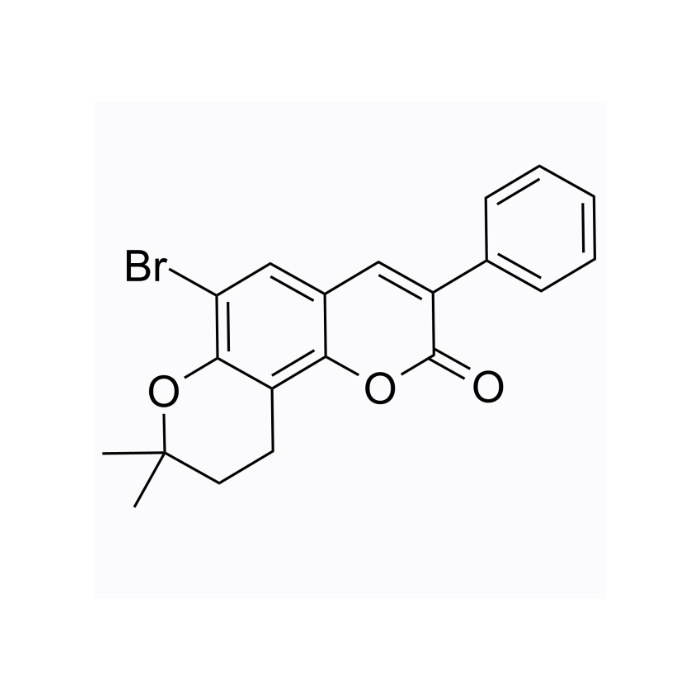
Nrf2 activator-2 (compound O15), a Osthole derivative, is a potent Nrf2 agonist with an EC50 of 2.9 μM in 293 T cells. Nrf2 activator-2 effectively inhibits the interaction between Keap1 and Nrf2, thus showing the activation effect on Nrf2. Nrf2 activator-2 shows a marked decrease in the level of ubiquitinated Nrf2 in cells
Determine the necessary mass, volume, or concentration for preparing a solution.
Dilution Calculator
Determine the dilution needed to prepare a stock solution.
Reconstitution Calculator
Reviews
Customer Reviews
Application Protocols
No application protocols are specified for this item in the Product Data. Refer to the CoA/Spec Sheet or contact technical support with SKU N659226 for any available internal test methods.
Given the lack of product-specific validation, users should design assay protocols according to their institutional SOPs and peer-reviewed literature for Nrf2 pathway studies. Include appropriate controls (vehicle, positive/negative modulators) and confirm readouts using orthogonal methods.
Biological Roles
General context (literature/general knowledge):
Nrf2 (nuclear factor erythroid 2–related factor 2) is a transcription factor that coordinates cellular defense against oxidative and electrophilic stress. Under basal conditions, Keap1 targets Nrf2 for ubiquitination and proteasomal degradation. Activation of Nrf2—by electrophilic modification of Keap1 cysteines or by disrupting the Keap1–Nrf2 protein–protein interaction—stabilizes Nrf2, enabling nuclear translocation and binding to antioxidant response elements (AREs).
Downstream gene programs include phase II detoxification enzymes and antioxidant proteins (e.g., NQO1, GCLC/GCLM, HMOX1/HO-1, GSR), enhancing redox buffering, xenobiotic metabolism, and protein homeostasis.
Use of Nrf2 activator-2:
As a research probe, Nrf2 activator-2 serves to experimentally elevate ARE-driven transcription, allowing dissection of redox signaling, metabolism, mitochondrial function, and crosstalk with pathways such as NF-κB, MAPK, and autophagy.
In cell and tissue models, investigators often quantify induction via reporter assays, RT-qPCR for canonical targets, or proteomics/phosphoproteomics to capture broader network effects. Redox metrics (ROS probes, GSH/GSSG) can corroborate functional impact.
Selectivity considerations:
Depending on chemotype, some activators act covalently (Michael acceptors) with potential off-target thiol reactivity; others are designed as noncovalent Keap1–Nrf2 PPI inhibitors. Without compound-specific data, users should independently verify on-target engagement (e.g., Keap1 cysteine adduct MS for covalent agents, or PPI displacement assays for noncovalent).
Item-specific pathway data (EC50, target engagement): Not specified for this item; refer to CoA/Spec Sheet.
Buffer Applications
This product is a bioactive small molecule and is not typically used to compose buffer systems. Therefore, classic buffer recipes or pH control applications do not apply.
Practical note (general guidance):
When preparing working solutions for biochemical or cell-based assays, dissolve in an appropriate organic co-solvent (commonly DMSO), then dilute into the assay buffer/media. Maintain consistent final co-solvent concentration across all samples.
If precipitation occurs upon dilution into aqueous buffers, increase mixing, adjust order of addition (add compound into buffer slowly), or modestly increase co-solvent content while keeping it compatible with the assay.
Item-specific buffer compatibility data: Not specified for this item; refer to CoA/Spec Sheet.
Green Alternatives
As a bioactive screening compound, the main sustainability levers relate to solvent choice and scale rather than replacement of the compound itself. The following guidance is general (literature/general knowledge):
Greener solvent strategies for handling and analysis:
Prefer ethanol or 2-propanol over higher-toxicity polar aprotics when solubility allows; however, biological assay tolerance to alcohols can be lower than to DMSO.
Maintain minimal DMSO final concentrations (≤0.1–0.2% v/v) to reduce solvent load and potential cytotoxic confounds.
For purification or analytics, consider ACN over MeOH for LC where waste reduction protocols exist; both are class 2 solvents—capture and recycle when possible.
Waste minimization:
Plan small-scale stock preparations (e.g., 100–500 µL aliquots) to avoid repeated freeze–thaw and disposal of aged solutions.
Use micro-scale assay formats (96/384-well) to reduce compound and solvent usage.
Comparison (general):
DMSO: Excellent solvency; moderate toxicity; high boiling; easy to handle; widely accepted in cell assays.
Ethanol: Greener profile; lower solvency for many hydrophobes; potential cellular effects at >0.5% v/v.
2-MeTHF or CPME (for synthetic contexts): Greener ethers, but typically not used in cell assays; relevant only if the compound is used in chemistry workflows.
Note: No item-specific green credentials (e.g., solvent-free formulation, stabilizers) are provided; refer to CoA/Spec Sheet.
Pharmaceutical Uses
For research use only. No pharmaceutical, clinical, or therapeutic uses are claimed or supported for this product.
Formulation/CMC research context (general guidance):
In preclinical research settings, small molecules like Nrf2 activators may be formulated for in vitro or ex vivo studies (e.g., DMSO or ethanol stocks for cell assays). For nonclinical PK or mechanistic studies, vehicles can include co-solvent systems and surfactants; however, no item-specific formulation data are provided here.
No pharmacopeial monograph or excipient status is indicated for this compound.
Item-specific regulatory/compendial status: Not specified for this item; refer to CoA/Spec Sheet.
Note: All use is restricted to laboratory research under appropriate institutional approvals.
Physical Properties
Item-specific physical constants have not been provided in the Product Data.
Item-specific values:
Appearance: Not specified for this item; refer to CoA/Spec Sheet.
Molecular weight: Not specified for this item; refer to CoA/Spec Sheet.
Melting point (MP): Not specified for this item; refer to CoA/Spec Sheet.
Boiling point (BP): Not specified for this item; refer to CoA/Spec Sheet.
Density: Not specified for this item; refer to CoA/Spec Sheet.
LogP/logD: Not specified for this item; refer to CoA/Spec Sheet.
pKa: Not specified for this item; refer to CoA/Spec Sheet.
Refractive index: Not applicable to solids; if liquid, not specified for this item; refer to CoA/Spec Sheet.
Solubility: Not specified for this item; refer to CoA/Spec Sheet.
General guidance (literature/general knowledge):
Many bioactive Nrf2 modulators are hydrophobic small molecules often formulated as DMSO stock solutions (e.g., 10–50 mM) for cell-based work. If the compound is poorly water-soluble, co-solvents (DMSO), surfactants (0.01–0.1% Tween 80), or serum proteins can aid delivery in biological assays. Always confirm solubility with a small-scale test.
Light and moisture sensitivity vary by chemotype; handle under low-moisture conditions and protect from light until item-specific guidance is available.
Quality & Grades
Item-specific quality attributes are not provided in the Product Data.
Item-specific statements:
Grade/purity: Not specified for this item; refer to CoA/Spec Sheet.
Stabilizers/inhibitors: Not specified for this item; refer to CoA/Spec Sheet.
General guidance for bioactive screening compounds (literature/general knowledge):
Typical supply format: Solid or concentrated DMSO solution. If supplied as a solid, users often prepare sterile-filtered (0.22 µm) DMSO stocks for cell assays.
Purity expectations: Screening compounds are commonly ≥95% by HPLC/UPLC; confirm the actual value on the CoA. Minor residual solvents or counter-ions may be present depending on synthesis and salt form.
Identity verification: LC–MS and 1H NMR are standard. If your application is sensitive to isomers, request chiral purity information when relevant.
UV-Vis background: If using in reporter assays with optical readouts, low UV/Vis background and absence of intrinsic fluorescence/colored impurities reduce interference; check the chromatographic purity trace.
Recommendations:
Request and review the CoA for batch-specific purity, water content, residual solvents, and analytical chromatograms.
If necessary for SAR or QC, perform in-house orthogonal purity checks (qNMR, HRMS, and UPLC at multiple wavelengths).
Reaction & Applications
This product is intended as a bioactive small molecule for research use, not primarily as a synthetic reagent. Consequently, classical organic reaction applications (e.g., Grignard, cross-coupling) are not the main focus.
Research applications (literature/general knowledge on Nrf2 pathway tools):
Pathway modulation: Utilized as a positive control or probe in studies of the Keap1–Nrf2–ARE axis to induce transcriptional programs associated with oxidative/electrophilic stress response.
Cell-based assays: Commonly tested in ARE-luciferase reporter lines, qPCR of Nrf2 target genes (e.g., NQO1, HMOX1), and immunoblotting for Nrf2 nuclear translocation or HO-1 induction.
Chemical biology: Used to benchmark potency in covalent (Keap1 Cys) versus noncovalent PPI-disruption mechanisms, where applicable to the chemotype.
Toxicology/ADME research: Supports evaluation of cytoprotective gene induction, redox biomarkers (GSH/GSSG), and potential off-target electrophilicity.
Practical notes:
Standardize DMSO content across treatments and controls. Include counter-screens for general cytotoxicity (e.g., resazurin/ATP assays) to distinguish pathway activation from toxicity artifacts.
Include time-course experiments (e.g., 2–24 h) to capture transcriptional kinetics of Nrf2 targets.
Validate pathway specificity using siRNA/CRISPR knockdown of Nrf2 or Keap1, or chemical antagonists, where appropriate.
Item-specific guidance: No potency, EC50, or selectivity data are provided for Nrf2 activator-2; consult the CoA/Spec Sheet or literature if available.
Reaction Conditions
Not primarily applicable. Nrf2 activator-2 is supplied as a research probe for biological studies rather than for performing chemical reactions.
If employing the compound in assay workflows (general guidance):
Stock preparation: Frequently in anhydrous DMSO at 10–50 mM; filter sterilize (0.22 µm PTFE) if sterility is required. Confirm solubility visually and by analytical LC.
Working concentrations: Determined empirically; literature for Nrf2 activators often explores 0.1–20 µM ranges in cells, with attention to cytotoxicity controls. No item-specific potency data are provided.
Incubation: Time courses of 2–24 h commonly capture Nrf2 transcriptional responses; optimize per cell line.
Controls: Vehicle (matched DMSO), positive control activator (e.g., a well-characterized Nrf2 agonist), and pathway antagonism controls (e.g., Nrf2 knockdown) to validate specificity.
Item-specific chemical reaction conditions (solvents, catalysts, yields): Not applicable/not specified for this item.
Safety & Handling
Authoritative safety information must be taken from the SDS. The following reflects general best practices for small-molecule research compounds.
Item-specific hazard data:
GHS classification: Not specified for this item; refer to SDS.
Signal word: Not specified for this item; refer to SDS.
H-statements: Not specified for this item; refer to SDS.
Pictograms: Not specified for this item; refer to SDS.
General laboratory precautions (general guidance):
PPE: Wear lab coat, nitrile gloves, and safety glasses; use chemical fume hood for weighing, dissolution, and transfers.
Avoid inhalation, ingestion, and skin/eye contact. Prevent aerosol formation when opening lyophilized or powdered materials.
Storage incompatibilities: Until structural details are known, segregate from strong oxidizers, strong acids/bases, and reducing agents; avoid prolonged light and humidity exposure.
First aid (overview; consult SDS): In case of skin/eye contact, rinse with water for at least 15 minutes and remove contaminated clothing. If inhaled, move to fresh air. If ingested, rinse mouth; seek medical attention for all exposures.
Waste: Collect solutions/solids as organic hazardous waste. Decontaminate surfaces with appropriate solvent followed by detergent and water.
Transport: Shipped with ice packs; keep temperature excursions minimal to maintain integrity.
Note: Some Nrf2 activators can be electrophilic Michael acceptors (literature) and may alkylate nucleophiles. Until compound-specific data are available, handle as potentially reactive.
Solvent Selection
Item-specific solubility data are not provided. The following are general considerations for small, hydrophobic bioactives used in Nrf2/Keap1 pathway studies (literature/general knowledge):
Common stock solvents:
DMSO: First-line solvent due to broad solubilizing power and cell compatibility at ≤0.1–0.5% v/v in assays.
DMF or NMP: Alternative high-boiling polar aprotics when DMSO is insufficient; assess cytotoxicity and leachables.
Ethanol: Useful for some aromatic compounds; maintain ≤0.5% v/v in biological media to minimize effects.
Aqueous use:
Many Nrf2 activators require co-solvent systems for aqueous delivery. Typical approach: prepare a concentrated DMSO stock (e.g., 10–50 mM), then dilute into buffer/media as the last step with vigorous mixing. Maintain consistent final DMSO across controls and treatments.
For in vitro biochemical assays, include 0.01–0.1% nonionic surfactant (e.g., Tween 20/80) if adsorption losses are observed.
Practical tips:
Perform a small-scale solubility screen (DMSO, DMF, EtOH, 2-MeTHF) and check clarity after 1–2 hours at room temperature and after refrigeration.
Avoid plastic adsorption by using low-bind polypropylene or glass vials; pre-wet tips with solvent when handling low-µg quantities.
If precipitation occurs on dilution, increase dilution speed, add solvent dropwise into vigorously stirred media, or reduce final concentration.
Note: For chromatographic method development, mobile phases with 0.1% formic acid or ammonium acetate (LC–MS compatible) commonly provide robust peak shapes for neutral-to-weakly basic compounds.
Storage & Reconstitution
Item-specific conditions:
Storage conditions: Store at −20°C (from Product Data).
General guidance for small-molecule bioactives (literature/general knowledge):
Protect from moisture and light; keep container tightly closed. If supplied as a solid, allow vial to equilibrate to room temperature in a desiccator before opening to minimize condensation.
Reconstitution solvent: In the absence of item-specific solubility data, anhydrous DMSO is commonly used to prepare concentrated stocks (e.g., 10–50 mM). Verify clarity and stability by LC–MS or HPLC after initial dissolution and after 24–48 h at storage temperature.
Aliquoting: Prepare single-use aliquots (e.g., 10–50 µL) to avoid repeated freeze–thaw cycles. Store aliquots at −20°C or below. Record the number of freeze–thaw events.
Working solutions: Prepare immediately before use by diluting the DMSO stock into pre-warmed media or buffer with thorough mixing. Maintain consistent final DMSO across samples.
Stability: Item-specific stability (in solid state or solution) is not provided; refer to CoA/Spec Sheet. As a precaution, minimize light exposure and avoid extended storage in aqueous buffers.
Note: For long-term storage beyond several months, consider −80°C for DMSO stocks if compatible with your lab’s practices, and periodically re-qualify potency in a standard assay.
Structure & Identity
Brief overview: Nrf2 activator-2 (CAS 2770448-53-6) is a small-molecule research tool categorized for small-molecule library use in Nrf2/Keap1 pathway studies.
Item-specific identifiers (from Product Data):
CAS: 2770448-53-6
Molecular formula: Not specified for this item; refer to CoA/Spec Sheet.
Molecular weight: Not specified for this item; refer to CoA/Spec Sheet.
SMILES: Not specified for this item; refer to CoA/Spec Sheet.
InChIKey: Not specified for this item; refer to CoA/Spec Sheet.
Structural description:
Structural features, ring systems, functional groups, and stereochemistry are not provided in the current Product Data. Many Nrf2 activators in the literature are heteroaromatic electrophiles or noncovalent Keap1–Nrf2 PPI inhibitors, but the exact motif for this item is not specified.
Notes for users:
If you require definitive structure (2D/3D), please request the CoA/Spec Sheet or contact technical support with SKU N659226.
For cheminformatics workflows (registration, ELN, inventory), use the CAS and SKU placeholders until full identifiers are obtained.
Synthetic Utility
This product is supplied as a bioactive small molecule for pathway studies rather than as a general-purpose synthetic building block.
Applicability to synthesis:
Without structural details, it is not feasible to recommend transformations, protecting-group strategies, or derivatization routes. If derivatization for SAR or probe development is intended, please request structural information (CoA/Spec Sheet) or consider custom synthesis support.
General considerations (literature/general knowledge):
For chemical biology, analog generation often explores: (i) tuning electrophilicity toward Keap1-sensitive cysteines (if covalent), or (ii) optimizing H-bond/π–π contacts within the Keap1 Kelch domain (if noncovalent). Typical assays include Keap1–Nrf2 peptide displacement and ARE-reporter potency.
If used as a reference standard, ensure rigorous identity confirmation (LC–MS, HRMS, NMR) to support analytical method validation.
Item-specific reactivity motifs, functional groups, and derivatization handles: Not specified for this item; refer to CoA/Spec Sheet.
Target Specificity
Item-specific target details are not provided in the Product Data.
Primary target/mechanism: Not specified for this item; refer to CoA/Spec Sheet.
Mode (covalent Keap1 cysteine modification vs. noncovalent Keap1–Nrf2 PPI inhibition): Not specified for this item; refer to CoA/Spec Sheet.
Off-target profile and selectivity: Not specified for this item; refer to CoA/Spec Sheet.
General guidance (literature/general knowledge):
To establish on-target Nrf2 activation, combine reporter assays with direct measures of target engagement (e.g., Keap1 adduct MS for covalent chemotypes or TR-FRET/AlphaScreen displacement assays for PPI inhibitors).
Evaluate counter-screens that monitor generic oxidative stress or thiol reactivity to rule out nonspecific activation.
Note: Users should perform internal verification of target specificity appropriate to their system.
Frequently Asked Questions
What is the purity of this product?
This product is supplied at ≥95% purity (chemical assay). Lot-specific values are stated on the Certificate of Analysis.
How should this product be stored?
Store at ?20 °C. Freezer storage is required to maintain the specified shelf life.
How is this product shipped?
This product ships in an insulated container with ice pads. Unpack on arrival and transfer it to the storage condition stated above.
What are the CAS number, molecular formula and molecular weight?
The CAS Number is 2770448-53-6, the molecular formula is C20H17BrO3, and the molecular weight is 385.25 g/mol.
What documentation is provided?
Available product documentation, including Certificates of Analysis (COA), Safety Data Sheets (SDS), and specification sheets, is shown in the product document area. Document availability and access follow the current site policy.
We use cookies to ensure the website functions properly and, where permitted, to improve your experience. You can manage your preferences at any time in Settings. Learn more in our Cookie Policy.
Shall we send you a message when we have discounts available?
Remind me later
Thank you! Please check your email inbox to confirm.
Products are supplied to verified businesses, institutions, and qualified professionals for research and development use only. Not for use in humans, animals, diagnosis, or therapy.

 H2428302