Application
BND-10 preservative is designed for controlling microorganisms in biological media for in vitro diagnostic (IVD) products. The product contained 10% of
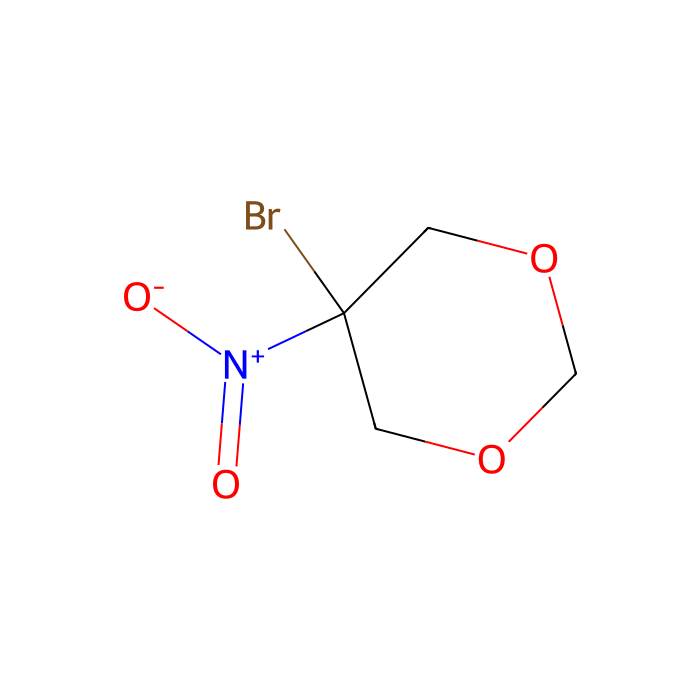
5-Bromo-5- Nitro-1,3-Dioxane in propylene glycol solution, colorless or light-yellow transparent liquid, with special bromine odor, which is a highly efficient biocide can be
used for Hematology analysis, Chemistry analysis and Immunoassay analysis reagent as preservative, which is applied to all kinds of reagents including, controls, calibrators,
diluent, system cleaning and buffer etc. Since the product has a wide range of the effect of inhibiting microbial growth, excellent compatibility and stability, low toxicity and
biodegradability, BND-10 preservative as one of option, can replace Sodium Azide, Thimerosal and Gentamycin. BND-10 preservative can inhibit the growth
of bacteria, fungi, yeasts in reagents for prolonged periods, thereby increasing a product’s shelf life and open vial stability. The water solubility permits easy incorporation
into IVD reagents. Further, BND-10 preservative does not affect the functionality of most enzyme- or antibody-linked reactions, and will not interfere with assay indicators, the material absorption peak at about 214 nm.
Advantage
BND-10 preservative has broad spectrum activity, excellent compatibility and stability, in the use of concentrations of low toxicity, became the ideal efficient antiseptic
in vitro diagnostic (IVD) reagents. As one of important invention, Bromine related compounds had been developed as antimicrobial agents in the last seventy’s, especially
Benzalkonium Bromide and Bronopol, these products are both biocide and surfactant with detergent function, as a disinfectant and preservative cosmetics production and
extensive use in medical, although bacteriostatic effect is good, but because these compounds in aqueous solution can be precipitated, easy to change color and prone to
bubbles, generally cannot be used as preservative in most of the in vitro diagnostic (IVD) reagent. The formation of 5-bromo-5-nitro-1,3-dioxane (BND) can not only improve the
bacteriostatic ability, but also increase the stability under alkaline conditions, reduce discoloration and no longer release formaldehyde. BND-10 which is 10% propylene
glycol solution, easily applied into various kinds of in vitro diagnostic reagent, and can work with ® PC series Preservatives like Isothiazolinone. Its features and
advantages include but are not limited to:
Against bacteria, fungi and yeast all have better inhibition effect.
Broad-spectrum and quickly eliminate the activity of microorganism and biofilm.
Low concentration, low cost, no interference to the color of the reagent.
Stable, at the same time worked as surfactant
Suitable for a wide range of pH, compatibility with enzymes and antibodies
Environment friendly, biodegradability Clinical Hematology analysis system in the hospital could be contaminated easily as the reagent pickup
systems or pipeline direct contact with blood, in the analysis process, which generated biofilm easily. To use BND-10 as antibacterial agent against streptococcus pneumoniae
in diluent and cleaning solution has special effect to extend the shelf life and open shelf life stability. In the IA analysis, BND-10 Preservative as one of first choice applied to
most of reagents.BND-10 Preservative can replace Sodium Azide (NaN3) which widely applied to in vitro diagnostic reagents. In most cases (alkaline), Sodium Azide has a good antibacterial effect, but Sodium Azide can inhibit the activities of horseradish peroxidase (HRP), superoxide dismutase and other enzymes, so Sodium Azide cannot be added to the secondary antibody containing horseradish peroxidase. At the same time, Sodium Azide has the risks of explosion, very sensitive compounds with heavy metals and the risk of
toxicity, inhibit cytochrome oxidase and other enzymes, and can block the formation of oxyhemoglobin in the body, leading to death. Due to the inflammable, explosive and
highly toxic nature of Sodium Azide as a dangerous chemical, its procurement, storage, use and other links of the state have special regulatory requirements, its use is
increasingly limited. BND-10 Preservative can also replace Thimerosal, which was widely applied to in vitro diagnostic reagent, it for both gram positive and negative of
strong antibacterial ability, as the broad-spectrum antibacterial agent, because a small amount of organic mercury in theory has the nerve toxicity, so the use of thimerosal
security issues by the attention of people.
Mechanism of Action
BND-10 Preservative is a kind of broad spectrum antibacterial agent, main compound molecules electron-deficient oxidation of bromine atoms thiol oxidation
bacteria enzyme, inhibit the activity of dehydrogenase causing irreversible damage to cell membrane, activation of bromine and cell membrane proteins at the same time, form
a bromine compounds, nitrogen to interfere with the cell metabolism, bacteriostatic effect.
MIC
BND-10 Preservative showed excellent anti-corrosion effect, its minimum inhibition concentration (MIC) as shown in the table below when the protein content of the reagents/solution is less than 10% of the formula,. The product can be used for in vitro diagnostic reagents containing organic compounds, non-ionic or anionic surfactants and antigenic antibodies. The above components do not affect the antibacterial effect, nor do they produce antagonistic effects on each other. Compatible with most surfactants, but substances containing -SH groups, such as cysteine, can reduce the antibacterial activity. In vitro diagnostic reagents were generally added with a concentration of 0.1-0.5% (about 1-5L was added in 1000L reagents). 1L (equivalent to 0.1%) was added to 1000L of reagent, and the concentration was calculated as 1000ppm in BND-10 solution, and 100ppm in
active substance (A.I.).
Case Study
BND - 10 Preservative can be added into IVD reagents during production process, but recommended in the beginning of the production, which can be used in combination with other bacteriostatic agent as double bacteriostatic system (recommended worked with NeoCide PC-150 or PC-300). The application is fit for pH range between 5 to 8.5. When the temperature higher than 40 oC and/or alkaline (pH > 9) environment which is not stable.
Roche Diagnostics 98 series
988 series electrolyte analyzer used as calibration solution A/B (BP0936/BP0937), and 0.2% of the bacteriostatic agent was used.
Mycoplasma pneumoniae IgM test kit (elisa) from Ani Labsystems used 0.2% of the antimicrobial equivalent.
BioMeriuex Elisa (GE41/7G79-01) containing human immunodeficiency virus antibody (HIV1 +2) and antigen (HIV1 P24) fromBioMeriuex (France) was used 0.2% of the antimicrobial agent.
Abbott Diagnostics Hepatitis B surface antigen (HBsAG) test kit (Elisa) washing solution, with 0.5% of the antibacterial agent used in the negative control and positive control.
Hematology analyzer Diluent and Cleaning Agent, using 0.1% the same product.
Storage
BND-10 Preservative storage temperature range of 15 to 40 oC for two years, if conditions permit, best stored in 20 to 30 degrees. In the process of storage and
transportation, when the temperature is lower than 15oC, Bromonitrodioxane will crystallize and precipitate out. It needs to be remolded in a warm room (a warm box)
above 25oC and below 40oC for 24 hours. After being remolded, it will not affect the use. Containers must be kept closed to avoid direct sunlight. Containers that have been
opened must be carefully re-sealed and placed upright.

 F2615056