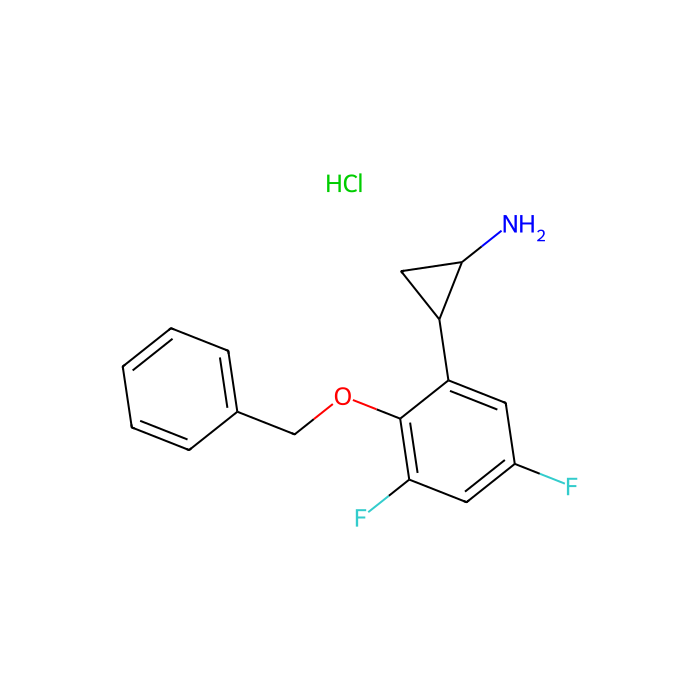
Solvent:water, Max Conc. mg/mL: 15.59, Max Conc. mM: 50; Solvent:DMSO, Max Conc. mg/mL: 31.18, Max Conc. mM: 100
Solution Calculators
Molarity Calculator
Determine the necessary mass, volume, or concentration for preparing a solution.
Dilution Calculator
Determine the dilution needed to prepare a stock solution.
Reconstitution Calculator
Reviews
Customer Reviews
Application Protocols
No tested applications, assay formats, or recommended dilutions are provided for S 2101 in the Product Data.
Validated applications: Not specified for this item; refer to CoA/Spec Sheet.
Recommended working concentrations/dilutions: Not specified for this item; refer to CoA/Spec Sheet.
Positive controls and sample preparation: Not specified for this item; refer to CoA/Spec Sheet.
Guidance
Prior to use in any assay (e.g., ELISA, WB, IHC, enzyme kinetics), perform a small pilot titration to identify suitable concentration and buffer conditions compatible with your platform.
For instrument-based assays (SPR/BLI, ITC, DSF), ensure buffer matching and filtration to avoid artifacts.
Note: Because specific protocols are not supplied, the end user should establish conditions empirically and confirm any critical parameters with the lot-specific CoA/technical sheet.
Biological Roles
Item-specific biological function, source organism, and pathway context are not provided for S 2101.
General context (literature-based for proteins)
Proteins execute the majority of cellular functions, including catalysis (enzymes), signal transduction (receptors, kinases), structural support (cytoskeletal components), transport (carriers, channels), and immune recognition (antibodies, MHC-associated peptides).
Functional properties derive from amino-acid sequence and 3D folding; ligand binding and allostery often modulate activity.
Post-translational modifications (PTMs) such as phosphorylation, glycosylation, and ubiquitination diversify function and localization.
In vitro, purified proteins are used to reconstruct pathways, validate drug targets, and quantify protein–protein and protein–ligand interactions.
Practical implications for research use
Optimal pH, ionic strength, cofactors (e.g., metal ions, nucleotides), and redox conditions are typically protein-specific and should be confirmed empirically.
Activity and stability can be highly sensitive to temperature and freeze–thaw cycles; follow the storage guidance and test small-scale conditions first.
Note: Without target specificity or sequence information for S 2101, users should obtain the product’s CoA or technical sheet to determine any known biological role or recommended application.
Buffer Applications
Item-specific buffer composition and recommended conditions are not provided. The following are general, literature-based practices for handling proteins.
Common buffer systems and working ranges
PBS (phosphate-buffered saline): 10–50 mM phosphate, 137 mM NaCl, pH 7.2–7.6; broadly compatible with many proteins and immunoassays.
HEPES: 10–50 mM, pH 6.8–8.2; minimal temperature and CO2 sensitivity; favored for live-cell proximity work.
Tris: 20–100 mM, pH 7.0–9.0; versatile but primary amine can interfere with NHS-based conjugations and some assays.
MES/MOPS: 20–50 mM, pH 6.0–7.2; useful for mildly acidic stability windows.
Additives (verify compatibility)
NaCl (50–300 mM) to increase ionic strength and reduce nonspecific adsorption.
Glycerol (10–50%) to enhance stability at 2–8°C or during freezing.
Trace nonionic detergent (0.01–0.05%) to reduce surface loss; avoid if it affects activity.
Reducing agents (e.g., 1–5 mM DTT/TCEP) only if disulfide reduction is intended/acceptable.
Practical tips
Filter buffers (0.22 μm) and degass when required (e.g., ITC, SPR/BLI).
Match buffer composition between the protein and downstream assay to prevent precipitation from sudden changes in pH or ionic strength.
Avoid chelators (EDTA) when metal cofactors are essential; avoid azide with peroxidase-based assays.
Note: For S 2101, consult the CoA/Spec Sheet for the exact buffer/formulation and any stabilizers or preservatives.
Green Alternatives
For a protein reagent, green considerations emphasize cold-chain efficiency, buffer choice, and waste minimization rather than solvent substitution.
Opportunities (general, literature-based)
Buffer systems
Prefer biodegradable, low-toxicity buffers (e.g., HEPES, phosphate) over volatile amine systems when possible.
Use minimal effective buffer concentration (e.g., 10–25 mM) to reduce salt load in aqueous waste.
Additives
Limit azide or heavy-metal preservatives when not required; consider sterile filtration and small aliquots to extend shelf life.
Packaging and logistics
Consolidate orders to reduce cold-chain shipments. Choose reusable cold packs and materials where available.
Request concentrated formats (if offered) to lower packaging and transport weight.
Process practices
Implement closed, small-volume workflows and microplate assays to reduce reagent consumption.
Adopt on-demand preparation of working solutions to limit expired waste.
Tradeoffs
Lower buffer strength may compromise protein stability; validate stability versus environmental impact.
Removing preservatives can shorten shelf life; compensate via sterile technique and aliquoting.
Note: No item-specific greener formulation or stabilizer details are provided for S 2101; consult the CoA/Spec Sheet for composition before implementing changes.
Pharmaceutical Uses
No pharmacopeial grade or formulation role is specified for S 2101. The product is designated For research use only and is not intended for human or animal administration.
General (literature-based) roles of proteins in pharmaceutical development (non-clinical)
Process development standards: Proteins may be used as surrogates or standards to optimize purification unit operations (e.g., chromatography, filtration) and analytical methods.
Analytical system suitability: Reference proteins can support method qualification for SEC, SDS-PAGE, CE-SDS, LC-MS peptide mapping, or potency assays.
Formulation research: Screening of buffers, excipients (sugars, polyols, amino acids), and stabilizers to understand aggregation, oxidation, and interfacial stress.
Device compatibility studies: Assess adsorption and stability in contact with packaging or delivery-device materials.
Considerations
For any development use, confirm identity, purity, concentration, endotoxin level, and buffer composition from the CoA/Spec Sheet.
If the protein contains preservatives (e.g., sodium azide), ensure compatibility with intended analytical methods and materials.
Item-specific status
Grade/Purity: Not specified for this item; refer to CoA/Spec Sheet.
Pharmacopeial compliance (USP/EP): Not specified for this item; refer to CoA/Spec Sheet.
Physical Properties
Item-specific physical data are not provided for this protein reagent.
Appearance: Not specified for this item; refer to CoA/Spec Sheet.
Molecular weight (MW): Not specified for this item; refer to CoA/Spec Sheet.
Isoelectric point (pI): Not specified for this item; refer to CoA/Spec Sheet.
Solubility: Not specified for this item; refer to CoA/Spec Sheet.
Extinction coefficient (ε): Not specified for this item; refer to CoA/Spec Sheet.
pH of supplied solution: Not specified for this item; refer to CoA/Spec Sheet.
Additives/stabilizers: Not specified for this item; refer to CoA/Spec Sheet.
General (literature-based, for proteins)
Proteins typically dissolve in aqueous buffers (10–100 mM) with ionic strength and pH near their stability window; NaCl (50–300 mM) often improves solubility.
Thermal stability commonly follows a sigmoidal melting transition (Tm); maintaining 2–8°C reduces denaturation and aggregation.
Many proteins adsorb to plastics; low-bind tubes and carrier proteins or inert detergents (e.g., 0.01% Tween-20) may mitigate loss, if compatible.
Freeze–thaw can cause aggregation; aliquoting before freezing and adding cryoprotectants (e.g., 10–50% glycerol) are standard practices when permitted.
Note: For authoritative values (MW, concentration, buffer composition, extinction coefficient), consult the product’s CoA/SDS; no item-specific numeric specifications are provided here.
Quality & Grades
Item-specific grade/purity details are not provided.
Grade/Purity: Not specified for this item; refer to CoA/Spec Sheet.
Context and interpretation (general for protein reagents)
Research-use protein reagents may be offered as crude extracts, partially purified, or high-purity preparations (e.g., >90–98% by SDS-PAGE). Without a stated grade, assume research-only suitability and verify with CoA.
Typical QC elements for proteins (literature):
Identity: MS peptide mapping, N-terminal sequencing, or immuno-identity.
Purity: SDS-PAGE densitometry, SEC-HPLC for aggregates.
Activity: Functional assay (enzymatic turnover, binding Kd) when applicable.
Concentration: A280 using an extinction coefficient, BCA/Bradford assays.
Endotoxin/bioburden: Relevant for cell culture; often reported in EU/mg or CFU/mL.
Stabilizers and excipients (e.g., glycerol, salts, sugars, carrier proteins) are commonly used to enhance stability, but none are specified here.
Practical guidance
Prior to critical experiments, request the CoA/Spec Sheet for this specific lot to confirm identity, purity, buffer composition, and any additives that might interfere with downstream applications (e.g., amines affecting NHS coupling).
Reaction & Applications
Manufacturer Applications: Not provided for this item; see below for research-context possibilities (general, literature-based) applicable to protein reagents.
Potential research applications (general)
Biochemical assays: Enzymatic kinetics, substrate screening, or binding assays if the protein is catalytic or recognizes ligands.
Biophysical characterization: Circular dichroism, DSF, DSC, DLS, and SEC-MALS to assess folding, stability, aggregation state.
Standards and controls: Calibration of electrophoresis or immunoassays (if identity is appropriate), though specificity for this product is not stated.
Surface immobilization: Capture on sensor chips (SPR/BLI) or microplates for interaction studies, subject to buffer compatibility.
Bioconjugation: Derivatization via lysines (NHS esters), cysteines (maleimides), or N-termini for labeling or crosslinking (see Synthetic Utility).
Practical handling tips (general)
Maintain on ice/2–8°C; minimize freeze–thaw. Aliquot if long-term storage requires freezing.
Pre-clear buffers by centrifugation/filtration to remove particulates before sensitive measurements (e.g., light scattering).
If concentration is low, use low-bind plastics and consider adding inert carrier (e.g., BSA) only when it will not interfere with downstream assays.
Note: Because the specific identity and activity of S 2101 are not disclosed here, plan small pilot experiments to confirm behavior under intended conditions.
Reaction Conditions
No item-specific reaction or activity conditions are provided. The following summarizes general, literature-based conditions for common protein-related chemistries.
NHS-ester labeling (lysines)
Solvent: Aqueous buffer without primary amines (e.g., PBS, bicarbonate, HEPES).
pH: 7.5–8.5 to favor amine nucleophilicity.
Temperature/Time: 4–25°C, 15–120 min; protect from light for fluorophores.
Quench: Add excess Tris or glycine post-reaction; purify by desalting/SEC.
Maleimide-thiol coupling (cysteines)
Buffer: Degassed PBS/HEPES, optionally with 1–5 mM EDTA to sequester metals.
pH: 6.5–7.0 (minimize maleimide hydrolysis and lysine cross-reactivity).
Reductive prep: TCEP (0.5–5 mM) briefly to generate free thiols, then remove excess.
EDC/NHS carboxyl activation
Buffer: MES, pH 4.7–6.0 for activation; couple to amines near neutral pH.
Notes: Avoid primary amines during activation; work quickly due to O-acylisourea instability.
Immobilization for SPR/BLI
Typical: Amine coupling to carboxymethyl dextran at pH ~4–5 for preconcentration, then EDC/NHS activation.
Expected outcomes
Degree of labeling often targeted at 0.5–3 tags per protein (optimize empirically); yields depend on accessibility and buffer compatibility.
Caution: Confirm S 2101’s buffer composition, presence of azide or carrier proteins, and stability before applying any reaction conditions.
Safety & Handling
Safety details specific to this item are not provided in the Product Data. Always consult the official SDS for definitive guidance.
GHS classification and hazard statements: Not specified for this item; refer to SDS.
Signal word and pictograms: Not specified for this item; refer to SDS.
General laboratory guidance for protein reagents (literature/standard practice)
PPE: Wear lab coat, safety glasses, and nitrile gloves. Avoid inhalation of powders/aerosols and contact with eyes/skin.
Handling: Work on ice or at 2–8°C as applicable to maintain stability. Minimize vortexing/foaming to reduce denaturation.
Hygiene: Do not pipette by mouth. Wash hands after handling. Avoid cross-contamination of stocks.
Incompatibilities: Proteins can be sensitive to extremes of pH, oxidants/reductants, metal ions, and organic solvents; compatibility is sequence- and fold-dependent.
Biological risk: Unless stated otherwise, treat as non-sterile laboratory material. Not for human or animal use.
First aid (overview; defer to SDS): If inhaled—move to fresh air; skin/eye contact—rinse with water; ingestion—rinse mouth. Seek medical attention if symptoms persist.
Spill response: Absorb liquids with inert material. For powders, avoid dust generation; dampen before collection. Dispose in accordance with institutional and regional regulations.
Storage per Product Data
Store at 2–8°C; ship on wet ice. Do not freeze unless documentation indicates stability upon freezing.
Solvent Selection
This product is a protein reagent; selection focuses on aqueous buffer systems rather than organic solvents.
Item-specific buffer/solvent: Not specified for this item; refer to CoA/Spec Sheet.
General guidance (literature-based)
Primary medium: Aqueous buffers at 10–100 mM, adjusted to near the protein’s pI ±1–2 pH units for solubility/stability balance.
Common buffers and uses:
Phosphate (PBS, 10–50 mM, pH 6.5–7.8): Broad compatibility; may chelate metals weakly; phosphate can inhibit some enzymatic reactions.
Tris (20–100 mM, pH 7.0–9.0): Good pH capacity near neutral; primary amine interferes with NHS ester chemistry.
HEPES (10–50 mM, pH 6.8–8.2): Zwitterionic, low temperature/pCO2 sensitivity; good for live-cell work.
MOPS/MES (20–50 mM, pH 6.0–7.2): Suitable for mildly acidic conditions.
Additives:
NaCl (50–300 mM) to improve solubility and reduce nonspecific binding.
Glycerol (10–50%) to enhance cold stability and reduce freeze damage.
Storage Temperature: Store at 2–8°C (per Product Data).
Shipping: Shipped on wet ice (per Product Data).
Appearance/Format: Not specified for this item; refer to CoA/Spec Sheet.
Concentration/Buffer: Not specified for this item; refer to CoA/Spec Sheet.
Reconstitution instructions (if lyophilized): Not specified for this item; refer to CoA/Spec Sheet.
General best practices for protein reagents (literature-based)
If lyophilized: Reconstitute with filtered buffer at the recommended pH/ionic strength; add slowly along tube wall; gentle mixing (no vigorous vortexing). Allow to sit on ice to fully dissolve.
If in solution: Keep at 2–8°C for short-term use. For longer-term storage, consider aliquoting and freezing at −20°C or −80°C only if documentation supports freeze stability; add 10–50% glycerol as cryoprotectant when appropriate.
Avoid repeated freeze–thaw cycles; thaw on ice and mix gently.
Use low-bind tubes and pre-chilled pipette tips to minimize adsorption and thermal stress.
Recordkeeping: Note date of opening, number of freeze–thaw cycles, and any observed precipitation or turbidity.
Disclaimer: Where specific stabilizers, preservatives, or reconstitution volumes are critical, rely on the product’s CoA/Spec Sheet and SDS; these details are not specified in the provided Product Data.
Structure & Identity
Brief overview: S 2101 (SKU S287634) is listed under proteins; no primary sequence or molecular composition is provided in the Product Data.
Item-specific identifiers
SKU: S287634
Product Name: S 2101
Category: Protein (research reagent)
CAS: 1239262-36-2
PubChem CID: 121513887
InChIKey: 53426 (as provided)
SMILES: Not specified for this item; refer to CoA/Spec Sheet.
Molecular Formula: Not specified for this item; refer to CoA/Spec Sheet.
Molecular Weight: Not specified for this item; refer to CoA/Spec Sheet.
Structural features (general, literature-based)
As a proteinaceous material, the structure would comprise a linear polypeptide backbone of L-α-amino acids with side-chain functional diversity (acidic, basic, polar, hydrophobic residues).
Potential higher-order structure includes secondary (α-helix/β-sheet), tertiary, and possibly quaternary organization stabilized by hydrogen bonds, hydrophobic packing, salt bridges, and (if present) disulfide bonds.
Post-translational modifications (e.g., glycosylation, phosphorylation) are common in proteins but are not specified for this item.
2D depiction (descriptive)
A conventional 2D schematic would show a peptide backbone with repeating –NH–CH(R)–CO– units and side-chain substituents R; actual sequence/order is unknown for this product.
Synthetic Utility
While proteins are not classical small-molecule building blocks, they play central roles in bioconjugation and chemical biology. No item-specific reactive groups or modifications are provided for S 2101; the following outlines general, literature-based strategies.
Key functional handles in proteins
Lysine ε-amines: Conjugation via NHS esters, isothiocyanates, activated carbonates.
Fluorophore/biotin labeling for detection and capture.
Surface immobilization on beads or sensor chips for pull-downs and kinetic assays.
Crosslinking (e.g., BS3, DSS, sulfo-SMCC) to map interactions or create conjugates.
Chemoenzymatic tagging (sortase, glycan engineering) when sequence permits.
Practical considerations
Maintain native structure: optimize pH, buffer, and avoid amine-containing buffers (e.g., Tris) for NHS chemistries.
Control stoichiometry to prevent over-modification and aggregation; use SEC or MS to characterize conjugates.
Note: For S 2101, verify buffer composition and presence of competing nucleophiles or preservatives before planning any coupling reaction.
Target Specificity
Item-specific target, epitope, species reactivity, clone, and isotype information are not provided for S 2101.
Antigen/Target: Not specified for this item; refer to CoA/Spec Sheet.
Epitope/Binding site: Not specified for this item; refer to CoA/Spec Sheet.
Species reactivity: Not specified for this item; refer to CoA/Spec Sheet.
Clone/Isotype (if antibody): Not specified for this item; refer to CoA/Spec Sheet.
Note: If S 2101 is an antibody or binding protein, consult the product documentation for validated targets and applications. No specificity data are available in the provided Product Data.
We use cookies to ensure the website functions properly and, where permitted, to improve your experience. You can manage your preferences at any time in Settings. Learn more in our Cookie Policy.
Shall we send you a message when we have discounts available?
Remind me later
Thank you! Please check your email inbox to confirm.
Products are supplied to verified businesses, institutions, and qualified professionals for research and development use only. Not for use in humans, animals, diagnosis, or therapy.