
Ubiquitin–Proteasome System (UPS)
Ubiquitin–Proteasome System (UPS)
The UPS is the primary pathway for protein degradation within cells. It tags specific substrate proteins with ubiquitin (Ub), which are then recognized by the 26S proteasome and degraded into small peptides. This system maintains protein homeostasis and regulates processes such as the cell cycle, signal transduction, and immune responses, serving as a central mechanism for cellular quality control.
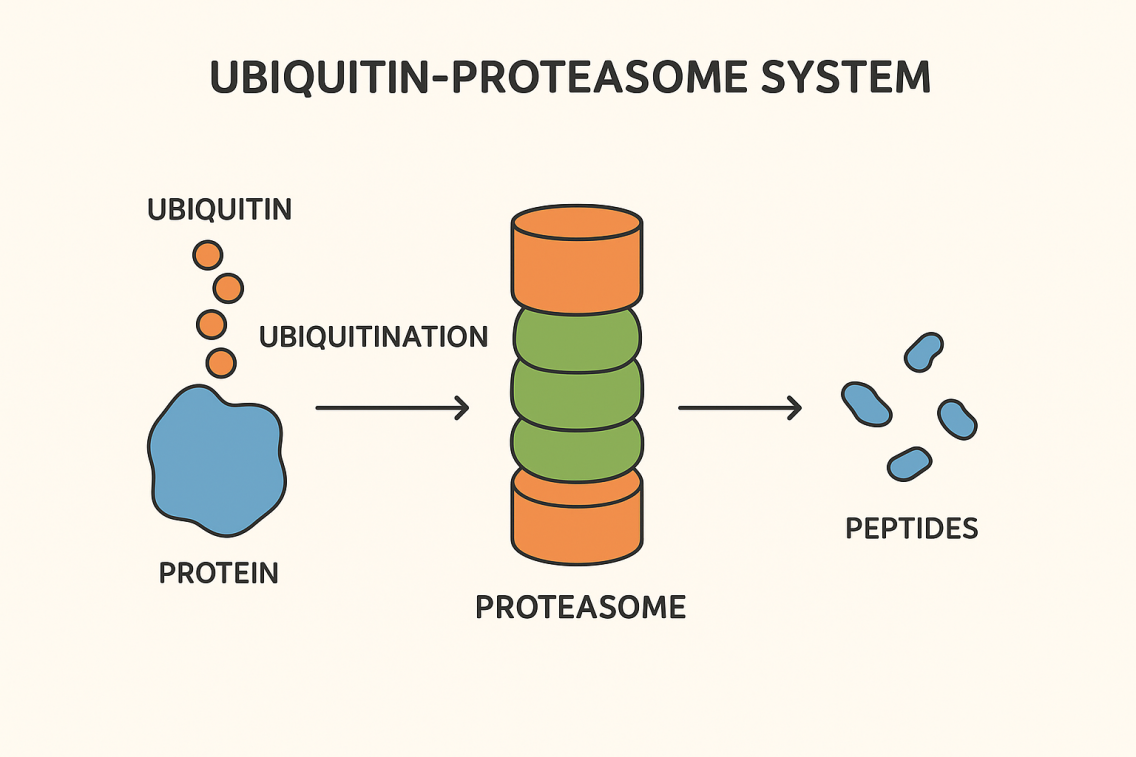
Figure 1. Overview of the Ubiquitin–Proteasome System (UPS)
1. System Components and Structure
The UPS is a multi-step, energy-dependent process composed of the following key components:
Ubiquitin (Ub)
A small protein consisting of 76 amino acids with a molecular weight of approximately 8.5 kDa, highly conserved in eukaryotes. Ubiquitin molecules can form different types of chains by linking through lysine residues (e.g., K48, K63) on substrates or on themselves. K48-linked chains generally signal for degradation, while K63-linked chains are involved in signal transduction and DNA repair.
E1: Ubiquitin-activating enzyme
Activates ubiquitin using ATP and forms a thioester bond with its own cysteine residue.
E2: Ubiquitin-conjugating enzyme
Transfers the activated ubiquitin from E1 to its own cysteine residue, preparing for substrate conjugation.
E3: Ubiquitin ligase
Responsible for recognizing substrate proteins and catalyzing the transfer of ubiquitin from E2 to the substrate. This step is the core of substrate specificity. In humans, there are approximately 600 E3 ligases, providing the system with high specificity.
26S Proteasome
A large barrel-shaped complex (~2.5 MDa) composed of a 20S core particle and two 19S regulatory particles at each end. The 19S regulatory particles recognize polyubiquitin chains, unfold substrates, and remove ubiquitin, while the 20S core contains proteolytic active sites that degrade substrates into short peptides. Ubiquitin is cleaved off by deubiquitinating enzymes (DUBs) and can be recycled.
2. Functions and Roles
The UPS is not merely a “cellular waste disposal system”; it plays crucial roles in a variety of biological processes:
Protein Quality Control: Eliminates misfolded or damaged proteins, preventing toxic aggregation.
Cell Cycle Regulation: Ensures orderly progression of the cell cycle by degrading proteins such as cyclins.
Signal Transduction: Modulates key pathways including NF-κB and p53, influencing cell survival and apoptosis.
Gene Expression and Epigenetics: Ubiquitination can regulate transcription factors and chromatin-associated proteins.
Stress Response and Immunity: Involved in oxidative stress response, inflammation, and antiviral defense.
Metabolic Regulation: UPS participates in the metabolism of toxins, lipids, and tumor-derived products, and promotes cellular self-repair through energy recycling.
3.Applications and Prospects
Research on the UPS has driven advances across multiple fields:
Drug Development: Proteasome inhibitors (e.g., bortezomib) are used clinically to treat multiple myeloma.
Molecular Glue Technology: Promotes ubiquitination of specific target proteins to induce their degradation, with applications reaching clinical use.
PROTAC Technology: Utilizes bifunctional molecules to recruit E3 ligases for targeted protein degradation, expanding the scope of therapeutic intervention.
Basic Research: Studies on UPS in cell cycle control, DNA repair, and signal transduction continue to uncover new biological insights.
The ubiquitin–proteasome system is central to maintaining protein homeostasis and regulating cellular functions. Beyond clearing unnecessary or damaged proteins, it participates in signal transduction, metabolism, and immune regulation. Future research into UPS mechanisms and clinical applications is expected to play an increasingly important role in life sciences and precision medicine.
Related Products
Name | ID | Grade & Purity |
Bortezomib (PS-341) | Moligand™, ≥98% | |
Bortezomib (PS-341) | Moligand™, 10mM in DMSO | |
Carfilzomib | Moligand™, ≥99% | |
Carfilzomib (PR-171) | Moligand™, 10mM in DMSO | |
MLN2238 | Moligand™, ≥98% | |
Ixazomib (MLN2238) | Moligand™, 10mM in DMSO | |
Suc-Leu-Leu-Val-Tyr-AMC(TFA) | ≥95% | |
P5091 | ≥98% | |
P5091 (P005091) | 10mM in DMSO | |
GNE-6640 | ≥99% | |
GNE-6640 | 10mM in DMSO |
Aladdin: https://www.aladdinsci.com/