
Brief description of the functions and applications of vitamin B6 in biomedical research
Brief description of the functions and applications of vitamin B6 in biomedical research
Vitamin B6 is a collective term for a group of structurally related pyridine compounds that act as key coenzymes in multiple metabolic networks, including amino acid metabolism, neurotransmitter synthesis, lipid and carbohydrate metabolism, heme biosynthesis, and one-carbon metabolism. Alterations in vitamin B6 status are closely associated with nervous system function, immune regulation, cardiovascular risk, and oxidative stress, making it an important biochemical indicator in studies of nutritional metabolism, disease mechanisms, and pharmacodynamic evaluation. The establishment of standardized systems for the experimental use and determination of vitamin B6 is essential for improving the comparability and data quality of related basic and translational research.
I. Chemical Forms and Physicochemical Properties of Vitamin B6
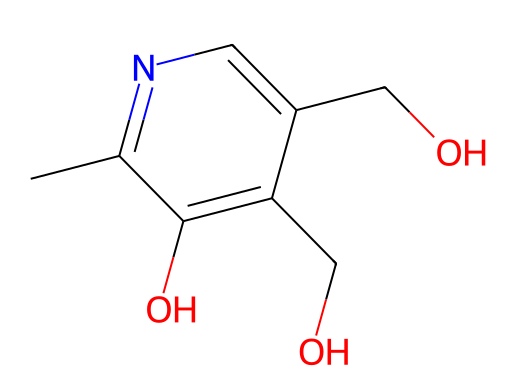
Figure 1 Chemical structure of vitamin B6
Vitamin B6 in fact comprises a group of interconvertible chemical forms: pyridoxine (PN), pyridoxal (PL), pyridoxamine (PM), and their corresponding 5′-phosphorylated derivatives (PNP, PLP, PMP). Among these, pyridoxal 5′-phosphate (PLP) is the major physiologically active form in vivo, serving as a covalently bound cofactor for numerous enzymes.The core structure of vitamin B6 is a substituted pyridine ring, and differences in the substituents determine its redox state and reaction characteristics. In experimental practice, standard reagents are most commonly pyridoxine hydrochloride (PN·HCl) and PLP sodium salt, both of which are highly soluble in water and thus convenient for preparing working solutions and stock solutions.
II. Metabolic Conversion and Homeostatic Regulation in vivo
1. Absorption
Vitamin B6 is absorbed mainly in the proximal small intestine, and the mechanisms differ among its three natural forms (PN, PL, PM). Pyridoxine (PN) is absorbed primarily by passive diffusion, whereas pyridoxal (PL) and pyridoxamine (PM) are taken up mainly via a saturable active transport system. In the intestinal lumen, phosphorylated forms of vitamin B6 present in food are first dephosphorylated by intestinal phosphatases to non-phosphorylated forms before absorption. After absorption, vitamin B6 is re-phosphorylated within the intestinal mucosal cells and then enters the portal circulation.
2. Distribution
Once absorbed, vitamin B6 is transported via the bloodstream to tissues and organs throughout the body, with relatively high concentrations in the liver, muscle, and brain. Inside cells, vitamin B6 exists mainly in phosphorylated forms (PLP, PNP, PMP), among which pyridoxal 5′-phosphate (PLP) accounts for about 60%–80% of total intracellular vitamin B6 . PLP is largely protein-bound and functions as a coenzyme in numerous enzymatic reactions, whereas a small proportion of non-phosphorylated vitamin B6 remains freely dissolved in the cytosol.
3. Metabolism
The metabolism of vitamin B6 occurs predominantly in the liver. Pyridoxine 5′-phosphate (PNP) and pyridoxamine 5′-phosphate (PMP) can be converted to PLP by pyridoxine 5′-phosphate oxidase. PLP is the major metabolically active coenzyme form of vitamin B6 in the body. When vitamin B6 intake is excessive, surplus PLP is oxidatively degraded in the liver to 4-pyridoxic acid, which is the principal metabolic end product of vitamin B6 in vivo.
4. Excretion
Vitamin B6 and its metabolites are excreted mainly via the kidneys. Most excess vitamin B6 is eliminated in the urine in the form of 4-pyridoxic acid, with small amounts excreted as PN, PL, PM and their phosphorylated derivatives. Renal excretion of vitamin B6 exhibits a threshold effect: when body vitamin B6 levels exceed this threshold, urinary excretion increases markedly; conversely, during vitamin B6 deficiency, renal reabsorption is enhanced and urinary loss is reduced.
III. Major Types of PLP-Dependent Reactions
As a covalently bound coenzyme, PLP is primarily involved in the following classes of enzymatic reactions:
(1)Transamination reactions:
PLP forms a Schiff base intermediate with the α-amino group of amino acids and mediates amino group transfer between amino acids and α-keto acids. This process is central to amino acid metabolism and overall nitrogen metabolism.
(2)Decarboxylation reactions:
PLP-dependent decarboxylases catalyze the decarboxylation of various amino acids to generate biogenic amines, such as the conversion of glutamate to γ-aminobutyric acid (GABA) and the decarboxylation of tryptophan to form the precursor of 5-hydroxytryptamine (5-HT).
(3)Cleavage and condensation reactions:
PLP participates in β-elimination, γ-elimination, and certain condensation reactions, for example in cysteine/cystathionine metabolism and in the formation of specific phosphorylated intermediates.
(4)One-carbon metabolism–related reactions:
In coordination with the folate cycle and homocysteine remethylation pathways, PLP influences the methionine–homocysteine cycle and the balance of methyl-group donors.
Through these reaction types, vitamin B6 is involved in multiple metabolic nodes, including amino acid catabolism and synthesis, regulation of glycogen phosphorylase activity, neurotransmitter biosynthesis, and the metabolism of sulfur-containing amino acids.
IV.Physiological Functions of Vitamin B6
1. Coenzyme roles in intermediary metabolism
1)Amino-acid metabolism
PLP is an essential coenzyme for many aminotransferases, decarboxylases, and lyases, participating in transamination, decarboxylation, and side-chain modification of amino acids. Typical reactions include the conversion of tryptophan to niacin, as well as the metabolism of sulfur-containing amino acids such as methionine and cysteine. When vitamin B6 is deficient, these enzymatic reactions are hindered, amino-acid utilization decreases, and related metabolic intermediates abnormally accumulate, thereby affecting protein synthesis and overall nitrogen metabolic balance.
2)Lipid metabolism and acetyl-CoA-related reactions
Via PLP, vitamin B6 is involved in certain enzymatic reactions related to the generation and utilization of acetyl-CoA, indirectly regulating fatty-acid synthesis, lipid transport, and lipoprotein metabolism. When vitamin B6 status is insufficient, imbalances between fatty-acid synthesis and breakdown are more likely to occur, which may lead to lipid deposition in tissues such as the liver and abnormalities in blood-lipid profiles, manifesting as lipid-metabolism disorders and dyslipidemia.
3)Glucose metabolism and glycemic homeostasis
PLP participates in the activity regulation of some enzymes involved in gluconeogenesis (including enzymes associated with phosphorylase systems), thereby influencing glycogen breakdown and the conversion of glucogenic amino acids into glucose. Through indirect regulation of gluconeogenesis and glycogen metabolism, vitamin B6 helps balance energy supply and maintain relatively stable blood-glucose levels. It is an important metabolic factor in studies on cross-talk between amino-acid and glucose metabolism.
2. Maintaining nervous-system health
1)Neurotransmitter synthesis
PLP is a key coenzyme for multiple decarboxylases involved in neurotransmitter synthesis, including 5-hydroxytryptophan decarboxylase (catalyzing serotonin synthesis), dopa decarboxylase (involved in dopamine and norepinephrine synthesis), and glutamate decarboxylase (producing γ-aminobutyric acid, GABA). When vitamin B6 is deficient, the rates of these reactions decline, leading to reduced synthesis of serotonin, dopamine, GABA, and other neurotransmitters. This can affect mood, behavior, and the balance between central excitation and inhibition, and has been associated in animal and clinical studies with manifestations such as mood disorders, irritability, and lowered seizure thresholds.
2)Myelination and neural conduction
Vitamin B6 participates in processes related to myelin components and associated lipid metabolism, which are important for the integrity and function of myelin. Deficiency can damage myelin structure, slow nerve-impulse conduction, and increase the risk of conduction errors, presenting as peripheral sensory abnormalities such as numbness, tingling, and delayed responses. Therefore, in studies of neuro-nutrition, neurodevelopment, and neurodegenerative diseases, vitamin B6 is often used as an indicator for evaluating the nutritional and metabolic status of the nervous system.
3. Supporting immune-system function
1)Lymphocyte proliferation and differentiation
PLP levels are closely related to the proliferative and differentiative capacity of lymphocytes. When vitamin B6 is insufficient, total peripheral lymphocyte counts may decrease, and the functions of both T cells and B cells can be suppressed. This weakens humoral and cellular immune responses, resulting in reduced overall immunity and increased susceptibility to infection. In immuno-nutrition and infection-susceptibility research, vitamin B6 status is frequently used as an indicator of whether immune function is adequate.
2)Cytokine production and immune regulation
Vitamin B6 participates in metabolic reactions related to cytokine synthesis and secretion, indirectly influencing the expression and release of various pro-inflammatory and anti-inflammatory factors. It thereby helps regulate immune-response intensity and the balance of inflammatory reactions. In models of chronic inflammation, autoimmunity, and infectious diseases, changes in PLP status show certain correlations with cytokine profiles and immune-response patterns. Hence, vitamin B6 is often included in integrative analyses of immune-network regulation.
4. Other related roles
1)Homocysteine metabolism and cardiovascular risk
Vitamin B6 works together with folate, vitamin B12, and others in homocysteine (Hcy) metabolism. As a coenzyme for enzymes involved in sulfur-amino-acid metabolism, PLP promotes conversion of homocysteine to cysteine and other downstream products, preventing excessive plasma accumulation of Hcy. Extensive studies have shown that elevated homocysteine levels are closely associated with increased risks of atherosclerosis and cardiovascular events. From a metabolic-mechanism perspective, vitamin B6 may confer certain cardiovascular protective effects by lowering homocysteine levels.
2)Gene-expression regulation and cell proliferation/apoptosis
Some studies suggest that vitamin B6 , by participating in one-carbon metabolism and methyl-donor generation, indirectly affects DNA methylation and chromatin states, thereby contributing to epigenetic regulation of gene expression. Meanwhile, PLP influences intracellular redox balance and signal-transduction pathways, and can, to some extent, regulate cell proliferation, cell-cycle distribution, and apoptosis. In tumor-biology research, changes in vitamin B6 status correlate with alterations in tumor-cell proliferation and apoptosis rates, although detailed molecular mechanisms and potential clinical applications require further investigation.
V. Common Forms of Vitamin B6 in Experimental Research and Related Reagents
In cell and animal studies, commonly used vitamin B6 reagents include pyridoxine hydrochloride, pyridoxal 5′-phosphate, and pyridoxamine dihydrochloride. These can be applied in the following contexts:
(1)Supplementation in culture systems:
Used as essential vitamin components in serum-free or chemically defined culture media to maintain cellular proliferation and metabolic activity.
(2)Nutritional intervention and supplementation models:
By adding different concentrations of PN or PLP, deficiency, adequate, and high-supplementation models can be established to investigate how vitamin B6 status affects metabolism and signaling pathways.
(3)Enzymology studies:
PLP is added as a coenzyme to purified enzyme reaction systems to restore or maintain the activity of PLP-dependent enzymes. It is also used to create saturating or limiting coenzyme conditions for the analysis of enzyme kinetic parameters.
(4)Standards and internal standards:
PN, PL, PLP, and related vitamers can serve as external or internal standards for HPLC or LC–MS/MS quantification of vitamin B6 and its metabolites in plasma, urine, and tissue homogenates.
Product name | Cat. No. | Grade |
Vitamin B6 | ≥98% | |
Vitamin B6 | 10mM in DMSO | |
Vitamin B6 | For cell culture, for insect cell culture, ≥99% | |
Vitamin B6 hydrochloride | ≥98% (HPLC) | |
Pyridoxol hydrochloride-d; Vitamin B6 hydrochloride-d | -- | |
Vitamin B6 impurity | -- | |
Pyridoxal phosphate(PLP) | Moligand™, for cell culture, ≥98% | |
Pyridoxal phosphate(PLP) | Moligand™, 10mM in DMSO | |
Pyridoxal phosphate(PLP) | Moligand™, ≥98% | |
Pyridoxol 5′-Phosphate | ≥90% | |
Pyridoxamine-5′-phosphate | ≥95% | |
4-Pyridoxic acid | Moligand™, 10 mM in DMSO | |
4-Pyridoxic acid | ≥95% | |
Pyridoxine hydrochloride | PharmPure™, USP | |
Pyridoxine hydrochloride | analytical standard | |
Pyridoxine HCl | 10mM in DMSO | |
Pyridoxylamine | Moligand™,10 mM in DMSO | |
Pyridoxylamine | ≥98% | |
Pyridoxal | Moligand™, 10 mM in DMSO | |
Pyridoxal | ≥98% |
VI. Analytical Methods for Vitamin B6 and Its Metabolites
Assessment of vitamin B6 status is usually based on the combined determination of multiple vitamers such as PN, PL, PLP, and PA (pyridoxic acid) in plasma or urine. Common analytical approaches include:
(1)High-performance liquid chromatography (HPLC):
Different forms of vitamin B6 can be separated by HPLC and quantified using UV or fluorescence detectors. In some protocols, samples require derivatization to enhance sensitivity and selectivity.
(2)Liquid chromatography–tandem mass spectrometry (LC–MS/MS):
LC–MS/MS enables simultaneous quantification of multiple B6 vitamers with high sensitivity and specificity, making it suitable for clinical specimens and complex biological matrices. It is widely used in population nutritional surveys and metabolomics studies.
(3)Enzymatic functional indices:
Vitamin B6 status can be indirectly evaluated by measuring the activity of PLP-dependent enzymes in erythrocytes (such as aspartate aminotransferase) before and after in vitro PLP supplementation, and comparing the difference.
(4)Simple colorimetric or fluorometric methods:
In some basic and teaching laboratories, specific derivatization reagents can be employed to perform colorimetric or fluorometric detection of PN or PLP, providing qualitative or semi-quantitative assessments.
Overall, vitamin B6 , via its active form PLP, is broadly involved in amino-acid, lipid, and glucose metabolism, and plays important roles in maintaining nervous-system function, immune homeostasis, and cardiovascular metabolic balance. It also serves potential regulatory functions in higher-level biological processes such as homocysteine metabolism, gene-expression regulation, and cell proliferation/apoptosis. For both basic and translational research, quantitative evaluation of vitamin B6 nutritional status and systematic analysis of its relationships with metabolic phenotypes and disease outcomes remain key directions in studies linking nutrition, metabolism, and disease.
Aladdin: https://www.aladdinsci.com/